
What’s the Difference Between Seed Oil and Fruit Oil?
If you’ve ever felt a twinge of uncertainty picking between oils, wondering which one started as a seed and which came from a fruit, I get it completely. I’ve sorted through many bottles on my own shelf, and the distinction becomes clear once you know a few simple, sensory clues.
The most important thing you’ll learn is that the part of the plant we press the oil from-seed or fruit pulp-shapes everything from its feel on your skin to its best use in your home. Here’s what we’ll cover:
- How to identify them by sight, scent, and texture
- Why the source changes the oil’s properties
- My personal favorites for body care and wellness
- Practical, safe ways to use each type
Key Takeaways: A Quick Glance at Seed Oil vs. Fruit Oil
Think of a ripe avocado. The rich, green flesh you mash onto toast is like a fruit oil. The hard pit in the center is like a seed oil. Where the oil comes from on the plant changes everything about how it feels and what it can do for you.
- Source: Fruit oil comes from the fleshy, pulpy part. Seed oil comes from the hard seed, kernel, or pit inside.
- Texture & Feel: Fruit oils are generally richer, more emollient, and can feel silky or buttery. Seed oils are often lighter and more quickly absorbed.
- Best For: I reach for fruit oils like avocado or olive for deep moisture, body treatments, and hair masks. I choose seed oils like sunflower or raspberry for lightweight facial serums, massage blends, or to dilute essential oils.
- Shelf Life: Many seed oils, especially delicate ones like rosehip, are more prone to oxidation. I store them in my cool, dark apothecary cupboard and use them within a few months.
The Simple Truth: Where Your Oil Actually Comes From
A fruit oil is exactly what it sounds like. It’s pressed from the fatty, fleshy part that surrounds the seed. Picture the meat of an olive, the pulp of a coconut, or the green flesh of an avocado. These oils carry the nourishing qualities of the fruit itself, often rich in vitamins and fatty acids that are wonderful for skin and hair.
Seed oil is made from the treasure inside. It’s extracted from the seed, kernel, or pit within the fruit or plant. This includes the tiny seeds inside a rosehip berry, the kernel of an almond, or the striped seed of a sunflower. These oils are the plant’s concentrated energy reserve, which often makes them potent and fast-penetrating.
Clearing Up Common Confusion
This is where labels can trick you. Avocado oil is a perfect example. That bottle on your shelf is pressed from the green fruit flesh, not the large pit. It is a classic, rich fruit oil.
Almond oil, on the other hand, comes from the nut’s kernel. Botanically, a nut is a seed. So your sweet almond oil is a seed oil, explaining its lighter texture.
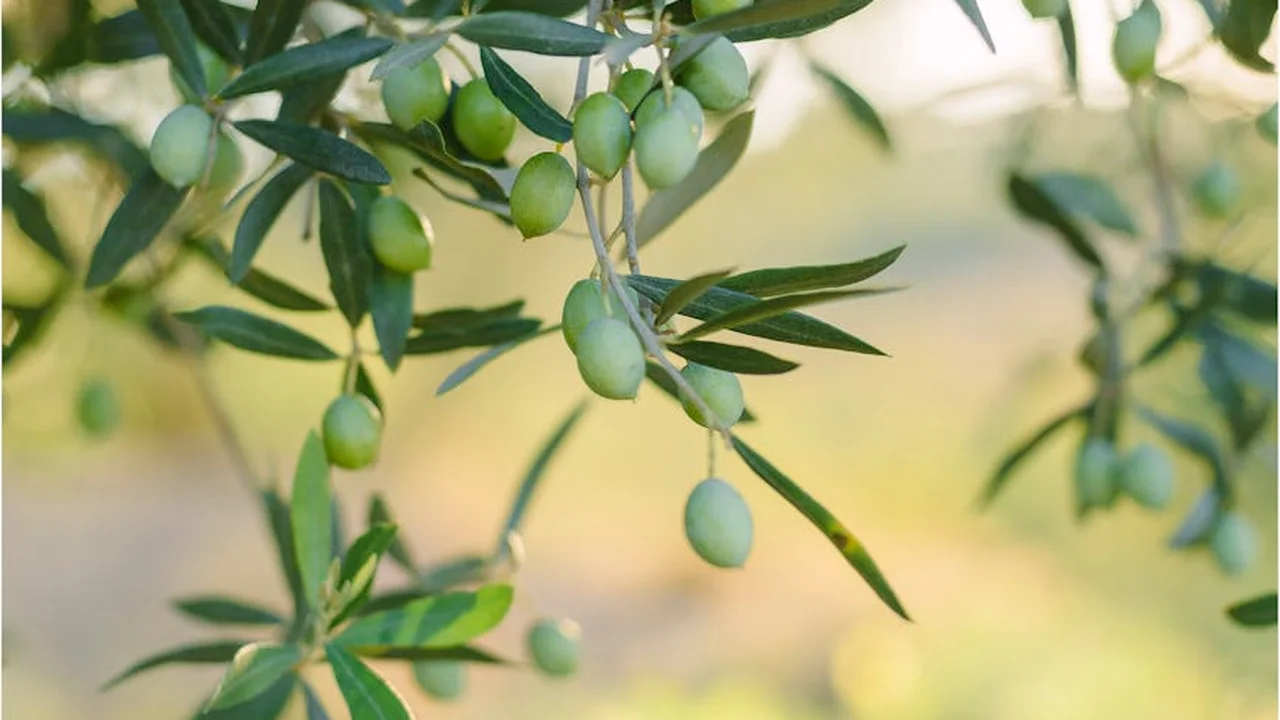
Pure olive oil is just that, pure fruit. It is not mixed with seed oil. The oil comes solely from pressing the olives.
Some oils, like algae oil, come from entirely different sources. They are pressed from algae cells, not seeds, and are prized for their unique fatty acid profiles.
When in doubt, I read the description from my trusted supplier. A good source will always tell you exactly which part of the plant was used.
How to Tell Them Apart: A Sensory Guide

You can learn a lot from a label, but your own senses are the best tools you have. When I get a new oil, the first thing I do is put a drop on my wrist.
Texture and Feel
Seed oils and fruit oils usually behave differently on your skin. Think of it like the difference between a light linen shirt and a soft, cozy sweater.
Seed oils tend to have a lighter, drier texture that sinks in quickly. They often feel almost “quiet” on the skin. I reach for oils like grapeseed or golden jojoba from my shelf when I need moisture that doesn’t linger. They are fantastic under makeup or for a no-fuss body oil in humid weather.
Fruit oils are typically richer and more emollient, leaving a noticeable layer of softness. They have a comforting, substantive feel. Avocado or mango butter oil creates a protective barrier that’s perfect for very dry patches, cuticles, or overnight hair treatments. This lush texture comes from the fleshy part of the fruit.
Scent Profile
Close your eyes and take a whiff. The aroma can be a big clue, though processing methods also affect scent.
Cold-pressed seed oils often carry a nutty, earthy, or very neutral aroma. Sunflower seed oil smells like its source, a gentle, raw nuttiness. Sesame seed oil has that distinctive toasted scent. Many are so mild they make perfect bases for blending.
Fruit oils frequently have a subtle, inherent sweetness or a fresh, green note. Unrefined avocado oil smells faintly of ripe avocados and hay. A good olive oil has that iconic grassy, fruity scent. This gentle fragrance is a lovely bonus.
The Back-of-Hand Test
Try this simple comparison. Place one drop of golden jojoba oil (a seed liquid) on the back of your left hand. On your right, place one drop of unrefined avocado oil.
- Rub each in gently with a fingertip.
- Notice the slip and spread. Jojoba will feel sleek and vanish fast.
- The avocado oil will feel more viscous, taking a moment longer to absorb and leaving a velvety finish.
This little experiment shows you exactly how their different origins translate to feel. Your skin learns by doing.
Read the Fine Print
Common names can be tricky. The word “oil” doesn’t tell you the whole story.
Always check the full ingredient name or description. “Coconut oil” comes from the white meat (the endosperm) of the fruit, so it’s a classic fruit oil. “Rosehip seed oil” is pressed specifically from the tiny seeds inside the rosehip fruit, making it a seed oil.
If you see “pomegranate seed oil” or “raspberry seed oil,” you know you’re getting a seed oil, which will have those lighter, drier qualities. This small detail helps you predict how the oil will behave in your recipes.
For Your Body and Skin: Choosing Your Champion
Now, let’s get practical. How do you pick the right oil for your skin? Think of it like choosing a fabric. You wouldn’t wear a heavy wool sweater on a humid day, right? Your skin needs that same consideration.
Lightweight Hydration: The Seed Oil Advantage
If your skin is oily, combination, or just doesn’t like heavy creams, seed oils are your best friend. They absorb quickly without a greasy film. On my own shelf, I reach for grapeseed oil after cleansing. It feels light and almost matte.
Apricot kernel oil is another favorite. It’s so gentle that I often recommend it for the delicate skin around the eyes. A single drop warmed between your fingertips is perfect.
For oily or acne-prone skin, a lightweight seed oil can provide moisture without clogging pores.
Deep Nourishment: The Power of Fruit Oils
When skin feels tight, flaky, or shows fine lines, it’s asking for a richer texture. This is where fruit oils shine. Avocado oil is deeply penetrating. I can feel its emollient quality the moment I smooth it on my hands after a long day in the garden.
Olive oil, a classic for a reason, is fantastic for restoring a damaged moisture barrier. It creates a gentle, protective layer that lets skin heal. I see this often with mature skin that needs that extra layer of comfort.
A rich fruit oil like avocado is a rescue treatment for very dry skin or rough patches like elbows and knees.
Crafting Your Custom Body Blend
You don’t have to choose just one. My favorite way to make a body oil is to blend them. Start with a light seed oil as your base. Sweet almond or sunflower oil work beautifully.
Then, add a smaller amount of a richer fruit oil for extra nourishment. I might mix 3 parts apricot kernel oil with 1 part avocado oil. This gives me a silky lotion that sinks in well but still treats my dry spots.
Apply it to damp skin right after a shower. This helps lock in hydration. Pay special attention to those parched areas, especially when using shower oils for skin hydration.
Blending a light seed oil with a denser fruit oil lets you customize hydration for different areas of your body.
Using Your Oils Safely and Effectively
Remember, the oils we’ve discussed are carrier oils. They are meant to carry or dilute more potent essential oils. You can use most carrier oils “neat,” which means directly on your skin. Always do a patch test first on your inner arm.
When you want to add an essential oil for scent or a therapeutic benefit, you must dilute it. A safe starting point is adding about 6 drops of essential oil to every 1 ounce (30 ml) of your carrier oil. Proper dilution ratios are crucial for safety and effectiveness.
Seed and fruit oils are perfect, safe carriers for diluting essential oils before they touch your skin.
Hair and Scalp Blends: From Roots to Tips
Your hair care routine can get a real upgrade when you match the right oil to the right job. Think of it like dressing for the weather. You wouldn’t wear a heavy winter coat on a mild spring day. The same logic applies to your hair.
Lightweight Seed Oils for the Scalp
Seed oils are often my first choice for scalp health. They are typically lighter and absorb well without leaving a greasy film. This makes them perfect for massaging directly into your roots.
I keep a bottle of sweet almond oil on my shelf just for this. Its thin, silky texture feels soothing and never clogs my pores.
A quick scalp massage with a light seed oil can improve circulation and deliver nutrients right where your hair grows.
If you have fine or oily hair, this is your best strategy. Heavy oils can weigh thin strands down and make your scalp feel worse.
How to Use a Seed Oil Scalp Treatment
- Warm a teaspoon of sweet almond or grapeseed oil in your palms.
- Part your hair and gently massage the oil into your scalp with your fingertips for 3-5 minutes.
- Leave it on for at least 30 minutes, or even overnight for a deep treatment.
- Wash out thoroughly with your regular shampoo.
Rich Fruit Oils for Lengths and Ends
Now, for the long lengths of your hair, especially the dry ends, we switch gears. This is where richer, more occlusive fruit oils shine.
Oils like coconut or avocado are thicker. They coat the hair shaft to seal in moisture and protect against damage. I use them as a pre-shampoo conditioner.
Apply a rich fruit oil to dry hair before you shower; it acts as a protective barrier that prevents your strands from absorbing too much water and swelling, which can lead to breakage.
This method is a game-changer for thick, curly, or chemically processed hair that craves intense hydration.
How to Use a Fruit Oil Pre-Shampoo Treatment
- On dry hair, apply a small amount of coconut or avocado oil from your mid-lengths to the very ends. Avoid the roots.
- Gently comb it through to ensure even distribution.
- Let it sit for 20 minutes to an hour. You can wrap your hair in a towel for warmth.
- Proceed with your normal shampoo and conditioner routine. You’ll notice less tangling and more shine.
A Special Note on Pumpkin Seed Oil
Pumpkin seed oil is a unique seed oil that comes up often in hair wellness conversations. It has a rich, nutty scent and a dark green color.
While some people take it as a supplement, I find it works best applied topically. I blend a little pumpkin seed oil into my scalp treatments for an extra boost of nutrients, as it’s packed with zinc and fatty acids.
Just remember, its deep color can temporarily stain light hair, so do a patch test first.
Beyond Beauty: Wellness and Home Uses

These oils work wonders outside of your skincare routine.
I keep a bottle of organic, cold-pressed sunflower oil in my kitchen cabinet and another in my apothecary drawer. Its light texture makes it a perfect base for projects beyond the bathroom.
Seed Oils: Your DIY Partner
Their neutral scent and stable nature make seed oils ideal for homemade wellness blends.
Think of them as a blank canvas. For a soothing massage oil, I start with a quarter cup of sunflower or grapeseed oil. I add about 12 drops total of my chosen essential oils, like lavender and frankincense for relaxation.
You can whip up a simple linen spray in minutes using a seed oil base.
- Fill a 2-ounce glass spray bottle mostly with distilled water.
- Add one teaspoon of rubbing alcohol or vodka (this helps the oils and water mix).
- Add 5-10 drops of your favorite calming essential oil blend.
- Finally, add half a teaspoon of a light seed oil, like fractionated coconut or grapeseed. This helps the scent linger on fabric without leaving a greasy spot.
Shake well before each use and mist lightly over pillows and bedding.
Fruit Oils: Natural Home Care
Fruit oils, with their richer consistency, are fantastic for simple, natural home maintenance.
That same bottle of olive oil you cook with can polish wooden cutting boards or spoons. Just use a tiny amount on a soft cloth, rub it into the wood, and let it soak in before wiping off any excess.
A small dab of olive or avocado oil makes a surprisingly effective leather conditioner. Test it on a hidden spot first. Apply a pea-sized amount to a soft cloth, rub it gently into dry leather, and then buff with a clean cloth. It nourishes the material and gives it a soft, renewed look. If you’re curious which natural oils are best for conditioning and protecting leather goods, our quick guide can help. It compares options and outcomes.
A Simple Calming Bedroom Blend
Let’s create a soothing aroma for your space. You will need a seed oil as your carrier.
I prefer fractionated coconut oil here because it is odorless and never gets sticky. Sweet almond oil is another great choice.
- Get a small glass bottle for your blend.
- Fill it almost to the top with your chosen seed carrier oil.
- For a 1-ounce bottle, add 6 drops of Lavender essential oil and 4 drops of Cedarwood essential oil.
- Cap the bottle and roll it gently between your palms to mix.
To use it, add 5-10 drops of this pre-diluted blend to the water reservoir of your diffuser. The seed oil safely carries the essential oils into the air. The scent is woody, floral, and deeply grounding-perfect for winding down.
In the Kitchen: Cooking Considerations
Your choice between a seed oil and a fruit oil changes everything when you apply heat. Think of smoke point as an oil’s personal comfort zone.
Go past it, and the oil starts to break down. It will smoke, develop a bitter taste, and lose its nutritional benefits.
Smoke Point: A Practical Guide
Many seed oils, like sunflower or safflower, are often refined to have very high smoke points. This makes them suited for high-heat frying.
Many classic fruit oils, especially unrefined ones like extra virgin olive oil, have medium to low smoke points. They shine in dressings, drizzling, or gentle sautéing.
I keep a bottle of high-heat avocado oil (a fruit oil exception) next to my stove for searing. For finishing a dish, I always reach for a flavorful, unfiltered olive oil from my shelf.
Choosing Your Kitchen Oil
| Oil Type & Example | Best For | Smoke Point Note |
| Seed Oil (Refined Sunflower) | Deep frying, high-heat stir-frying | Very High (440-450°F+) |
| Seed Oil (Unrefined Sesame) | Flavoring at the end of cooking, dressings | Medium-Low (350°F) |
| Fruit Oil (Extra Virgin Olive) | Salad dressings, low-heat sauté, drizzling | Low-Medium (325-375°F) |
| Fruit Oil (Refined Avocado) | Searing, grilling, roasting | Very High (520°F) |
Remember, “refined” means processed with heat or chemicals to remove impurities and neutralize flavor. This raises the smoke point but often reduces nutrients and character.
Protecting the Good Stuff
Heat can damage the delicate antioxidants and phytonutrients in both seed and fruit oils. Unrefined oils are the most vulnerable.
A good rule of thumb is to keep unrefined, aromatic oils cool and use refined, neutral oils for heat.
If an oil has a bold color, a cloudiness, or a pronounced nutty or grassy aroma, it’s likely packed with compounds that heat will destroy. Treat it like a fresh herb-add it at the end to preserve its magic.
I store my precious unrefined oils in a dark cupboard, never on the counter by the window or stove. Light and heat are their enemies, long before they even reach your pan.
Keeping Your Oils Happy: Storage and Shelf Life
Think of your botanical oils like fresh herbs. They are alive in a way, and they need a little care to stay vibrant and useful.
Seed oils often have a shorter shelf life and are more prone to turning rancid. Their delicate fatty acid structure is simply less stable. Fruit oils, especially those high in natural vitamin E like olive or avocado oil, act as their own preservative and can last significantly longer on your shelf. The antioxidant power in that vitamin E fights off the oxidation that causes spoilage.
Your Oil’s Best Home: Smart Storage Tips
I keep all my oils in a specific kitchen cupboard, far from the stove and oven. Heat and light are their biggest enemies. Here is my routine for keeping oils fresh for every use.
- Always use dark glass bottles. Amber or cobalt blue glass blocks degrading light. If you buy an oil in a clear bottle, transfer it.
- Find a cool, dark cupboard. A pantry or a cabinet away from appliances is perfect.
- Keep the caps tightly sealed. Exposure to air speeds up rancidity.
- For oils you use very slowly, consider the fridge. This is great for delicate seed oils like rosehip or watermelon seed. They may get cloudy or solid, but they will liquify again at room temperature.
The Sniff Test: How to Spot a Rancid Oil
Your senses are the best tool here. A fresh oil should smell clean and pleasant, like its source. Trust your nose and your fingers.
An oil has likely gone rancid if you notice any of these signs:
- A sharp, bitter, or “crayon-like” smell instead of its natural aroma.
- A sticky, tacky texture between your fingers that doesn’t absorb well.
- A cloudy or murky appearance in an oil that was once clear.
If you are unsure, do a small patch test. A rancid oil can cause irritation on skin. When in doubt, I compost it and make a note to buy a smaller bottle next time.
Common Mistakes and How to Avoid Them
Working with botanical oils is a joyful practice. But a few simple mix-ups can lead to frustration or even skin irritation. Let’s walk through some frequent blunders so you can work with more confidence.
Mistake 1: Thinking All Oils From One Plant Are the Same
This is a huge one. A single plant can yield vastly different oils depending on which part we use. The processing method changes everything.
Take the orange tree. From its fragrant peel, we get orange essential oil. It’s incredibly potent, smells bright and zesty, and is used in tiny amounts for scent or mood. From its seeds, we get orange seed carrier oil. This is a pale, lightweight, almost odorless oil perfect for diluting other essences and moisturizing skin.
They come from the same fruit but serve entirely different purposes in your cabinet. The same rule applies to many plants. Always check the label for the botanical name and the part used-“Citrus sinensis (peel)” is not “Citrus sinensis (seed).”
Mistake 2: Using a Heavy Fruit Oil on Acne-Prone Skin
It seems logical: fruit oils are natural, so they must be good for all skin. Not quite. Some richer fruit oils, like coconut or even some olive oils, have a thicker texture and higher comedogenic rating.
This means they can potentially clog pores for those prone to congestion. If you’re applying a rich fruit oil and noticing more bumps, this is likely why.
For acne-prone or oily skin, choose lightweight, non-comedogenic seed oils like hemp seed, grapeseed, or safflower oil instead. They absorb quickly and nourish without that heavy, lingering feel. I keep a bottle of grapeseed oil in my skincare fridge for this exact reason-it feels so clean and soothing.
Mistake 3: Storing Oil on a Sunny Windowsill
Light and heat are the sworn enemies of most botanical oils. They speed up oxidation, turning your oil rancid. A rancid oil loses its benefits and can even irritate your skin.
That beautiful, expensive bottle of rosehip seed or argan oil? It doesn’t belong in your warm, sunny kitchen window, no matter how pretty it looks.
Store your oils in a cool, dark place, like a pantry or cupboard, and always choose dark amber or cobalt blue bottles. For oils you use slowly, consider the refrigerator door. A chilled oil lasts much longer and feels amazing on puffy eyes.
Mistake 4: Confusing Nut Butters with Their Oils
This mix-up happens often in DIY recipes. Almond butter and almond oil are not the same thing. A butter is the whole, ground nut or seed, containing all its fibers and solids. An oil is just the pure fat extracted from it.
The texture and result are completely different. You cannot substitute peanut butter for peanut oil in a massage blend-it will be grainy and won’t absorb. Conversely, using just oil in a recipe calling for butter’s thickness won’t work.
Think of it like this: a butter is a food spread, while its oil is a pure, silky liquid for body and home care. Keep them separate in your mind and your projects for the best results.
Your Practical Checklist: Next Steps with Oils
This is where the magic happens. You know the theory, so let’s put it to work in your home. I keep these steps on a notecard by my own oil shelf.
Step 1: Check your cabinet. Identify one fruit oil and one seed oil you already own by its source.
Go look right now. I will wait. Open that kitchen cupboard or bathroom drawer.
You likely have a fruit oil already. Olive oil is a classic fruit oil, pressed from olives. Coconut oil counts too, coming from the coconut meat. In your skincare, argan oil (from the nut of a fruit) or avocado oil are common finds.
For a seed oil, search for sunflower, grapeseed, or sesame oil. Check the label. The source should be clear: “Helianthus Annuus (Sunflower) Seed Oil.” Knowing what you have is the first step to using it wisely.
Step 2: Do the sensory test. Feel their texture and note the difference.
Place a single drop of each oil on the back of your hand. Gently rub them in, one at a time.
Notice how the fruit oil feels. Avocado or olive oil often has a richer, more velvety drag. It might leave a lingering softness. Now try the seed oil. Grapeseed or sunflower oil usually feels lighter, almost slippery, and absorbs with less fuss. Thinking about avocado oil vs grapeseed oil for culinary and cosmetic uses, the choice often comes down to heat tolerance and skin feel. Avocado oil’s rich texture works well in dressings and moisturizers, while grapeseed oil’s light, fast-absorbing profile suits delicate sauces and serums.
This hands-on test makes the difference between rich and light oils immediately clear on your skin. My bottle of apricot kernel oil (a seed oil) feels like silk, while my fractionated coconut oil (a fruit oil) has a unique, dry glide.
Step 3: Pick a new use. Try your seed oil for a face cleanse or your fruit oil on dry heels tonight.
Give your oils a fresh job. If you only cook with that seed oil, try it on your skin.
Seed oils like safflower or grapeseed are brilliant for cleansing. Massage a teaspoonful onto dry skin to dissolve makeup and sunscreen, then wipe gently with a warm, damp cloth. Your face will feel clean but never tight.
Take that fruit oil from the kitchen, like olive or almond, and warm a few drops between your palms. Massage it into rough, dry heels or elbows before bed. Slip on some socks. You will feel a noticeable difference in hydration by morning because these richer oils are superb occlusives. Always patch test a new oil on a small area of your inner arm first.
Step 4: Label and date. Put a sticker on new oils with the date you opened them.
This small habit is a game-changer. Oils can go rancid, losing their benefits and developing an off smell.
When you open a new bottle, grab a piece of masking tape or a small sticker. Write the month and year you opened it right on the label. “Opened 10/23.” It is that simple.
I do this for every bottle on my shelf. This practice ensures you use your oils while they are fresh and potent, which is safer for your skin and more effective. Most seed oils last about a year once opened. Fruit oils with more antioxidants, like argan, can last a bit longer.
Step 5: Blend. Combine a seed and fruit oil for a custom body oil that suits your skin’s needs.
This is my favorite part. Blending lets you create the perfect texture. Think of it as tailoring your moisturizer.
Start with a simple 50/50 mix in a small bottle. Try one part light grapeseed (seed) oil with one part rich avocado (fruit) oil. Shake it up. Apply it after a shower.
You get the quick absorption of the seed oil and the lasting moisture of the fruit oil. Blending allows you to balance performance, creating a personalized oil that feels just right for your unique skin. Experiment. For oily skin, use more seed oil. For very dry skin, lean into the fruit oil. Start with small batches until you find your perfect mix.
Your Questions, Answered
Can I mix seed and fruit oils, or should I use them separately?
Absolutely, you can blend them! I often combine a light seed oil as a base with a touch of rich fruit oil to create a perfectly balanced texture for my skin. This lets you customize the level of hydration for different needs.
Is there a simple chart for choosing oils for skin and hair?
Think of it this way: for quick absorption (like on your face or scalp), start with a seed oil. For a protective, nourishing treatment (on dry ends or rough skin), reach for a fruit oil. Your sensory test is the best personal chart you can make.
Why can I use refined avocado oil for high-heat cooking, but not extra virgin olive oil?
It comes down to processing. Refining strips away impurities, which raises the smoke point dramatically – this is why refined avocado oil withstands searing. Unrefined oils like extra virgin olive oil retain all their delicate flavors and nutrients, which are best preserved with gentle heat.
I have sensitive skin. Which type of oil is generally safer to try first?
I recommend starting with a lightweight, non-comedogenic seed oil like grapeseed or apricot kernel oil, as they absorb quickly and are less likely to feel heavy. Always perform a patch test on your inner arm before applying any new oil to your face or body.
What’s the single most important thing to remember when using these oils?
Let the source guide you. If it comes from a seed, expect a lighter feel; if it comes from a fruit’s flesh, expect richer nourishment. This simple clue helps you predict how an oil will behave, whether it’s in a serum, a salad, or a scalp treatment.
From My Shelf: Blending Knowledge with Practice
Let the oil’s origin-seed or fruit-guide your hand towards its best use, be it a light serum for skin or an aromatic mist for your home. This fundamental choice empowers every application for body, hair, and wellness.
I offer more such guidance here on the blog, and I hope you feel inspired to experiment and trust both this advice and your own growing confidence. Your hands will learn what truly works for your unique routines.
References & External Links
- Is Olive Oil a Seed Oil? Fruit vs Seed Oil Explained
- Confused about seed oils? Everything you need to know from health benefits to cooking options.
- Fruit Oils vs Seed Oils: Key Differences and … – What is Palm Oil?
- Melon seeds oil, fruit seeds oil and vegetable oils: a comparison study – PMC
Noemi Kamińska
Noemi is an accomplished wellness researcher, nutrition care guide and body care expert. She has years of experience in formulating various oil combinations for full body wellness including face, hair, body care, essential oils and cooking oils. She works as a bio-formulator working with oil chemistry and analyzing the best formulations when it comes to your needs. Feel free to reach out to get your oil needs sorted.