
Where’s the Best Place to Buy DoTerra Oils Near You?
Finding a reliable local source for your favorite essential oils can feel like a search for a hidden treasure. You want to know you’re getting the real thing, and you want it now, not after a week of shipping.
My goal is to give you a clear roadmap for finding quality oils in your own community, whether you’re looking for a specific brand like DoTerra or a good bottle of jojoba.
- How to find a legitimate DoTerra seller or wellness store.
- What other local shops often carry great carrier oils.
- Smart questions to ask to check an oil’s quality.
- What I always look for on a bottle’s label.
Why Bother Buying Essential Oils and Carrier Oils Locally?
There’s a unique satisfaction in uncapping a bottle and smelling the oil right there in the shop.
You get to experience its true character-whether that lavender is herbaceous or sweet, if that peppermint is sharp and clearing.
Smelling an oil before you buy it ensures the aroma aligns with your memory and your intention for it.
When you purchase from a local seller, you’re often buying from a neighbor.
Your choice directly supports a small business owner and nurtures your community’s wellness network.
I love knowing the person who helps me choose my oils, much like the familiar face at my local herb stall.
Need jojoba oil for a sudden skin recipe or a lemon oil for a homemade cleaner today?
Buying locally lets you walk out with the bottle, skipping shipping fees and wait times for urgent projects.
I keep a small bottle of fractionated coconut oil from my town’s co-op on my shelf for exactly these moments.
Be honest with yourself about what you might not find.
The local selection can be limited compared to the vast options online, especially for rare oils or specific carrier oil textures.
How to Find a DoTerra Seller or Distributor Near You
Your most reliable tool is DoTerra’s official website.
Look for their ‘Find a Wellness Advocate’ feature, which is essentially their store locator.
Using this tool is the simplest way to answer a search for ‘doterra near me’ with verified, local contacts.
Expand your search to local health food stores, co-ops, and wellness boutiques.
These places sometimes host independent consultants who hold regular classes or keep stock behind the counter.
It’s worth asking a staff member if they know of any DoTerra events or representatives in the area.
Centers for holistic practices are excellent for personal referrals.
Try asking politely at a yoga studio, a massage therapist’s office, or an acupuncture clinic.
The practitioners there often use oils themselves and can point you toward a trusted local source.
Remember, a ‘doterra distributor near me’ typically refers to an independent consultant.
You are connecting with a person who runs their own business, not walking into a standard branded store.
You might see references to ‘doterra jobs near me’ in your search.
While some consultants are building teams, your focus as a buyer is simply on finding a reputable seller for your oils.
What to Ask When You Find a Local DoTerra Source
Connecting with a seller is a great chance to learn. I always come prepared with a few questions.
Start with questions that address quality and transparency.
- Ask about sourcing and purity: “Can you share information on how these oils are sourced and what third-party testing they undergo?” Requesting a batch number is a smart, informed habit from my own apothecary.
- Inquire about starter sizes: “Do you offer any introductory kits or small sample vials?” This lets you experiment without a large financial commitment.
- Request basic guidance: “For a simple rollerball blend, what’s a safe dilution ratio with a carrier oil for an adult?” A knowledgeable seller should be willing to share this fundamental safety tip.
Where to Hunt for Carrier Oils in Your Neighborhood

Your local shopping trip can be surprisingly fruitful. Start with what you already know.
Your Regular Grocery Store
The cooking oil aisle is a goldmine. You will find fantastic, affordable bases here.
Look for extra virgin olive oil for robust body balms. Grab a jar of coconut oil for skin softening. Pick up a bottle of avocado oil, which is lush and perfect for dry skin.
I keep a separate bottle of food-grade olive oil just for my body care projects, right next to the one I use for roasting vegetables.
Pharmacies and Big-Box Stores
These spots are reliable for a few key, simple oils.
Check the skincare section for plain, unscented mineral oil. It is a classic, inert oil for sensitive skin. You might also find jojoba oil here, which is actually a liquid wax that mimics our skin’s own oils beautifully.
It is a great first stop if you need something basic and trustworthy to dilute an essential oil blend tonight.
Beauty Supply Stores
Visit these stores when you need an oil for a specific beauty purpose.
They often carry smaller bottles of argan oil, which is legendary for taming frizz and adding shine to hair. Many shoppers compare jojoba oil vs argan oil to decide which reigns supreme for hair and skin. You can also find rosehip seed oil here, a fast-absorbing oil prized for supporting skin appearance.
My favorite bottle of argan oil came from a local beauty supply, and it has lasted me over a year for weekend hair treatments. I’ve noticed its gentle conditioning and shine. I’ll cover its benefits for hair and how to apply it correctly in the next steps.
Natural Food or Co-op Stores
This is your best local bet for variety and quality.
These stores typically have a whole section dedicated to carrier oils. You will find sweet almond oil, a gentle all-rounder. You will see grapeseed oil, which is light and almost odorless.
You might even spot more specialty oils like apricot kernel or tamanu oil. The staff often knows about the products, so do not hesitate to ask questions.
Reading the Bottle: How to Buy Pure Carrier Oils
The label tells you everything. You just need to know what to look for.
First, seek out words that describe how the oil was made. “Cold-pressed” or “expeller-pressed” means no high heat was used, which helps preserve the oil’s natural benefits. “Unrefined” means it is less processed and retains more of its natural color and scent.
Always look for “100% pure.” For any oil you might also use in the kitchen, like a cinnamon oil for cooking, “food grade” is a excellent sign of purity for skin use too.
Your senses are a good guide. Unrefined coconut oil has a distinct tropical scent and is solid at room temperature. Refined coconut oil has no scent and may stay liquid.
The best carrier oil for your project will have a very short ingredient list-ideally, just one item.
Be wary of long ingredient lists. Avoid bottles that say “fragrance oil,” “perfume,” or “fragrance added.” You want the pure plant oil, not a synthetic scent blend. If the label is confusing, it is okay to put it back on the shelf and look for a simpler one.
Which Oils to Buy Locally for Body, Skin, Hair, and Home
Your local shopping trip depends entirely on what you plan to make. I separate my list by project because it saves time and money.
For Candle Making and Home Scents
Look for essential oils at local craft or candle-making supply stores. These spots are perfect for common, affordable scents like lavender, sweet orange, or eucalyptus for your homemade projects. The oils here are often fine for scenting the air or a candle melt pool. I keep a bottle of peppermint from my local craft store just for winter diffuser blends. Remember, an oil labeled for candle making may not be pure enough or suitable for direct skin use, so it’s important to know how to use oils for candles properly.
For Skin and Hair Care Blends
This is where a split strategy works best. Buy your carrier oils locally and pair them with small vials of essential oils from your trusted online source. You can often find excellent, fresh carrier oils like jojoba, sweet almond, or even argan oil at health food stores, co-ops, or even some pharmacies. If you’re exploring how to mix essential oils with carrier oils for safe, effective body treatments, this approach keeps things practical. Blending in the right carrier plus a few drops of quality essential oils can deliver skin-safe, therapeutic results. I buy my big bottle of fractionated coconut oil at the grocery store. Then, I add just a drop or two of a high-quality lavender or frankincense from my main stash. This way, you get the volume you need locally and the precise therapeutic quality for your blend.
For Kitchen Use (Candy & Flavoring)
This requires extra caution. If a recipe calls for a cinnamon or peppermint oil, you must use a 100% pure, food-grade oil. Never use a general-purpose essential oil from a craft store in something you will eat. Your best local bet is a specialty baking or natural food store that stocks oils specifically labeled for culinary use. The bottle should clearly state it is food grade. When in doubt, skip the local find and order from a reputable supplier you know and trust for this purpose.
Comparing Brand Availability Locally
You might stumble upon certain brands, but don’t count on it. For example, you will almost never find DoTerra or Young Living oils on a store shelf unless it’s an independent consultant’s pop-up event. Brands like Edens Garden or Now Foods, which sell through retail partners, have a much higher chance of being in your local health store. I’ve seen Edens Garden displays in several shops. It’s always a pleasant surprise, but I never assume they’ll have the specific oil I need that day.
A Simple Starter Shopping List for Local Finds
If you’re just beginning, this short list covers many bases. Take this with you on your next errand run.
- Fractionated Coconut Oil (Carrier): A lightweight, non-greasy oil that won’t solidify. Perfect for massage, serum bases, and diluting. Very common.
- Lavender Essential Oil (Soothing): For minor skin irritations, relaxation, and linen sprays. A local health store is your best bet.
- Lemon Essential Oil (Cleaning): For DIY all-purpose cleaners and a fresh scent. Often found in well-stocked grocery or health stores.
- Shea or Cocoa Butter (Rich Moisturizer): For ultra-dry skin, whipped body butters, or hair treatments. Look in the lotion aisle or natural beauty section.
Here’s the real talk: the carrier oil and butter are the easiest local finds. I can almost guarantee my co-op has them. The essential oils are hit-or-miss. You might find lavender and lemon, but likely not a more specialized oil like helichrysum or blue tansy. For those, and for consistent quality across all your oils, a dedicated online retailer is still my primary shop.
Your Local Oil Buying Safety Checklist
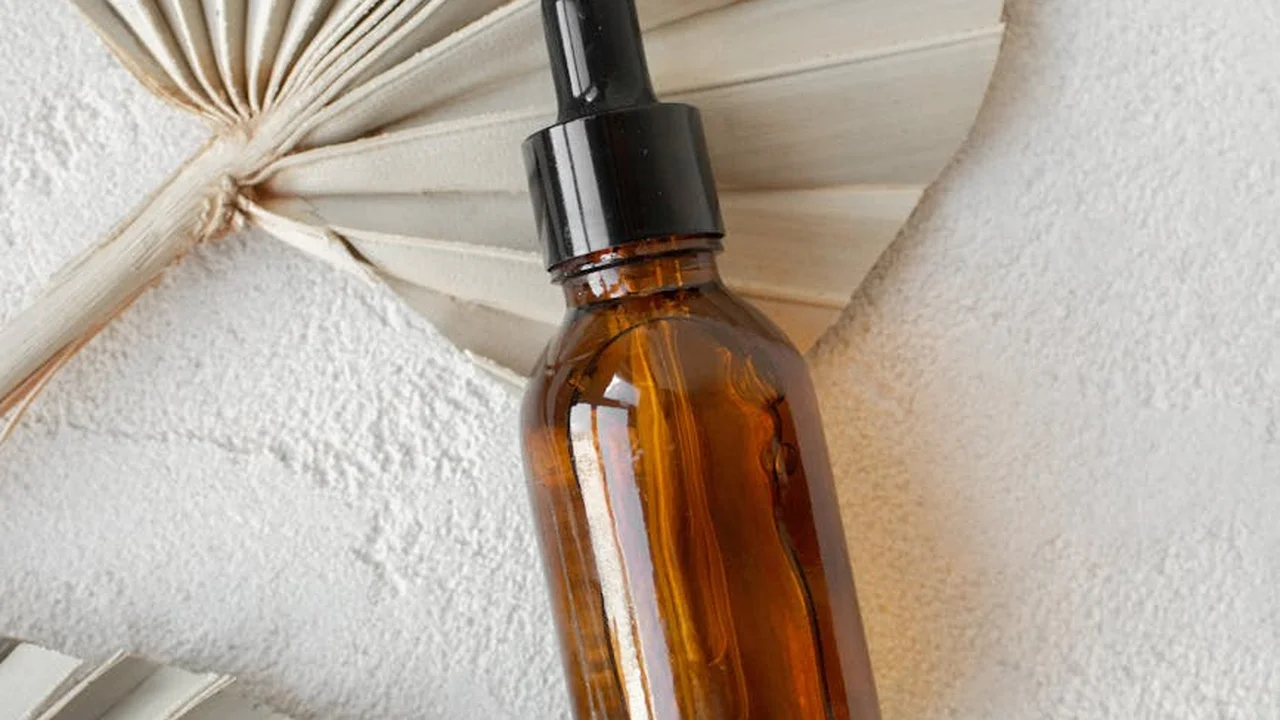
Finding oils locally is exciting. I love the thrill of the hunt. But before you buy, run through this quick list. It takes just a moment and saves you from disappointment or worse.
Think of these as your non-negotiable filters for any bottle you pick up.
1. Read the Label Like a Pro
Your first glance should be at the label. This is where brands show their cards.
For any essential oil, the Latin botanical name must be listed. Seeing “Lavandula angustifolia” instead of just “lavender” tells you it’s the true, gentle English lavender you want for skin. Common names are vague. On my shelf, the bottles with clear Latin names are the ones I trust.
Next, look at the bottle itself. Essential oils must be in dark glass, usually amber or cobalt blue. Clear plastic or glass is a major red flag. Light breaks down the delicate compounds, turning your vibrant oil dull and ineffective. It’s like putting fine wine in a clear bottle.
For carrier oils, the word “pure” is key. Jojoba, sweet almond, or fractionated coconut oil should be unscented and cold-pressed if possible. A pure carrier oil feels silky and has a mild, nutty or neutral scent, not a perfumed one. It’s the blank canvas for your aromatic creations.
2. The Non-Negotiable Skin Test
Never skip this step. Even if an oil is pure, your skin might disagree.
First, dilute one drop of the essential oil in a teaspoon of your carrier oil. Mix it well. Dab a small bit of this blend on your inner forearm. Cover it with a bandage and leave it for 24 hours.
If you see any redness, itching, or swelling, wash the area gently and do not use that oil on your skin. This simple test has saved me from reactions to lovely-sounding oils that my skin just couldn’t handle.
3. Know Your Audience and Their Limits
Oils that are fine for you might not be safe for everyone in your home. Always pause and research.
Many common oils like tea tree or eucalyptus can be risky for pets. Cats are especially sensitive. For children and during pregnancy, extra caution is needed. Dilution ratios change. I keep a well-thumbed reference book by my mixing station just for these special cases. A quick check brings peace of mind.
4. Respect the Power of “Natural”
This is the most important mindset shift. A label that says “natural” or “pure” is not a safety guarantee.
Essential oils are highly concentrated plant compounds. Using them undiluted on your skin is like applying a botanical chemical burn, even with something as calming as lavender. Always mix them into a carrier oil, lotion, or diffuser. “Natural” means powerful, not automatically gentle. Treat these oils with the respect they deserve.
Bringing It Home: Simple First Steps with Your Local Finds
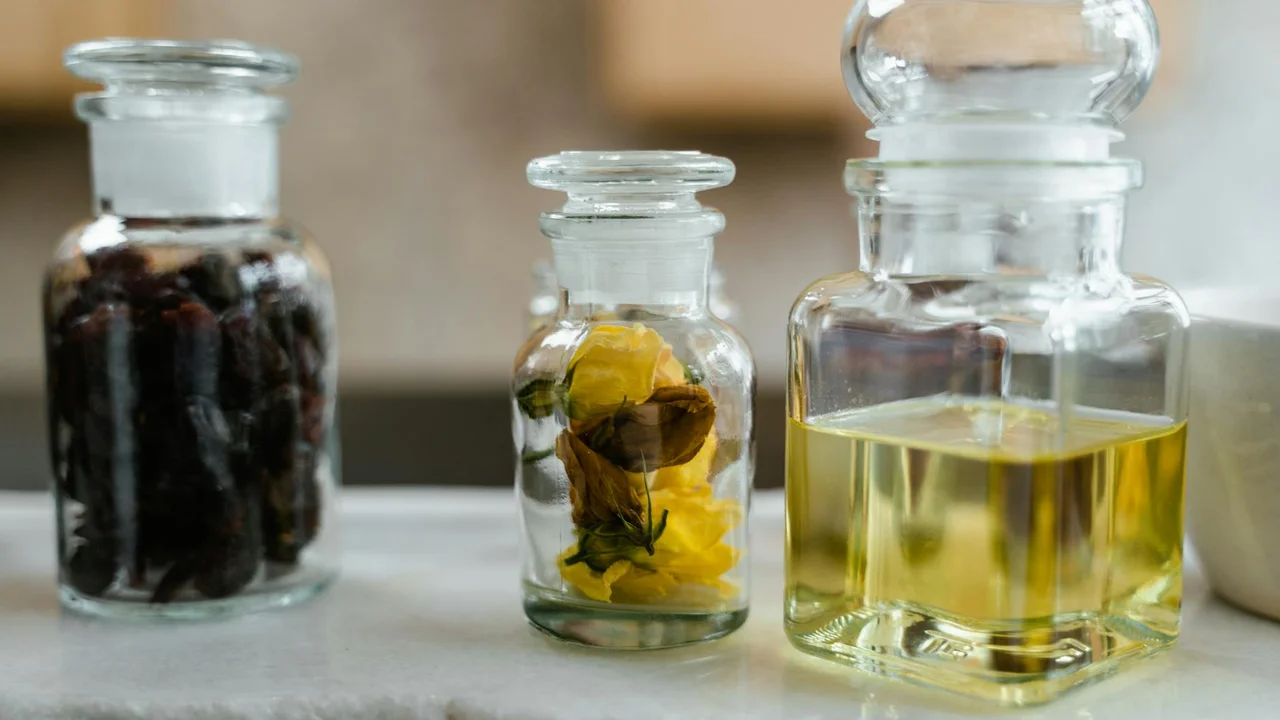
You have your first bottle. It feels good in your hand. Now, let’s make something with it.
Starting with a simple project builds confidence. It connects you to the oil in a way just reading a label never could.
Your First Five-Minute Room Spray
This is my favorite welcome-home ritual. You need a clean spray bottle, distilled water, and one essential oil you liked from the store.
If you found a bright citrus like lemon or wild orange, that’s perfect for the kitchen. A floral like lavender or chamomile is lovely for a bedroom.
- Fill your 4-ounce spray bottle almost to the top with distilled water.
- Add 15-20 drops of your single essential oil.
- Shake well before every use and spritz into the air.
The beauty of this spray is its simplicity and immediate reward-you transform the feel of a room in seconds. I keep a lemon-scented one by my kitchen sink year-round.
A Gentle Serum for Your Skin
Using oils on your skin requires care. You must always dilute a potent essential oil in a mild carrier oil.
That bottle of jojoba or sweet almond oil you found is perfect for this. For a facial serum, a 1% dilution is safe and effective for most adults.
- Get a 1-ounce glass dropper bottle.
- Fill it nearly full with your carrier oil.
- Add 6 drops of your chosen essential oil. For calm skin, try lavender. For a clarifying blend, tea tree is a classic.
- Cap it, roll it between your palms to mix, and do a patch test on your inner arm first.
This 1% ratio is a trustworthy rule of thumb for daily use on the body; it keeps things supportive, not overwhelming. You can apply a few drops of this blend after cleansing.
The Joy of a Single Oil
You do not need a cabinet full of bottles to begin. In fact, I recommend against it.
Pick one oil whose scent truly speaks to you. Take it home. Put a few drops in a diffuser with water and just live with it for a week. As you settle in, consider which oils are best and safest for your diffuser. This helps you explore aromatherapy with confidence.
Notice how the scent of peppermint sharpens your focus in the afternoon. See if a drop of cedarwood on your wool dryer balls makes your laundry smell like a forest. Starting with a single oil lets you learn its personality and how it fits into your life before you invite more in.
Your Journey, Your Pace
My own shelf took years to build. It started with a bottle of lavender from a co-op and some almond oil from the pharmacy.
Some oils you will love and use up quickly. Others might sit for a while until you find their purpose. That is completely normal.
This practice is deeply personal, and your collection should reflect only what brings you comfort and utility. There is no finish line. Enjoy the simple act of adding a single, beautiful scent to your day.
Common Questions
Is there an actual DoTerra store near me?
DoTerra primarily operates through independent Wellness Advocates, not traditional retail stores. Your best bet is to use their official “Find a Wellness Advocate” tool to connect with a local consultant who may host events or offer local pickup.
Can I just find DoTerra oils on the shelf at my local health food store?
Typically, no. DoTerra oils are sold through their network of advocates, not directly to other retailers. However, many health stores carry other reputable essential oil brands you can examine and purchase right away.
What’s the difference between a “distributor” and a “Wellness Advocate”?
For you as a buyer, they are the same thing-an independent person running their own DoTerra business. “Wellness Advocate” is DoTerra’s official term for their consultants who can provide product, guidance, and local support.
If I search for “DoTerra jobs near me,” will that help me find oils to buy?
Not directly. Those results are for business opportunity seekers. To simply purchase oils, refine your search to “DoTerra Wellness Advocate near me” or use the official company locator to find a seller.
Are prices different when buying from a local Advocate versus online?
The product price is standard, but buying locally can save you shipping costs and time. Some Advocates may also offer personalized service or samples, which adds value to your local purchase.
Rooting Your Wellness in Local Sources
When you look for oils close to home, always choose a retailer who can tell you exactly where and how their oils are sourced. This simple step is the best way to guarantee the purity and potency of the oils you’ll use on your skin, in your hair, and throughout your living space.
I share more trusted, personal recipes and routines right here on the blog. Your own senses are your best guide-have confidence in them as you blend oils for your body and home.
Expert Resources and Citations
- doTERRA Pure Essential Oils – Walmart.com
- Where to Buy Essential Oils | doTERRA Essential Oils
- Amazon.com: Doterra Essential Oils
- Shop Products | doTERRA Essential Oils
Noemi Kamińska
Noemi is an accomplished wellness researcher, nutrition care guide and body care expert. She has years of experience in formulating various oil combinations for full body wellness including face, hair, body care, essential oils and cooking oils. She works as a bio-formulator working with oil chemistry and analyzing the best formulations when it comes to your needs. Feel free to reach out to get your oil needs sorted.