
What Are the Best, Safest, and Right Essential Oils to Put in an Aromatherapy Diffuser?
Choosing oils for your diffuser can feel overwhelming, with so many bottles promising different things. Your diffuser should be a source of calm, not confusion, and picking the right oils is simpler than you think.
My main advice is to match the oil to your moment, always dilute it properly, and choose quality over fragrance. In this guide, I’ll cover:
- How to pick oils for relaxation, focus, and freshness
- Critical safety rules for kids, pets, and your own health
- Simple steps for creating balanced, effective blends
- My go-to diffuser recipes I make at home
Key Takeaways: Your Quick-Start Guide
Start with Pure, Steam-Distilled or Cold-Pressed Oils
Think of your diffuser as a tiny, delicate lung for your room. You want to give it only the cleanest, purest plant essences to breathe out. Pure essential oils are captured through careful processes like steam distillation or cold pressing, which preserve the plant’s beneficial compounds. The bottle should say “100% Essential Oil” and list the plant’s Latin name, like *Lavandula angustifolia*.
Fragrance oils are synthetic scents made in a lab. They smell nice, but they can gunk up your diffuser with sticky residues. More importantly, they don’t offer the subtle wellness support that real plant oils do.
Always Prioritize Dilution and Intermittent Diffusing
More oil is not better. Aromatherapy works in subtle ways. I recommend diffusing for 30 to 60 minutes at a time, then taking a break for at least that long. This gives your nervous system a chance to respond without becoming overwhelmed.
For a standard 100ml water reservoir, 3 to 5 drops of essential oil is often plenty. I start with just 2 drops of something potent like peppermint. If you have little ones, pets, or anyone with sensitivities in your home, this gentle approach is non-negotiable. Good ventilation is your friend, especially when using essential oils in a diffuser.
A Small, Versatile Collection Covers Most Needs
You don’t need a huge cabinet to get started. With just four or five bottles, you can create blends for relaxation, energy, clean air, and comfort. My own shelf always has these workhorses.
- Lavender: The calming classic. I use it to soften the sharp edges of a long day.
- Lemon: Bright and clarifying. It makes the whole house smell like a clean sunbeam.
- Peppermint: A clear-headed, cooling wake-up call for tired afternoons.
- Tea Tree: My go-to for clearing the air when someone is feeling under the weather.
- Sweet Orange: Pure, cheerful warmth. It blends beautifully with almost everything.
Your Nose and Your Situation Are the Best Guides
The “best” oil is the one that feels right for you in the moment. If a scent is pleasant and calming to you, it is already doing its job. Trust that instinct.
Your situation matters too. Choose grounding woods like cedarwood for evening wind-downs. Pick that bright lemon for a morning kitchen clean-up. Your needs change, and your oil choices can gently shift with them.
The Heart of the Matter: What Makes an Oil “Diffuser-Safe”?
When I talk about a “diffuser-safe” oil, I mean it’s both safe for you to breathe and safe for your machine to process. A true essential oil is a volatile aromatic compound, meaning it’s light enough to evaporate and disperse easily into the air. This is what your ultrasonic diffuser is designed to handle.
The Purity Principle: Steam, CO2, and Cold Pressing
Pure essential oils for diffusing are typically extracted via steam distillation (for leaves and flowers) or cold pressing (for citrus peels). Some are captured with CO2 extraction, a method that preserves more of the plant’s character. These methods yield a clean, concentrated oil free from heavy carriers or synthetic additives that can leave behind a film. That clarity is key for both the diffuser’s mechanism and your lungs.
Why Fragrance Oils and Absolutes Don’t Belong
Fragrance oils are often suspended in thick, synthetic carriers. They can coat the inside of your diffuser, leading to clogs and a shortened lifespan. Absolutes, like jasmine or rose, are extracted with solvents and can be very thick and potent. While beautiful for perfumery, absolutes are generally too dense and precious for everyday diffusing and are better used in minute amounts in skin blends.
100% Pure Means Trustworthy Results
Using an unadulterated oil isn’t just about machine upkeep. The subtle, therapeutic benefits of aromatherapy come from the complex, natural chemistry of the whole plant essence. A diluted or altered oil might smell similar, but it won’t work the same way on your mood or your environment. I look for suppliers who provide GC/MS reports (a test of purity) because that transparency builds real trust.
Not All Oils Are for the Air: A Quick Contrast
It helps to remember the different roles oils play. Carrier oils, like jojoba or sweet almond oil, are nourishing, fatty oils from nuts and seeds. A quick comparison of jojoba, almond, and coconut carrier oils can help you choose which to use for diluting essential oils. These are meant to dilute essential oils for safe application on your skin or hair, not for your diffuser water tank. Putting a carrier oil in your diffuser will create a cloudy, oily mess. Keep the carriers for your body and the essential oils for your air.
Your Core Collection: Must-Have Essential Oils for Diffusing
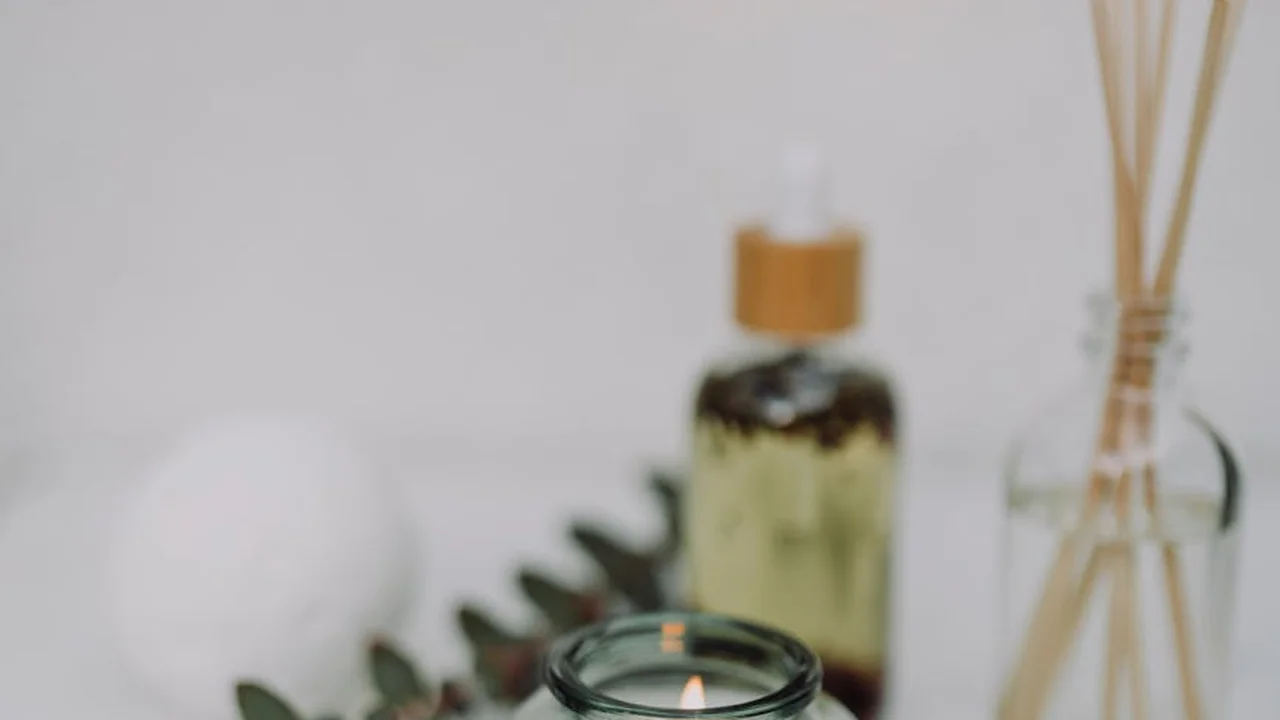
Starting your collection can feel overwhelming. I keep a small wooden box on my apothecary shelf for just this purpose.
These five oils form a perfect starter kit that answers most requests for the best diffuser oil scents for your home. If you’re weighing essential oils vs fragrance oils and how carrier oils affect scent, this kit also sets up a quick comparison of top brands and the best aromas for aromatherapy.
- Lavender: Floral-herbal. Use for relaxation.
- Sweet Orange: Bright citrus. Use for an uplifting mood boost.
- Peppermint: Crisp and minty. Use for mental clarity and freshening the air.
- Eucalyptus Radiata: Clear, camphorous. Use for clearing the senses.
- Tea Tree: Medicinal, fresh. Use for purifying the atmosphere.
Consider adding a drop of Frankincense or Cedarwood later for a grounding, luxurious depth to your blends.
With just these bottles, you can handle evening relaxation, morning wake-ups, and everything in between.
Lavender: The Universal Calm
Its scent is a soft blend of sweet flowers and dry herb stems. I find it instantly recognizable and soothing.
On my busy days, I diffuse it in the evening to signal to my body that it’s time to wind down. This is my first choice for any stress relief blend, often paired with a citrus or woody oil.
I keep a bottle right by my bedside diffuser for those nights my mind just won’t quit.
Sweet Orange: The Happy Reset
The aroma is like peeling a perfectly ripe orange in a sunlit kitchen. It cuts through mental fog and any lingering stale odors.
I use it in my morning diffuser blend to start the day with a smile. It’s also my go-to for clearing the air after cooking, erasing smells of garlic or fried food without chemicals.
A few drops of this can completely transform the energy of a room from dull to bright in minutes.
How to Choose Essential Oils for Your Diffuser: A Situation-Based Guide
Think about how to choose essential oils for your diffuser like picking an outfit for the day. You select based on the situation, your mood, and the environment you want to create. It’s also important to know how to use them properly in your diffuser.
Here’s my simple, situation-based guide to solving those daily aromatic puzzles.
For Quieting a Busy Mind at Bedtime
When thoughts are racing, your olfactory sense needs a gentle signal that it’s time to power down. The best diffuser oils for sleep are often soft, herbaceous, and grounding.
I reach for Lavender for its classic calming whisper, Cedarwood for its deep, woody hug, or Roman Chamomile, which smells like sweet apples and peace. On my own bedside shelf, I keep a ready-made blend of these.
Try this simple bedtime blend in your diffuser: add 3 drops of Lavender and 2 drops of Cedarwood to your water tank. This combination has never failed to soften the edges of a hectic day for me.
For Clearing the Air & Easing Breath
This is about creating a fresher, more open atmosphere, especially when rooms feel stale or close. Eucalyptus Radiata is my top pick because it’s a little softer than other varieties. Peppermint brings a crisp, cooling lift, and Rosemary has a clear, herbaceous punch that just feels clean.
Diffusion works on the ambiance of a room and your mood, not as a direct medical treatment. For that scratchy, tickly feeling that makes you cough, breathing in this freshened, minty air can feel soothing. It’s a gentler approach than applying oils directly to your chest.
For a Warm, Welcoming Home (Especially for Guests)
This is where scent becomes an act of hospitality. You want a fragrance that feels inviting and comforting the moment someone steps inside. Think about the best diffuser oil scent for home as a warm, non-verbal hello.
Cinnamon Leaf (less intense than Cinnamon Bark), Clove Bud, and woodsy oils like Pine or Fir create that instant feeling of a cozy gathering. With spicy oils like cinnamon or clove, one single drop is often plenty in a blend. They are powerful and can overwhelm a space quickly. I learned this after making my living room smell like a candy factory for eight straight hours!
For a Masculine or Earthy Vibe
Some people simply prefer scents that are less floral and more grounded. The best diffuser oils for men, or anyone drawn to this profile, are usually rich, dry, and complex.
Vetiver is the ultimate earthy scent, like damp, rich soil and roots. Sandalwood is creamy, woody, and subtly sweet. Bergamot is a fantastic bridge; it’s a citrus, but with a deep, almost smoky floral note that keeps it from being too bright. These deeper oils create a stable, anchoring aroma that can define a space. I love using them in my study.
The Non-Negotiables: Diffuser Safety for People and Pets
Diffusing seems simple, but it introduces oils directly into the air you breathe. Your lungs absorb molecules quickly, which is powerful for wellness but means you must be more selective than with a skin application. Some oils are simply too intense or irritating for respiratory tissues, especially over time.
Oils to Leave Out of Your Diffuser
My rule is simple: if an oil needs significant dilution for skin, think twice before diffusing it broadly. I keep these off my diffuser shelf.
- Wintergreen and Birch: These are very high in methyl salicylate, a compound that can be overwhelming and risky when inhaled in enclosed spaces.
- Most “Absolute” Florals: Oils like jasmine or rose absolute are often solvent-extracted. They are beautiful but dense, and can leave a heavy residue in your diffuser and lungs.
- Strongly Oxidized Oils: Any oil that smells “off”-sour, flat, or like turpentine-should not be used. Old citrus oils are common culprits.
- Undiluted “Hot” Oils: I never diffuse oregano, thyme, or cinnamon bark neat. If I want that spicy note, I use one drop in a large blend with milder oils.
A Special Note on Pets
Animals process scents differently than we do. Their systems are smaller and more sensitive. When in doubt, diffuse in a room your pets do not frequent, with the door closed and a window cracked. Always provide an escape route to fresh air.
For Cat Households
Cats lack a specific liver enzyme. This makes phenols and monoterpene hydrocarbons problematic. I do not diffuse tea tree, citrus, pine, spruce, or peppermint if my cat is in the room. Her water bowl is always in a diffuser-free zone so she has a scent-free retreat.
For Dog Households
Dogs are often more robust, but brachycephalic breeds (like pugs or bulldogs) are extra sensitive. Short, intermittent diffusing sessions (30 minutes max) with gentle oils like lavender or frankincense are my go-to. I watch for any signs of discomfort, like sneezing or leaving the room.
For Bird Owners
Birds have extremely delicate respiratory systems. The safest practice is to not diffuse essential oils at all in a home with birds. Their air needs to be as pure as possible. I keep my diffuser and all oil bottles in a completely separate, well-ventilated studio.
Pregnancy, Infants, and Sensitive Individuals
When you or a family member are in a more vulnerable state, gentle diffusion is key. Always err on the side of shorter durations and greater dilution-one or two drops in water is often plenty.
For pregnancy, I stick to mild, comforting scents like mandarin or sweet orange, and always after the first trimester. It is a good practice to consult with your healthcare provider, as they know your personal history best.
For young children and infants, the diffuser should be out of reach and used minimally. I only diffuse gentle hydrosols or a single drop of lavender in a large room for a brief time when my niece visits. For anyone with asthma or respiratory sensitivities, start with the diffuser running in an adjacent empty room to see how the scent travels before using it in a shared space.
The Practical Rhythm: How Much, How Long, and How to Care for Your Gear
How many drops should you use? For a standard diffuser with a 100ml water tank, I stick to 3 to 5 drops total. This range is your golden rule for creating a supportive atmosphere without wasting precious oils.
Always start low. I often begin with just 2 drops in my own bedroom diffuser. You can add another drop later if you want more scent, but you can’t remove it once it’s mingling with the water. A subtle whisper of aroma is often more effective than a shout.
Keep your diffusion sessions short. Aim for 30 to 60 minutes on, then turn it off for at least an hour. This break gives your nervous system a chance to integrate the benefits and prevents your sense of smell from getting tired.
Cleaning your diffuser weekly is a must. Oils can leave a sticky film and stagnant water invites mold. On my shelf, I keep a dedicated bottle of white vinegar for this simple, effective clean. Here is my routine:
- Unplug the diffuser and pour out all the water from the tank.
- Fill the tank halfway with clean, cool water.
- Add one tablespoon of plain white vinegar and let it sit for 5 minutes.
- Use a soft cotton cloth or swab to wipe the entire interior.
- Rinse the tank thoroughly with fresh water and let it air dry completely before next use.
That’s all it takes. A clean diffuser ensures every scent you love comes through clear and true, time after time.
From My Apothecary Shelf: Simple Blends You Can Trust
The real magic happens when you start blending. On my own shelf, I keep small amber bottles of these pre-mixed combinations ready to go. They solve specific moods. Start with these.
For Monday Morning Focus
This blend cuts through brain fog without the jitters of another cup of coffee. It feels clean and sharp.
- 3 drops Sweet Orange
- 2 drops Rosemary
- 1 drop Peppermint
The aroma is a bright, herbaceous citrus that wakes up your senses and helps concentration feel effortless. I use this one at my desk when I need to tackle my inbox.
After-Work Decompress
This is my reset button. It helps shed the day’s tension and quiet a busy mind.
- 3 drops Lavender
- 2 drops Frankincense
- 1 drop Cedarwood (Atlas)
This creates a deeply grounding, soft woody fragrance. The lavender soothes immediate stress while the frankincense and cedarwood promote a sense of peaceful stability. It turns my living room into a calm sanctuary.
Cozy Weekend Vibes
This blend is for slow mornings, reading, or quiet conversation. It’s warm and comforting.
- 2 drops Cinnamon Bark (diluted in 1 tsp carrier oil in the diffuser well first)
- 2 drops Sweet Orange
- 1 drop Clove Bud
Always dilute warming spices like cinnamon directly in a little carrier oil before adding to the diffuser to prevent skin or mucous membrane irritation. The scent is like a gentle hug-spicy, sweet, and profoundly comforting.
Clear Breathe Easy Blend
When the air feels stuffy or seasons change, this blend helps open up the airways.
- 2 drops Eucalyptus Radiata
- 2 drops Lavender
- 1 drop Lemon
Eucalyptus Radiata is milder than other types, making it a great choice for home use. This combo is fresh, slightly camphorous, and gently clarifying without being overpowering. It makes the whole room feel fresher.
Making the Blends Your Own
These recipes are your starting point, not a strict rulebook. Trust your nose and adjust one drop at a time based on what smells good and feels right to you. If a blend feels too sharp, add a drop of lavender or cedarwood to soften it. If it’s too flat, a drop of citrus can lift it. The oils on your core list are versatile friends that play well together. Experimentation is how you find your personal signature scent for home and wellness.
Navigating Common Questions and Online Chatter
I see a lot of the same questions pop up in forums and comments. It’s natural to seek recommendations. Let’s sift through the noise together.
When people ask about the best diffuser oils on Reddit or Amazon, the same names often surface. Lavender, eucalyptus, and sweet orange are perennial favorites for good reason. Rather than chasing a trending list, I look for a shortlist of versatile, gentle oils that you can use in many ways. A high-quality lavender from a reputable supplier is a better investment than a cheap “relaxation blend” with a catchy name.
If you’re looking at a popular brand like doTERRA and wondering which of their oils to diffuse, my advice is to think in families, not labels. A good peppermint oil from any trustworthy company will feel bracing and cool. A genuine wild orange will smell bright and cheerful. The best starter kit isn’t branded-it’s a collection of classic scents that serve different moods and needs for your home. My own shelf holds a crisp peppermint for focus, a grounding frankincense for quiet evenings, and a cheerful lemon for kitchen clean-ups.
For my friends in the UK searching for the best diffuser oils, you have fantastic options. Many of the major reputable suppliers ship internationally, and several UK-based distilleries and importers offer incredible quality. Look for companies that provide clear botanical names and country of origin on their bottles.
A common worry I hear is about safety for pets and kids. This is crucial. Always research an oil’s specific safety before diffusing it around little ones or furry family members. Some oils, like peppermint and eucalyptus, should be used with great caution around young children. For pets, especially cats, it’s wisest to diffuse only in well-ventilated areas they can leave, and avoid certain oils altogether. There’s a pet-focused guide on diffusers around dogs and cats you can reference for practical safety tips. It covers which oils to avoid and how to diffuse when pets are present. When in doubt, skip the diffuser and enjoy the scent on your own skin instead.
Finally, let’s talk about blends. It’s tempting to buy a pre-made “stress relief” or “energy” blend. Sometimes they’re lovely. But I encourage you to start with single oils. Learn how citrus lifts your own spirit. Feel how cedarwood settles your space. Mixing your own simple blends-just two oils at first-becomes a personal practice, not just a product purchase. My current favorite is a drop of geranium with two drops of sweet orange. It makes my living room smell like a sun-drenched garden.
Recommended Products: Curating Your Starter Kit
Let’s build a small, powerful collection you will actually use.
Focus on quality over quantity, and you will have everything you need for months of beautiful diffusing. I learned this the hard way, staring at a shelf of unopened bottles I bought on impulse.
Categories to Look For
Instead of brand names, look for these descriptions on the bottle’s label. They tell you about quality and how the oil was made.
- A certified organic Lavender (Lavandula angustifolia) oil from France or Bulgaria.
- A steam-distilled Eucalyptus (Eucalyptus radiata) oil from Australia.
- A cold-pressed Sweet Orange oil, clearly marked for aromatherapy use.
- A properly distilled Tea Tree (Melaleuca alternifolia) oil with a clear, sharp scent.
- A resinous Frankincense (Boswellia carterii) oil that feels like a warm, woody hug.
Your Five Scent Family Foundation
Think of building a wardrobe. You start with classic pieces that mix and match well. Your oil kit should work the same way.
Invest in one exceptional oil from each of these core families, and you can create an endless variety of blends.
- Floral: Lavender. It is the gentle cornerstone. My own bottle sits right by my bedside diffuser for calm evenings.
- Citrus: Sweet Orange or Grapefruit. These are like sunshine in a bottle. They instantly lift the mood in any room.
- Mint: Peppermint or Spearmint. Incredibly clarifying. One drop in a blend makes the air feel crisp and clean.
- Evergreen: Fir Needle or Scotch Pine. These smell like a peaceful forest walk. They ground a busy mind.
- Resinous: Frankincense. Deep, contemplative, and perfect for moments when you need to slow down and breathe.
The Power of a Small Collection
A few bottles you love and trust are worth more than dozens you ignore.
You learn their personalities. You discover how two drops of orange and one drop of fir needle transforms your home office. Mastering a handful of oils builds confidence and makes your practice part of daily life, not a complicated hobby.
Start with these five. Let them become familiar friends on your shelf.
Your Questions, Answered
What are the best essential oils for a masculine or earthy scent profile?
Focus on rich, dry oils like vetiver, sandalwood, and bergamot. These create a grounded, complex aroma that’s less floral and more anchoring.
Can essential oils in a diffuser help with a dry cough?
Oils like eucalyptus and cedarwood can soothe the *feeling* of a tickly throat by creating a moist, calming atmosphere. Always prioritize hydration and proper medical advice for a persistent cough.
I see doTERRA oils recommended often. Are they the best for diffusing?
Quality matters more than brand; look for purity and botanical names on any label. A genuine, 100% pure peppermint or lavender from any trustworthy supplier is what your diffuser needs.
What essential oils are most popular on Reddit and Amazon forums?
Lavender, eucalyptus, lemon, and peppermint are consistently praised for good reason-they’re versatile and effective. Use these community favorites as a starting point, but let your own nose guide your final choice.
Blending with Confidence and Care
The most important rule is to always respect the potency of essential oils by diffusing them safely and sparingly. Let quality and your personal response guide every blend you create for your home, especially when choosing the best diffuser for your space.
I encourage you to trust this advice and your own growing intuition as you explore oils for body, skin, hair, wellness, and home. You will find more of my own blend recipes and apothecary notes right here on the blog to support your journey.
Research and Related Sources
- Essential Oils: More Harmful Than Helpful? | American Lung Association
- r/ScienceBasedParenting on Reddit: Reading so many conflicting things. When is it safe to use essential oil diffusers around babies/which oils are safest?
- Essential Oil Safety: Avoiding Top 3 Mistakes in Usage | American College of Healthcare Sciences
- Are Essential Oil Diffusers Safe? – Vitruvi US
- Are Essential Oils Safe? 13 FAQ on Ingestion, Pregnancy, Pets, More
- Are Essential Oils and Oil Diffusers Bad for you? – Smart Air
Noemi Kamińska
Noemi is an accomplished wellness researcher, nutrition care guide and body care expert. She has years of experience in formulating various oil combinations for full body wellness including face, hair, body care, essential oils and cooking oils. She works as a bio-formulator working with oil chemistry and analyzing the best formulations when it comes to your needs. Feel free to reach out to get your oil needs sorted.