
Which Cooking Oils Are Healthiest for Your Heart, High Heat, and Nutrient Absorption?
Staring at the wall of bottles in the oil aisle can make anyone’s head spin. After years of blending oils for both my kitchen and my home apothecary, I can tell you that the best choice isn’t one oil-it’s about knowing which one to use and when.
My goal is to give you a practical, real-world guide that moves past the hype and focuses on three key jobs: protecting your heart, standing up to heat, and helping your body get the most from your food.
- Heart-healthy fat profiles explained simply
- Oils that won’t smoke or break down during high-heat cooking
- How to pair oils with foods to boost vitamin absorption
- A peek at the bottles I always keep on my own shelf
Key Takeaways: Your Kitchen Cheat Sheet
Think of this as your go-to guide. Tuck it in your mind for your next grocery run.
For a Happy Heart
- Reach for extra virgin olive oil, avocado oil, and high-oleic canola oil.
- These fats are celebrated for helping maintain balanced cholesterol levels when used in place of saturated fats.
For a Smoke-Free Sizzle
- Grab refined avocado oil or high-oleic safflower oil for searing and frying.
- A high smoke point means the oil stays stable. It won’t break down and create that acrid kitchen smoke.
For Unlocking Nutrients
- Pour extra virgin olive oil over your salads and roasted veggies.
- Its good fats help your body absorb the fat-soluble vitamins A, D, E, and K from your food.
- Toss carrots in olive oil before roasting. Your body will better use their bright orange beta-carotene.
What Makes a Cooking Oil Heart-Healthy?
It comes down to the fats. Picture fat molecules like different shaped building blocks.
Saturated fats are stiff and solid at room temperature, like butter or coconut oil. Monounsaturated and polyunsaturated fats are more fluid and flexible. For your heart, you want more of those fluid, flexible fats.
The Fat Profile: Your Heart’s Guide
Monounsaturated fats are the real standouts. You find them abundantly in olive and avocado oils.
Polyunsaturated fats are also supportive. They include omega-3s, like those in walnut oil, and omega-6s. Swapping solid fats like butter for liquid plant oils is a foundational step for heart health.
This swap can positively influence your cholesterol. It’s about supporting healthy LDL and HDL levels. Think of it as choosing the smoother, more flexible traffic for your bloodstream.
Extra Virgin Olive Oil: The Gold Standard
This is the one I always have on my shelf. Its rich, peppery flavor comes from goodness.
It’s packed with oleic acid, a monounsaturated fat, and powerful antioxidants called polyphenols. These compounds work together to support cardiovascular wellness. Use it for dressings, gentle sautéing, or finishing a dish. Heat can diminish its delicate perks.
Avocado Oil: A Creamy Contender
Pressed from the fruit’s flesh, this oil boasts a fat profile remarkably similar to olive oil.
That makes it another excellent, heart-smart choice. I love its buttery, mild taste. It’s incredibly versatile. You can use it straight from the bottle or take it right up to high-heat searing without worry.
Navigating the Saturated Fat Debate
Oils like coconut and palm oil are higher in saturated fats. In my practice, I suggest using them more like a seasoning than a staple.
They have their place for specific textures or flavors. But for daily heart support, oils like olive, avocado, or canola are more consistent choices. If you ask me ‘is canola oil better than coconut oil?’ for everyday heart health, I would say yes. Its fat profile is more aligned with what most nutrition experts recommend for regular use.
Choosing Oils for High-Heat Cooking Without the Smoke
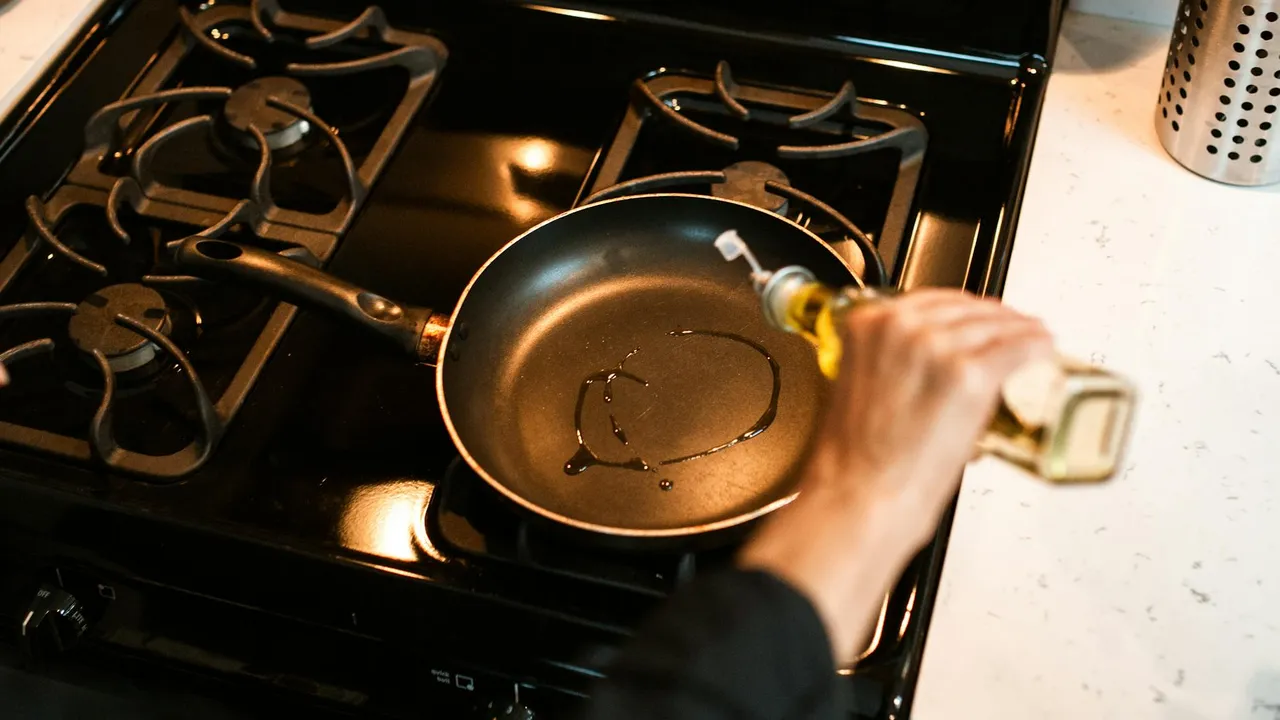
A key idea in my kitchen is the smoke point. Think of it as an oil’s personal temperature limit.
An oil’s smoke point is simply the temperature where it starts to smoke and break down in your pan.
For tasks like frying, searing, and roasting, you need an oil that stays cool under pressure. The best picks combine a high smoke point with a stable, heart-friendly fat profile.
- Refined avocado oil
- High-oleic sunflower oil
- High-oleic safflower oil
- Light/refined olive oil (for moderately high heat)
These oils let you cook with intense heat while still making a choice that’s good for your heart.
Why Smoke Point Matters for Health and Flavor
When you see that wisp of blue smoke, it’s more than a sign to open a window.
Heating oil past its smoke point changes its chemistry, creating free radicals and a bitter, acrid flavor that can ruin your food.
It’s like burning a piece of toast. Once it’s black, you can’t scrape off the change. That burnt taste in your stir-fry? It often starts with an oil that got too hot.
Using an oil suited to your cooking temperature protects both the nutrients in the oil and the taste of your meal.
Refined Avocado Oil: The High-Heat Champion
In my own cupboard, refined avocado oil is the go-to for my most intense cooking. Its smoke point is remarkably high, around 520°F. I compare its performance for high-heat frying with oils like olive, coconut, canola, ghee, butter, and tallow.
This makes it my perfect choice for deep-frying crispy foods, getting a serious sear on a steak, or roasting vegetables at the highest oven temperature.
This brings us to a common question: is avocado oil better than canola oil for frying? For high-heat stability, yes. Canola oil has a lower smoke point (around 400°F for refined) and contains more polyunsaturated fats, which are less stable under prolonged heat. Avocado oil’s high monounsaturated fat content makes it the more resilient choice.
High-Oleic Sunflower or Safflower Oil
These are fantastic, neutral-flavored workhorses. Look for the words “high-oleic” on the label-this is important.
High-oleic oils are specially bred to be much higher in stable monounsaturated fats, giving them a very high smoke point and making them a smarter choice than the regular versions.
I reach for these when I want no competing flavor, like when making homemade potato chips or roasting nuts. They handle all-purpose high-heat cooking beautifully without smoking up the kitchen.
How Cooking Oils Help You Absorb Vitamins
Your body needs a friendly fat to properly take in certain powerhouse nutrients. Think of vitamins A, D, E, and K, or the antioxidant lycopene in tomatoes, as being a bit shy.
They are fat-soluble, which means they dissolve into and travel with fat. Without a little oil present, a lot of these nutrients can pass right through your system unused.
To make the most of this benefit, use your healthy oils in raw or lightly cooked dishes where the nutrients and the oil are consumed together.
The Synergy of Fat and Nutrients
Imagine a simple spinach salad. Those dark green leaves are packed with vitamin E and vitamin K. When you drizzle a little olive oil over the top, you give those vitamins a carrier to help them get to work inside you.
This synergy is one of my favorite kitchen tricks. I use it with roasted carrots for vitamin A and in tomato sauces for lycopene.
You do not need a lot of oil to make this work; just a teaspoon or two with a meal can make a real difference in what your body actually uses.
Extra Virgin Olive Oil for Dressings and Drizzles
Extra virgin olive oil is my top shelf pick for this job. Its profile of mostly monounsaturated fats is perfect for nutrient transport, and its own load of antioxidants adds to the health boost.
It is the oil I grab for nearly all my cold uses. For a classic, heart-friendly dressing, I whisk three parts extra virgin olive oil with one part balsamic vinegar, a dab of mustard, and a pinch of dried herbs.
I keep a small bottle of this mixed on my counter for easy salads and for drizzling over cooked vegetables right before serving.
Unrefined, Nutty Oils for Finishing
Oils like unrefined walnut or flaxseed have a special role. They are rich in delicate omega-3 fats and have lovely, nutty flavors that shine when added at the end of cooking.
I love a swirl of walnut oil over a bowl of butternut squash soup or a few drops of flaxseed oil on steamed greens. A word of caution: these oils are too fragile for heat.
Always add them after cooking is done, as heat will damage their beneficial fats and create a bitter taste.
Because they are so sensitive, I store my bottles of walnut and flaxseed oil in the refrigerator. The cold dramatically slows down oxidation and keeps them tasting fresh and prevents them from going rancid quickly.
Direct Oil Comparisons: Answering Your “Is It Better?” Questions
Let’s get straight to the point. You see different bottles on the shelf and wonder which one to grab. I get it. My own kitchen cabinet has a small collection, each chosen for a specific job. Here’s a clear, side-by-side look at some common match-ups.
Is Canola Oil as Healthy as Olive Oil?
This is like comparing a reliable sedan to a vintage sports car. Both get you where you need to go, but the experience is different.
Both canola and olive oil are champions of monounsaturated fats, which are friendly for your heart. Where they diverge is in their character. A good extra virgin olive oil is bursting with antioxidants and polyphenols-those are the compounds that give it that peppery kick and deep color. Canola oil is much more neutral in taste and has a milder nutrient profile, especially compared to vegetable oils.
In my kitchen, I reach for my best olive oil for finishing dishes, making dressings, or gentle sautéing where its flavor can shine. For raw uses and low-heat, olive oil often has an edge with its bonus antioxidants.
Canola oil, with its higher smoke point, is my go-to for baking, stir-frying, or any time I don’t want the oil to influence the dish’s taste. It’s a workhorse.
Is Canola Oil Better Than Vegetable Oil?
Often, yes. The term “vegetable oil” is vague. It’s usually a blend of oils like soybean, corn, or sunflower.
These blends tend to be very high in omega-6 fats. We need some omega-6s, but most of us get too many compared to omega-3s. This imbalance can stir up inflammation in the body over time.
Canola oil has a better balance. It’s lower in saturated fat and has a more favorable omega-6 to omega-3 ratio than most generic vegetable oil blends. For everyday frying and baking, choosing canola oil over a generic vegetable oil blend is a simple, smarter step for your fat intake. If you’re ever out of canola oil, you can find suitable substitutes for cooking and baking.
I cleared out the old bottle of “vegetable oil” from my pantry years ago. Now I know exactly what I’m cooking with.
Is Canola Oil Better Than Sunflower Oil?
It depends on the type of sunflower oil. This is a crucial detail many bottles don’t make clear.
Regular sunflower oil you commonly see is very high in omega-6 linoleic acid. Using it as your primary oil can tip your dietary scales toward inflammation.
Look for bottles labeled “high-oleic” sunflower oil. This type is bred to be rich in stable monounsaturated fats, much like olive and canola oil. It’s excellent for high-heat cooking.
For heart health, high-oleic sunflower oil and canola oil are comparable and better choices than the standard linoleic sunflower oil.
If your bottle just says “sunflower oil,” assume it’s the high-omega-6 kind. Save it for occasional use and pick high-oleic or canola for daily searing and roasting.
What Helped Me: Wisdom from My Home Apothecary
My kitchen shelf used to look like a confusing oil shop. I had bottles for everything: fancy finishing oils, a grapeseed oil I only used once, and a mysterious nut oil hiding in the back. It felt wasteful and overwhelming.
I realized I was choosing oils based on recipes, not on what my body or cooking actually needed. So I cleared the clutter, just like I do with my herbal tinctures. I kept only what I truly used and loved.
This small act of organization changed my whole cooking mindset. It moved me from confusion to clarity. Now, my oils have a purpose, and I feel confident using them.
My Three-Bottle Solution for 90% of Cooking
From my workbench to my stovetop, simplicity wins. I found that three core bottles handle almost every task.
- A bottle of good extra virgin olive oil for dressings and light sautéing. Its rich, peppery flavor is full of polyphenols that are great for your heart.
- A bottle of refined avocado oil for searing and frying. It has a very high smoke point, so it stays stable when the pan gets really hot.
- A bottle of organic, high-oleic canola oil for baking and when I need a neutral taste. It’s light and doesn’t fight with other flavors.
This simple trio takes the guesswork out of cooking and ensures I’m using a fat suited to the job, both for my health and for the food’s quality. I think of them like my base notes in a blend: reliable, supportive, and foundational.
A Simple Ritual for Better Salad Nutrition
Fat helps your body absorb the fat-soluble vitamins (like A, D, E, and K) in all those beautiful vegetables. My trick is to make a big batch of dressing every Sunday.
I just whisk together about three parts of my extra virgin olive oil to one part fresh lemon juice. Then I add a tiny spoonful of mustard to help it emulsify and a big pinch of whatever dried herbs are on my shelf-oregano, thyme, or basil.
It takes two minutes. I pour it into a little mason jar and it’s ready for the week. The bright, herbal smell makes me want to eat more greens.
This habit ensures I always have a heart-healthy fat ready to pair with vegetables. It turns eating well from a chore into a simple, flavorful ritual I actually enjoy.
Common Mistakes with Cooking Oils and How to Avoid Them
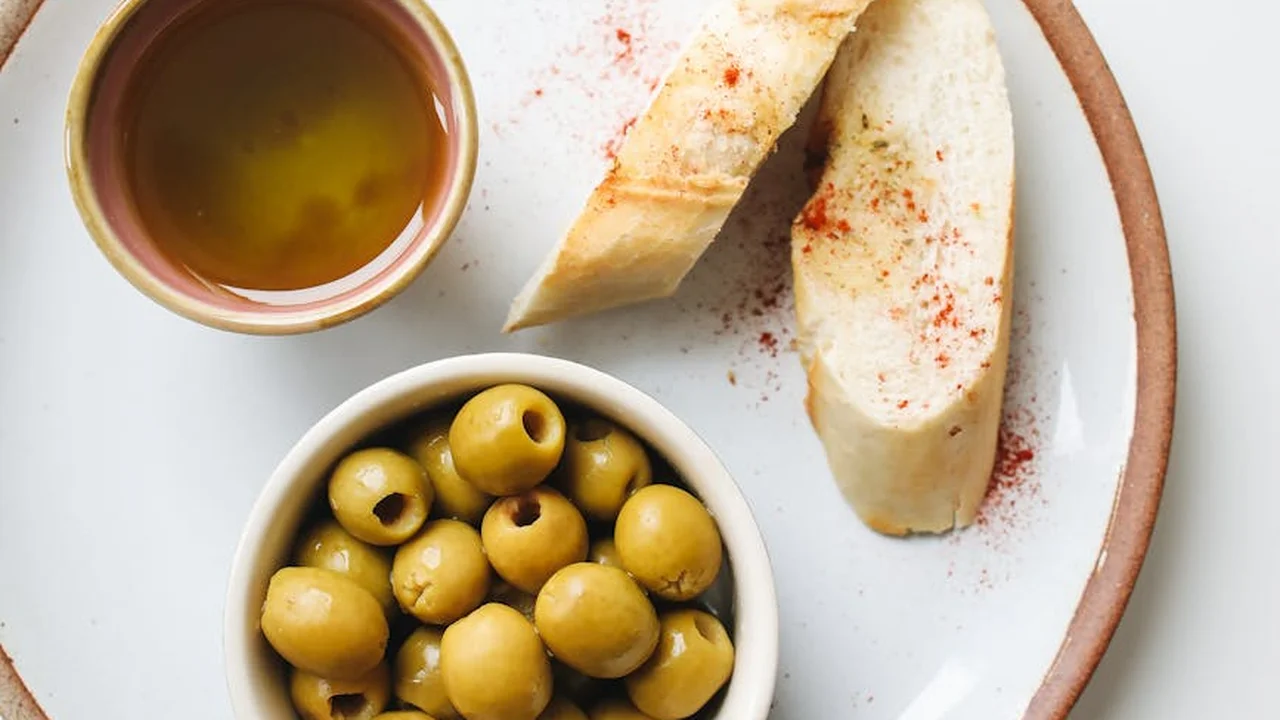
Getting the right oil is only half the battle. How you treat it at home makes all the difference. I see a handful of common slip-ups that can turn a healthy oil into a lackluster one. The good news is they are all easy to correct.
Storing Oil on the Counter or by the Stove
That convenient spot next to the cooktop seems logical. I get it. But constant warmth and light are your oil’s biggest enemies. They speed up oxidation, a process that makes oils go rancid. Rancidity isn’t just about a funny taste; it breaks down the beneficial nutrients and creates free radicals you don’t want in your food.
Think of oil like a delicate herb. You wouldn’t leave fresh basil in the sun. Treat your oils with similar care. Move them to a cool, dark cupboard, away from the oven. For very fragile oils like flaxseed or hemp seed oil, I always use the refrigerator. Yes, they may solidify or turn cloudy, but that’s just a sign they’re protected. A quick sit on the counter returns them to liquid.
Using Expensive Extra Virgin Olive Oil for Everything
That bottle of beautiful, grassy extra virgin olive oil is a masterpiece. Using it to sear a steak is like using a silk scarf to wash your car. The high heat of frying or searing will burn off the delicate flavors and antioxidants you paid for, leaving behind a bitter note. You miss out on its full character and health benefits.
I keep two types of oil ready in my kitchen. My prized EVOO is for finishing touches: a drizzle on soup, a final gloss over roasted veggies, or whisked into a vinaigrette. For the high-heat work, I reach for a refined oil with a high smoke point. Avocado oil or a simple light-tasting olive oil are my dependable choices. They stand up to the pan without smoking or losing their integrity.
Ignoring the Smell of Your Oil
Your sense of smell is a powerful tool. Rancid oil has a telltale aroma that’s hard to miss once you know it. It can smell like old crayons, stale nuts, or wet paint. If your oil smells off or just vaguely unpleasant, it’s past its prime and should not be consumed. Using rancid oil introduces compounds that can undermine your wellness goals.
Make the sniff test a regular habit. Unscrew the cap and take a whiff before you pour. Fresh oil should smell clean and true to its source-nutty, fruity, or grassy. I do this with every bottle in my pantry, especially the ones I use less often. When in doubt, throw it out. Your body will thank you.
How to Shop for and Store Oils Like a Pro
Oils are delicate. They begin to deteriorate from the moment they are exposed to air, light, and warmth.
Your shopping and storage habits directly combat this. Treating oil with care preserves the very compounds that benefit your heart and enhance your food. I keep my cooking oils with the same intention as my skin care blends: to maintain their integrity.
Fresh oil tastes clean and vibrant. Rancid oil smells dull and waxy, and its nutritional profile has faded.
Reading the Bottle: What “Refined” and “Cold-Pressed” Really Mean
These labels describe how the oil was extracted from its source, and it changes everything about how you should use it.
Terms like “cold-pressed,” “extra virgin,” or “first press” mean the seeds or fruits were pressed without high heat. Imagine squeezing olives in a cloth. This gentle method keeps more antioxidants and phytonutrients intact, which is wonderful for nutrient absorption. The trade-off is a more pronounced flavor and a lower smoke point.
I reach for these for dressings, drizzling, or very gentle warming.
“Refined” oils have been filtered and processed, often with heat or chemicals. This removes impurities and neutralizes flavor. Refining creates an oil that can withstand high-heat cooking without smoking, but some protective antioxidants are lost in the process.
In my kitchen, refined avocado oil is for searing, while a cloudy, cold-pressed olive oil is for finishing a soup.
The Golden Rules of Oil Storage
Once you bring a good oil home, these three rules are non-negotiable for keeping it fresh.
- Buy smaller bottles if you don’t use oil quickly. A giant bottle of walnut oil going stale in your cabinet is a waste. I buy specialty oils in amounts I’ll use within a month or two.
- Always secure the lid tightly to limit exposure to air. Oxygen causes oxidation, which makes oil rancid. I screw lids on with the same firm twist I use for my herbal tinctures.
- Consider dark glass or tin containers to block light. Light is a powerful degrader. For my prized oils, like a peppery extra virgin olive oil or expensive sesame oil, I choose bottles in amber, green, or blue glass, or even metal tins.
I store all my oils in a cool, dark cupboard, never next to the stove. Heat accelerates spoilage faster than almost anything else.
Building Your Heart-Healthy Oil Toolkit
Let’s move from theory to your kitchen counter. This final guide helps you apply everything based on what you’re making.
Think of it like my own apothecary, but for cooking. You don’t need every oil, just the right ones for your goals.
For the Heart-Healthy Home Baker
I reach for canola oil or a mild, light-tasting olive oil when I bake. They give muffins and quick breads a wonderfully moist crumb without the saturated fat of butter or shortening.
You can directly swap these oils for melted butter or shortening in most recipes using a 1:1 ratio.
Their neutral profile lets other flavors, like vanilla or banana, shine through. I keep a bottle of organic expeller-pressed canola oil right next to my baking flour.
Crafting Your Signature Healthy Dressings
A perfect vinaigrette is simple magic. My go-to template is three parts oil to one part acid, plus seasoning.
For the oil, choose a flavorful extra virgin olive oil or a creamy, buttery avocado oil. For the acid, try apple cider vinegar, fresh lemon juice, or a good balsamic.
Start with that 3:1 ratio in a small jar. Add a pinch of salt, some cracked black pepper, and a teaspoon of dried herbs like oregano or thyme.
Shake it vigorously until it looks creamy and unified, then taste and adjust. This is where you find your favorite heart-healthy oil and vinegar pair.
Your Weeknight Cooking Strategy
To keep things simple and smoke-free, I suggest a two-oil system right by your stove.
Keep one high-heat oil, like avocado or refined olive oil, for searing and sautéing. Keep one flavor oil, a vibrant extra virgin olive oil, for finishing and lower-heat tasks.
Matching the oil to your pan’s heat is the single best habit for keeping meals healthy, delicious, and smoke-free.
This small switch makes heart-conscious cooking feel effortless, not like a chore.
Your Oil Questions, Answered
What’s the best heart-healthy oil for baking?
For moist muffins and cakes, I recommend a neutral oil like organic canola or light-tasting olive oil. You can swap them 1:1 for melted butter or shortening in most recipes for a heart-friendlier crumb.
Can I use olive oil for frying?
For high-heat frying, a refined oil like avocado oil is better, as it won’t smoke. Save your precious extra virgin olive oil for lower-heat cooking or finishing, where its delicate flavors and antioxidants shine.
What’s a simple heart-healthy dressing formula?
My go-to is three parts extra virgin olive oil to one part vinegar or lemon juice, whisked with herbs. This simple mix helps your body absorb the vitamins from your salad while supporting heart health.
Which single oil is best for everyday heart health?
Extra virgin olive oil is my top-shelf champion for its proven benefits and versatility. Its monounsaturated fats and antioxidants make it the most reliable all-around choice for dressing, sautéing, and drizzling. It also shines in baking and general cooking, bringing moisture and depth to cakes, breads, and savory dishes.
Is avocado oil worth the cost?
For high-heat cooking, absolutely-its high smoke point protects nutrients and prevents smoke. For low-heat uses, a good olive oil often provides more beneficial compounds for your investment.
Stewarding Health from the Pantry Shelf
Your most powerful tool is a mindful selection: use stable, high-heat oils like avocado for cooking and preserve delicate, nutrient-rich oils like extra virgin olive for dressings and drizzles. This intentional pairing safeguards your heart and unlocks the full benefits of your food.
I write regularly about using oils for body, skin, hair, and home, and I welcome you to explore those conversations here. Your kitchen experiments are a perfect start, so trust your instincts as you build routines that feel right for you.
Research and Related Sources
- Healthy Cooking Oils | American Heart Association
- Choosing heart-healthy oils for home cooking – Harvard Health
- Best & Worst Cooking Oils For Your Heart | AMS Cardiology
- Cooking Oil: Types and How To Choose
- Fast facts on fats & heart health – Mayo Clinic Health System
Noemi Kamińska
Noemi is an accomplished wellness researcher, nutrition care guide and body care expert. She has years of experience in formulating various oil combinations for full body wellness including face, hair, body care, essential oils and cooking oils. She works as a bio-formulator working with oil chemistry and analyzing the best formulations when it comes to your needs. Feel free to reach out to get your oil needs sorted.