
How Can Essential Oils Freshen Your Air, Laundry, and Self-Care Spaces?
You might be looking for natural ways to clean your home and enrich your daily rituals. From my own apothecary, I’ve found that a few drops of the right oil can purify air deeply, leave laundry smelling like a meadow, and turn a bath into a calming escape.
This guide covers my trusted, hands-on methods for using oils effectively in key areas of your home.
- Purifying air without harsh chemicals
- Cleaning and scenting laundry with wool dryer balls
- Enhancing saunas, baths, humidifiers, and CPAP machines safely
Key Takeaways: Your Quick Start Guide
Let’s get you started. Here are the safest, most direct ways to use oils in your daily routines.
To Purify Air
Use an ultrasonic diffuser with clean water. Add 3-5 drops of oil total. For a quick fix, add a few drops to a cotton ball and tuck it near a vent.
Dilution is key even here, as your diffuser disperses oil particles into the air you breathe.
To Clean Laundry with Wool Dryer Balls
Add 2-3 drops of oil per wool ball right before you toss them in the dryer. I roll my own wool balls in my hands for a moment to warm and disperse the oil.
This method uses heat to gently scent fabrics without synthetic chemicals.
To Enhance a Sauna
Never pour oil directly on hot rocks. Instead, add 1-2 drops of oil to a small bowl of water on a lower bench. The steam will carry the scent.
For skin contact in a sauna, always pre-dilute your oils in a carrier oil before applying.
To Transform a Bath
Oils and water do not mix. First, blend your drops with a dispersant like full-fat milk, honey, or a tablespoon of a carrier oil. Then swirl this into your bathwater.
This protects your skin from irritation.
For Humidifiers and CPAP Machines
You must use an in-line or external diffuser attachment designed for this purpose. Adding oils directly into the water reservoir can damage the machine and create unsafe, concentrated vapors.
These attachments are small and sit between the machine’s output and you.
Top Oils to Start With
Build your shelf with these versatile, beginner-friendly scents:
- Sweet Orange: My go-to for laundry. It leaves a sunny, clean scent on towels and sheets.
- Lavender: Perfect for baths and bedroom diffusing. It’s a classic for a reason-calming and gentle.
- Eucalyptus Radiata: Clear and bright. I use this in the sauna or diffuser when I want to feel like I can breathe deeper.
- Lime (Cold-Pressed): A zesty, cheerful scent for air purification. A note of caution for skin use, which we’ll cover below.
Common Mistakes and How to Avoid Them
I’ve made some of these errors myself early on. Learning from them saves your gear, your fabrics, and your skin.
Oils in Water Tanks
Pouring essential oils into the water tank of a humidifier or CPAP machine is a common error. The oils can degrade plastic seals and tanks, leading to costly damage.
More importantly, they won’t vaporize correctly. You risk breathing in undiluted oil droplets, which can irritate your lungs.
Always use a dedicated, compatible diffuser accessory placed outside the main unit.
Overdoing Dryer Balls
If your wool balls feel damp or look dark with oil, you’ve used too much. Excess oil can transfer directly onto fabrics, leaving stains.
My rule is 2-3 drops per ball, max. For a large load, using three balls with 2 drops each is more effective than soaking one ball with 6 drops.
Less is truly more here.
Forgetting Photosensitivity
Citrus oils like lime, lemon, and bergamot (cold-pressed) can react with UV light. If you use them in a bath or sauna rinse and then go into the sun, you might get a rash or discoloration.
If you use a photosensitizing oil on your skin, avoid direct sunlight or UV tanning beds for at least 12 hours, especially when using oils designed for tanning and skin care.
For a sunny day, stick to steam inhalation or laundry for those bright citrus scents.
Assuming Diffusers Are Welcome Everywhere
If you live in a dorm or shared apartment, check the policies. Some buildings have strict no-diffuser rules because the scent can travel through ventilation and affect others with allergies or sensitivities.
It’s a matter of respect. A personal inhaler or a cotton ball in your own space are good, discreet alternatives.
Fresh Air: How to Purify Your Space with Essential Oils
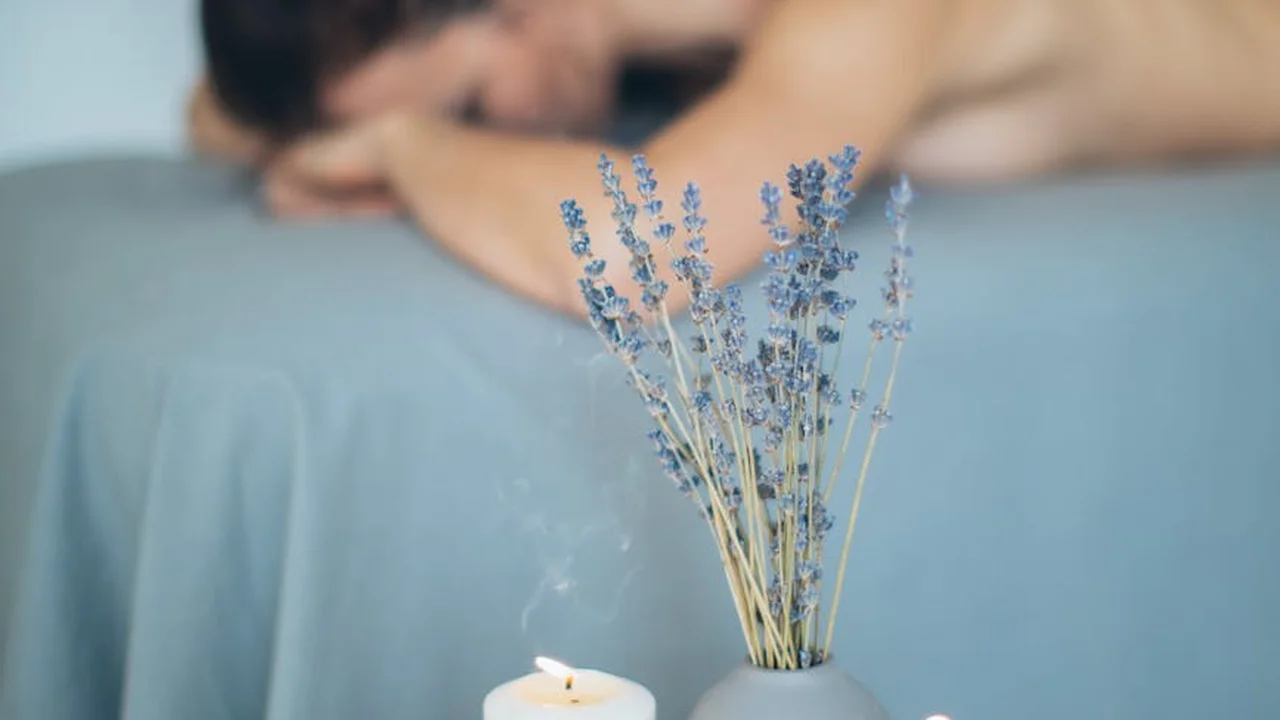
I have three main ways I freshen the air in my home, and each has its own rhythm.
Ultrasonic diffusers are my everyday go-to. They use water and vibration to send a fine mist into the room. This method is gentle and adds a bit of moisture, which I appreciate in my dry studio.
Reed diffusers offer a constant, subtle scent without any power or noise. The reeds slowly pull the oil up from the bottle. It’s a set-it-and-forget-it option for a small bathroom or entryway.
For the simplest approach, I sometimes just add a few drops of oil to a bowl of steaming hot water. The heat helps the aroma fill the space quickly. It’s a perfect five-minute kitchen fix.
A common question I hear is about using diffusers in dorms.
Many dorms allow them, but it’s wise to check your specific policy first. I recommend a small, quiet ultrasonic diffuser-some hum softer than a laptop fan.
Always have a quick chat with your roommate first, as scent preferences are deeply personal. It’s a simple courtesy that makes shared living much smoother.
For a clean, focused atmosphere, I reach for a classic trio from my shelf.
My “Clear Mind” blend is three drops of lemon, two drops of tea tree, and one drop of peppermint oil. The lemon cuts through staleness, tea tree cleanses, and peppermint sharpens focus.
For a truly crisp feeling, I lean on tree oils.
Pine or eucalyptus essential oils create an atmosphere that feels scrubbed clean. It’s like opening a window in a forest after a light rain.
The Best Essential Oils for Air Purification
These are the oils I always keep stocked for clearing the air.
- Tea Tree: This oil has a sharp, medicinal scent. It’s renowned for its cleansing properties, which is why I use it when someone in the house feels under the weather.
- Lemon: Its bright, zesty aroma is a powerhouse against cooking odors, especially grease or fish smells. It instantly makes a room feel sunnier.
- Lavender: While known for calm, lavender is also a gentle purifier. Its floral, herbaceous scent is perfect for bedrooms where you want cleanliness and relaxation.
- Eucalyptus: This scent is cool, camphorous, and incredibly clearing. I diffuse it when the air feels thick or stuffy.
- Pine: The crisp, woody scent of pine is like a natural disinfectant. It masks pet odors and smoke beautifully.
Step-by-Step: Diffusing Oils Safely at Home
Safe diffusion keeps the experience positive. Here is my simple routine.
- Place your diffuser on a stable, level surface away from direct sunlight and electronics.
- Fill the reservoir to the line with cool, clean water. I use filtered water to prevent mineral buildup in my machine.
- Add your essential oils. For a standard room, 3 to 5 total drops is a perfect starting point. More is not better with diffusion.
- Turn on the diffuser. I prefer to run mine for 30 to 60 minutes at a time, then give the air a break. This is especially important in bedrooms.
- Always keep the diffuser and oils out of reach of curious pets. Some essential oils can be harmful to cats and dogs if inhaled directly.
When not in use, empty any leftover water and wipe the tank dry. This little habit keeps your diffuser fresh for next time.
Laundry Day Magic: Using Essential Oils with Wool Dryer Balls
Can you add essential oils to your laundry? Yes, absolutely. I do it every week.
The trick is the method. Adding oils straight to liquid detergent often leads to separation, leaving you with spots on your clothes.
Wool dryer balls are the perfect tool for this job because they work with the heat of your dryer. The natural wool fibers absorb the essential oil drops, then gently release that aroma as they tumble with your laundry.
This slow release scents your towels and sheets beautifully and helps soften fabrics naturally, reducing static.
How to Apply Oils to Wool Dryer Balls
The process is simple. You only need a minute when you start a load.
Here is how I do it.
- Take two or three wool dryer balls.
- Add 2 to 4 drops of essential oil directly onto each ball. I usually do 3.
- Let the balls sit for about 5 minutes. This lets the wool absorb the oil so it does not transfer directly onto a wet garment.
- Toss them into the dryer with your damp laundry and run your cycle as normal.
For a consistent scent, refresh your wool balls with a few new drops every two or three dryer loads. Over many months, they will become lightly and wonderfully infused with your favorite scents.
Top Picks for Laundry: From Sweet Orange to Lime
My shelf has a dedicated spot for laundry oils. These are my most reached for bottles.
- Sweet Orange: This is my favorite for everyday loads. It leaves a bright, cheerful, and clean scent on everything.
- Lime: I love lime for gym clothes and towels. It gives a crisp, uplifting freshness.
- Lavender: Perfect for bedding and night clothes. It brings a subtle, calming aroma to your linens.
A quick word of caution. Some darker colored oils, like patchouli or blue tansy, could potentially stain.
If you are trying a new, deeply colored oil, do a test run on an old towel first to be safe. This simple step saves any surprises on your favorite shirt.
Steam and Scent: Enhancing Saunas with Essential Oils
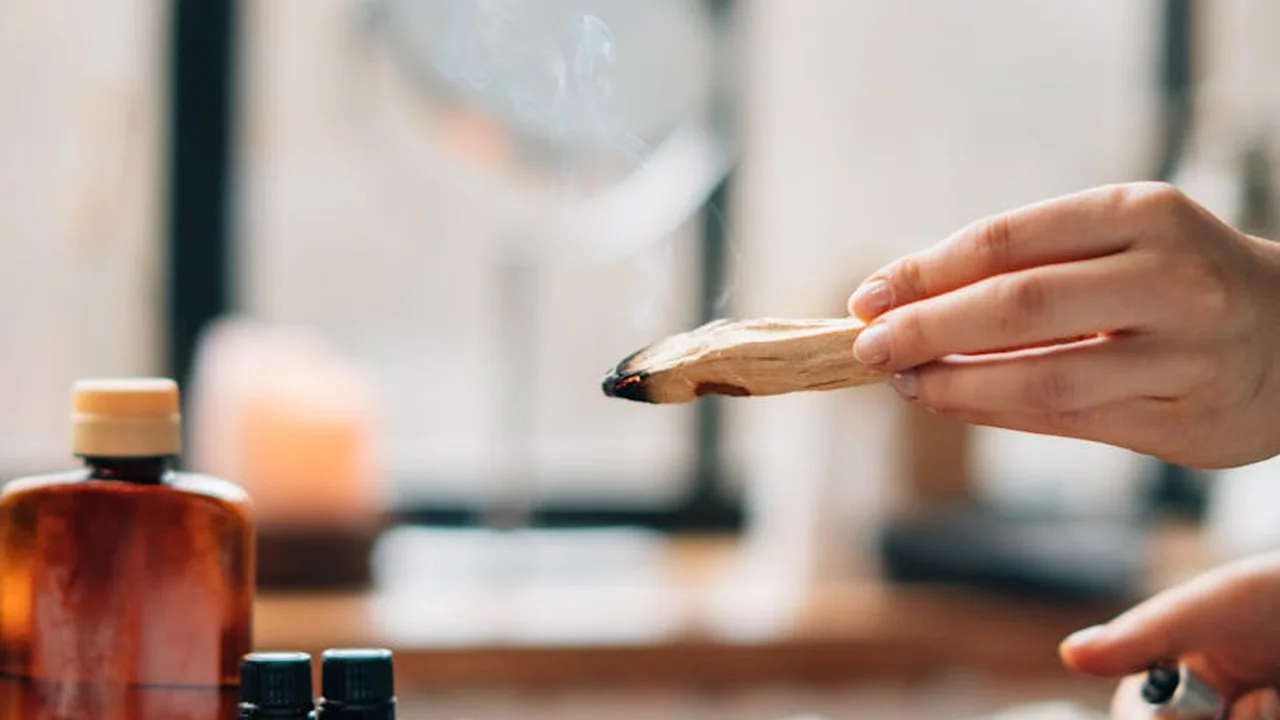
The heat of a sauna does something magical to scent. It amplifies it, sending aromatic molecules swirling through the steam to envelop you completely.
This intense, sensory experience can deepen relaxation or provide a refreshing respiratory boost, depending on the oil you choose.
The only safe method is to dilute your essential oils in water first, then pour that water over the hot sauna rocks.
I keep a small ceramic bowl and a dedicated water bottle for this purpose on my own wellness shelf. You must never, ever pour pure essential oils directly onto the rocks or heater, as they can ignite or create uncomfortably strong fumes.
For an invigorating, breath-opening session, I reach for eucalyptus. Its bright, camphorous notes feel tingly and clearing. For a deeply grounding experience, I love the warm, woodsy aroma of sustainably harvested cedarwood; it feels like a forest hug.
Sauna Safety and Dilution Ratios
In the intense heat, a little oil goes a very long way. A safe and effective dilution is 5 to 10 drops of essential oil mixed thoroughly into one cup of water. It’s important to know the correct oil-to-water ratios for different applications to ensure safety and efficacy.
Start with less, perhaps 3-5 drops, to see how the scent carries in your particular sauna. You can always add a drop or two more next time.
Keep your sessions a bit shorter when using oils, and always ensure the room is well-ventilated. Listen to your body; if the scent feels too strong, step out for some fresh air.
Trust me on this one: proper dilution and ventilation make the difference between a blissful ritual and an overwhelming one.
Bath Time Bliss: Adding Essential Oils to Your Soak
I see this mistake all the time. Pouring essential oils directly into your bathwater might seem right, but it can lead to skin irritation. Essential oils do not mix with water. They float on top and can touch your skin at full strength.
You must always mix your essential oils with a carrier oil or a bath-safe solubilizer first. This process disperses them safely and turns your bath into a skin-nourishing treatment. It connects directly to essential oil uses for skin.
Soothing lavender can calm your mind and soften skin. Gentle chamomile is a star for sensitive or reactive skin types. I always have a bottle of fractionated coconut oil on my shelf just for this.
The recipe is beautifully simple. For one bath, I mix 5 drops of my chosen essential oil with a tablespoon of a light carrier oil. Jojoba is perfect because it feels silky and absorbs well. Jojoba oil is often preferred over almond or coconut oils for diluting essential oils before use.
Swirl this blend into your full tub just before you get in. The oil will create a light, moisturizing film on the water’s surface.
Creating Your Perfect Bath Blend
Choosing your oils is where the personal magic happens. Think about the mood you want to create right now.
For a relaxing, sleep-inducing soak, try 3 drops of lavender and 2 drops of sweet orange. It smells like a peaceful evening.
Need an uplifting boost? Combine 3 drops of grapefruit with 2 drops of frankincense. This blend clears mental fog and feels grounding at the same time.
My go-to for sore muscles is 3 drops of black spruce and 2 drops of marjoram. It feels like a warm, comforting hug for your aches.
Always remember that heat increases oil absorption. If you are pregnant, nursing, or have a specific health condition like high blood pressure, check if your chosen oils are safe for a hot bath. Some, like rosemary or eucalyptus, may not be recommended. When in doubt, choose a milder oil and keep the bathwater warm, not hot. Your safety is the most important part of the ritual.
Humidifier Help: Can I Add Essential Oils to My Humidifier?
This question pops up all the time. My short, caring answer is: please, check your manual first.
Only add essential oils to your humidifier if the manufacturer explicitly states it is designed for that purpose. Most basic cool-mist or warm-mist humidifiers are not. The oils can degrade plastic tanks and internal rubber seals, leading to costly cracks or leaks.
Even if it doesn’t break, the oil may not disperse properly. It can leave a filmy residue inside the machine and create uneven, concentrated pockets of scent in your room, which isn’t ideal for gentle diffusion.
For a standard humidifier, I keep a separate ultrasonic diffuser nearby. It’s a safe, dedicated tool for the job that protects my appliance investment.
Step-by-Step for Oil-Safe Humidifiers
If your model is a hybrid or explicitly oil-friendly, you can create a wonderfully humidified and scented space. Here’s how I do it safely.
First, I always start with a clean tank. Any old water or mineral buildup can mix poorly with the oils.
Add just 3 to 5 drops of essential oil directly into the water in the tank before you turn it on. This tiny amount is plenty for a large volume of water and will last for the entire cycle. For precise dosing, consult our complete volume drop conversion guide to translate drops into milliliters.
My favorite part is choosing the scent. For a calming bedroom atmosphere, I reach for frankincense. Its rich, earthy aroma seems to slow everything down. Bergamot is another go-to; its bright, citrusy lift feels clarifying without being sharp.
Once the cycle is done, I empty any leftover water and give the tank a quick wipe. A weekly clean with white vinegar prevents any potential oil residue from sticking around. This simple habit keeps my humidifier running smoothly and ready for the next cozy evening.
CPAP Comfort: Safe Use of Essential Oils with Sleep Machines
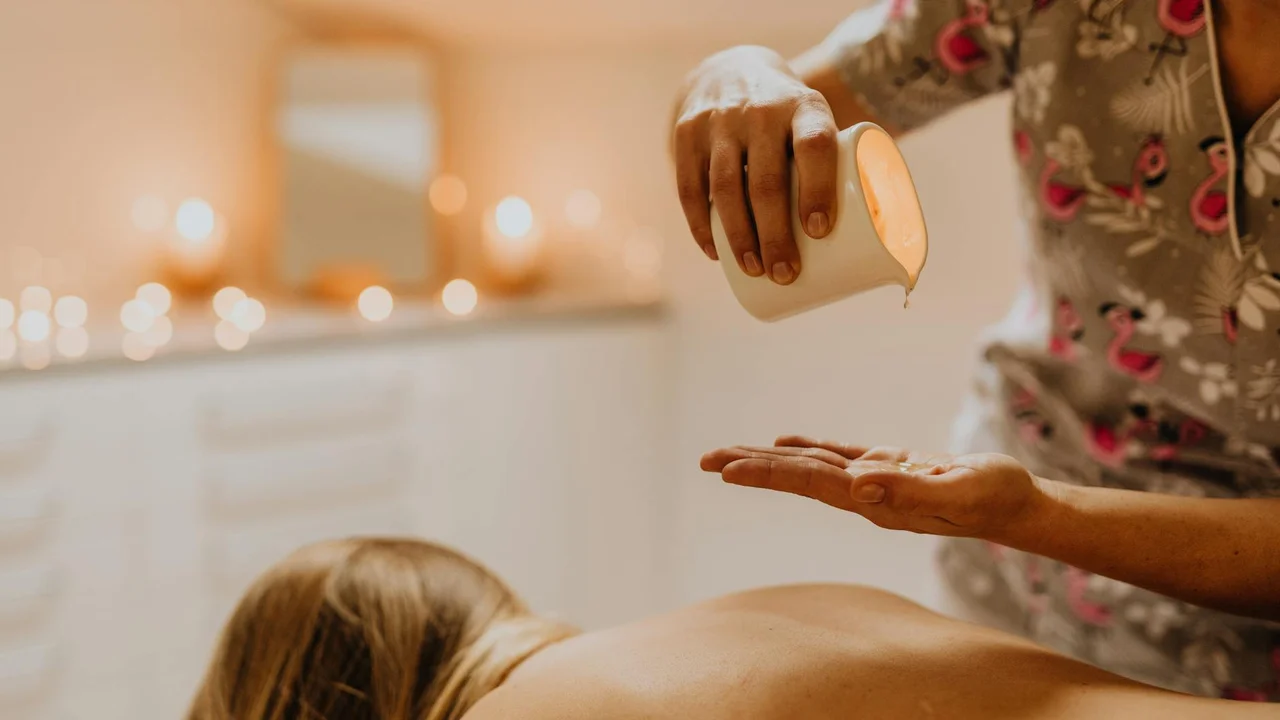
Let me state this clearly: you should never put essential oils in the water chamber or tubing of your CPAP machine.
Oils can damage the plastic components and create a film inside the tubing that is very difficult to clean. More importantly, putting oils directly into your machine’s airway can lead you to inhale concentrated vapors, which is unsafe and can irritate your lungs.
The right way is to let the scent gently infuse the air you will breathe, not the machine itself.
A safe alternative I use is a simple diffuser pad. These are small, felt-like pads designed for aromatherapy. You can place one drop of your chosen essential oil on the pad and then tuck that pad into the machine’s air filter compartment. As air is drawn in, it picks up the subtle aroma.
You can also run a separate ultrasonic diffuser on your nightstand. Just keep it at a low setting and a short distance from your air intake.
For CPAP use, focus on oils known for supporting clear breathing and deep relaxation. The goal is a whisper of scent, not a heavy cloud.
Choosing Oils for Sleep Support
When selecting oils for this purpose, gentleness is key. You want oils that are mild and unlikely to cause irritation during a full night’s use.
Here are a few I keep on my shelf for this very reason:
- Lavender: Its classic, floral-clean scent is a cornerstone for calming the mind and easing into rest.
- Marjoram: This is a personal favorite. It has a warm, woody-herbal aroma that feels deeply comforting and supportive for steady breathing.
- Cedarwood (Atlas): Think of the scent of a quiet forest. Its grounding, woody notes can help slow a racing mind.
- Frankincense: This oil has a rich, balsamic scent that many find helps deepen and slow the breath, promoting a sense of peace.
I often blend a single drop of lavender with a single drop of marjoram on my diffuser pad for a beautifully balanced, soothing effect. I also explore diffuser reeds or sticks for different diffusion options, and tea tree oil is another method I sometimes try as well.
Before you try this, have a conversation with your doctor, especially if you have asthma, allergies, or other respiratory sensitivities.
They can advise you based on your personal health history. Start with just one drop on the pad to test your response, and always ensure your machine is cleaned regularly to prevent any oil residue buildup in the filter area.
| Use Case | My Go-To Oils | How to Use & Dilution Tips | Key Cautions |
|---|---|---|---|
| Purifying Air (Diffuser, Spray) | Lime, Lemon, Eucalyptus, Tea Tree, Lavender | For diffusers: 3-5 drops total. For sprays: Add 10-15 drops to 1 cup of water in a glass spray bottle. Shake before each use. | Citrus oils can degrade plastic. Never use an oil spray near eyes or directly on polished wood. |
| Cleaning Laundry (Wool Dryer Balls) | Lavender, Lime, Sweet Orange, Geranium | Add 2-3 drops total per dryer ball. Let the oil soak in for a minute before tossing the balls in with damp laundry. | Always use 100% wool balls. Do not over-saturate, as undiluted oil can stain fabrics. Start with less oil. |
| Enhancing a Sauna | Eucalyptus, Cedarwood, Pine, Sweet Orange | Dilute 2 drops in 1 tbsp of water. Pour onto hot rocks from a distance to avoid flare-up. Never pour pure oil. | This is for traditional, electrically heated saunas only. Not for infrared units. Ensure good ventilation. |
| Creating a Bath | Lavender, Sweet Orange, Geranium, Frankincense | Always dilute first. Mix 5-8 drops with 1 tbsp of carrier oil (like jojoba or sweet almond) or full-fat milk before adding to bathwater. | Undiluted oils can irritate skin. Avoid slippery tub surfaces. If you have sensitive skin, do a patch test first. |
| Using a Humidifier | Lavender, Sweet Orange, Cedarwood | Only use in humidifiers with a dedicated essential oil tray. Use 1-2 drops. Never add oil directly to the water tank. | Adding oil to the main reservoir can break the machine and void the warranty. Check your manual first. |
| Caring for a CPAP Machine | Lime, Tea Tree, Lavender | For cleaning: Add 1 drop of Tea Tree or Lime to the soapy water when soaking your mask and tubing. Rinse thoroughly. | Never add oils to the CPAP water chamber or air stream. This is for external parts cleaning only. Inhaling oil mist can harm lungs. |
Working With Your Chart: A Few Notes from My Shelf
Keep this chart handy on your phone or print it for your cleaning cabinet. I have a copy tucked inside my essential oil box.
Think of dilution as making a good cup of tea-you need the water (the carrier) to safely enjoy the potent leaves (the essential oil). Skipping this step, especially on skin or in baths, is asking for irritation.
The oils listed are generally well-tolerated, but your nose is the final guide. If a scent feels too sharp or unpleasant, choose another from the same category. Sweet orange can easily swap for lime in a laundry blend for a cozier, warmer scent.
For more ideas, particularly for custom diffuser blends for every season and mood, you can find detailed essential oil uses lists and blending charts right here on Botanical Oils. If lavender is one of your favorites, you’ll want to see which oils pair best with it. We also highlight lavender-specific pairings to simplify your blends.
A Quick Safety Reminder
- Always purchase oils from reputable sources that provide pure, unadulterated products.
- Store your oils in a cool, dark place, away from children and pets.
- If you are pregnant, nursing, or have a specific health condition, consult a qualified professional before use.
Your Essential Oil Questions, Answered
Why are lime and sweet orange so often recommended for home use?
They’re beloved for being versatile, uplifting, and exceptionally effective for cleaning and freshening. Sweet orange is a safe favorite for laundry, while lime’s zestiness excels in air purification-just remember its photosensitivity on skin.
I see essential oil uses for skin mentioned often. How does that apply here?
Baths are the prime skin application in this guide. Always dilute oils in a carrier like jojoba oil before adding to bathwater to nourish skin safely and prevent irritation.
Where can I find a reliable, printable uses chart?
The chart in this article is a great start. For more, I offer a free, detailed essential oil uses chart PDF on my site, organized by purpose and dilution.
Can I trust the essential oil uses and tips I see on Reddit?
Reddit can be a great source of personal experience. Always cross-reference tips with trusted safety guidelines, as improper use (like oils in CPAP water tanks) is common and risky.
What’s one versatile oil I should always have on hand?
For home and wellness, lavender is unmatched. It’s gentle enough for skin (when diluted), perfect for laundry and baths, and promotes a calm atmosphere in diffusers.
Your Home, Infused with Care
The single most important practice is to match the oil to the method and always respect its strength. This mindful approach turns simple drops into reliable tools for a fresher, more soothing home and effective self-care routines.
I share more from my own shelf and routines right here on the blog. Trust this guidance as a starting point, then let your nose and your needs lead the way in your personal practice.
References & External Links
- How to Use Essential Oils as an Air Freshener | Lèlior Blog
- Essential Oils & Diffuser Recipes To Help Clean The Air
- What Essential Oils Are Good For Removing Smells – Rabbit Air
- Essential Oils for Fresh Air: Replace Synthetic Fragrance
- 6 ESSENTIAL OILS THAT IMPROVE INDOOR AIR QUALITY
Noemi Kamińska
Noemi is an accomplished wellness researcher, nutrition care guide and body care expert. She has years of experience in formulating various oil combinations for full body wellness including face, hair, body care, essential oils and cooking oils. She works as a bio-formulator working with oil chemistry and analyzing the best formulations when it comes to your needs. Feel free to reach out to get your oil needs sorted.