
Where Can You Buy Massage Oils and Body Lotions in Stores?
Looking at endless online options can be dizzying. Sometimes you just need to walk into a store, see the bottle, and smell the oil before you bring it home.
This article shares my personal map for finding the best botanical oils and blends on retail shelves, from big-box stores to hidden local gems.
- Major Retailers and Grocery Stores
- Specialty Health & Beauty Shops
- Local Pharmacies and Co-ops
- What to Look For on the Label
The Lay of the Land: Types of Stores That Carry Botanicals
Walking into a store with a purpose makes the hunt easier. I group retail spots into five main types, each with its own personality.
General Merchandise & Big-Box Stores
Think of the large stores that sell everything from socks to snacks. Their wellness aisles are a starting point. You will find widely available brands of body lotions and basic massage oils here. The vibe is convenient and affordable. The focus is often on value and familiar scents, with ingredients that tend to be simpler and sometimes include synthetic elements. It is a practical first stop for everyday needs.
Pharmacies & Drugstores
These are your local hubs for health and personal care. Alongside medicines, they stock a surprising range. I often spot popular botanical lotions, basic almond oil, and sometimes small bottles of essential oils like lavender or tea tree. The product focus blends standard skincare with emerging wellness trends. Check the “natural” section if they have one. Stock can vary a lot from one chain location to another.
Natural Grocers & Health Food Stores
This is where my personal shopping gets serious. The air often smells like herbs and supplements. These stores prioritize simpler, recognizable ingredients. You will find high-quality carrier oils in bulk, like jojoba and apricot kernel, and reputable brands of essential oils. Their body care selections frequently feature lotions and oils with shorter, cleaner ingredient lists, which I appreciate for my own sensitive skin. The vibe is holistic and ingredient-conscious.
Specialty Beauty & Cosmetic Retailers
These stores are sensory experiences. They focus on luxurious blends and sophisticated skincare. You will discover beautifully pre-blended massage oils and rich body lotions here. The botanical oils are often presented as precious ingredients in complex formulas. The product focus is on sensory pleasure, texture, and targeted skin benefits, which is perfect for a dedicated self-care ritual. It is a wonderful place to find a treat.
Specialty Herb & Apothecary Shops
These are the gems, though they are less common. If you have one nearby, visit it. These small shops operate with a deep knowledge of botanicals. They might carry cold-pressed carrier oils you cannot find elsewhere, small-batch herbal infused oils, and very high-grade essential oils. The vibe is personal and expert. I have found some of my favorite, most unique oils for hair and wellness in shops like these. Availability here is deeply local and can depend on the season.
How to Spot a Quality Oil or Lotion on a Crowded Shelf
Faced with a wall of bottles, your best tool is a calm eye. Ignore the fancy names on the front and go straight to the facts.
Start with the Ingredient List
Turn the bottle over. The ingredients are listed in order of quantity. For a massage or body oil, the first item should be a plant oil. A quality product will have a carrier oil you recognize as its main ingredient. For lotions, water is often first, but the oils should follow soon after.
A carrier oil is a stable, non-volatile plant oil used to dilute powerful essential oils and carry them to your skin. Common, high-quality ones include jojoba (which mimics skin’s sebum), sweet almond (light and nourishing), and fractionated coconut oil (a light, non-greasy liquid). My own shelf always has a bottle of each.
Understand the Scent Profile
How is the product scented? The label will tell you. If it says “lavender essential oil,” the scent comes from the actual lavender plant. If it says “fragrance” or “parfum,” it is a laboratory creation. Pure essential oil aromas are complex and can vary from bottle to bottle, while synthetic fragrances are consistent and sometimes sharper to my nose. Neither is inherently bad, but knowing what you are getting is key, especially for wellness use.
Examine the Container and Freshness
Light and heat degrade plant oils. A quality oil, especially one with essential oils in it, should be in a dark glass bottle (amber or cobalt blue). Plastic bottles are a red flag for pure oils. For lotions, opaque packaging helps protect the ingredients.
Look for a Period After Opening (PAO) symbol-an open jar with a number like “12M” meaning 12 months. Some oils, like rosehip seed, also have a clear expiration date. Botanical oils are living products, and their freshness directly impacts their benefit and feel on your skin. Knowing the shelf life helps you decide when to reserve oils for body care or culinary use. Expired oils can lose aroma and potency, affecting texture and flavor. A dusty bottle at the back of a warm shelf is not your best find.
Finding the Right Massage Oil for Your Needs
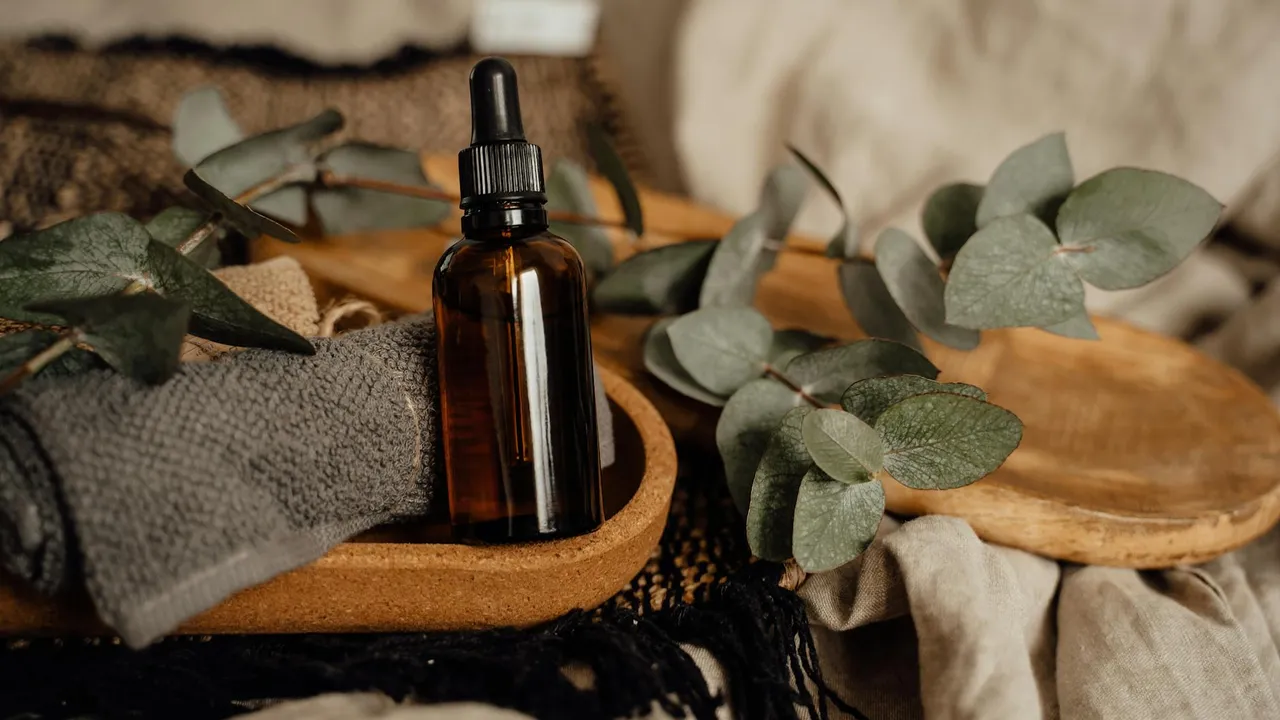
You have two main paths: a ready-made bottle or a custom blend. A pre-blended massage oil is wonderfully convenient, like the calming lavender-scented one I keep on my shelf for quick shoulder rubs. Making your own blend with a carrier oil and essential oils lets you tailor everything to the person and the moment.
Your massage style should guide your choice. Think about slip, or glide, versus absorption. A long, flowing Swedish massage needs an oil with good slip, so your hands don’t drag. For a focused, deep tissue session, a faster-absorbing oil lets you get a better grip without leaving the skin too greasy.
For a more luxurious experience, a massage oil warmer is a lovely touch. You will typically find these warmers at specialty wellness stores, massage supply shops, or their dedicated websites, rather than a standard big-box retailer.
Before any oil touches a large area, do a skin patch test. Apply a small amount to your inner arm and wait 24 hours. If you’re blending with essential oils, always dilute them properly in your carrier oil; a general safe start is about 12 drops of essential oil per ounce of carrier.
Carrier Oils: The Unsung Hero of Any Massage
This is where the magic really happens. The carrier oil does the heavy lifting, and each one has a unique personality.
- Sweet Almond Oil: My classic, go-to choice. It’s versatile, lightly nourishing, and has a smooth, medium glide that works for almost everything.
- Grapeseed Oil: This is a light, almost dry oil. It absorbs relatively quickly, making it a good fit for people who dislike a lingering feel. I often spot it in the cooking aisle, but ensure it’s cosmetic-grade.
- Apricot Kernel Oil: Incredibly silky and rich in feel, yet it doesn’t feel heavy. It’s wonderful for mature or dry skin and has a beautiful, subtle slip.
- Fractionated Coconut Oil: Don’t confuse this with regular coconut oil. This version stays liquid, is odorless, and is virtually non-greasy. It’s a fantastic neutral base for any essential oil blend.
Viscosity simply means thickness. A lighter oil, like grapeseed, has low viscosity and absorbs fast. A thicker oil, like plain coconut, has high viscosity and provides more cushion and slip. You can even mix them to get your perfect glide.
You can find these carrier oils in many places now. Check the skincare aisles of natural food stores, larger beauty retailers, or even well-stocked grocery stores. I always look for bottles that are dark glass to protect the oil and prefer cold-pressed options when available.
Body Lotions vs. Oils: Choosing Your Skin’s Best Friend
Think of lotions and oils as two different types of hydration for your skin. The main difference comes down to their base.
Body lotions are typically water-based emulsions. They feel light, creamy, and absorb quickly without much residue. On my own shelf, I reach for a chamomile-infused lotion after a shower when I’m in a hurry. Lotions are fantastic for delivering a fast hit of moisture that feels instantly refreshing.
Botanical oils, like jojoba or sweet almond, are lipid-based. They feel richer and create a gentle, occlusive barrier on the skin’s surface. This barrier helps lock in your skin’s own moisture. A good body oil doesn’t just sit on top; it sinks in to nourish and leaves a beautiful, silky finish. The sensation is one of deep, lingering care.
Picking What’s Right for Your Skin
Your choice depends on your skin’s needs and the experience you want.
For normal to oily skin, or for daytime use under clothes, a light lotion is often perfect. It hydrates without feeling heavy. If you crave that quick-absorbing, clean feel, a lotion is your best bet—especially when you know how to layer it properly for optimal skin hydration.
For dry, mature, or dehydrated skin, or for a nurturing evening ritual, a body oil shines. I use a simple blend of apricot kernel and lavender oil on my legs and elbows before bed. Oils provide intense, long-lasting nourishment that can truly transform dry, flaky areas. They are also ideal for massage, offering that smooth glide.
The Botanical Bonus in Lotions
Many high-quality body lotions now include botanical extracts or essential oils for added benefits. You might find aloe vera for soothing, or a few drops of geranium oil for its balancing properties.
This is a wonderful way to enjoy plant-powered skincare. Just remember, the concentration of active botanicals in a lotion is usually much lower than in a pure oil or serum. Always check the ingredient list if you have specific sensitivities or are looking for a particular plant’s effect.
Navigating Specific Botanical Oils and Extracts
When you’re scanning the store shelves, the terms can get confusing. Let’s clear that up first. Think of essential oils, carrier oils, and botanical extracts as different members of a plant’s family, each with a unique job in your routine.
Essential Oils, Carrier Oils, and Extracts: Know Your Players
Essential oils are the powerful, aromatic essence of a plant. They’re incredibly concentrated. A single bottle of lavender essential oil on my shelf represents pounds of flower buds. Essential oils are primarily for scent and therapeutic effect, and they must be diluted in a carrier oil before touching your skin. Never apply them neat.
Carrier oils are your dilution base. These are fatty oils pressed from nuts, seeds, or kernels, like sweet almond, jojoba, or fractionated coconut oil. They have little to no scent. Their job is to “carry” the essential oil safely onto your skin, nourishing it along the way. I always have a bottle of plain grapeseed oil in my cabinet for this.
Botanical extracts are different. They’re plant compounds often steeped in a solvent like alcohol or glycerin to pull out specific benefits. You’ll usually find them already blended into finished products like lotions or serums. Look for words like “chamomile extract” or “green tea extract” on a lotion label.
Finding Pure Essential Oils on Store Shelves
You won’t typically find pure, high-quality essential oils in the general body care aisle. You need to hunt for the specialty section. I often send friends to the natural wellness or aromatherapy area of larger stores.
Health food stores and co-ops are consistently good sources. They often stock reputable brands in small, dark glass bottles. Check the label for the plant’s Latin name, like *Lavandula angustifolia* for true lavender. This shows specificity.
Some major retailers have upped their game. You can now find decent selections in the vitamin or natural living aisles of places like Target or Walmart. The key is to look for bottles specifically labeled for aromatherapy use, stored away from direct light, and always with a sealed safety cap.
A Note on Budget and Quality
You might spot essential oils in unexpected places. Stores like Dollar Tree may sell essential oils, and I understand the appeal of a low price point. Please check these bottles carefully.
Look at the ingredient list. Is it one single oil, or a blend of oils and other ingredients? Consider the intended use. An oil from a discount store might be fine for scenting a homemade cleaning spray, but I would be very cautious about using it in a skin or massage application. The distillation quality and purity matter immensely for topical use.
When in doubt, start simple. A small bottle of a well-known brand from a health store is a safer investment. Your skin and senses will thank you.
Smart Shopping on a Budget: What to Expect
Let’s talk about dollar stores and grocery aisles. I get asked about them a lot.
Places like Dollar General or Dollar Tree are staples for many of us. You can absolutely find basic, food-grade oils there. I often see small bottles of vegetable or olive oil on those shelves.
These stores are for foundational kitchen staples, not specialized body care. You will not find pure jojoba oil, high-quality sweet almond oil, or therapeutic essential oils there.
For those using SNAP benefits (food stamps), the rules are specific. Generally, you can purchase a cooking oil like olive oil, as it’s considered a food item.
Body care oils, massage oils, and lotions are not eligible for purchase with food stamps, as they are classified as non-food items.
My advice is to see budget stores as a source for simple, edible oils you might use in a homemade sugar scrub or a very basic recipe. For true skincare, you’ll need to look elsewhere.
Common Mistakes and How to Avoid Them
I want to help you shop wisely. A few common missteps can lead to skin trouble or wasted money.
First, that bottle of vegetable oil in the grocery aisle. It’s meant for your pan, not your skin.
Using a cooking oil like vegetable or canola oil as a body oil can easily clog pores and may go rancid on your skin, leading to irritation. The molecular structure is different from oils meant for topical use.
Next, scent. A lotion might smell like a dreamy vanilla cookie or a calming lavender field. That doesn’t mean it’s good for you.
I always turn the bottle over. I’m looking for a short list of recognizable ingredients. Buying a product just for its fragrance often means you’re getting synthetic perfumes and potential irritants, not botanical benefits.
Finally, be gentle with yourself about labels. Words like “natural” or “aromatherapy” on a bottle at a big-box store are not regulated guarantees of purity.
I’ve seen “lavender massage oil” that was mostly mineral oil and fragrance. It’s okay to start there if it’s what you have, but know it’s not the same as a blend of real carrier and essential oils from my own shelf.
Trust the ingredient list over the front label’s promises every single time.
When Buying Online Makes More Sense

Walking a store’s single aisle of oils can feel limiting. You might not find that specialty massage oil warmer you saw recommended, or a full set of floral absolutes for your blending.
I’ve left more than one store empty-handed, looking for a specific vetiver or a cold-pressed tamanu oil for a skin recipe.
This is where your search bar becomes a powerful tool. Typing “buy massage oil online” or “aromatherapy oils Vancouver BC” changes everything. It connects you to local apothecaries in that city you might never walk past, or to dedicated distilleries across the country.
Searching with your location instantly bridges the gap between local inventory and the wider world of botanical suppliers.
The Clear Advantages of Shopping from Home
Online shops offer benefits that a physical shelf simply cannot. The selection is the most obvious win.
- Better Selection: You can explore hundreds of carriers and essences from one spot. I find rare oils like sea buckthorn or blue tansy much more easily online than in any general retailer.
- Access to Quality Brands: Many exceptional, small-batch makers sell primarily through their own websites. This is how I discovered my favorite source for organic, stone-pressed jojoba oil.
- Detailed Product Information: You can read the full ingredient list, extraction method, and even country of origin before you buy. I always check for this data, as it tells me so much about the oil’s potential and purity.
You also get to read through real customer reviews. Seeing how a rosehip oil worked for someone with skin similar to yours is invaluable practical research, especially when integrating botanical face oils into your daily skincare routine.
When to Seek Professional Help
Finding the right oil is rewarding. For some situations, getting expert guidance first is the smartest step you can take.
Consult a Certified Aromatherapist
Think of an aromatherapist as a formulator for your personal well-being. I turn to mine when my own knowledge hits its limit.
They can create a custom blend for complex goals, like supporting focus during a stressful work project or crafting a gentle scent profile for emotional balance. A certified professional understands how oils interact with each other and with your body’s chemistry in a way that general guides cannot.
They have access to a wider, often higher-quality selection of oils than any store shelf.
Talk to a Dermatologist
Your skin is your largest organ. It deserves a specialist’s care if it’s reactive or compromised.
I always recommend a dermatologist consult for anyone with a history of sensitive skin, allergies, or conditions like eczema or psoriasis. A patch test with a new botanical oil is wise, but a doctor’s advice is essential for managing a known condition.
They can help you identify potential irritants and recommend truly gentle, non-comedogenic carrier oils that won’t aggravate your skin.
Ask a Licensed Massage Therapist
Your massage therapist is a treasure trove of tactile knowledge. They feel how oils perform under pressure every single day.
Next time you’re on the table, ask about the oil they’re using. They can recommend specific professional-grade brands that have the perfect slip and absorbency for home use. A good therapist knows which oils leave a lasting sheen versus which ones soak in cleanly, letting you choose based on your desired after-feel.
I learned about my favorite non-sticky jojoba blend from my own therapist. It’s now a staple in my massage kit.
Recommended Products to Look For
Walking down the aisle can feel overwhelming with so many options. I focus on the type of product, not the brand name.
Look for these categories based on what you need.
Foundational Carrier Oils
These are the workhorses. They can be used alone or to dilute essential oils.
An unscented, cold-pressed carrier oil like jojoba or sweet almond is the most versatile item you can own. I keep a bottle of each on my shelf. Jojoba feels silky, while sweet almond is a classic, light moisturizer. For those curious about massage and skincare, a quick comparison with argan can help you choose the right oil. In the next section, I’ll compare jojoba, almond, and argan side by side for different uses.
- Unscented, cold-pressed jojoba or grapeseed oil.
- Fractionated coconut oil (it stays liquid).
- Pure, food-grade sesame or sunflower oil.
Targeted Blends for the Body
Pre-mixed blends save time and are formulated for specific results.
For achy muscles after gardening, I look for a warming massage oil. A massage oil blend with ginger or arnica can provide real comfort for sore, tired muscles.
If your skin feels irritated or tight, seek out calming ingredients. A body lotion with colloidal oat extract is wonderfully soothing.
- Hydrating body oil with rosehip seed oil for skin.
- Dry oil spray with sandalwood for a quick, non-greasy feel.
- Lotion with shea butter and calendula for very dry spots.
Evaluating What You Find
Remember the tips about checking the ingredient list and bottle? Apply them now.
Hold any product to the same standard you would a single oil: clear ingredient lists, dark glass when possible, and a trustworthy source.
Turn the bottle over. Can you pronounce and recognize everything on the list? That’s a very good sign.
The Personal Factor
The best product isn’t the most expensive or popular one.
The best product is the one with simple, recognizable ingredients that feels and smells right to you.
Your skin’s preference is the final test. A light lotion might be perfect for you, while your friend might thrive with a rich balm. Trust what your body tells you.
Your Questions, Plant-Based Answers
I see many pre-blended massage oils in stores. How do I choose a good one?
Look past the front label and check the ingredient list—the first oil listed should be a quality carrier like sweet almond or jojoba. For a therapeutic benefit, ensure the scent comes from listed essential oils, not just “fragrance.” You might also compare essential oils with fragrance oils to understand what you’re buying. Seek top-brand aromatherapy products that emphasize pure essential oils and quality carrier blends.
Is it better to buy massage oils online or in person?
For convenience and smelling before you buy, in-store shopping is wonderful. For a wider selection of specific, high-quality botanicals, online retailers and local maker websites are your best resource.
I’m looking for a specialty massage oil warmer. Where should I start?
You likely won’t find these in general big-box stores. Check specialty wellness shops, massage supply stores, or the websites of brands that specialize in massage accessories.
Can I find good botanical products at a major retailer, or should I seek out a specialty store?
You can find good starter products at major retailers, especially in their natural living sections. For a deeper selection of pure oils and cleaner ingredient lists, a dedicated health or natural food store is your next best step.
How can I find local shops selling botanical oils in a specific city, like Vancouver, BC?
Combine online searching with in-person exploration. Try a search for “aromatherapy Vancouver BC” or “apothecary Vancouver” online, then visit neighborhoods known for wellness or holistic shops to discover local gems.
Caring for Your Home Apothecary
The most reliable advice I can give is to trust your own senses. Take your time, smell the oils, and feel the textures when you’re in the store.
I share these insights from my own shelf to help you begin. Trust your instincts as you experiment, and your personal collection will grow beautifully from there.
Industry References
- Massage Oil for Sale – Wholesale Organic Body Massage Oils
- Massage Oils, Lotions and Creams | Walgreens
- Shop 100% Organic Body Massage Oils | Order at TARA Spa Therapy
- Body Massage Oil
- Massage Oil for Sale at Wholesale Prices – Best Massage Oils
- Massage Oil | Massage Lotion – CVS Pharmacy
Noemi Kamińska
Noemi is an accomplished wellness researcher, nutrition care guide and body care expert. She has years of experience in formulating various oil combinations for full body wellness including face, hair, body care, essential oils and cooking oils. She works as a bio-formulator working with oil chemistry and analyzing the best formulations when it comes to your needs. Feel free to reach out to get your oil needs sorted.