
What Is the Best Way to Apply Hair Oil for Growth and Shine?
If you’ve been dabbing oil on your hair without seeing the transformation you hoped for, I understand that feeling. From my own shelf, I can tell you that how you put the oil on matters more than you might think.
Getting the most from your oil is all about matching the method to your hair’s needs.
- Why a warm pre shampoo treatment is my go to for deep nourishment
- Simple scalp massage moves that actually encourage growth
- How to lock in shine by protecting your ends
- Choosing between overnight treatments and light daily sprays
First, Figure Out Where Your Hair Needs Help Most
Before you pour a single drop, take a moment to look at your hair. Run your fingers through it. How does it feel?
Is your scalp tight or itchy? Do you see tiny white flakes on your shoulders? These are clues your scalp needs attention first.
Maybe your roots are fine, but your ends feel like straw. They look dull and catch on your fingers. This tells a different story.
Your goal decides your game plan. Want to encourage growth? You will work from the scalp down. Chasing that glossy, reflective shine? Your focus shifts to the lengths and ends.
Your hair texture changes the rules too. My fine, straight hair gets weighed down fast. I use oils like a whisper. My friend with thick curls can use a more generous hand on her ends.
The Two Core Hair Oil Methods: Scalp vs. Lengths
Think of these as two different jobs. They need different tools and techniques.
Applying oil to your scalp is about health. It soothes dryness, calms irritation, and nourishes the follicle where growth begins. Applying oil to your lengths is about beauty. It seals in moisture, smooths the hair shaft, and creates that light-catching shine.
Most of us need a bit of both, but in different places. If your scalp gets oily quickly but your ends are parched, that is a classic hybrid case. You might apply a light oil only to the last few inches of your hair.
You can absolutely combine both methods. Just mind the timing. A heavy scalp treatment is best before a shower. A light shine serum works best on clean, damp hair. With oils, wet or damp hair tends to absorb more, so apply to towel-dried or lightly damp strands for maximum absorption.
How to Apply Hair Oil to Scalp for Growth
This is not about soaking your head. It is about precise, gentle nourishment.
Start with dry or slightly damp hair. Part your hair down the middle. Then create a series of parts from your forehead to the nape of your neck, about an inch apart.
- Pour a little oil into a small dish. For thick oils like the castor oil on my shelf, I mix it half-and-half with a runnier carrier oil like jojoba.
- Dip your fingertips (not your nails) into the oil. Apply dots of oil directly along each part you have created.
- Use the pads of your fingers to gently massage the oil into your scalp. Use small circles. You are stimulating circulation, not scrubbing a pan.
- Once your whole scalp is treated, you can leave it. I often wrap my hair in an old scarf for an hour or even overnight before washing.
The goal is to feed the scalp itself, not just coat the hair sitting on top of it.
How to Apply Oil to Hair Lengths for Shine
This method is all about finesse. Too much oil here makes hair look greasy, not glossy.
I get the best results on hair that is towel-dried, still damp. The water helps spread the oil evenly and locks in that hydration.
Pour one or two drops of oil into your palm. Rub your palms together to warm and distribute it. Now use the “praying hands” method.
Slide your palms down the length of your hair, focusing from the mid-lengths to the very tips. Your ends are the oldest, most damaged part. They drink up the oil.
A light oil like argan or a blended moroccan oil is perfect for this, especially on fine or straight hair. For very thick, curly, or coily hair, a slightly richer oil like avocado or a shea butter blend can provide more smoothing power.
Never start at your roots for this method. Start low. You can always add another tiny drop if you need it.
Step-by-Step: Your Hair Oil Application Ritual
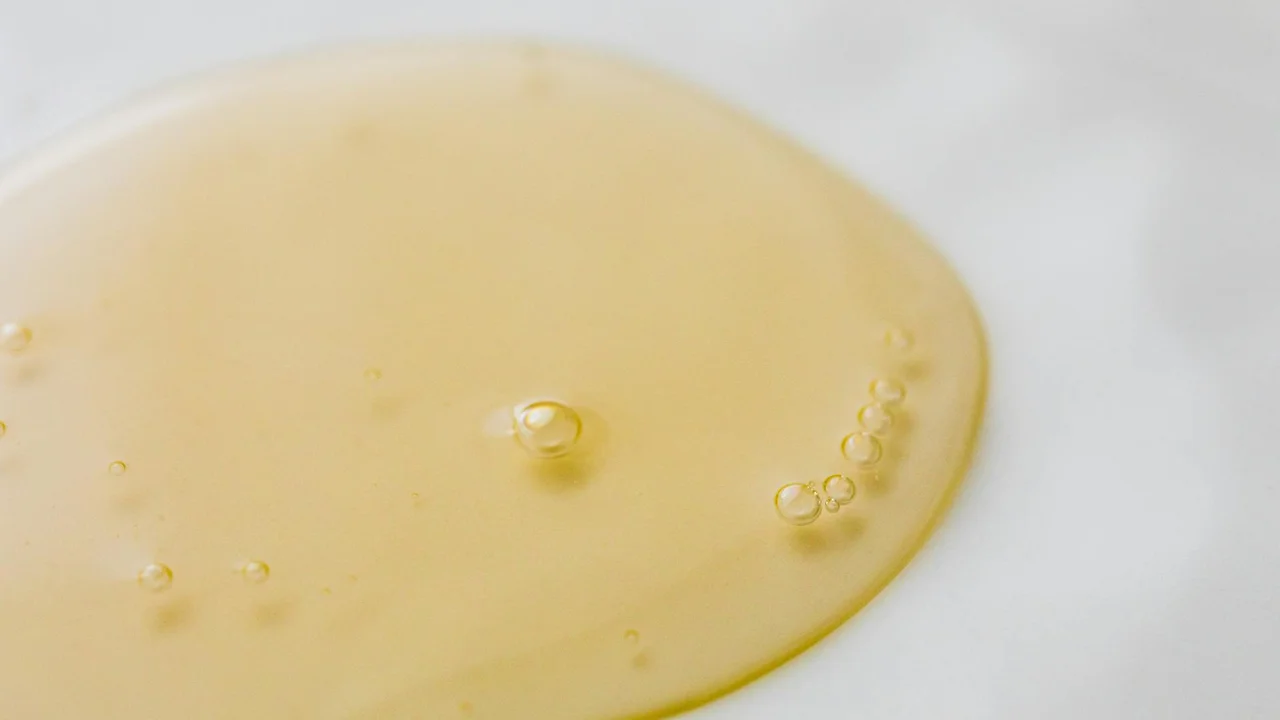
Think of this as your new Sunday evening ritual or a quick mid-week refresher.
I keep a small glass bottle of my favorite blend right by my sink.
The right method makes all the difference between greasy hair and glossy, happy hair.
1. Prepare Your Hair and Your Oil
Start with hair that is dry or very lightly damp.
For a deep treatment, apply the oil to dry hair before you wash it.
This is the perfect technique for a nutrient-rich oil like amla, which can feel a bit dense.
If you’re wondering how to apply amla oil on hair for the best result, this pre-wash method is the answer.
It gives the oil time to penetrate without leaving a heavy residue after your shower.
Pour a small amount into your palm-start with a dime-sized amount for medium-length hair.
Rub your palms together briskly for a few seconds.
You want to warm the oil slightly, which makes it thinner and easier to spread evenly.
2. Apply to Your Lengths and Ends First
Always, always begin away from your scalp.
Focus your warmed oil on the mid-lengths and ends of your hair, which are the oldest and driest parts.
Coat these sections thoroughly, using a gentle squeezing motion as if you were scrunching your hair.
This method targets the areas most in need of repair and shine.
3. Work Upward and Comb Through
Only after your ends are well-coated should you run your hands lightly over the top layers of your hair.
If your goal is scalp health, you can use just your fingertips (not your oily palms) to massage a small, diluted amount into your roots.
Next, take a wide-tooth comb and gently glide it from the ends up to your roots.
This simple step is a game-changer.
It ensures every strand gets a thin, even coating and helps prevent you from using too much product.
4. Let It Sit and Penetrate
For a pre-wash treatment, twist your hair into a loose bun or a low braid.
Cover it with an old shower cap or a soft towel.
I let mine sit for at least 30 minutes, sometimes even overnight if my hair feels particularly parched.
The gentle heat from your scalp helps the oil work its way into the hair shaft.
5. Wash Gently and Thoroughly
When it’s time to wash, don’t panic if your hair feels oily at first.
Wet your hair completely with warm water.
Apply your shampoo directly to your scalp before adding water, and lather well.
You may need to shampoo twice to fully remove the oil, which is completely normal for a deep treatment.
Follow with your regular conditioner on the ends.
6. The Finishing Touch for Shine
For daily or post-wash shine, a lightweight finishing oil is your best friend.
After washing, gently towel-dry your hair so it’s just damp, not soaking wet.
Take one tiny drop-I mean just a drop-of a silky oil like Gisou hair oil and emulsify it between your palms.
This is the secret for how to apply Gisou hair oil correctly: focus it solely on your ends and the very bottom layers of your hair.
Avoid applying it near your roots. This last step seals in moisture and adds a brilliant, healthy-looking shine without any weight.
How Often Should You Use Hair Oil? A Simple Schedule
Finding the right rhythm for oiling your hair is more art than strict science. It depends completely on what your hair needs and what you’re trying to achieve. Think of it like watering a plant. Too much, and the roots suffocate. Too little, and it stays thirsty.
I keep a little notebook in my bathroom to track what my hair feels like after different routines. It helps me spot patterns, and I encourage you to try it.
Frequency for Different Hair Types and Goals
Your hair’s texture is your best guide for starting out. Fine hair and thick, coarse hair have very different capacities for oil.
For Fine or Straight Hair
Fine hair strands are delicate and can be overwhelmed quickly. Your goal is usually light hydration and shine without sacrificing volume.
Start with a minimal approach, applying a light oil only to your ends once or twice a week. I reach for fractionated coconut oil or argan oil from my own shelf for this. They absorb fast and don’t sit heavily.
For a scalp treatment, a light pre-wash massage with jojoba oil just 30 minutes before washing, once a week, is often plenty. It’s important not to leave oil treatments on for too long to avoid any potential buildup or irritation.
For Medium or Wavy Hair
You have more flexibility. Your hair can often handle deeper treatments but might not need them as often as coarser types.
A good balance is a mid-lengths-to-ends application two to three times a week for manageability. For scalp health, a one-hour pre-shampoo treatment every week or every other week works beautifully. Timing can vary: some apply oil before washing, others after. Hair type also matters—finer hair benefits from lighter oils, while thicker hair can tolerate richer formulas.
For Coarse, Curly, or Very Dry Hair
Your hair structure naturally craves more moisture and may absorb oil more readily. The goal here is deep nourishment and fighting frizz.
You can likely oil your ends every other day or even daily with a rich oil like castor or avocado blended with something lighter. Scalp treatments can be done weekly, leaving the oil on for a few hours or even overnight before washing. For castor oil in particular, you can use it a few times a week and leave it on long enough to absorb. When aiming for longer hair, consistency matters, so plan regular applications.
Scalp Treatment vs. Daily Shine: How Many Times a Week?
This is the key distinction. A scalp treatment and a shine seal are two different events with different schedules.
A scalp treatment is a focused therapy. You are massaging oil directly onto your skin to improve circulation and health. This is not an everyday practice.
For a dedicated scalp treatment, once a week is the sweet spot for most people. Apply your oil blend, massage it in gently for five minutes, and let it sit for at least 30 minutes (or overnight) before shampooing twice to remove it completely. If you’re wondering how often to oil your scalp—daily, weekly, or somewhere in between—the best practices explained will guide you. This helps tailor frequency to your hair type and scalp needs.
A daily shine application is just about the last few inches of your hair. It’s a tiny amount, rubbed between your palms and glossed over the ends to seal in moisture and prevent splits.
This can be done daily if your hair is very dry, or just a few times a week for maintenance. We’re talking one or two drops total, not a full dropper.
Listening to Your Hair: Signs You’re Overdoing It
Your hair will tell you clearly when it’s had enough. The most common signal is greasy roots that appear quickly after washing.
If your scalp feels oily or itchy, or your hair looks stringy and flat at the roots by the next day, you are probably oiling too often or using too much.
Weighed-down, limp hair that loses all its volume is another sure sign you need to scale back. Fine hair in particular will protest loudly with a greasy, damp look.
If this happens, don’t worry. Simply take a break from all oil for a week or two. Use a clarifying shampoo once to reset your scalp. When you start again, cut your previous frequency and amount in half. Build up slowly from there.
Remember, more oil is not always better. Consistent, moderate use always wins over occasional heavy drenching.
Common Hair Oil Mistakes (And How to Fix Them)
I see a few simple errors pop up all the time, even in my own routine. Fixing them makes everything work better.
Using Too Much Oil
This is the biggest one. More oil does not mean more benefit. Your hair and scalp can only absorb so much.
What’s left just sits there, feeling heavy and looking greasy. The fix is to always start with a tiny amount and gently add more if you need it. Your hair should feel nourished, not slick.
Applying Oil to a Dirty Scalp
This is like waxing a dirty floor. You’re just sealing in the dust, sweat, and product buildup.
It can clog follicles and make your scalp feel unhappy. For the best absorption and a clean slate, apply your treatment oils to a scalp that’s been cleansed within the last day or two. A quick refresh with plain water is fine, too.
Choosing the Wrong Oil for Your Goal
Not all oils do the same thing. Using a heavy sealant on your roots won’t help growth.
Think about your target. For your scalp and growth, choose lighter, stimulating oils like rosemary or jojoba. They mimic your skin’s natural oils. For your ends and shine, reach for richer oils like argan or avocado to smooth and protect.
Applying Blended Products vs. Pure Botanical Oils
This trips many people up. A product like Mielle Rosemary Mint Oil is a ready-to-use blend.
It often has carrier oils and essential oils already mixed for you. You apply it directly. A pure essential oil, like the rosemary on my shelf, is far too strong to use alone. You must always dilute it in a carrier oil first to avoid irritation. For hair and skin, understanding the proper dilution ratios and how to mix essential oils with carrier oils matters for safety and effectiveness. We’ll cover these guidelines in the next steps with simple links.
How Much Hair Oil Should You Really Use?
This is where hands-on experience saves the day. Visuals help more than measurements.
For your scalp and roots, think minimal. Start with an amount the size of a dime for your whole scalp. Warm it between your palms and use your fingertips to massage it in section by section.
If you’re using a dropper bottle with a blend or a dilution, 3 to 5 drops total is often plenty. Dot it along your part and another part, then massage.
For mid-lengths and ends, you can be a bit more generous. A pea-sized amount for medium-length hair is a good rule. You can always add one more drop, but you can’t take oil back once it’s in your hair. It’s easier to add than to wash out.
Your hair type gives you clues. Fine, straight hair drinks up oil quickly but also shows grease faster. Start with half the dime. Thick, curly, or coily hair can handle a bit more, as it’s often naturally drier.
When Your Hair Oil Routine Isn’t Working
Sometimes, even with the best intentions, an oil routine doesn’t give you the results you want. Your hair might feel worse, not better. That’s a clear signal to pause and reassess.
Listen to what your scalp and hair are telling you. An itchy, red, or irritated scalp often means the oil or its concentration is too strong for you. A greasy, heavy feel that lingers after washing points to product buildup or using an oil that’s too thick for your hair type. If you see no change in shine or growth after several weeks, the application method might not be letting the oil penetrate properly.
Your hair routine should never cause discomfort; these signs mean your scalp is asking for a different approach.
How to Safely Test a New Oil
Before you apply a new oil blend all over, a simple patch test can save you days of irritation. I always do this with new essential oils, but it’s wise for carrier oils too, especially if you have sensitive skin.
Here is my method. I keep a little notebook in my cabinet to jot down reactions.
- Mix a single drop of essential oil with a teaspoon of a mild carrier oil, like fractionated coconut or jojoba.
- Apply a dime-sized amount of this blend (or the plain carrier oil you want to test) to the skin inside your elbow or behind your ear.
- Leave it on for 24 hours without washing it off.
- Check the area. Any redness, burning, or raised bumps means this oil isn’t for you.
This small step builds trust with a new oil and protects your scalp from a full reaction. If the test spot feels fine, you can proceed with more confidence.
Looking Beyond the Bottle
Oils work from the outside in, but hair health starts from the inside out. Think of oils as superb, nurturing support for the hair you are growing.
They can’t replace what your body needs to build strong hair from the follicle. I noticed my own hair got shinier and stronger when I paid more attention to my protein and healthy fat intake, not just what I put on my ends.
For the fullest results, pair your external oil ritual with good hydration, balanced nutrition, and managed stress. Your hair reflects your overall wellness. A topical oil treatment and internal care work together beautifully, especially when applied overnight.
When to Skip the Oil Altogether
Sometimes, the best thing you can do for your hair is to put the oil bottle down. Oils are incredible, but they aren’t right for every single situation. Listening to your body-and your scalp-is the most important practice.
Know the Contraindications
There are a few clear times when applying any oil is a bad idea. This isn’t about fear, it’s about respecting your body’s signals.
- Active Scalp Infections or Conditions: If you have signs of a fungal issue (like persistent itching, flaking, or sores), a fresh sunburn on your scalp, or open cuts from scratching, avoid oil. Oils can create a barrier that traps moisture and may worsen the environment for microbes.
- Confirmed Allergies: This seems obvious, but if you know you react to coconut, nut oils, or a specific essential oil, do not use it. Patch testing on your inner arm is a non-negotiable step for any new oil.
- Right Before Chemical Treatments: Most stylists will tell you to come to your appointment with clean, product-free hair. Applying oil right before a color service or perm can create a barrier that leads to uneven processing and unpredictable results.
If You Have a Very Oily Scalp
You might love the idea of shiny, smooth hair but worry your scalp will look greasy. I understand this completely.
The trick is to bypass your scalp and roots entirely and focus your oil application from the mid-lengths to the very tips of your hair. Your ends are the oldest, most weathered part of your hair and crave that nourishment, while your scalp is already producing its own natural oils.
I keep a small bottle of pure argan or jojoba oil on my bathroom shelf just for this. After washing, I apply one single drop to my palms, rub them together, and gently smooth it over just the bottom three inches of my hair. It gives that polished finish without weighing down the roots.
A Note on Store-Bought Blends
Products like Ouai Hair Oil or Gisou Honey Infused Oil are beautifully formulated for specific outcomes. They often contain silicones or other ingredients that work best with their intended method.
When using a pre-mixed product, the safest and most effective approach is to follow the directions on its label exactly. The brand has tested their formula for a particular use case. Straying from those instructions might not give you the shine or growth support you’re hoping for.
Your Hair Oil Questions, Answered
Can I mix different oils together?
Absolutely, and it’s a wonderful way to customize a blend. Always dilute potent essential oils in a gentle carrier oil before applying them to your scalp or skin.
Should I apply oil to wet or dry hair?
It depends on your goal. For a deep treatment, apply to dry hair before washing to allow for penetration. For daily shine, apply to damp, towel-dried hair to seal in moisture.
How do I choose the right oil for me?
Let your hair’s texture and your goal be your guide. Lighter oils like jojoba are great for fine hair or scalp health, while richer oils like avocado excel at smoothing thick, curly ends.
Can using hair oil cause hair loss?
Properly applied, oils support a healthy scalp environment, which is key for growth. Hair loss is typically linked to using too much oil (leading to clogged follicles) or an underlying scalp condition.
Is it better to use a pure oil or a blended product?
Both have their place. Pure oils let you customize, while pre-mixed blends are formulated for specific results. For blends, follow the brand’s instructions for the best outcome.
Your Hair’s Botanical Journey
The most reliable path to healthier hair is making a consistent, gentle scalp massage with your chosen oil blend the heart of your routine. This simple act nourishes the roots and encourages the shine you seek from the inside out.
I offer these insights from my own years of blending and use, and I welcome you to follow along here for more practical care with oils for body, skin, hair, wellness, and home. Start with trust in the method, then let your own observations guide your perfect personal recipe. We’ll also cover how to mix essential oils with carrier oils for safe, effective body treatments.
Industry References
- Frizz, Meet Your Match: These Hair Oils Smooth It All | Allure
- We Tested Dozens of Hair Oils-These 8 Are the Best for Shiny, Healthy Hair
- Nourish & Shine Hair Oil – Camel Glow
- Hair Oils: Indigenous Knowledge Revisited – PMC
- DIY Hair Oil for Shiny and Healthy Hair | Quick Recipe – Cliganic
Noemi Kamińska
Noemi is an accomplished wellness researcher, nutrition care guide and body care expert. She has years of experience in formulating various oil combinations for full body wellness including face, hair, body care, essential oils and cooking oils. She works as a bio-formulator working with oil chemistry and analyzing the best formulations when it comes to your needs. Feel free to reach out to get your oil needs sorted.