
What Are the Benefits of Overnight Hair Oil Treatments and How Do You Apply Them Safely?
If the idea of sleeping with oil in your hair feels messy or daunting, you’re not alone. From my own shelf of botanical oils, I can tell you that a well-planned overnight treatment is a gentle, powerful way to address dryness and damage while you rest.
This article will give you my practical, experience-tested framework for using overnight oils without worry.
- The specific benefits for different hair textures and concerns
- How to blend carrier and essential oils for your needs
- My step-by-step method for application and cleanup
- Important safety guidelines to protect your scalp and hair
Quick Snapshot: Your Guide to Overnight Hair Oils
| Oil | Best For | Texture Note | A Good Night’s Sleep Tip |
|---|---|---|---|
| Coconut Oil | Deep hydration, preventing protein loss | Solid at room temp, melts easily | Use sparingly on fine hair, can be heavier. |
| Argan Oil | Shine, frizz control, heat protection | Light, non-greasy feeling | Excellent for all hair types, less residue. |
| Jojoba Oil | Balancing scalp, mimicking natural sebum | Very light, liquid wax | Great for oily scalps needing balance. |
| Castor Oil | Supporting scalp health, thick appearance | Very thick, sticky | Always dilute with a lighter oil like jojoba. |
Why Your Hair Loves a Nighttime Oil Treatment
Your hair gets a full night of peace. No blow dryers, no brushing, no sun. This quiet time lets the oils sink in deep.
You wake up to hair that feels quenched and noticeably softer, with a calm, healthy shine that wasn’t there the night before.
The morning reward is real. You will find your comb glides through knots. Those little flyaways lie flat. Your hair just feels more cooperative.
The Deep Hydration Effect
Think of a dry plant. You give it a sip of water, and the surface gets wet. Soak the soil overnight, and the roots drink deeply.
Your hair strands work the same way. A quick 20 minute mask is a sip. An overnight treatment is that deep, root-level drink. The oil has hours to penetrate the hair shaft from the inside out.
The difference is in the morning texture, hair that feels nourished through its entire length, not just coated on the surface.
Scalp Serenity While You Sleep
This starts with your fingertips. The act of massaging oil into your scalp is a ritual. It tells your body to unwind.
Oils like jojoba are clever. They closely match your skin’s natural oils. This can help signal an oily scalp to slow down its own production. Science shows how sebum balance and natural oils interact with scalp production. Hair oils can support a stable, healthy balance.
I often add a single drop of rosemary essential oil to my jojoba for this step, it creates a soothing, herbal scalp treatment that works while I rest. Remember, always dilute essential oils in a carrier oil first.
From Frizz to Smoothness
Frizzy hair is hair with a rough, lifted cuticle layer. Imagine a bird with all its feathers ruffled up.
Applying a good hair oil is like gently smoothing those feathers back down into place. It seals the cuticle layer flat against the hair shaft.
A smooth cuticle reflects light evenly, which is what gives you that sleek, frizz free shine the next day. The oil forms a light barrier against humidity too, helping the smoothness last.
Your Step-by-Step Guide to a Safe (and Clean) Overnight Treatment
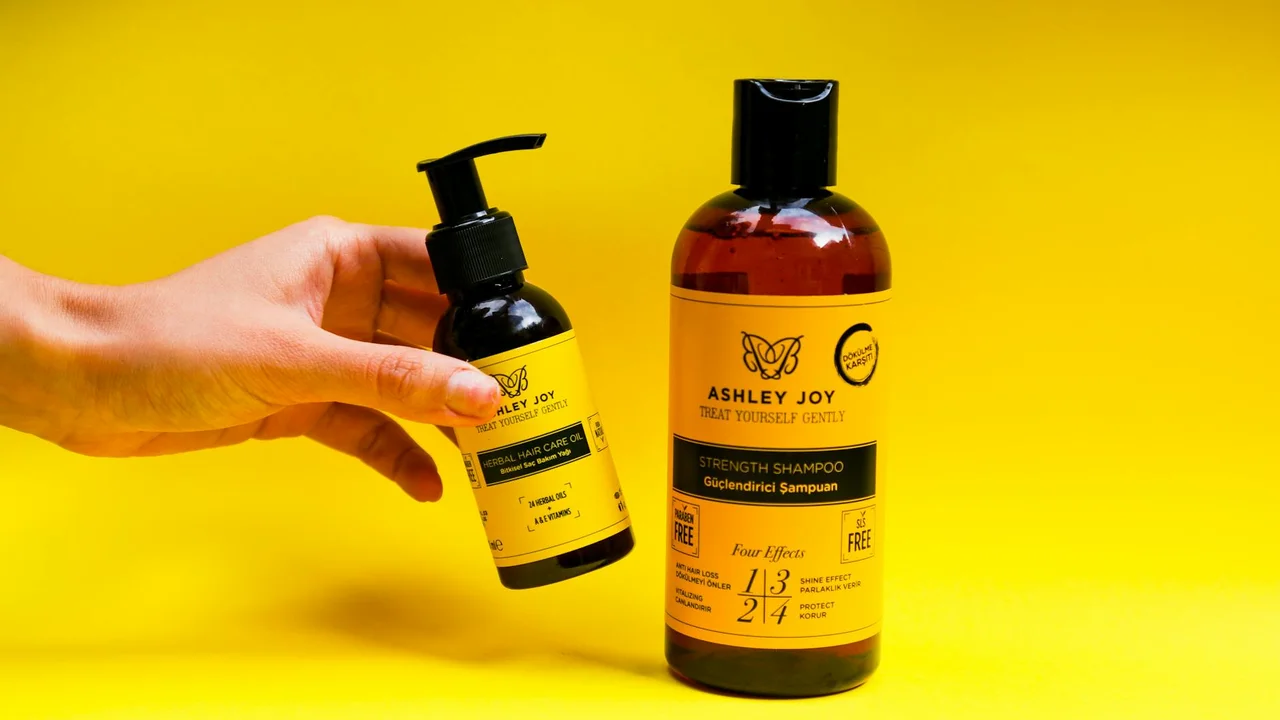
I’ve stained a pillowcase or two learning this lesson. A proper overnight treatment shouldn’t leave a greasy mark. It’s a focused therapy session for your hair, not a mess. True safety starts with respecting your oils, especially potent essential oils, by always diluting them correctly.
Step 1: Choosing and Preparing Your Oil Blend
First, pick your main carrier oil. Use the table above as your cheat sheet. For dry ends, I often reach for the rich texture of avocado oil. For a lighter feel that still moisturizes, fractionated coconut oil is a staple on my shelf.
The magic-and caution-comes with essential oils. Never apply them directly to your skin or scalp. For a standard treatment, dilute 3 to 5 drops of essential oil, like rosemary or lavender, into one tablespoon of your chosen carrier oil. This ratio keeps it effective and safe. Understanding proper dilution ratios for hair and skin helps you mix them safely with carrier oils. The right carrier oil can also improve results.
You might wonder, can you just add rosemary oil to your shampoo? You can, but it rinses away quickly. An overnight treatment lets those nurturing compounds soak in for hours. It’s the difference between a quick splash of water and a long, deep drink for your hair follicles.
Step 2: Application – Less is Truly More
Start with a tiny amount. For medium-length hair, a quarter-sized dollop in your palm is perfect. You can always add a drop more, but you can’t take it back.
Rub the oil between your palms to warm it up. This makes it easier to spread. Always apply to the mid-lengths and ends first, where hair is oldest and driest. Use any leftover residue on your fingertips for your scalp.
For your scalp, use the pads of your fingers-not your nails-to make small, gentle circles. Apply light pressure. Think of it as helping the oil settle in, not scrubbing a pan. A minute or two is plenty.
Step 3: The Essential Pre-Bed Wrap
This step saves your bedding and helps the oil absorb. Gather your hair loosely. I prefer a soft, old cotton t-shirt or a silk scarf. These fabrics are gentler than terry cloth and absorb excess oil without causing friction.
Wrap your hair and tie it loosely. Avoid tight elastic bands that can crease and break your hair overnight. If your hair is short, a loose silk bonnet works wonders.
For ultimate pillow insurance, lay a dark-colored towel over your pillowcase. It’s a simple trick that guarantees a good night’s sleep without worry.
Step 4: The Morning Refresh
Don’t panic if your hair feels a bit slick in the morning. That just means it’s time to wash it out thoroughly. A good cleanse reveals the softness and shine, not the grease.
Start with a gentle, sulfate-free shampoo. Apply it directly to your oily roots before adding water. This helps emulsify and lift the oil. Lather and rinse. You may need to shampoo twice to get that perfect, clean foundation. Condition just your ends as usual. You’ll feel the difference in the slip of your comb.
Navigating Common Oils: Coconut, Rosemary, and Blends
Let’s talk about three of the most popular oils for overnight treatments. Each one has its own personality and needs a slightly different approach.
I keep small jars of each on my own shelf for different hair moods.
Can I Keep Coconut Oil in My Hair Overnight?
Yes, you absolutely can. Coconut oil is a classic for good reason.
Its unique structure lets it penetrate the hair shaft better than many other oils, offering deep conditioning from the inside out.
But it’s not a perfect match for every hair type. If your hair is very fine, low-porosity, or gets greasy quickly, a full overnight soak might weigh it down.
For those hair types, I suggest a shorter treatment of just an hour or two.
Remember, it’s solid at room temperature. You must warm a small amount between your palms until it turns clear and liquid before applying.
My method is to scoop a pea-sized amount, rub my hands together, and then gently smooth it through my mid-lengths and ends.
Is It Safe to Leave Rosemary Oil in My Hair Overnight?
Safety first. Rosemary essential oil is only safe for an overnight treatment when it is properly diluted in a carrier oil.
You should never apply rosemary essential oil directly to your scalp or hair; this “neat” application is a common mistake that can cause serious skin irritation. There are safe ways to use rosemary, lavender, and peppermint essential oils directly on your skin when properly diluted with a carrier oil. Always perform a patch test and follow dilution guidelines before broader use.
For a nightly treatment, a gentle dilution is key. I add about 3 to 5 drops of rosemary essential oil to every tablespoon of a carrier oil like jojoba or argan.
Always do a patch test. Mix your diluted oil and dab a little behind your ear or on your inner arm. Wait 24 hours to check for any redness or itching before using it on your scalp.
This simple step gives you peace of mind for a restful night.
Understanding Pre-Made Blends (Like Mielle)
Pre-made blends take the guesswork out of dilution. A brand like Mielle formulates their rosemary mint oil with safety and efficacy in mind. You can follow this guide for proper usage instructions to maximize its benefits.
These blends are already correctly diluted in a base of carrier oils, so they are ready to use directly from the bottle.
Always check the product label for the manufacturer’s specific advice. Most will state if they are designed for overnight use.
I find these blends wonderfully convenient. They let you enjoy the benefits of essential oils without needing a dropper and a calculator on your bathroom counter.
Trust the formulation, but also listen to your hair. If a product feels too heavy, you can always adjust the amount you use or the time you leave it on.
Special Considerations and Sensitive Scenarios

Working with oils means respecting their power. These special cases help you tailor the practice safely.
For Fine or Oily Hair Types
If your hair loses volume easily, I hear you. My own hair can look flat if I’m not careful.
Stick with the lightest oils. Jojoba oil is my first recommendation. It feels like a silky serum, not a heavy grease. Argan oil is another good choice for its smooth, fast-absorbing texture.
Apply the oil only to the very ends of your hair, from the mid-lengths down. Keep it completely away from your scalp and roots to prevent that weighed-down feeling.
Start with a shorter treatment time. Try leaving the oil on for just one or two hours before your wash day. This lets you see how your hair behaves without the commitment of a full night.
Important Note: Can I Leave Coconut Oil on a Baby’s Scalp Overnight?
This needs a gentle, firm answer. I always advise parents to be very cautious here.
You must check with your child’s pediatrician before using any oil on a baby’s skin. Their guidance is the most important, especially when selecting safe and gentle oils for baby skin care.
A baby’s skin is much more permeable and sensitive than an adult’s. It absorbs things quickly and can react more easily.
For any oil, including coconut, a brief daytime test is far safer than an overnight treatment. Place a tiny dot on their skin, wait a few hours, and watch for any redness or irritation.
When to Skip a Nighttime Treatment
Listening to your body is key. There are clear times to pause.
Do not use an overnight oil treatment if you have an active scalp infection, like folliculitis, or any open sores. Also skip it if you have a known allergy to the oil you want to use, even if it is one of the recommended oils for scalp health.
Pay attention to results. If your hair consistently feels lank and greasy even after washing, the oil or the timing isn’t right for you. Switch to a lighter oil or shorten your treatment duration.
Building Your Personal Overnight Ritual
Think of this as more than a treatment for your hair. It is a quiet gift for your whole self at the end of the day.
This is your ritual. You get to choose the oil that feels right and the moment that feels calm.
The goal is to create a simple, repeatable act of care that nourishes you as much as your strands.
How Often Should You Do This?
Start slow. For most hair types, once a week is a perfect rhythm.
If your hair tends to be oily, begin with every other week and see how it responds.
Your hair will tell you what it needs. If it feels lush and soft, you are on the right schedule. If it seems weighed down, simply space the treatments out more.
I have a bottle of jojoba oil on my shelf that I reach for every Sunday night. That consistency works for me.
Creating a Soothing Sensory Experience
This is where your practice becomes truly personal. To transform the routine, engage your senses.
Before your scalp massage, add one single drop of lavender essential oil to your palm of carrier oil. Lavender’s gentle, herbal scent is a classic signal to the body that it is time to rest.
As you massage your scalp, let your focus settle on the rhythm of your fingers and the scent in the air. Take three slow, deep breaths. This turns a hair task into a grounding mindfulness practice.
The soft texture of the oil and the calming aroma make this a beautiful bridge between your day and your sleep.
Troubleshooting: If Your Hair Still Feels Greasy
If your hair feels heavy after washing, the most common fix is simple. Use less oil next time.
A little truly goes a long way, especially on the lengths of your hair.
Using a clarifying shampoo once a month can clear away any residual oil or product buildup, giving you a fresh start.
A properly applied and washed overnight treatment should leave your hair feeling deeply conditioned, not greasy. If there is residue, just adjust your amounts. You will find your sweet spot.
Your Overnight Oil Questions, Answered
How often should I do an overnight treatment?
Start with once a week to see how your hair responds. If your hair is very dry or thick, you may benefit from twice a week, while fine or oily hair might prefer every other week.
What’s the best way to avoid greasy roots?
Always apply oil to your mid-lengths and ends first, using only the slightest residual amount on your fingertips for your scalp. Choosing a lighter oil like jojoba or argan also prevents that weighed-down feeling.
I have sensitive skin. How can I test an oil safely?
Before any overnight treatment, perform a patch test by dabbing a small amount of your diluted oil blend behind your ear or on your inner arm. Wait 24 hours to check for any redness or irritation before applying it to your scalp.
Is the scalp massage step absolutely necessary?
While highly beneficial for circulation and relaxation, the primary focus for hair health is coating the strands themselves. If you’re short on time, ensure the lengths and ends are well-saturated, and gently smooth any excess oil over your scalp without a lengthy massage.
Your Nightly Ritual for Radiant Hair
The cornerstone of a successful treatment is pairing a few drops of essential oil with a generous amount of carrier oil before it touches your hair. This careful balance delivers deep nourishment safely while you rest.
I’m always sharing my latest experiments with oils for body, skin, hair, wellness, and home right here on the blog. Let your own experience guide you as much as my advice—your personal routine is the true masterpiece.
Research and Related Sources
- Does leaving oil in your hair overnight help: Know benefits and risks | – The Times of India
- Hair Oiling Overnight: Is it good or bad? – Oakwell Cosmetics
- Overnight Hair Oiling Benefits: Unlocking the Secrets, Benefits, and Precautions
- Overnight Hair Oiling: Good or Bad? – Parachute Advansed
- Is Oiling Hair Overnight Good or Bad? – Gisou EU
Noemi Kamińska
Noemi is an accomplished wellness researcher, nutrition care guide and body care expert. She has years of experience in formulating various oil combinations for full body wellness including face, hair, body care, essential oils and cooking oils. She works as a bio-formulator working with oil chemistry and analyzing the best formulations when it comes to your needs. Feel free to reach out to get your oil needs sorted.