
What Are the Best Natural Oils to Replace Common Seed Oils in Your Kitchen and Bathroom?
If you’re questioning the oils in your grocery aisle and bathroom cabinet, I understand that search. After years in my own kitchen and apothecary, I’ve found that simple, natural swaps can truly upgrade your meals and your skin’s health.
I’ll guide you through picking stable, nourishing oils that perform reliably for both cooking and skincare.
- Why smoke point and skin absorption matter most
- My top oil picks for frying, baking, and moisturizing
- How to store and use these oils safely from my own routine
Why Look for Alternatives to Common Seed Oils?
When we talk about common seed oils, I’m referring to the highly refined, clear bottles of soybean, canola (rapeseed), corn, and generic sunflower oil you see in most supermarkets.
Many folks wonder, ‘are seed oils bad?’ It’s less about the seed itself and more about how it becomes oil.
Most industrial seed oils undergo intense processing with high heat and chemical solvents, which can damage the fragile fats inside. This creates an oil that’s very stable on the shelf but not as nourishing for your body.
For skincare, the story is different. A cold-pressed, unrefined sunflower oil is a gorgeous, vitamin-rich moisturizer. The key is the words “cold-pressed” and “unrefined.”
You might also ask, ‘are seed oils used in Europe?’ Traditional Mediterranean cooking, for instance, has always favored olive oil over refined seed oils for both flavor and heritage.
Your Kitchen Cabinet Makeover: Cooking Oil Alternatives
Think of this not as a restriction, but as a flavorful upgrade. Swapping oils is one of the simplest, most effective changes you can make.
The most practical way to organize your kitchen fats is by their smoke point-the temperature at which they start to burn and smoke. I keep mine sorted for low-heat, medium-heat, and high-heat jobs.
For High-Heat Frying and Searing
When you’re frying chicken or searing a steak, you need an oil that won’t break down and turn acrid.
Avocado oil is my go-to. It has a very high smoke point and a clean, buttery taste. Ghee (clarified butter) is another champion. With its milk solids removed, ghee won’t burn like regular butter, giving you a rich, nutty flavor perfect for high heat.
Here’s a tip from my kitchen: to test if your oil is hot enough for frying, dip the handle of a wooden spoon in it. If steady bubbles form around the wood, you’re ready to cook.
For Baking, Sautéing, and Medium Heat
This is where you get to play with flavor and texture.
Unrefined coconut oil adds a gentle tropical sweetness to baked goods. For a flaky pie crust, nothing beats cold, solid fat. The jar of leaf lard from my local farmer makes the most incredible biscuits.
Good old butter is perfect for medium-heat sautés where you want that golden, caramelized fond in the pan. For a quick veggie sauté or a warm vinaigrette, a robust extra virgin olive oil adds a beautiful, peppery fruitiness. Just keep the heat moderate.
Other Tasty Options to Eat and Enjoy
Beyond the basics, some special fats can transform a meal.
Duck fat saved from a roast makes the crispiest roasted potatoes you’ll ever taste. A bottle of high-oleic sunflower or safflower oil is a neutral-toting workhorse for homemade mayonnaise.
I love using these unique fats as finishing touches-a drizzle of walnut oil over a soup, a spoonful of bacon fat in baked beans. They’re ingredients, not just lubricants for the pan.
Your Skin’s New Favorite Things: Skincare Oil Alternatives

What you eat matters for your skin, but what you put directly on it does, too. I think of seed oils in skincare the same way I do in food-highly processed and potentially irritating. The alternatives are whole, gentle, and speak your skin’s language. When you design a routine, you’ll encounter questions about the specific skin effects of palm oil and other seed oils. Understanding these effects helps you tailor products that moisturize without irritation and support your skin’s barrier.
For smoothing onto your body, you want oils that are as close to their natural state as possible. Look for the words “cold-pressed,” “unrefined,” or “extra virgin” on the bottle. This means the oil was extracted with minimal heat, keeping all the good-for-your-skin vitamins and antioxidants intact.
Lightweight, Fast-Absorbing Oils for Most Skin Types
These oils sink in quickly without a greasy film. They’re perfect for your face, neck, and even oily or combination skin. They’re even suitable for oilier complexions.
Jojoba oil is my top shelf staple because it’s not really an oil-it’s a liquid wax ester that mimics your skin’s own sebum. This makes it brilliant for balancing oil production. It feels silky, not slick. For many, the best uses for jojoba oil include face care, hair conditioning, and scalp support. Its versatility makes it a staple for face, hair, and scalp care.
Squalane (derived from olives or sugarcane) is another superstar for hydration. It’s odorless, incredibly light, and feels like a drink of water for your skin. I keep a bottle by my sink for after washing my face.
Sweet almond oil has a faint, nutty scent and a soft texture. It’s wonderfully versatile for face and hair. Argan oil, with its golden color and subtle, earthy aroma, is a bit richer but absorbs well. I use it as a finishing touch on my hair ends or a nighttime face serum.
Rich, Nourishing Oils for Dry Skin and Healing
When your skin feels tight, flaky, or needs some comfort, these thicker oils provide a protective, healing layer.
Extra virgin avocado oil is a deep emerald green and feels supremely nourishing. I use it on dry elbow patches, rough cuticles, or mix a little into my body cream in winter. It’s a treatment oil.
A good extra virgin olive oil isn’t just for cooking. Its robust, grassy scent might feel strong for your face, but it’s magnificent for a slow, moisturizing body massage or a heel-soaking foot treatment.
Coconut oil is beloved, but it can clog pores for some people. It sits in a solid white state in my cool pantry. Always patch test a small amount on your inner arm before using coconut oil on your face or body. If your skin is happy with it, it’s a fantastic, inexpensive all-over moisturizer. For acne-prone skin, many readers ask about its comedogenic rating and whether it clogs pores. Understanding this can help you decide if coconut oil fits your routine.
Simple Ways to Use Skincare Oils at Home
You don’t need complicated recipes. Start with one oil and see how your skin responds.
For a simple, all-over body oil, try this: in a 2-ounce glass bottle, mix 1.5 ounces of sweet almond or jojoba oil (your carrier oil) with 10 drops of your favorite calming essential oil, like lavender. Shake gently before each use to ensure proper blending.
The easiest method is to apply oil to damp skin right after a shower. Pat your skin dry, then pour a few drops of oil into your palms, rub them together, and smooth it over your legs, arms, and torso. The water left on your skin helps the oil absorb and seals in that moisture. Some people ask whether applying body hair oil before or after a shower yields maximum benefits. The best timing may vary with your skin and hair type, so you can try both to see what feels best.
Navigating the Grocery Aisles and Labels
Switching oils in your kitchen and bathroom starts with becoming a label detective. The ingredient list tells the real story.
You might wonder about snacks, like “do RX bars have seed oils?” The answer is on the wrapper. Look for “almonds,” “dates,” “egg whites”-not “sunflower oil” or “safflower oil.” Many whole-food bars avoid them, but you have to check every time.
For parents, the question of “are there any baby formulas without seed oils?” is a big one. Brands like Bobbie and Kendamil typically use whole milk fats instead of processed seed oils like sunflower or soy. Always consult your pediatrician, but know that cleaner oil options in formula do exist. Your job is to read the ingredient panel closely.
A high-quality oil, for eating or smoothing on your skin, will have a short, clear ingredient list. It should just say the oil’s name and maybe “extra virgin” or “cold-pressed.” Avoid bottles with words like “refined,” “bleached,” “deodorized,” or “expeller-pressed” for skincare. For cooking, a dark glass bottle or tin protects the oil from light, which keeps it fresh and stable longer.
How to Smoothly Transition to Using These Alternatives
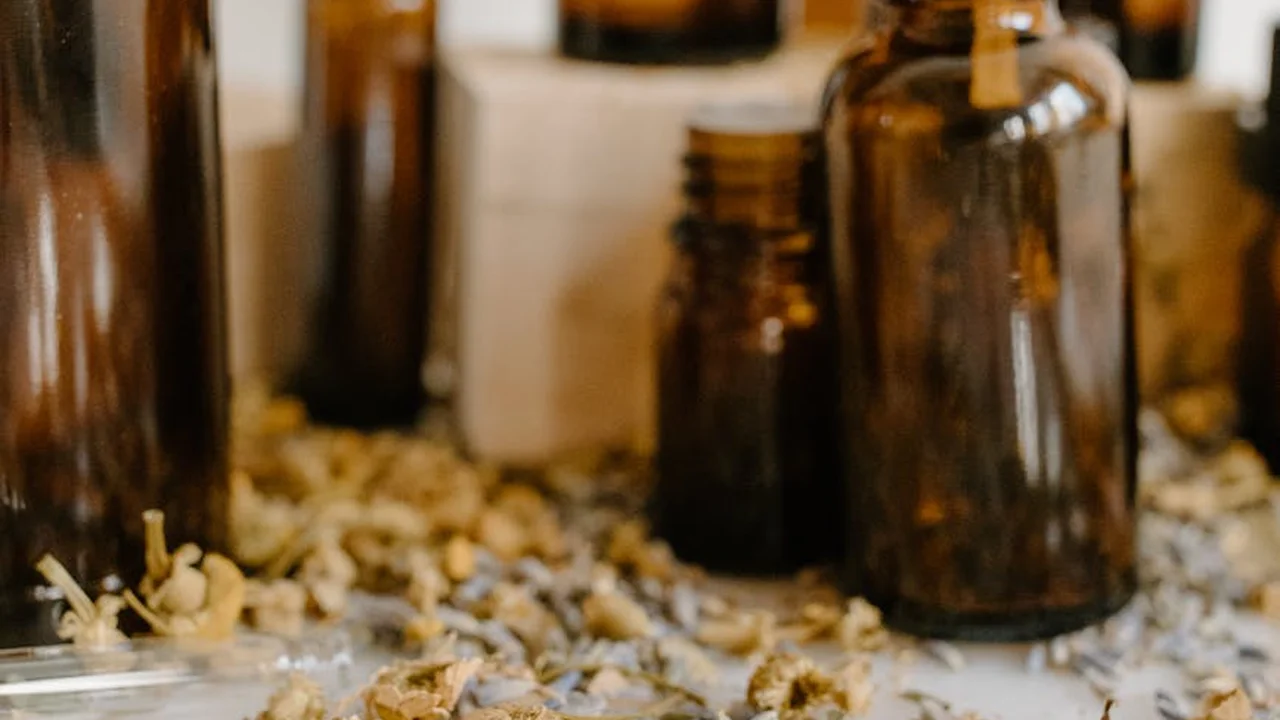
Switching oils doesn’t need to be an overnight overhaul. A gradual shift feels more natural and lets you learn what truly works for you.
Pick just one swap to begin. If you often pan-fry chicken or vegetables, replace your usual bottle with avocado oil. Its high smoke point makes it a confident, direct substitute. You might notice your food doesn’t feel as heavy. This single change can build your comfort with these new kitchen staples.
For skincare, make it effortless. I keep a small, pretty bottle of jojoba oil right by my kitchen sink. After washing dishes or hands, I pat them dry and massage in a few drops. It absorbs quickly, never leaving a greasy residue on cabinet handles. This tiny ritual turns a daily chore into a moment of simple care.
Your favorites will be personal. You might adore the rich, nutty flavor of toasted sesame oil in dressings but prefer the lightness of sunflower oil for your face. My bathroom shelf holds fractionated coconut oil for body massage, while my kitchen uses the unrefined version for low-heat baking. Give yourself permission to experiment.
When a Conversation With a Professional is Wise
While plant oils are wonderful supports, they are not replacements for professional medical advice. Certain situations call for expert guidance.
If you are managing eczema, persistent acne, or rosacea, talk to a dermatologist before introducing a new topical oil. They can help you identify potential triggers. A carrier oil that soothes one person’s skin might cause flare-ups for another. Starting that conversation ensures your skincare journey is both safe and effective.
For dietary changes, especially for children, pregnant individuals, or those with specific health conditions, a registered dietitian or your doctor is your best resource. They provide personalized advice that generic blog posts cannot. This is especially critical for infant nutrition. Your family’s unique health needs deserve a tailored plan.
Finally, remember that essential oils and carrier oils are fundamentally different. Essential oils are highly concentrated plant compounds. I never recommend ingesting them without direct supervision from a qualified aromatherapist or healthcare provider trained in their internal use. For home purposes, enjoying their aroma or using them properly diluted on the skin is the safest, most rewarding path. For skin use, the carrier oil you choose matters for safe and effective dilution, with some oils gentler on sensitive skin. In the next steps, we’ll look at the best carrier oils for skin to dilute essential oils. Respecting the potency of essential oils is a cornerstone of responsible practice.
Your Curious Questions Answered
What oil should I use for deep frying if I want to avoid seed oils?
Avocado oil and ghee are my go-to choices for deep frying because of their impressively high smoke points. They maintain stability under heat, ensuring your food cooks evenly without a greasy residue. Knowing the smoke points of different cooking oils can really help when selecting the best oil for high-heat frying.
I see a lot of debate on Reddit about seed oils. What’s your evidence-based take?
Focus on processing: industrial refining can strip oils of nutrients and create less stable fats. For cooking, I opt for heat-stable options like avocado oil; for skincare, cold-pressed oils like jojoba offer intact benefits.
Can I use the same oil for frying meat and baking?
It’s best to use separate oils: avocado oil or ghee for high-heat meat frying, and unrefined coconut oil or butter for baking. This preserves each oil’s unique properties and flavors for optimal results.
What’s a good high-smoke point oil for frying bread like doughnuts?
Avocado oil is ideal for frying bread thanks to its neutral flavor and high smoke point. For a richer taste, ghee adds a delightful, buttery note that enhances sweet treats like doughnuts.
A Well-Stocked Pantry for Body and Home
The most important step is to match the oil’s nature to its purpose. A heat-stable oil for your pan and a nurturing, non-comedogenic oil for your skin form the foundation of a truly natural routine.
I share more detailed guides and personal experiments right here on the blog. Trust your senses, start simple, and you’ll find the perfect botanical oils for your kitchen and your self-care shelf.
Related Guides and Information
- Seed Oil Alternatives: Unveiling The Dark Truth About Industrial Seed – Serenity Kids
- r/Cooking on Reddit: What is the healthiest oil alternative to seed oils like canola if you are frying?
- Alternatives to Seed Oils
- Thinking of Replacing Your Seed Oils? Read This First
- No Seed Oils: 6 Seed Oil Alternatives
Noemi Kamińska
Noemi is an accomplished wellness researcher, nutrition care guide and body care expert. She has years of experience in formulating various oil combinations for full body wellness including face, hair, body care, essential oils and cooking oils. She works as a bio-formulator working with oil chemistry and analyzing the best formulations when it comes to your needs. Feel free to reach out to get your oil needs sorted.