Which Natural Oils Truly Nourish Hair for Growth and Health?
I see you searching for answers to thin or tired-looking hair. Let me reassure you, the gentle power of botanical oils has revived countless manes on my own shelf.
I’ll guide you through the specific oils I trust for stronger, shinier hair, based on my hands-on experience.
- Oils that target the scalp to encourage growth
- How to mix them safely for your hair type
- My simple, weekly ritual for maintaining hair health
How Hair Oils Actually Work: Nourishment, Not Magic
Let’s talk about what hair oils actually do. They aren’t a magic potion that sprouts new hair from nothing.
Their core job is to act as a protective seal. They lock in your hair’s natural moisture, shield the delicate hair shaft from daily damage, and soothe a dry, irritated scalp.
This leads to the big question I hear all the time: do oils grow your hair?
Think of it this way: healthy hair grows from a healthy scalp. Oils help create that healthy environment. They reduce breakage so the hair you grow can actually reach longer lengths, and a calm, nourished scalp is a better foundation for growth.
It’s wise to contrast this with clinical treatments like minoxidil. That ingredient is designed to directly stimulate follicles. Botanical oils work differently-they support, protect, and nourish your hair’s overall health.
Your Foundation: Nourishing Carrier Oils
Carrier oils are your base. These are the pure, fatty oils pressed from nuts, seeds, and fruits.
They’re packed with nutrients like vitamins and fatty acids that directly nourish your hair and skin. They’re also what you use to safely dilute powerful essential oils.
Choosing the right one depends on your hair’s personality. A light, silky oil is a friend to fine or oily hair that gets weighed down easily. A rich, buttery oil is often what thick, curly, or very dry hair is thirsting for.
Lightweight Nourishers for Fine or Oily Hair
My go-to here is jojoba oil. It’s a liquid wax that’s remarkably similar to the natural oil (sebum) your scalp produces.
Because jojoba mimics your skin’s own oil, it can help balance an oily scalp without feeling heavy or greasy. It just gives your hair a soft, healthy shine. The bottle on my shelf gets used constantly for face, hair, and scalp care.
Hazelnut oil is another fantastic lightweight choice. It has a slightly astringent, tightening feel on the skin.
This gives it a reputation for helping to tone the scalp. It absorbs quickly and leaves hair feeling strengthened, not slick.
Rich Conditioners for Dry, Thick, or Textured Hair
When hair feels like straw, I reach for avocado oil. It’s a beautiful, deep green oil with a creamy, almost penetrating texture.
Avocado oil is exceptionally high in nutrients and monounsaturated fats, which means it can soak in to moisturize parched hair from the inside out. It’s a true treatment for serious dryness.
Many people ask me, can olive oil promote hair growth? While it won’t stimulate follicles like a drug, its power is in intense conditioning. Using olive oil as a vegetable oil option can support moisture and scalp health, which helps hair growth.
It forms a gentle, protective barrier on the scalp and hair. This deep conditioning can prevent the split ends and breakage that make hair look like it isn’t growing.
And what about almond oil? Does almond oil help hair grow? Sweet almond oil is a classic for a reason.
Rich in vitamin E, it’s a gentle smoother and softener that helps fortify the hair cuticle. Stronger hair is hair that’s less likely to break off, allowing your natural growth to become more visible. It’s wonderfully mild and a great place to start.
Essential Oils for the Scalp: Potent Botanical Support
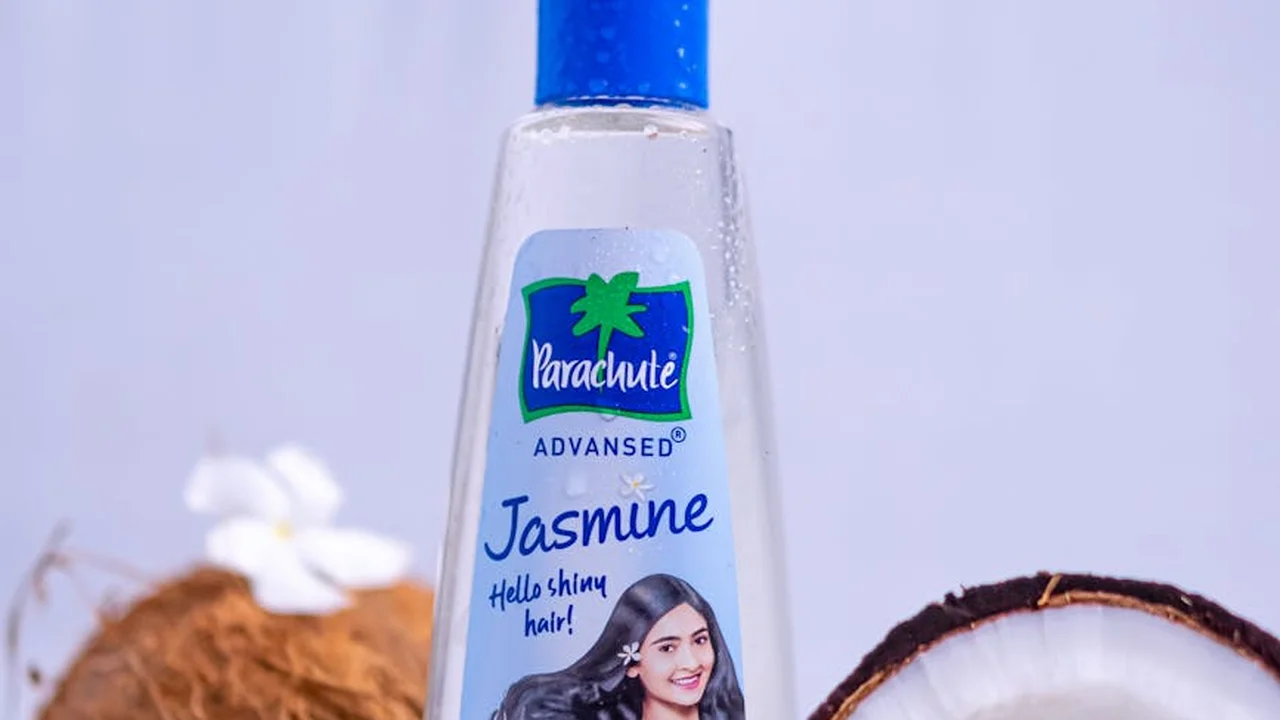
Essential oils are powerful plant extracts that offer targeted support for your hair and scalp. You must always dilute them in a carrier oil before applying them to your skin to prevent severe irritation or sensitization. I keep a small amber bottle on my mixing shelf just for making these potent blends. If you’re wondering about proper dilution ratios for hair and skin and which carrier oils to use, stay tuned. We’ll cover how to mix them safely in the next steps.
Their primary roles are to stimulate blood flow to hair follicles and to help maintain a balanced, healthy scalp environment. Think of them as active messengers that tell your scalp to wake up and support new growth.
Creating blends where oils work together is where the real magic happens. Synergy means the combined effect of the oils is greater than using any single one alone, creating a more comprehensive treatment.
Best-Supported Oils for Hair Growth
Rosemary oil is a standout for good reason. A 2015 study found it was just as effective as minoxidil (the active ingredient in Rogaine) for treating androgenetic alopecia, with less scalp itching reported. Its herbaceous, camphorous scent is like a direct wake-up call for dormant follicles.
Peppermint oil creates a distinct cooling, tingling sensation on the scalp. This feeling is linked to increased micro-circulation. The theory is that this rush of nutrient-rich blood can create a better environment for hair to grow.
Oils for Scalp Health and Balance
Lavender oil is my personal favorite for its instantly calming, floral scent. Beyond the aroma, it’s respected for its soothing properties. Since stress is a common trigger for excess shedding, a calming oil can be a valuable part of your routine.
Tea tree oil is a brilliant clarifier. If your scalp feels flaky, itchy, or just needs a reset, its purifying action can help. It works by supporting a clean and balanced scalp microbiome, which is the foundation for any growth. Many readers also consider its broader role in hair health—potential links to hair loss, ingrown hairs, and overall scalp vitality.
How to Mix and Apply Your Hair Growth Oils
Getting the dilution right is non-negotiable for safety and comfort. For scalp application, a 1-2% dilution is perfect. This table makes it simple:
Start with the lower number if your scalp is sensitive.
Simple Scalp Serum Base
Mix 1 ounce of your chosen carrier oil (like jojoba or pumpkin seed) with 6-8 drops of your selected essential oils. A classic blend I use is 3 drops rosemary, 2 drops peppermint, and 3 drops lavender. Store this in a dark glass dropper bottle and apply it 2-3 times per week, focusing on your scalp. If you’re unsure about which oils to choose, check out our guide on best oils for scalp health, dandruff, and hair loss prevention.
Pre-Shampoo Treatment
For a deeper treatment, warm a generous amount of your oil blend (or just a plain carrier oil like coconut or olive) and coat your hair from roots to ends. Wrap your hair in a towel or shower cap and leave it on for at least 30 minutes, or even overnight, before shampooing as usual.
A Note for Textured Hair Routines
For hair growth oils diy for black hair, the same scalp serum base works wonderfully. After applying to your scalp and massaging, take the residual oil on your hands and gently smooth it over your ends to seal in moisture. This is especially beneficial before protective styles like braids or twists, as it nurtures the scalp and protects the ends-your oldest and most fragile hair.
Application Technique
Part your hair into sections to ensure the oil reaches your scalp. Use your fingertips (not nails) to massage the oil in with firm, circular motions. This massage further boosts circulation. Don’t forget your hair ends if using a treatment oil to prevent splitting.
Lightweight Hair Growth Oil Spray
For a daily refresh, make a simple spray. Add 10-15 drops of your essential oil blend to a 2-ounce spray bottle, then fill the rest with water. Shake vigorously before each use to disperse the oils, and mist lightly onto your scalp between washes. It’s a simple way to remove excess oil from hair without washing. Great for days you want a quick refresh. The water makes it very lightweight and non-greasy.
Common Mistakes and How to Avoid Them
Getting excited and pouring oil straight from the bottle is a recipe for a bad hair day. I’ve done it myself. These common slip-ups can set you back, but they’re easy to fix with a little know-how.
Using Too Much Oil
More is not better. A heavy, greasy scalp can clog follicles and actually work against your goals. Think of it as moisturizing your face-you use drops, not a full ounce.
Start with a teaspoon of your carrier oil for your entire scalp. You can always add a drop more if you need it. Your hair should feel nourished, not weighed down or slick.
Applying Essential Oils Neat
This is a major safety rule. Pure essential oils are incredibly potent and can cause serious burns, irritation, or sensitization on your scalp.
Always, always dilute them in a carrier oil. I think of it like making lemonade: the essential oil is the potent lemon juice, and the carrier oil is the water that makes it safe and enjoyable to use. A good starting point is about 6 drops of essential oil per tablespoon of carrier oil, following proper mixing guidelines.
Skipping the Patch Test
Your friend’s miracle blend might be your skin’s nightmare. A patch test saves you from a full-scale reaction.
Mix a small amount of your new oil blend and apply a dime-sized amount to your inner forearm. Cover it with a bandage and leave it for 24 hours. If you see any redness, itching, or swelling, wash it off and do not use that blend on your scalp. The one on my own shelf right now, a rosemary and jojoba mix, got this test first.
Aggressive Washing After Oiling
Your hair is most fragile when it’s wet and saturated with oil. Scrubbing hard at your roots can lead to unnecessary breakage.
Gently work your shampoo into your scalp with your fingertips, not your nails. Let the shampoo do the work. You might need to shampoo twice to fully remove the oil, and that’s perfectly normal.
Expecting Instant Results
Hair grows slowly. Natural care works with your body’s rhythm, not a marketing deadline. You won’t see new inches in a week.
Commit to a routine for at least three months. Take a picture of your part or hairline when you start. Consistency over weeks and months is what changes the game, not a single powerful application. Progress is often felt-a softer scalp, less breakage-before it’s dramatically seen.
When to Seek Professional Help
Natural oils are wonderful for general care and common thinning, but they are not a cure for every condition. Science shows how sebum and natural oils balance scalp production to keep hair healthy. Your scalp’s health is a window to your overall wellness.
Some signs tell you it’s time to call a doctor. Sudden, patchy hair loss where you get smooth, coin-sized bald spots is a big one. A scalp that is painful, intensely itchy, or has a burning sensation needs a professional look. If hair loss comes with a rash, flaking that isn’t typical dandruff, or pus-filled bumps, don’t try to oil your way through it.
These could be signs of conditions like alopecia areata, fungal infections, or significant hormonal shifts that require medical diagnosis. A dermatologist can identify the root cause.
Seeing a professional doesn’t mean abandoning your oils. I frame it as building a team. Your dermatologist handles the internal diagnosis and medical treatment. You provide the consistent, gentle scalp care and nourishment with your oils. Professional advice works with your natural oil routine, not against it, creating a complete approach to hair health.
Quick Answers from My Shelf
Do men and women need different hair growth oils?
The core oils that nourish the scalp and hair are the same for everyone. The difference often lies in the cause of thinning; for hormone-related hair loss, consistency with a scalp-nourishing routine is key, and a dermatologist’s insight is invaluable.
What’s the best oil blend for fine hair that gets greasy easily?
Stick with a lightweight carrier like jojoba or hazelnut oil as your base. Avoid heavy oils and dense butters, and focus your application on the scalp only, not the lengths, to prevent weighing hair down.
Is a hair growth oil spray as effective as a serum?
A spray is excellent for lightweight, between-wash scalp refreshers and distributing light oils on lengths. For deeper, targeted scalp nourishment, a direct oil serum applied with a dropper allows for better concentration and massage.
Are some brands of natural oil better than others?
Absolutely. Look for brands that state “100% pure,” use dark glass bottles, and provide botanical names and country of origin. Quality and purity matter far more than fancy marketing for effectiveness.
What does the science actually say about oils for growth?
Studies, like the one on rosemary oil, show promising results for certain conditions by improving scalp environment and circulation. View oils as powerful, evidence-supported partners in hair health, which is the foundation for visible growth.
Your Hair’s Herbal Journey Forward
The most effective approach is to build a simple, consistent routine with a carrier oil that loves your hair type. From there, you can carefully introduce essential oils to address specific needs, creating a personalized treatment from nature’s own apothecary.
I share ongoing recipes and insights from my own blending sessions right here on Botanical Oils. Trust your senses and your hair’s response as you explore these oils for your body, skin, and overall wellness at home.
Related Guides and Information
- Treat Your Scalp and Hair to Extra TLC this Season with These Derm-Approved Hair Growth Oils and Serums
- Amazon.com: Hair Growth Oil
- r/beauty on Reddit: Best hair growth oil please 🥺💕
- Scalp Stimulator | Hair Growth Oil
Noemi is an accomplished wellness researcher, nutrition care guide and body care expert. She has years of experience in formulating various oil combinations for full body wellness including face, hair, body care, essential oils and cooking oils. She works as a bio-formulator working with oil chemistry and analyzing the best formulations when it comes to your needs. Feel free to reach out to get your oil needs sorted.