
Is Peppermint Oil Safe for Dogs? What Every Pet Owner Needs to Know
As a pet owner who loves using essential oils, that fresh, minty scent can suddenly feel worrisome when your furry friend is nearby. I’ve been right where you are, pausing with the bottle in hand, wondering if the very thing that clears my head could harm my dog.
The truth about peppermint oil and dogs isn’t a simple yes or no-it’s about how you use it.
- Using diffusers around dogs
- Risks of topical application
- What happens if a dog ingests it
- How to spot trouble and safer alternatives
Key Takeaways
Let’s start with the most important points. I keep these guidelines on a note right above my oil shelf.
Peppermint oil is not casually safe for dogs and requires your full attention and respect.
Always follow these three rules first.
- Never use it undiluted on your dog’s skin or in their space.
- Avoid any chance of your dog ingesting it, even in tiny amounts.
- Watch your dog closely for any changes in behavior or breathing when it’s in the air.
A dog’s nose is a masterpiece. It is thousands of times more sensitive than ours. What smells fresh and clean to you can be an intense, overwhelming chemical cloud to them. This makes diffusers a real point of caution.
You have good intentions. I know you’re looking for natural solutions for a fresh home or pesky fleas. Gentler botanical alternatives, like cedarwood or lavender, are often a much better starting point for common issues. We’ll explore those together.
Peppermint Oil 101: A Potent Plant Extract
Peppermint essential oil is the steam-distilled essence of the Mentha piperita herb. It is wildly concentrated. Imagine needing over a pound of peppermint leaves to make one tiny bottle of oil. That gives you an idea of its power.
For us, it creates that famous cooling tingle on the skin. The scent is sharp, green, and bracingly minty. I use a drop in my DIY cleaning sprays and love the wake-up feeling of it in my morning shower diffuser blend.
It’s no wonder dog owners ask about it. You might hope its fresh scent can tackle pet odors in the home. You may have read that it repels insects and wondered about fleas. Perhaps you’ve seen it in soaps and thought about your dog’s itchy skin.
This leads us straight to the heart of the matter: can dogs be around this potent oil safely? The answer is nuanced, not a simple yes or no. It depends entirely on how you use it. Let’s break that down.
Understanding the Real Risks for Your Dog

Let’s be direct. Straight from my apothecary shelf to your home: peppermint oil can be toxic to dogs, and the risk is highest with the pure, concentrated essential oil. What feels invigorating to us can overwhelm their system.
Dogs process these potent botanicals very differently. Their livers lack certain enzymes we have, making it hard for them to break down and eliminate the strong compounds in peppermint oil. This can lead to a toxic buildup. Their sense of smell is also phenomenally stronger. A scent that seems light to us can be an intense, irritating cloud for them, affecting their delicate respiratory tracts.
This brings us to a vital question: can dogs eat peppermint oil or have it ingested? Ingestion is the most dangerous route of exposure, whether they lick a drop off the floor or get ahold of a poorly diluted product. Never add peppermint oil to your dog’s water or food thinking it’s a treat. What’s in my diffuser or a skin salve for me is strictly for human use only.
Recognizing Signs of Trouble
If your dog has a negative reaction, their body will tell you. Watch for these specific signs:
- Excessive drooling or foaming at the mouth
- Vomiting or an upset stomach
- A wobbly, uncoordinated gait, like they’re dizzy
- Red, irritated skin where oil made contact
- Pawing at the mouth or face
This leads to another common worry: are dogs allergic to peppermint oil? What looks like an allergy is often a symptom of toxicity or simple irritation. A true allergy involves the immune system, while toxicity is a poisoning from an overload their body can’t handle, similar to when plants are overexposed to peppermint oil. Both are serious and require you to stop exposure and call your vet.
Pay special attention to their breathing. Difficulty breathing, coughing, or wheezing is a critical sign, often linked to diffuser use where oils are airborne. If I’m using a diffuser in my home office, I always keep the door closed and ensure my own pup is in a different, well-ventilated part of the house. Seeing any severe symptom means it’s time for immediate veterinary care, not a wait-and-see approach.
Navigating Diffusers and Home Scents
Yes, diffusing peppermint oil can hurt dogs. The vaporizer turns the oil into a fine mist that hangs in the air. Your dog breathes in those tiny particles, and the strong menthol can irritate their sensitive nose, throat, and lungs. It changes the air quality from safe to potentially stressful for their system.
If you use a diffuser in a home with dogs, you must adjust your habits. I follow a strict set of rules with my own diffuser to keep my pets comfortable.
- Prioritize ventilation. Always diffuse in a room with an open window or a fan running. Stale, scented air is much harder on your dog.
- Shorten the duration. I never diffuse for more than 30 minutes when my dog is inside. Brief, intermittent sessions are far safer than all-day use.
- Choose oils thoughtfully. Skip peppermint, eucalyptus, and tea tree. Look for oils with a softer, gentler aromatic profile for any home use.
Dogs can absolutely smell peppermint oil in a diffuser-their powerful sense of smell detects it instantly. For a truly safe practice, avoid diffusing peppermint oil around dogs entirely and choose a different path to a fresh-smelling home.
Creating a Dog-Friendly Ambiance
You can freshen your home beautifully without relying on risky oils. My go-to method is a simple simmer pot on the stove. I add lemon peels, a few sprigs of fresh thyme, and cinnamon sticks to water. It fills my kitchen with a warm, comforting aroma that feels natural and safe.
If you still want the subtle benefits of a diffuser, a couple of essential oils are often better tolerated. Lavender and sweet orange are examples, but they require extreme caution. I dilute these oils to a much weaker strength than for human use, often just one drop in a full diffuser tank, and I always monitor my dog’s reaction closely.
Placement matters as much as the oil you choose. Always put your diffuser in a high, out-of-the-way spot like a tall shelf. Make sure the area is well-ventilated and never place it near your dog’s favorite sleeping nook or food bowl. This helps the scent disperse gently without overwhelming your pet.
Considering Topical Use on Your Dog’s Skin
So, can you put peppermint oil on your dog? My honest answer is rarely, and only with extreme care and a specific purpose from your vet. And even then, only in safe manners such as diffusers.
Their skin is different from ours, more sensitive and often covered in fur they can lick. A bottle labeled “food grade” or “therapeutic” is not a green light for canine use.
If You Choose to Apply: Dilution is Non-Negotiable
If your veterinarian has suggested trying a highly diluted topical application, the rule is simple: more is not better. I use a guideline that is far more cautious than for humans.
I would consider one single drop of peppermint essential oil mixed into four full tablespoons of a mild carrier oil as a maximum starting point. This creates a very gentle solution.
Good carrier oils for dogs include fractionated coconut oil (it stays liquid) or plain sweet almond oil from my own shelf. They help spread the potent essential oil safely.
Before any wider application, you must do a patch test. Dab a tiny bit of your diluted mixture on a small, inconspicuous spot, like the inner leg. Watch that area closely for a full 24 hours.
Look for any redness, swelling, or signs your dog is bothering the spot. If you see anything concerning, wash it off with a gentle pet soap and do not proceed.
Addressing Fleas and Itchy Skin
Many folks search for peppermint oil for dogs fleas or itchy skin, hoping for a natural fix. I understand the urge.
That sharp, cooling sensation we feel can sometimes calm an itch, but for many dogs, it does the opposite and causes a stinging irritation. It can easily aggravate the problem you are trying to solve.
For persistent issues, your vet can recommend proven, dog-safe alternatives that are formulated for their physiology. Applying any essential oil mix near their delicate ears, nose, or on broken, scratched skin is particularly risky and should be avoided—especially when unsure about their safety, such as with lavender oil around pets.
Common Mistakes and How to Avoid Them
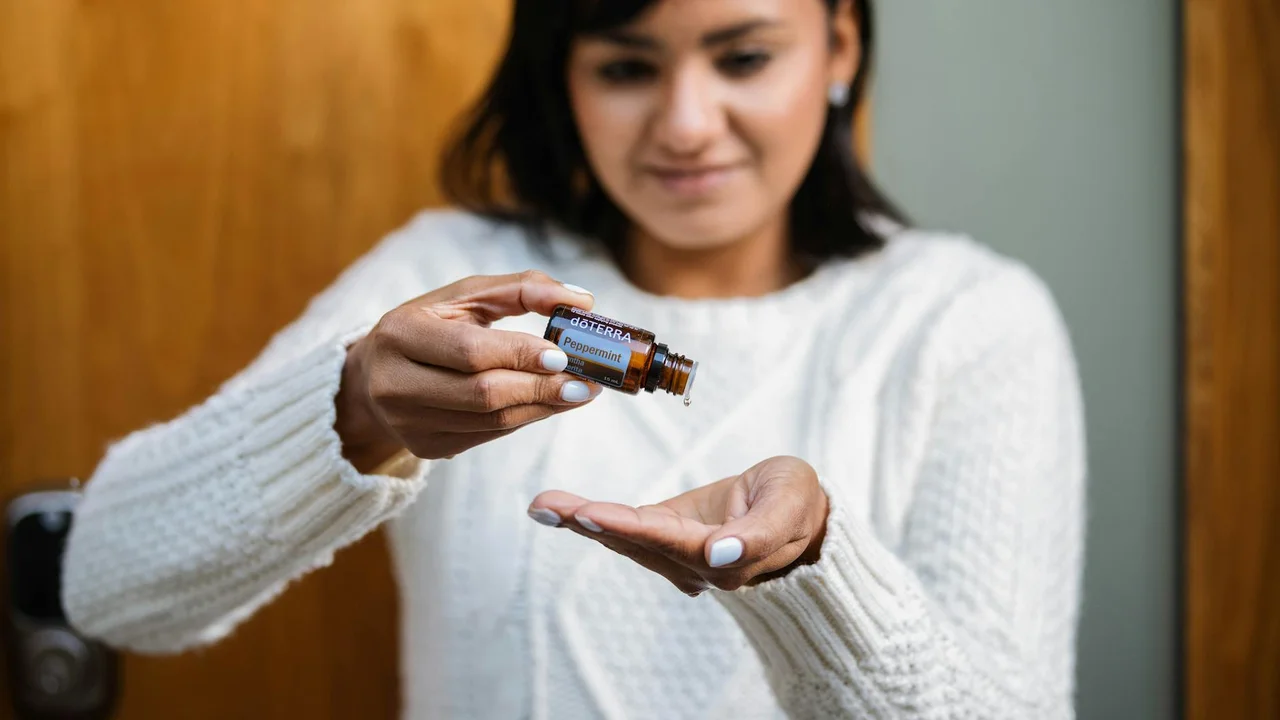
Working with oils around our pets means learning a new set of rules. I keep my dog’s safety in mind just like I do my own skin. Here are the slip-ups I see most often, and exactly how to steer clear.
Applying Undiluted Oil Directly
This is a big one. A dog’s skin is more sensitive than ours. That tingly, cool sensation we love from peppermint can be an intense burn for them.
- Error: Putting a drop of pure peppermint oil on your dog’s coat or skin, especially for fleas or sore muscles.
- Correction: Always, always dilute first. For a healthy, average-sized dog, I start with one drop of peppermint essential oil in one tablespoon of a gentle carrier oil like fractionated coconut oil. Mix it well in your palm before any application.
Think of the essential oil as a powerful concentrate that needs to be buffered by a mild, skin-friendly oil.
Running a Diffuser Constantly in a Closed Room
Our noses adjust, but for a dog, a closed room with a diffuser is like being stuck in a powerfully scented closet. They can’t leave, and the molecules build up in the air they breathe.
- Error: Letting a diffuser run for hours in a room where your dog sleeps or rests with the door closed.
- Correction: Practice intermittent diffusion. I set a timer for 15-20 minutes, then give the room a long break of an hour or more with the diffuser off and a window cracked. Always ensure your dog has a clear path to leave the room if they want to.
Short, occasional bursts of scent are far safer than a constant aromatic fog.
Assuming Human-Safe Dilutions Are Safe for Dogs
My 2% dilution for a muscle rub is not my dog’s 2% dilution. Their metabolism is different. What is soothing for us can be overwhelming for their smaller bodies.
- Error: Using your own pre-diluted rollerball or lotion on your pet because it’s “already diluted.”
- Correction: Create separate, dog-specific blends. For topical use, a 0.5% dilution (that’s about 1 drop of essential oil per 2 tablespoons of carrier oil) is a much safer starting point for occasional use on a large dog. For smaller dogs, I avoid peppermint oil topically altogether.
Ignoring Early Signs of Discomfort
Dogs communicate with body language, not words. Those early, subtle signs are their way of saying the scent is too strong.
- Error: Not noticing or dismissing behaviors like sneezing, snorting, pawing at the nose, or suddenly leaving the room when the diffuser starts.
- Correction: Become a keen observer. The moment you see any sign of irritation, turn off the diffuser, offer fresh air, and give your pet space. Respect their “no.” It’s the best feedback you’ll get.
Your dog’s behavior is the most reliable guide to whether an oil is working for them or against them. I watch my own dog closely, and if he gets up and moves to another room, I know my blend was for me, not for us.
When to Seek Professional Help
Trust your gut. If something feels off with your dog, it probably is.
Act fast if you see clear red flags like vomiting, drooling, trouble breathing, or a wobbly, dazed walk. Severe lethargy, where your pup won’t get up or respond, is a major warning sign. If they ingest any amount of pure peppermint oil, that’s an immediate call for help.
In these moments, stay calm but move quickly. Grab the bottle of oil you used.
Contact your veterinarian or a pet poison control center right away, with the oil bottle in your hand. They need to know the exact product name and ingredients to give the best advice. Having it ready saves precious time.
I keep my vet’s number and the ASPCA Animal Poison Control number (888-426-4435) on my fridge and in my phone. It’s a simple step that brings huge peace of mind.
The safest path is to talk with your vet before using any essential oil around your pet.
Always consult your veterinarian before introducing a new oil to your home, especially in a diffuser. They know your dog’s unique health history and can give you personalized, safe guidance. It’s the most caring choice you can make for them, especially when considering oils like eucalyptus oil.
Your Top Questions, Answered
Is “food grade” peppermint oil safe for my dog?
“Food grade” refers to human consumption standards, not canine safety. It remains a highly concentrated essential oil that is risky for dogs to ingest or have applied to their skin.
My dog drooled after smelling peppermint oil. Is this serious?
Yes, excessive drooling is a common early sign of irritation or toxicity. It signals you should immediately remove your dog from the scent and ensure fresh air.
Can I ever safely use a diffuser with peppermint oil around my dog?
For true safety, it’s best to avoid peppermint entirely in diffusers. If you must, use extreme caution: one drop in a large tank, diffuse for under 15 minutes in a ventilated room your dog can leave, and watch them closely.
Can I use peppermint oil on my dog’s itchy skin or for fleas?
It can easily worsen irritation, so I don’t recommend it. Always consult your veterinarian first for a dog-specific, proven solution for skin conditions or parasite control.
I saw advice about using peppermint oil for dogs on Reddit. Should I trust it?
Online forums share personal anecdotes, not professional advice. Please consult your vet before trying any essential oil application on your pet, as they know your dog’s unique health profile, especially when considering essential oils for canine health and safety.
A Final Word on Peppermint and Pet Safety
Respectful dilution and mindful placement form the foundation of using any essential oil, like peppermint, around your dog. This careful approach lets you enjoy the vibrant aroma while safeguarding your pet’s health by ensuring proper dilution and mixing of oils.
I offer more guidance on blending oils for body, skin, hair, and home right here. Trust these principles and your own growing intuition to build a truly nurturing space for your whole family.
Further Reading & Sources
- Is Peppermint Oil Safe For Dogs? Vet Approved Advice – Vetnique
- Is Peppermint Essential Oil Safe for Dogs? | Sundays for Dogs
- Is Peppermint Oil Safe for Dogs? | Nikura
Noemi Kamińska
Noemi is an accomplished wellness researcher, nutrition care guide and body care expert. She has years of experience in formulating various oil combinations for full body wellness including face, hair, body care, essential oils and cooking oils. She works as a bio-formulator working with oil chemistry and analyzing the best formulations when it comes to your needs. Feel free to reach out to get your oil needs sorted.