
What Can Castor Oil Do for Your Skin, Hair, and Health?
You might have seen that thick, amber bottle on my shelf and felt curious or skeptical. After a decade in my herbal kit, I trust castor oil for its deep, almost waxy texture that truly nourishes from the outside in.
I will show you how this simple oil can become a multi-purpose hero in your daily routine.
- Its profound benefits for skin hydration and repair
- How it strengthens hair and soothes the scalp
- Its supportive role in digestive and immune health
- Practical, safe ways to use it effectively
Getting to Know This Thick, Nourishing Oil
Castor oil comes from the seeds of the Ricinus communis plant. It has a famously thick, almost syrupy texture that feels very different from light oils like jojoba or fractionated coconut oil.
Think of the difference between thin maple syrup and thick, raw honey. That’s the kind of viscosity you’re working with.
You’ll often see labels like “cold-pressed” or “hexane-free.” Cold-pressed means the oil was squeezed from the seeds without high heat, which helps keep its nutrients intact. Hexane is a chemical sometimes used to extract oil. A hexane-free bottle means you’re getting a cleaner, purer product straight from the seed.
The magic behind this oil is a unique fatty acid called ricinoleic acid. This compound is why castor oil feels so deeply moisturizing and is known for its soothing properties.
Known as ‘aceite de ricino,’ its uses are shared across many home apothecaries. I always have a bottle in mine.
Castor Oil for Your Skin: A Deep Moisturizer
Castor oil is highly occlusive. This means it forms a protective, hydrating barrier on your skin that locks moisture in, especially when used on facial skin. It’s like a cozy, nourishing shield for parched skin.
It shines at soothing stubborn dry patches. Rough elbows, ashy knees, and brittle cuticles soften up beautifully with consistent use.
For a clean, moisturized complexion, a tiny, well-diluted amount can support skin that feels balanced and supple.
Many folks ask about using it for dark spots. While it’s wonderfully hydrating and can improve skin texture, it doesn’t directly lighten pigmentation. Think of it as supporting overall skin health, not as a spot remover.
Never use undiluted on the face, as it can clog pores for some. Always mix it with a lighter carrier oil.
Try this simple cuticle and dry patch salve: In a small bottle, combine one part castor oil with two parts sweet almond oil. Shake well. Massage a drop into each cuticle and onto any rough spots before bed.
Can You Use Castor Oil on Your Face and Eyes?
You can, but with extreme caution and proper dilution. The eye area is very sensitive.
A safe guideline is to use it as a small part of a facial serum. A gentle blend is one part castor oil to nine parts of a light, fast-absorbing oil like rosehip seed or jojoba.
I keep a tiny roller bottle of this diluted blend for my brows and lash lines, but I’m always careful to avoid the eye itself. A little goes a very long way.
Castor Oil for Your Hair: Nourishment from the Scalp Down
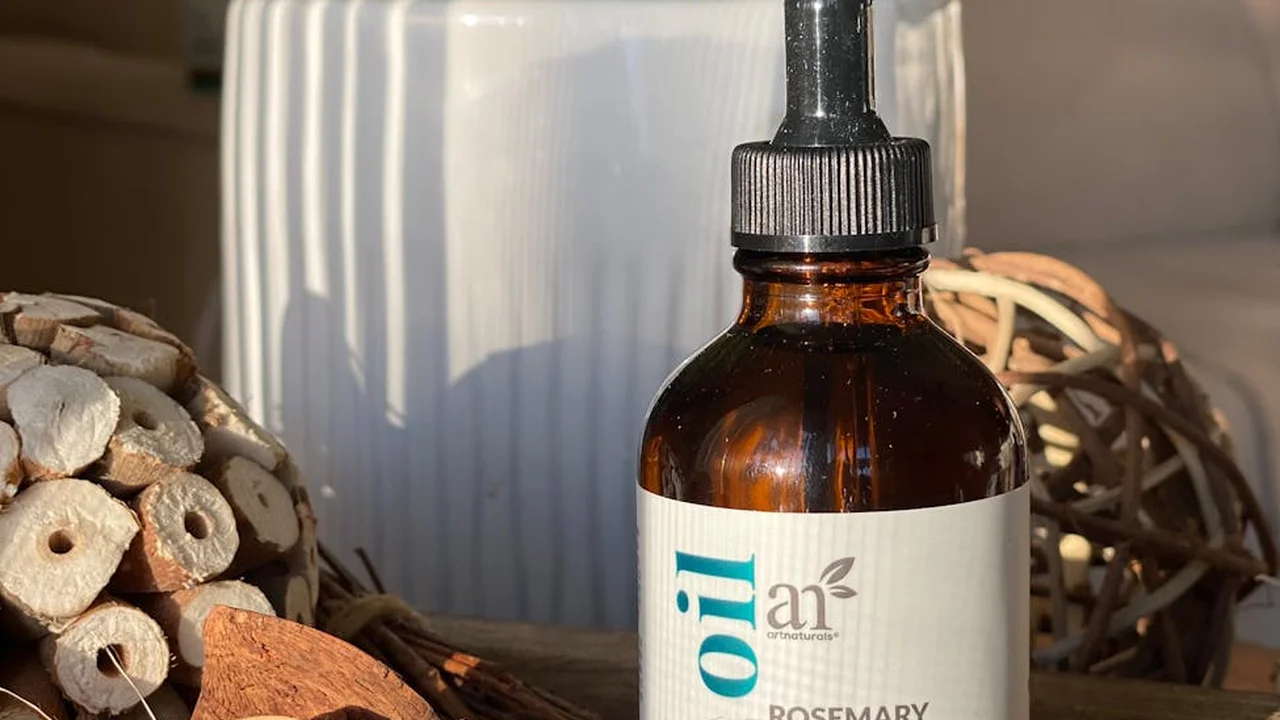
Think of your scalp as the soil for your hair. When that soil gets dry and tight, everything struggles. Castor oil is a deep, penetrating moisturizer for your scalp. Its thick, viscous texture helps seal in hydration and its ricinoleic acid can promote better circulation where it’s applied.
Better blood flow brings more nutrients to your follicles, creating a healthier environment for the hair you have.
Let’s talk about hair growth expectations honestly. I keep a bottle in my client consultation kit for this exact conversation. Castor oil will not magically sprout new hair where follicles have stopped working for good. What it does is far more fundamental. It addresses the dryness and irritation that can hinder your hair’s natural cycle. Some clients also ask about peppermint oil and how its efficacy and application differ from castor oil. We’ll compare castor oil vs peppermint oil and explain the practical differences in the next steps.
A calm, well-moisturized scalp is the strongest foundation you can build for healthy growth. You’re not forcing new growth, you’re nurturing the potential that’s already there.
How to Use It: A Simple Pre-Shampoo Treatment
Because it’s so thick, I rarely recommend using castor oil straight on your hair lengths. It’s a scalp treatment. The goal is to get it right where the roots are. For this, I keep a few old, clean applicator bottles with pointed tips on my shelf. This helps apply natural hair growth oils for maximum effectiveness.
- Mix your castor oil. For most, blending it with a lighter oil like jojoba or almond (about a 1:1 ratio) makes it much easier to spread.
- Section your dry hair and apply the oil blend directly to your scalp, massaging it in with your fingertips for a few minutes. It should feel soothing, not heavy.
- Leave it on for at least 30 minutes. For a deeper treatment, you can leave it for a few hours.
- Shampoo thoroughly. You will likely need to shampoo twice to remove all the oil. This is normal and key to avoiding buildup.
Your Questions, Answered
“How long until I see results?” Patience is your friend here. Scalp health is a marathon. I tell clients to try a weekly treatment for a solid month. You might notice less itching or flaking first. Changes in hair texture or fullness come later.
“Can I sleep with it on?” You can, but it’s messy. If you do, wrap your hair in a soft scarf or a shower cap (I have a dedicated “oil cap” for this). Use an old pillowcase. Be prepared for a very thorough wash in the morning.
A quick note on black castor oil. This is simply a traditional variation where the beans are roasted before pressing, giving the oil a darker color and a distinctive, smoky scent. Some people prefer it for hair. The fundamental properties are similar, so choose based on the scent and texture you like. Authentic Jamaican black castor oil is often linked to specific hair benefits like scalp nourishment and smoother, shinier strands.
Castor Oil for Wellness and Comfort
Let’s talk about using castor oil to feel better. First, a vital rule: this is for your skin, not your insides. I only recommend taking castor oil internally if a healthcare professional specifically directs you to do so.
Using it on your skin is a different, gentler story. My favorite way is the classic castor oil pack.
The Soothing Castor Oil Pack
This is a simple, time-tested method. You soak a soft cloth in the oil, place it on your body, and add warmth. It’s wonderfully simple. For more on applying body oil correctly, see techniques and tips in the next steps. It also covers common mistakes to avoid.
I keep a dedicated flannel cloth and a hot water bottle in my cupboard for this. Here is how you do it:
- Fold a piece of flannel or wool (about the size of a dinner napkin) into three layers.
- Soak it in cold-pressed castor oil until it’s damp but not dripping.
- Place the cloth directly on your skin over your lower abdomen for digestive comfort or on a stiff, achy joint.
- Cover the cloth with plastic wrap or an old towel.
- Place a heat source, like a hot water bottle or heating pad on a low setting, on top.
- Rest with the pack in place for 45 to 60 minutes. I use this time to read or listen to music.
- Afterward, wipe the area clean with a warm washcloth and some baking soda or a gentle soap.
You can store the oiled cloth in a sealed glass container in the fridge and reuse it many times, just adding a little fresh oil for each use.
How This Simple Pack Can Help
That thick, viscous oil creates a barrier that helps your skin absorb warmth deeply. The key component, ricinoleic acid, is thought to be soothing.
When I place a warm pack on my lower back after gardening, I feel a gentle, comforting warmth that eases the stiffness. This isn’t a scientific claim, but a personal observation from years of use.
Historically, this method has been cherished for providing localized comfort, soothing minor skin irritations, and supporting a feeling of relaxed circulation in the area. It’s a form of slow, mindful self-care.
Answering Your Wellness Questions
Many folks ask if it’s good for the stomach. Applied topically as a pack, the warmth can be very comforting for occasional abdominal tension or cramping. The effect is from the outside, through the skin.
Another common question is about putting oil in the belly button. From my perspective, this is simply a way to moisturize the delicate skin there. I put one tiny drop of castor oil on my finger, massage it into the navel and the surrounding skin. It’s just a spot treatment.
For general aches in muscles or joints, the castor oil pack is my first recommendation. The combination of the oil and gentle heat can help those areas feel less tight and more mobile.
A Necessary Word of Caution
Castor oil is powerful, and some people should avoid using it in this way. Safety always comes first in my practice, especially when using it on pets, as not all castor oil is safe for dogs.
- Pregnant women should not use castor oil packs, as the oil has traditional associations with stimulating uterine activity.
- If you have a digestive condition like appendicitis, ulcers, or a bowel obstruction, do not use an abdominal pack.
- Never apply castor oil to broken, cut, or severely irritated skin.
When in doubt, have a chat with your doctor. This old remedy is a wonderful tool, but it’s not for every person or every situation.
How to Use Castor Oil Safely and Effectively
Castor oil is a powerhouse, but its thick, sticky texture means we need a few ground rules. Think of these as my personal apothecary guidelines, learned from many years of trial and a few sticky errors.
Rule 1: Dilution is Non-Negotiable
Pure castor oil is like raw honey-incredible, but too heavy to use straight. You must dilute it with a lighter “carrier” oil. Diluting makes it easier to apply, helps it absorb better, and prevents clogged pores or scalp buildup.
Para que sirve mejor? I love thinning it with lighter oils like jojoba or sweet almond oil. Jojoba mimics our skin’s natural sebum, making it a perfect partner for facial blends.
| For This Use… | Try This Dilution | My Go-To Mix |
|---|---|---|
| Hair & Scalp Treatment | 10-20% Castor Oil | 1 part castor oil to 4-9 parts jojoba oil |
| Facial Oil or Serum | 5-10% Castor Oil | 3-5 drops castor oil in 1 teaspoon rosehip seed oil |
| Body Moisturizer (for very dry spots) | Up to 30% Castor Oil | 1 part castor oil to 2 parts sweet almond oil |
| Lash/Brow Serum | 10-15% Castor Oil | 1 drop castor oil in 9 drops pure argan oil |
Rule 2: Patch Test That Thick Potion
Always do a patch test by applying a dime-sized amount of your diluted mix to your inner forearm, waiting 24 hours, and checking for any redness or irritation.
Rule 3: Less is More
A little goes an incredibly long way. For your face or scalp, start with a single pea-sized amount of your diluted mixture-you can always add more if needed. Using too much is the fastest way to feel greasy and discouraged.
On my own shelf, I keep a pre-diluted bottle for my hair and a separate, more diluted one for my face. This makes my nightly routine simple and mistake-proof.
How Often Should You Use It?
For hair treatments, once or twice a week is plenty. For very dry skin patches like elbows or heels, you can apply your diluted mix as needed. Listen to your skin and hair-if they feel weighed down, take a break.
Castor Oil Compared: Your Quick Guide to Other Botanical Oils
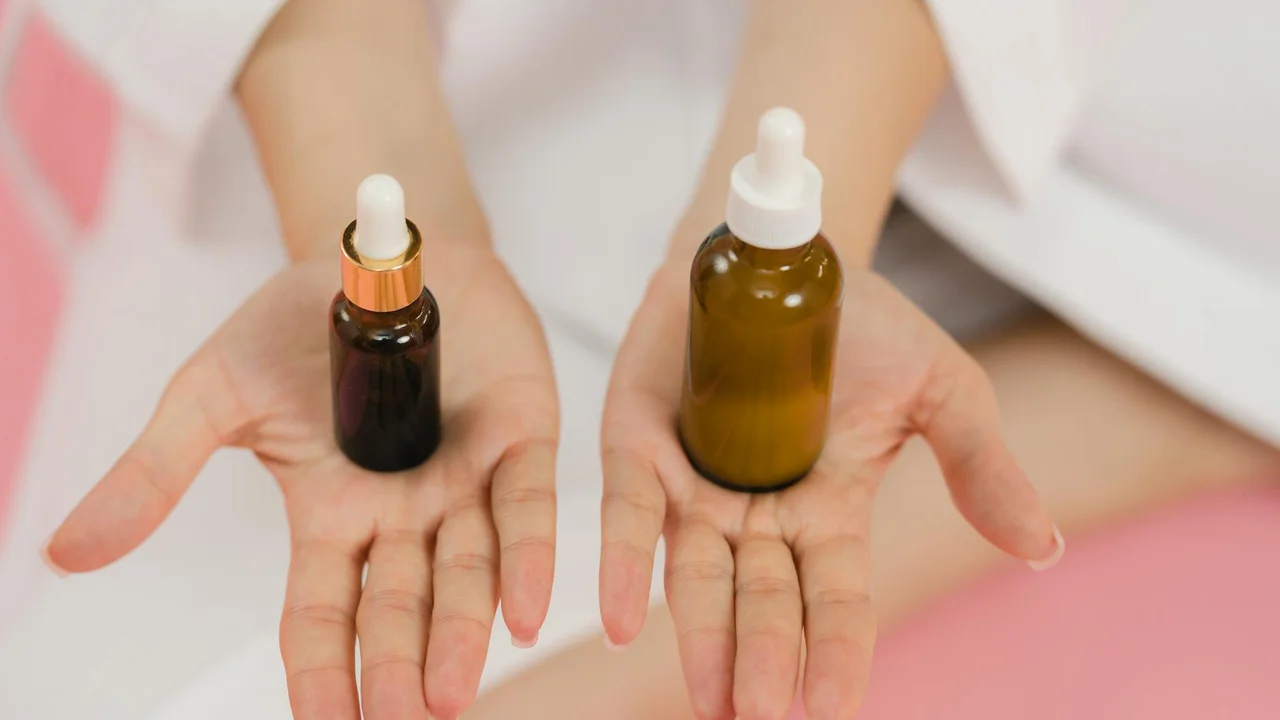
My shelf holds many oils, each with a unique job. Comparing them prevents messy mistakes and helps you pick the right tool.
- Castor Oil vs. Jojoba Oil: I blend these often. Castor oil is thick like honey and creates a protective layer. Jojoba oil is light and silky, mimicking your skin’s natural sebum. They are a perfect pair for a balanced, deeply moisturizing treatment.
- Castor Oil vs. Tea Tree Oil: “Para que sirve el tea tree oil?” I get this question a lot. Tea tree is a sharp, cleansing essential oil that dries out blemishes. Castor is a rich, smoothing carrier oil. Never apply undiluted tea tree oil like you might with castor oil; always mix it with a carrier first.
- Castor Oil vs. Flaxseed Oil: “Para que sirve el flaxseed oil?” This one is for your kitchen. Flaxseed oil is packed with omega-3s best for internal health. Castor oil is strictly for topical, external use on skin and hair. Do not ingest castor oil unless under direct guidance from a healthcare provider.
- Castor Oil vs. Coconut Oil: Coconut oil is solid at room temperature and offers medium-weight moisture. Castor oil is a sticky liquid that provides intense, occlusive hydration. Use coconut oil for all-over body conditioning, and reach for castor oil for targeted, ultra-dry patches.
- Castor Oil vs. Sweet Almond Oil: Sweet almond oil is a classic, mild carrier that absorbs quickly with a faint nutty scent. Castor oil is much denser and slower to soak in. For a luxurious massage blend, I use sweet almond as the base and add just a few drops of castor for extra slip.
Castor oil is a specialist, not a generalist. Its superpower is delivering intense moisture and external comfort for very specific needs. It won’t cure every ailment, but for deep hydration, it’s a trusted bottle on my shelf.
Important Precautions Before You Begin
I want you to have all the good experiences with castor oil. That means we start with safety.
This oil is a thick, honey-like syrup from the castor bean. It is powerful. Treat it with the same respect you would any strong herb in your cupboard.
There are specific situations where you should pause or avoid castor oil completely.
- Pregnancy and breastfeeding: Do not use castor oil during pregnancy. It can stimulate the uterus. While breastfeeding, check with your care provider first.
- Internal use without supervision: Never ingest it unless a qualified healthcare professional guides you. It is a potent laxative.
- Broken skin or severe acne: Its occlusive, thick nature can trap bacteria on open wounds or worsen angry, cystic breakouts.
Your body might react in certain ways, and that is normal to note.
- If taken internally, it commonly causes digestive cramping or diarrhea. Always follow a professional’s dosage and drink extra water if using it this way.
- Applied directly to skin, it can cause redness or clog pores for some. I never use it neat on my face. I always mix it with a runnier oil like almond or grapeseed.
Here is my shelf-tested rule. Listen to your body. If something feels off, stop. This thick oil is a powerful plant ally, best used with respect and knowledge.
Your Castor Oil Questions, Gently Answered
Are there real benefits to putting castor oil near your eyes?
When highly diluted and applied with care to the lash line or brow, it can moisturize the skin and hair follicles in that delicate area. You must avoid the eye itself and always dilute it heavily with a gentle oil like jojoba to prevent irritation. People also wonder whether castor oil actually works for eyelash growth, and the next section dives into application methods and a safety guide.
Can castor oil help with stomach issues?
When used topically as a warm castor oil pack on the abdomen, it can provide soothing comfort for occasional cramping or tension. It is not meant for ingestion unless specifically recommended by a healthcare professional for its laxative effects.
I’ve heard about castor oil for brain health. Is that true?
There is no reliable evidence that castor oil applied topically or taken internally provides direct benefits for brain function. Its well-documented strengths lie in topical skin and hair hydration, as well as external soothing comfort.
Are the benefits different for men and women?
The fundamental moisturizing and soothing properties of ricinoleic acid work the same for all skin and hair types. The primary difference is the important precaution that pregnant women should avoid castor oil use due to its traditional associations with uterine stimulation.
What does putting oil in the belly button actually do?
This simple practice is essentially a targeted way to moisturize the delicate skin of the navel and the abdomen around it. Think of it as a mini, concentrated moisturizing treatment, not a pathway to internal organs.
A Gentle, Sticky Remedy
Your most reliable step is always the patch test. Castor oil’s thick potency means your skin’s personal reaction is the most important guide you have. Start with a small area, dilute it well, and let your body’s response direct you. No matter how promising a natural remedy like castor oil is for skin healing, it’s essential to test it first.
I keep a small, dark bottle in my own apothecary for when that specific, drawing warmth is needed. Trust your instincts as you explore, and know this space is here to help you blend botanical wisdom into your daily life.
Research and Related Sources
- Amazon.com: Kate Blanc Cosmetics Castor Oil Organic for Hair, Lashes, Face (2oz), 100% Pure, Cold Pressed, Hexane Free Hair Oil. Eyelash Serum for Thicker-Looking Eyelashes & Eyebrows : Beauty & Personal Care
- Castor Oil Skin and Hair Products | Castor Oil Benefits
- Organic Castor Oil | Organic Castor Oil For Skin & Hair | Plant Therapy
- r/beauty on Reddit: Does castor oil actually do anything??
Noemi Kamińska
Noemi is an accomplished wellness researcher, nutrition care guide and body care expert. She has years of experience in formulating various oil combinations for full body wellness including face, hair, body care, essential oils and cooking oils. She works as a bio-formulator working with oil chemistry and analyzing the best formulations when it comes to your needs. Feel free to reach out to get your oil needs sorted.