What Does Authentic Jamaican Black Castor Oil Really Do for Your Hair?
If your hair feels dry or breaks easily, you might be searching for a reliable fix. In my years as an herbalist, I’ve reached for authentic Jamaican black castor oil time and again because its thick, almost sticky texture delivers a deep moisture that thinner oils can’t match.
Here, I’ll explain the specific ways this traditional oil addresses common hair struggles based on my own experience.
- The unique process that makes it so nourishing
- How it strengthens hair and soothes the scalp
- Its potential to support thicker, fuller growth
- Practical tips for using it in your routine
What Makes This Oil So Special? The Story of Authentic JBCO
The magic is in the method. Authentic Jamaican Black Castor Oil is made by first roasting the castor beans.
This roasting gives the oil its signature dark, almost molasses-like color and a deep, smoky, nutty aroma. I remember uncorking my first bottle years ago. The scent was earthy and rich, like toasted seeds, not at all like the clear, odorless castor oil I was used to.
After roasting, the beans are boiled and then manually pressed. This traditional process does two key things. It slightly raises the oil’s pH, making it more alkaline, and it leaves behind tiny particles of beneficial ash from the bean shells in the final oil.
This ash is a big part of what sets authentic JBCO apart from the clear, cold-pressed kind you might see elsewhere.
The texture is another giveaway. It’s incredibly thick and viscous, like warm honey or treacle. This thickness isn’t a flaw. It’s a feature that makes it cling to your hair and scalp, which is perfect for a treatment oil.
The Core Hair Benefits: What Can You Really Expect?
Let’s talk results. Using authentic JBCO on your hair is a commitment, but many find the rewards are worth it.
Does Castor Oil Help Your Hair Grow and Reduce Thinning?
The star ingredient here is ricinoleic acid, a fatty acid that makes up most of this oil. This compound is known for its ability to improve circulation when applied topically.
By massaging JBCO into your scalp, you’re encouraging blood flow to your hair follicles, which can help deliver more nutrients to the area.
Think of it as giving your follicles a better environment to do their job. For thinning hair or concerns about balding, this supportive role is key.
It can help nurture the scalp and existing follicles, which may support healthier, more resilient growth over time, especially when used in conjunction with natural oils like Batana oil.
Be realistic, though. It’s a nourishing treatment, not a miracle cure for genetic pattern hair loss. Consistency and scalp health are everything.
How It Fortifies and Protects Each Strand
That famous thickness is a superpower for your hair shaft. The oil is dense enough to lightly coat each strand.
This coating acts like a protective sleeve. It smooths the hair cuticle, reduces friction, and can help prevent breakage and split ends, especially on dry or textured hair types.
JBCO is also a humectant, meaning it helps your hair attract and lock in moisture from the air.
This can lead to softer, more manageable hair with less frizz. Now, about color. The oil is dark and adds an incredible shine.
This can impart a richer, deeper sheen to your hair, making it look darker and more lustrous temporarily. It does not, however, contain any dye to permanently change your hair color.
Soothing and Balancing Your Scalp Foundation
Healthy hair starts at the scalp. Ricinoleic acid also has potential anti-inflammatory properties.
For a scalp that’s itchy, flaky, or irritated, a gentle massage with diluted JBCO can be very soothing. It helps calm inflammation that can contribute to dandruff.
A balanced, moisturized scalp is the best foundation you can build for preventing stress-related hair loss and encouraging growth.
Always do a patch test first. Mix a drop with a carrier oil and apply it to a small spot on your arm or behind your ear. Wait 24 hours to ensure you don’t have a sensitivity before applying it all over your scalp.
Jamaican Black Castor Oil vs. Other Oils: A Simple Comparison
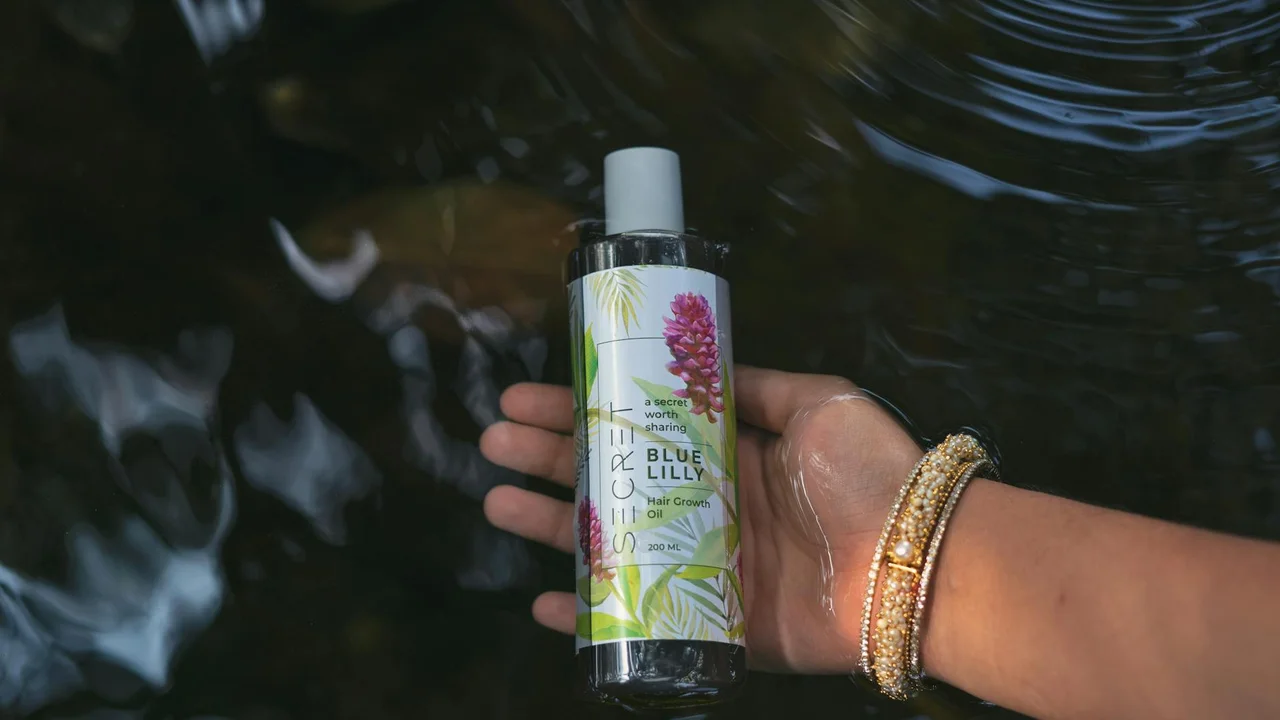
It helps to see where Jamaican black castor oil fits in your cabinet. This table shows how it stacks up against other popular hair oils.
| Oil | Scent & Texture | Viscosity | Best Primary Hair Use |
| Jamaican Black Castor Oil | Earthy, smoky, nutty aroma. Thick, slightly sticky feel. | Very high (like thick maple syrup) | Scalp treatment for circulation and follicle support. |
| Clear / Cold-Pressed Castor Oil | Very mild, almost no scent. Thick and sticky. | Very high | Scalp treatment, but lacks the ash content of JBCO. |
| Coconut Oil | Sweet, tropical scent. Solid at room temp, melts on contact. | Medium (when melted) | Pre-wash protein treatment for mid-lengths to ends. |
| Argan Oil | Subtle, nutty fragrance. Silky and dry-feeling. | Very low (light and fast-absorbing) | Shine finisher and frizz tamer for dry hair. |
On my own shelf, I reach for them differently. I grab JBCO when my scalp feels tired or needs attention. Coconut oil is my go-to for a deep condition on dry, porous ends before shampooing. Argan oil is what I use daily, a single drop smoothed over my palms and scrunched into ends for shine without grease.
Your Practical Guide: How to Use JBCO on Hair and Scalp
This oil is potent and thick. A little goes a very long way, and using it thoughtfully prevents a heavy, greasy result. Here is how I use castor oil safely and effectively.
Tools Needed for Application
Gathering the right tools makes the process clean and simple. You likely have most at home.
- A small applicator bottle with a nozzle or a glass dropper bottle.
- A wide-tooth comb for gentle detangling.
- A shower cap or old plastic bag to trap heat.
- An old towel you don’t mind getting oily.
- A light carrier oil like grapeseed or jojoba for dilution.
As a Scalp Treatment for Growth Support
This is where Jamaican black castor oil truly shines. I use this as a pre-wash treatment every other week.
Always dilute JBCO with a lighter oil for easier, mess-free application that won’t suffocate your scalp.
- Mix your oil. In a small bowl, combine one part JBCO with two parts light oil (like grapeseed). Stir well.
- Section your hair. Part dry hair into four sections. Clip them up.
- Apply to scalp. Use your dropper or fingers to apply the oil mix directly along your part lines and scalp.
- Massage thoroughly. Use the pads of your fingers (not nails) to massage in small circles. Apply firm, gentle pressure for 5 minutes.
- Cover and wait. Cover your hair with a shower cap. Leave the treatment on for at least 30 minutes, or overnight for a deep treatment.
- Shampoo out. Wash your hair twice with a gentle shampoo to remove all oil residue.
As a Hair Oil for Ends and Protection
For daily or weekly care on your strands, use extreme restraint. Its thickness is perfect for sealing parched ends.
Warm one single drop between your palms. Then, lightly scrunch and glaze it only onto the very ends of damp or dry hair. Avoid the roots and mids.
I love using a tiny bit on dry ends 20 minutes before I shampoo. It acts as a shield, preventing the shampoo from stripping those delicate tips.
For Beard and Facial Hair Care
Many ask, ‘does castor oil grow facial hair?’ The honest answer is it won’t create new follicles where none exist. What it does beautifully is condition the skin underneath and the hair you already have. It helps with beard growth and care.
This leads to a softer, healthier, better-moisturized beard that can appear fuller, especially when using the right beard oil. A simple diluted blend works wonders.
Simple Beard & Mustache Oil:
- 1 tablespoon Jojoba Oil
- 1 teaspoon Jamaican Black Castor Oil
- 2 drops Cedarwood Essential Oil (optional for scent)
Mix in a small dropper bottle. After washing your face, apply 3-4 drops to your palms, rub together, and massage into the skin and hair of your beard. Style as usual. DIY beard oil recipes can offer even more nourishment.
Common Mistakes and How to Avoid Them
Even a fantastic oil can backfire if used incorrectly.
I’ve seen these simple missteps set people back.
Using Too Much Oil
Authentic Jamaican Black Castor Oil is thick and rich. It is not a lightweight argan oil.
Using a full dropper will leave your hair feeling greasy and looking heavy. A little goes a very long way with this potent botanical.
Start with just 3-5 drops for mid-lengths and ends. You can always add more if needed.
Skipping the Patch Test
Your enthusiasm is wonderful, but your skin might need a moment to adjust.
Pure JBCO, especially with its ash content, can be intense for some scalps. Applying it everywhere on day one risks irritation.
Always do a patch test 24 hours before a full application. Dab a tiny amount behind your ear or on your inner elbow. No redness or itching means you’re likely good to go.
Expecting Instant Magic
This is the biggest heartbreaker I see. Botanical oils work with your body’s natural rhythm, not against it.
You will not wake up with dramatically longer hair after one use. True change happens with gentle, consistent care over weeks and months.
Think of it like tending a garden. You water regularly and watch for steady growth.
Confusing a Treatment with a Styler
JBCO is a nourishing treatment, not a daily finishing product.
Using it every morning will quickly lead to buildup and a limp look. Treat JBCO like a weekly deep-conditioning ritual, not a daily leave-in.
My own routine involves a generous pre-shampoo treatment on Sundays. The rest of the week, my hair is light and free.
Beyond Hair: Other Safe and Effective Uses
The same rich, emollient properties that help hair also benefit other dry areas.
This is where my little amber dropper bottle really earns its spot on my shelf.
For Skin and Nails
It makes a fantastic spot moisturizer for tough skin.
After my shower, I’ll massage a single drop into each elbow, knee, or heel. It sinks in slowly, creating a protective, softening barrier.
A tiny amount brushed onto clean nails and cuticles can help strengthen and hydrate them. Some people also use a clean spoolie to apply a minuscule amount to eyelash bases, much like a conditioning serum.
A Cultural Moisturizing Practice
You might hear about the “belly button drop.” This is a traditional cultural practice where a drop of oil is placed in the navel to moisturize the surrounding abdominal skin. Some readers also wonder whether applying castor oil to the belly button offers any added benefits.
I view this as a gentle, focused method of applying a rich moisturizer. It is a skin-care tradition, not an internal cure for organ issues.
A Crucial Safety Warning
We must talk about safety. The internet is full of wild claims.
You should never ingest Jamaican Black Castor Oil or use it in or near your eyes unless explicitly directed by a qualified healthcare professional. The warnings on the bottle are there for a reason.
Suggestions that it can cure stomach problems, improve brain function, or treat eye conditions are not supported for safe home use. For those health concerns, please speak directly with a doctor.
Stick to its proven, wonderful topical uses for hair, skin, and nails. That is where its magic truly and safely shines.
Questions We Hear a Lot
Can I use Jamaican Black Castor Oil on my skin too?
Absolutely. Its rich, emollient texture makes it a superb spot treatment for very dry areas like elbows, knees, and cuticles. Just remember, a single drop is all you need-it’s potent!
Is it true that putting oil in your belly button has benefits?
This is a traditional cultural practice for moisturizing the abdominal skin. View it as a focused way to apply a rich emollient to a central area, not as an internal remedy.
Are the benefits different for men and women?
The core benefits for hair and scalp are the same, rooted in its fatty acid profile. A popular specific use for men is as a conditioner in beard oil blends to soften hair and moisturize the skin underneath.
Can I take it internally for things like stomach issues?
No, you should never ingest authentic Jamaican Black Castor Oil unless explicitly directed by a doctor. For internal health concerns, always consult a qualified healthcare professional for safe guidance.
What about using it for my eyelashes or eyebrows?
Some use a tiny amount on a clean spoolie as a conditioning treatment for the hair itself, much like a serum. Be extremely careful to avoid getting any oil directly into your eyes.
Nurturing Your Hair’s Natural Beauty
The most important advice I can give is to always choose authentic, traditionally roasted Jamaican Black Castor Oil for its unique, nutrient-rich profile. Making this oil a regular part of your scalp massage ritual is where you’ll truly begin to see its benefits for thickness and strength.
I hope you’ll continue to explore with me on the blog, where I share more hands-on recipes from my apothecary. Trust yourself as much as you trust the oil; your own attentive care is the key to wonderful results for your hair and overall wellness.
Sources and Additional Information
- Sunny Isle Jamaican Black Castor Oil – Sunny Isle Jamaican Black Castor Oil
- Jamaican Black Castor Oil (ORIGINAL) | Tropic Isle Living
- Amazon.com: Jamaican Black Castor Oil – 100% Pure and Organic, Cold Pressed in Glass Bottles for Hair Growth, Eyebrow Nourishment, and Skin Hydration : Beauty & Personal Care
- Jamaican Black Castor Oil – as i am
- r/Naturalhair on Reddit: What are the most trusted brands of Jamaican black castor oil?
- SOLID CONDITIONER BAR – ARGAN & BLACK CASTOR OIL
Noemi Kamińska
Noemi is an accomplished wellness researcher, nutrition care guide and body care expert. She has years of experience in formulating various oil combinations for full body wellness including face, hair, body care, essential oils and cooking oils. She works as a bio-formulator working with oil chemistry and analyzing the best formulations when it comes to your needs. Feel free to reach out to get your oil needs sorted.