
Does Castor Oil Really Work for Eyelash Growth? Benefits, Application, and Results
You’re not alone in wondering if a simple oil can transform your lashes. From my own shelf, I’ve seen castor oil‘s potential when paired with realistic expectations and gentle care.
This article walks you through the evidence, my preferred method, and what you might actually see in the mirror. We’ll cover:
- The specific benefits castor oil may offer your lashes
- A safe, detailed application process I follow myself
- Typical results and how long they take to appear
Key Takeaways Before You Begin
Let’s get straight to the points that matter most.
- Castor oil is a superb conditioner that can make lashes appear thicker, darker, and healthier by preventing breakage.
- While it may support the natural growth cycle, it is not a magic growth serum like prescription formulas.
- Purity (cold-pressed, hexane-free) and a skin patch test are non-negotiable steps before using anything near your eyes.
- You are committing to a gentle, consistent routine for several weeks. Do not expect overnight results.
What Is Castor Oil and Why Do We Think It Helps?
Castor oil comes from the seeds of the Ricinus communis plant. In my hand, it feels distinctly different from other oils. It’s thick, viscous, and has a gentle, earthy scent.
Its unique character comes from a high concentration of ricinoleic acid. This fatty acid is a powerful humectant, which means it helps draw moisture into the skin and hair. People have used it for generations to soothe skin and nurture scalp and hair health.
The theory behind lash growth is less about stimulation and more about creating a healthy environment. Think of your lashes like delicate threads. Daily makeup removal, rubbing, and dryness can cause them to snap off short. By conditioning the lash hair and the delicate skin of the lash line, castor oil may help prevent this breakage. This allows lashes to reach their full, natural length and can make them look fuller.
Many folks ask, “does black castor oil grow eyelashes?” Jamaican black castor oil is processed with roasted bean ash, giving it a darker color and a slightly higher pH. Some believe this adds benefits. For eyelashes, a pure, cold-pressed castor oil is my personal choice from my apothecary shelf, as it’s less likely to cause irritation. If you’re exploring eyelash growth care beyond castor oil, you might also consider other natural oils. Argan oil and sweet almond oil are often mentioned as well.
The Texture Tells a Story: Castor Oil vs. Other Carrier Oils
If jojoba oil is like light silk, castor oil is like warm honey. Its dense, sticky texture is a key part of its story.
This viscosity is a double-edged sword. The benefit is that a tiny amount coats each lash thoroughly and tends to stay in place. The challenge is that it can feel heavy or tacky if you use too much.
If the pure oil feels too thick for you, diluting it with a lighter oil like jojoba or sweet almond can make application easier. I sometimes use a 50/50 blend. This keeps the conditioning power while improving the feel.
How to Use Castor Oil on Your Eyelashes Safely (Step-by-Step)
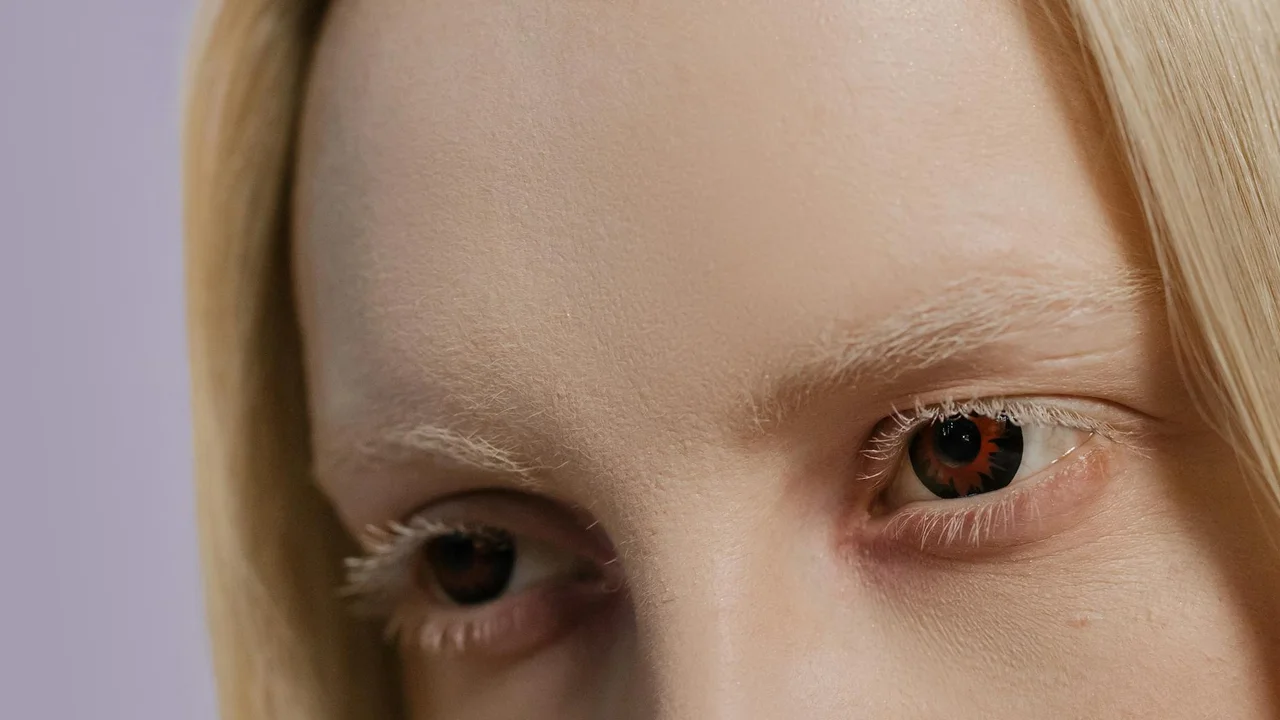
Yes, you can absolutely use castor oil on your eyelashes, but safety is the only way to start.
The most critical step is applying it to perfectly clean, makeup-free lashes.
Any leftover mascara or liner will trap the oil and debris, raising the risk of irritation or a clogged follicle.
Choosing Your Tools: Brushes, Wands, and Fingers
You have a few good options, each with its own feel.
- A cleaned, old mascara wand is a popular choice. It gives you that familiar brush-through action.
- A dedicated eyeliner brush offers more precision. I find the thin, angled ones are perfect for coating individual lashes without mess.
- A clean fingertip works in a pinch. Your skin’s warmth can thin the oil slightly, making it easier to pat onto lash tips.
On my own shelf, I keep a small bottle with a fine-tip applicator brush just for this purpose. It feels tidy and controlled.
The Gentle Application Method
Castor oil is thick. Think of it like honey, not water. A tiny amount is all you need.
- Dip your clean tool into the oil. If using a brush, just touch the tip.
- Wipe off the excess on the bottle’s rim. You should barely see any oil on the brush.
- Looking down into a mirror, gently apply from the base of your lashes to the tips. Use a light, painting motion.
- Avoid the lash line and your eyelids. Keep the oil on the hairs themselves.
The goal is a light sheen, not a soaked, sticky mess. Less truly is more here.
Frequency and Timing: Can You Use Castor Oil on Eyelashes Every Night?
Many people do use it nightly, but I suggest a gentler start.
Try applying it every other night for the first week or two. This lets you see how the delicate skin around your eyes reacts.
Your skin will tell you what it needs. If you notice any redness or itchiness, simply take a break for a few nights.
I apply mine as part of my bedtime routine. This gives the oil hours to condition my lashes without interfering with my day.
Common Mistakes and How to Avoid Them
A few simple missteps can turn a good routine into a frustrating one. Here is how to sidestep them.
Using Too Much Oil
This is the biggest mistake. Excess oil will migrate into your eyes while you sleep, causing blurry vision and morning irritation.
The fix is simple: use a droplet the size of a pinhead for both eyes. You can always apply a second whisper-thin layer if you feel you missed a spot.
Applying with Dirty Tools
Using an unwashed brush or wand introduces bacteria to the oil and your lash line. This can lead to styes or general irritation.
Wash your tool with mild soap and warm water once a week. Let it air-dry completely before its next use.
Getting Oil Directly in Your Eye
It stings. It blurs. It is just uncomfortable. If it happens, rinse your eye with cool, clean water.
This is why applying while looking down and avoiding the lash line is so important. The oil should coat the hair, not the skin.
Using the Wrong Type of Oil
Not all castor oil is the same. Avoid “cosmetic grade” or oils with added fragrances or ingredients.
Reach for a bottle labeled 100% pure, cold-pressed, hexane-free castor oil. This pure, food-grade quality is what I use for my own sensitive skin.
Worrying About Initial Lash Fallout
If you see a lash or two on your cheek and wonder, “Is castor oil making my eyelashes fall out?”-take a breath.
We naturally shed a few lashes every day as part of their growth cycle. When applied correctly, castor oil does not cause fallout. It may actually help lashes stay in their growth phase longer. Give your routine at least a full month before judging any changes. For daily eyebrow care, you can apply a small amount of castor oil along the brow line to support growth and thickness.
What Results Can You Realistically Expect?
Think of castor oil as a deeply nourishing conditioner for your lashes, not a miracle growth serum from a lab. Its main job is to strengthen and protect. You are supporting your body’s natural processes, not overriding them. It’s important to set realistic expectations.
I usually see the first changes in texture. Your lashes start to feel softer and look glossier, catching the light better. This happens because the oil is moisturizing each hair strand.
Over time, with consistent use, you are helping to prevent the daily breakage that makes lashes look sparse. Less breakage means the lashes you have can reach their full, natural length. This is when they start to appear visibly fuller and thicker.
How Long Until You Notice a Difference?
If you’re searching “castor oil eyelashes how long to see results,” know that timelines vary. Most people tell me they notice their lashes feel healthier in about 2 to 4 weeks.
Patience is key for seeing actual growth. A full eyelash growth cycle can take 8 weeks or more. Give it at least two months of nightly use before you decide if it’s working for you.
Taking your own “before and after” photos in the same light each month is a smart way to track subtle progress. Just remember that many dramatic results you see online can be edited or show lashes with mascara.
Is Castor Oil Safe for Your Delicate Eye Area?
That skin around your eyes is the thinnest on your body, so we must be gentle. While many use castor oil without issue, potential castor oil eyelashes side effects do exist.
These can include temporary redness, mild itching, or a sticky feeling on the lids. The thick oil can sometimes clog the tiny oil glands, leading to small white bumps called milia.
If you have very sensitive skin, known allergies, or conditions like blepharitis or conjunctivitis, you need to be extra cautious. The risk of irritation is higher.
This step is not optional: do a patch test. Apply a tiny dab of your diluted mix to the inside of your elbow or behind your ear. Wait 24 hours. If there’s no redness or itch, it’s likely safe to try near your eyes.
When to Seek Professional Help
Your vision and eye health are priceless. Listen to your body. Stop using the oil immediately and see a doctor or dermatologist if you experience any of the following:
- Persistent redness, swelling, or a rash that doesn’t fade
- Any pain, burning, or stinging in the eye itself
- Changes in your vision, even if minor
- Signs of infection like yellow discharge or crusting
Do not try to push through these symptoms; your eyes are telling you something is wrong.
It’s also a good idea to have a quick chat with your eye doctor before starting if you have a history of severe skin allergies or chronic eye conditions. I always do this with any new product for my sensitive skin.
Castor Oil for Eyebrows and Beyond
The same principles that apply to your lashes work beautifully for your brows.
Applied along the brow line, the oil conditions each hair, making them appear fuller and softer. It also moisturizes the skin underneath, which can create a healthier environment for hair to thrive. I keep a dedicated, clean spoolie brush in my kit just for this purpose.
You might wonder if you should use it on both lashes and brows. Absolutely. I often apply any excess from my lash application directly to my brows. Think of it as a two-in-one treatment. The key is consistency and using just a tiny amount.
This is what I love about botanical oils. They offer a holistic approach, caring for both the hair and the skin it grows from, without harsh chemicals. It’s simple, nurturing care, especially when you use the best natural oils for hair growth and health.
How Does It Stack Up? Castor Oil vs. Other Lash Treatments
Castor oil isn’t the only option, so how does it compare? Let’s look at other popular choices.
Compared to lightweight oils like jojoba or argan, castor oil has a much thicker, more viscous texture. This density is a double-edged sword: it provides a heavier conditioning coat but can feel tacky if over-applied. Jojoba oil, which closely mimics our skin’s sebum, absorbs quickly and is less likely to cause irritation for some. Argan oil is rich in vitamin E and is a fantastic overall skin and hair moisturizer, but castor oil has its unique advantages for certain skin and hair concerns.
The bigger comparison is with over-the-counter lash growth serums. Many of these serums contain active ingredients called prostaglandin analogs. These compounds can trigger a dramatic growth phase, leading to longer, thicker lashes for many users. But this result often comes with a higher price tag and a list of potential side effects, which can include eye irritation, darkening of the eyelid skin, and even a reduction of orbital fat (which can make the eyes look sunken).
Castor oil works differently. It doesn’t contain those potent actives. Think of castor oil not as a pharmaceutical stimulant, but as a deeply conditioning treatment that supports the health and resilience of the lashes you already have. Historically, castor oil has transitioned from an ancient remedy to a modern wellness staple. It’s a gentle, affordable, and low-risk alternative focused on nourishment. For me, it’s a comforting part of my nightly ritual, not a high-stakes treatment.
Choosing the Right Castor Oil for Your Lashes

Choosing the wrong oil can lead to irritation or zero results. I keep a small, dark glass bottle of pure castor oil on my shelf specifically for my lash line, carefully selected for its quality.
You must look for 100% pure, cold-pressed, hexane-free castor oil. This is the clean, unadulterated version your delicate eye area needs.
Purity Over Everything
“Cold-pressed” means the oil was extracted without high heat, preserving its natural nutrients. “Hexane-free” ensures no harsh chemical solvents were used. An organic certification is a wonderful bonus, indicating the castor beans were grown without pesticides. Yet purity of processing is the non-negotiable foundation.
The Importance of Packaging
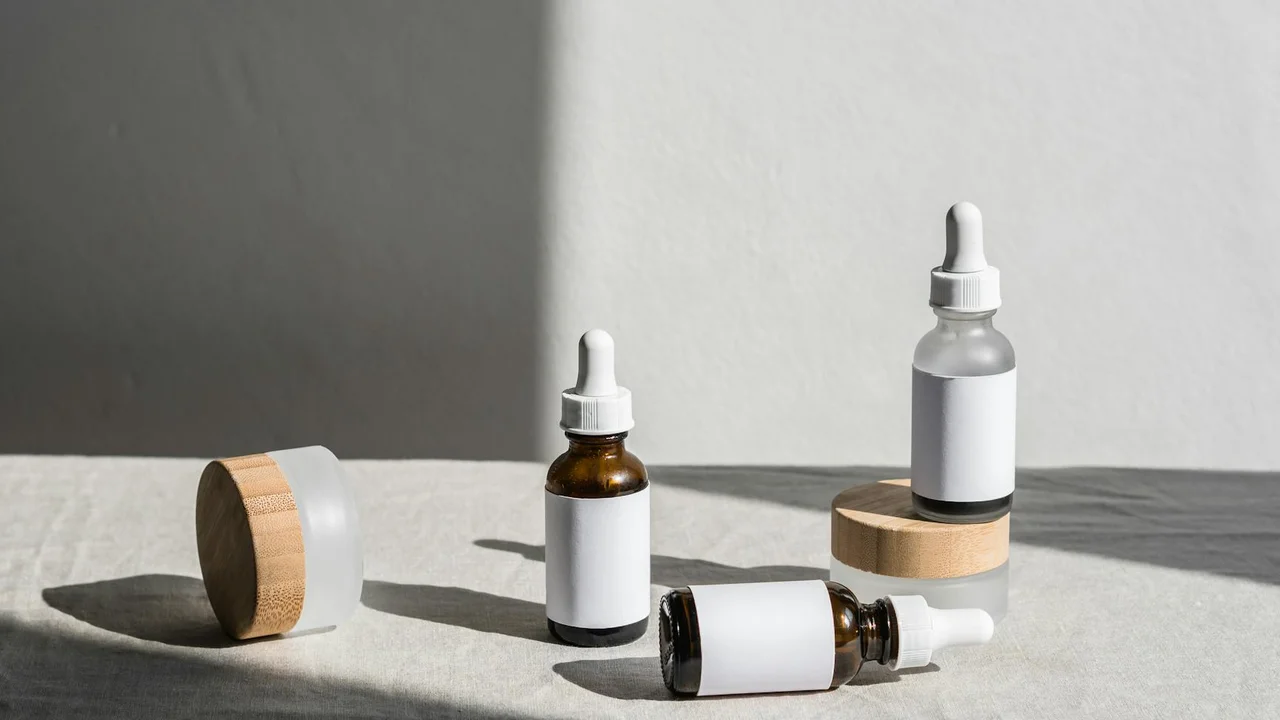
Light and air degrade oils over time. Always choose a bottle made of dark amber or cobalt blue glass. This simple choice protects the oil’s integrity from the moment you bring it home. The bottle on my shelf is amber glass with a fine-tip applicator, which makes application neat and easy.
What to Avoid Completely
Steer clear of any castor oil product labeled for “laxative use” or as a “blend.” These often contain added ingredients or different processing methods not meant for the eyes. Your eyelashes require the simplest, most pristine oil you can find.
Your Questions, Plant-Based Answers
Can castor oil help if my eyelashes are thinning from extensions?
Absolutely. Its primary role is as a superb conditioner to help repair and strengthen lashes that may be dry or damaged from extensions or harsh removers. By preventing future breakage, it allows your natural lashes to recover and reach their full, healthy length.
I saw a Reddit post saying castor oil made lashes fall out. Is that possible?
When used correctly, castor oil should not cause abnormal fallout. What people often see is the natural shedding cycle, where a few lashes fall out daily as new ones grow in. If you experience increased shedding, it’s likely a sign of irritation, and you should discontinue use immediately. Also, check the castor oil’s shelf life and expiration date before using again. Watch for signs it’s gone bad, like a sour odor, unusual color, or separated texture.
My eyelids feel sticky after applying. What am I doing wrong?
You’re likely using too much. A pinhead-sized amount is sufficient for both lashes. If the pure oil still feels too heavy, try diluting one drop with one drop of a lighter oil like jojoba for a more comfortable application.
Can I use the same oil for my lashes and eyebrows?
Yes, and I often do! The same conditioning benefits apply to brow hairs and the skin beneath them. Simply use a clean spoolie brush for your brows to maintain hygiene and prevent cross-contamination.
Is there a difference between brands, or is any pure castor oil okay?
Purity and processing matter most. Always choose a brand that specifies 100% pure, cold-pressed, and hexane-free castor oil in dark glass packaging. This ensures you’re getting the unadulterated, stable oil your delicate eye area deserves.
Caring for Your Lash Garden
From my own apothecary, the most reliable results come from treating your lash line with the same gentle care as a delicate seedling. Apply a pure, cold-pressed oil consistently and sparingly-this focused nourishment is what supports healthier-looking growth over time. For maximum effectiveness, apply natural hair growth oils consistently and with a light touch. Small, regular applications over time help these oils work with your lashes rather than against them.
I write regularly about these simple, botanical approaches to care for every part of your life. I also explore how the definitions and common uses of various botanical oils can guide your choices. Trust the process, trust your instincts, and see how these oils can become a cherished part of your routine.
Deep Dive: Further Reading
- r/beauty on Reddit: Anyone had luck with castor oil on eyelashes?
- Amazon.com: USDA Organic Castor Oil Lash Serum – Premium All Natural Cold Pressed Castor Oil Eyelash Growth Serum with Mascara Tube – Eyelash Treatment and Conditioner – For Thicker and Fuller Lashes : Beauty & Personal Care
- Can You Use Castor Oil for Eyelashes? Benefits and Risks – GoodRx
- How to apply Castor Oil to eyelashes and eyebrows
Noemi Kamińska
Noemi is an accomplished wellness researcher, nutrition care guide and body care expert. She has years of experience in formulating various oil combinations for full body wellness including face, hair, body care, essential oils and cooking oils. She works as a bio-formulator working with oil chemistry and analyzing the best formulations when it comes to your needs. Feel free to reach out to get your oil needs sorted.