
Can You Substitute Avocado Oil for Vegetable Oil in Baking, Frying, and Salad Dressings?
If your recipe asks for vegetable oil but you only have avocado oil, I’ve been in that exact spot. You can absolutely make the swap, and I often prefer it for its mild, buttery taste and health perks.
Let me share my practical guide for using avocado oil in your kitchen, just like I do at home.
- How it changes the texture and flavor in baking
- Why it’s excellent for high-heat frying
- Tips for creamy, stable salad dressings
Key Takeaways Before You Start
Before you swap that bottle, keep these points in your back pocket.
- You can substitute avocado oil for vegetable oil using a simple 1:1 ratio in nearly every recipe.
- Refined avocado oil’s very high smoke point makes it superior for frying and searing.
- Expect a richer, buttery mouthfeel, not a strong avocado or fruity flavor.
- You are adding a big boost of monounsaturated fats and antioxidants that generic vegetable oils lack.
Why Avocado Oil and Vegetable Oil Are Not the Same
Think of them as distant cousins, not twins. Knowing their roots helps you use them well.
Avocado oil is a fruit oil. It is pressed from the creamy pulp around the pit. I have a bottle of cold-pressed oil in my kitchen that looks like liquid gold. Vegetable oil is a generic term. It is usually a blend of refined seed oils like soybean, corn, or canola.
Their processing tells a big part of the story. Quality avocado oil is often cold-pressed. This gentle method keeps more of the oil’s natural vitamins and antioxidants intact. Most vegetable oils are highly refined using heat and chemicals. This gives them a long shelf life and neutral taste, but it strips away many natural compounds.
The biggest difference you will notice is in flavor and nutrition. Avocado oil brings a subtle, grassy-buttery note. It is rich in monounsaturated fats (the kind praised in olive oil) and vitamin E. Your standard vegetable oil blend aims for a completely neutral flavor. It is higher in polyunsaturated fats, which are less stable when heated.
The Smoke Point Showdown
Smoke point is a dealbreaker for cooking. It is the temperature where oil starts to smoke, break down, and release harmful compounds. The science behind smoke points shows that heat breaks down the oil’s fats, releasing smoky compounds. As breakdown progresses, glycerol forms acrolein and fatty acids oxidize, signaling the oil is past its ideal cooking range.
This is where refined avocado oil truly shines. Refined avocado oil has a smoke point up to 520°F (270°C). It is my go-to for frying chicken or searing a steak because it stays stable. Your typical vegetable oil blend has a moderate smoke point, usually around 400°F (204°C). It works for baking and light sautéing but can smoke and degrade during high-heat frying.
Here is a crucial detail: unrefined, cold-pressed avocado oil has a lower smoke point, closer to 375°F (190°C). I save my beautiful green, unrefined bottle for salad dressings, drizzling, and low-heat cooking to protect its delicate nutrients and flavor. Always check your bottle’s label to see if your avocado oil is refined or unrefined.
How to Swap Avocado Oil in Baking
The swap here is beautifully simple.
You can directly substitute avocado oil for vegetable oil using a one-to-one ratio. If your banana bread recipe calls for a cup of vegetable oil, use a cup of avocado oil instead. It’s that straightforward.
Your baked goods will come out with a moister, denser texture.
Avocado oil adds a hint of buttery richness in the background that I find really pleasing.
Do not worry about a strong avocado flavor taking over.
Its mild, slightly nutty taste will not compete with your vanilla, chocolate, or warm baking spices. It supports them.
Quick Tips for Baking Success
Keep these pointers in mind for the best results.
For a completely neutral flavor in delicate cakes or sugar cookies, reach for a bottle of refined avocado oil.
The unrefined kind has more character, which I love in hearty muffins.
Expect a satisfyingly tender, slightly heavier crumb in things like muffins and quick breads. This is not a dry, airy texture. It’s substantial and moist.
Remember its versatility. I often use it in place of olive oil in my savory herb and cheese breads. The jar in my pantry does double duty.
Frying and Searing with Avocado Oil
This is where avocado oil truly shines in the kitchen.
Avocado oil is a top-tier choice for high-heat cooking because of its remarkable stability. It has a very high smoke point, often above 500°F for the refined types. This makes it ideal for frying and searing, and it brings heart-healthy fats into your cooking. Its versatility supports a range of best uses, from sautéing to finishing dishes.
This makes it perfect for getting a good sear on a steak, pan-frying chicken cutlets, or stir-frying vegetables.
You can even use it for shallow frying.
I have found it performs much more reliably than many generic vegetable oil blends. Those can sometimes smoke and break down at lower temperatures, leaving a bitter taste.
Avocado oil stays steady and clean.
Your Frying Checklist
Follow these steps for perfect frying every time.
Always choose a refined avocado oil labeled for high-heat cooking when you plan to fry. This ensures the highest smoke point and most neutral flavor, especially compared to other oils used in high-heat cooking, such as olive oil, coconut oil, and butter.
Let the oil heat properly in the pan before adding your food. You should see it shimmer. This creates an instant crisp seal.
After cooling, you can strain the used oil through a fine mesh sieve lined with a coffee filter.
Strained avocado oil can be reused safely for another frying session or two. This makes it an affordable choice for high-heat cooking. Just store it in a clean, dark glass jar in a cool cupboard.
Crafting Salad Dressings and Marinades
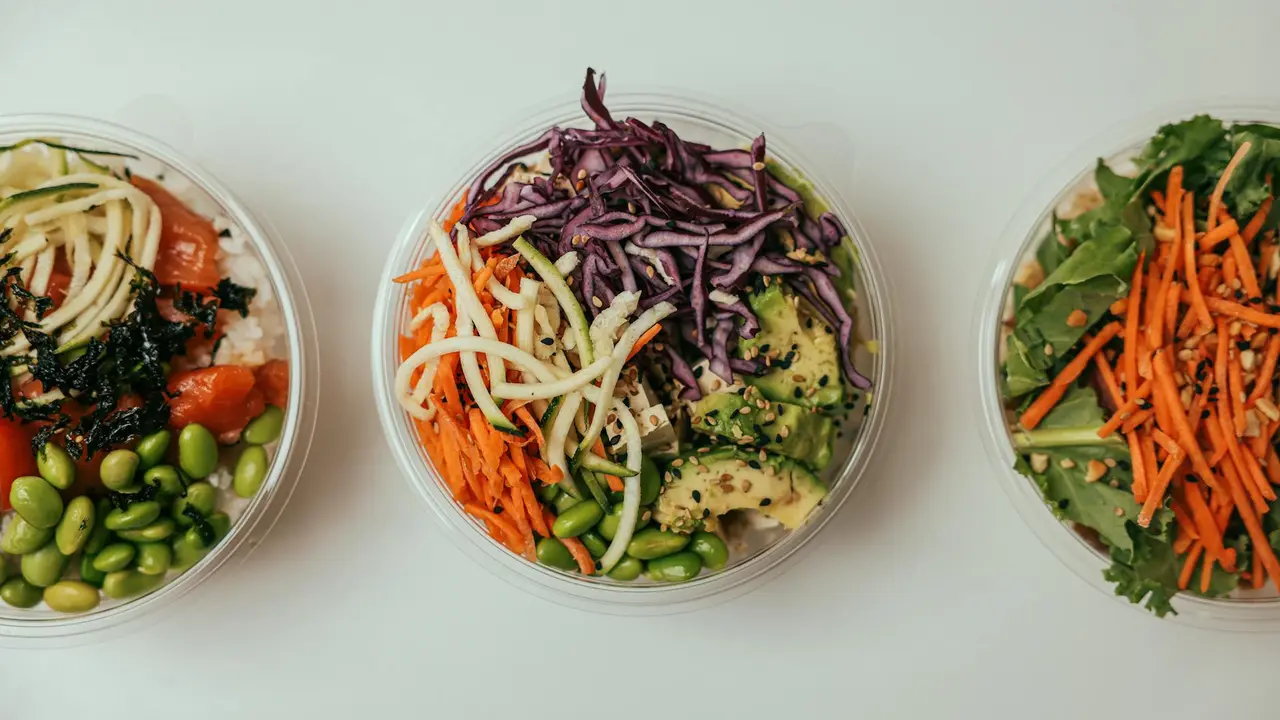
This is where avocado oil truly shines. Its naturally creamy texture helps it emulsify beautifully into vinaigrettes, creating a smooth, clinging dressing that won’t separate instantly.
I always reach for an unrefined, virgin avocado oil here. It has a fuller, grassy flavor that adds character without overwhelming your greens. It makes an outstanding substitute in dressings, especially when you want a rich mouthfeel with less bite than a robust extra virgin olive oil.
A Simple Master Vinaigrette Formula
The classic ratio is your best friend. Combine three parts avocado oil with one part acid (like vinegar or lemon juice) in a jar. Add a pinch of salt, seal the lid, and shake vigorously until creamy.
Play with flavors. Try lemon juice with fresh thyme, minced garlic with Dijon mustard, or pure maple syrup with apple cider vinegar.
Avocado oil’s stability means your homemade dressing will stay blended and silky in the fridge for days, unlike dressings made with more fragile oils. I keep a bottle of this master mix on my shelf all the time.
Your Guide to Picking the Right Bottle
Not all avocado oils are the same. Your choice depends entirely on how you plan to use it. The label tells you everything about the quality and origin of the oil.
Choose “Refined” avocado oil for high-heat frying and sautéing. Its smoke point is higher, and its flavor is very neutral. Save “Unrefined” or “Virgin” avocado oil for dressings, drizzling, and low-heat applications where you want that lovely, buttery flavor. When you compare it to olive or coconut oil, refined avocado oil offers a high smoke point with a mild flavor. It’s a versatile option for many healthy cooking needs.
Look for the words “cold-pressed” on the bottle-this extraction method preserves more of the oil’s natural nutrients and beneficial compounds.
Finally, protect your oil. Light degrades quality quickly. Always opt for oil sold in a dark glass bottle, not clear plastic, and store it in a cool, dark cupboard.
Beyond the Kitchen: Avocado Oil for Body and Home
Your bottle of avocado oil has more to offer than just recipes. I keep one on my apothecary shelf for its versatility, ready to move from the kitchen counter to the bathroom sink in a moment.
This rich, botanical oil answers a lot of the curious questions I get from friends starting their own oil collections.
Think of it as a multitasking staple for your whole wellness routine.
For Skin and Hair
For your skin, avocado oil is a deeply comforting moisturizer. Its texture is lush and absorbs steadily, leaving a soft, not greasy, finish.
On dry days, I blend a few drops into my regular body lotion. You can use it straight on rough patches like elbows, too.
A little goes a long way to soothe and replenish parched skin.
For hair care, it acts as a penetrating treatment. The molecules are small enough to sink into the hair shaft.
My simple method is to warm a tablespoon in my hands. I massage it through my hair, cover it with a shower cap, and let it sit for twenty minutes before washing.
This pre-shampoo mask adds noticeable shine and softness to dull or frizzy hair.
Can It Replace Other Oils?
You might wonder how avocado oil stacks up against other pantry favorites. Let’s look at two common swaps.
Compared to olive oil, both are pressed from fruit and praised for their health benefits. The difference is in their character.
Avocado oil has a milder, buttery taste and a much higher smoke point, making it more reliable for high-heat cooking.
Olive oil can have a bold, peppery flavor that shines in dressings but may overwhelm a delicate cake.
Can it stand in for butter? In some cases, yes. You can use it to replace melted butter in many baked goods for a dairy-free option.
Just know the results will change. Butter provides flavor and helps create a certain crumb.
Using avocado oil will give you a moister, slightly denser texture with a very subtle, fruity note.
I’ve used it in banana bread with great success, but for flaky pie crust, I stick with my trusted fats.
Your Avocado Oil Questions, Answered
Can I use avocado oil on my skin like other botanical oils?
Absolutely. Avocado oil is a superb, deeply nourishing moisturizer rich in vitamins and antioxidants that absorb beautifully to soothe dry skin. It’s a fantastic plant-based addition to your skincare routine.
Is avocado oil a good treatment for dry hair?
Yes, its unique composition allows it to penetrate the hair shaft better than many oils, making it an excellent pre-wash conditioning treatment. It helps restore shine and softness to dull, frizzy, or damaged hair.
How does avocado oil compare to olive oil for everyday use?
Both are healthy fruit oils, but avocado oil has a much higher smoke point for safer high-heat cooking and a milder, buttery flavor. This makes avocado oil more versatile for frying and baking where you don’t want a strong peppery taste. For those weighing avocado oil vs extra virgin olive oil for health cooking, a quick comparison can help. It highlights smoke point, flavor, and nutritional considerations.
Can I reuse avocado oil after frying?
Yes, you can. Once cooled, strain it through a fine sieve or coffee filter into a clean, dark glass jar. Properly stored, high-quality refined avocado oil can be safely reused for another frying session or two.
When shouldn’t I substitute avocado oil?
I don’t recommend it as a direct substitute for solid fats like butter in recipes where flakiness or distinct richness is key, such as pie crusts or certain cookies. For those, the unique properties of butter or shortening are important for the desired texture.
Blending Oils in Your Kitchen Apothecary
You can confidently use avocado oil in place of vegetable oil nearly everywhere. Just remember its richer flavor and higher cost, and save the expensive, unrefined bottles for where their buttery taste truly shines.
I hope this gives you the confidence to experiment on your next kitchen project. For more guidance on using oils for body, skin, hair, wellness, and home, follow along right here.
Industry References
- Avocado Oil Substitute: Choosing The Best Alternative – Texas Hill Country Olive Co.
- r/Cooking on Reddit: Alternative options for avocado oil as a healthy everyday cooking oil?
- What can I substitute for avocado oil?
Noemi Kamińska
Noemi is an accomplished wellness researcher, nutrition care guide and body care expert. She has years of experience in formulating various oil combinations for full body wellness including face, hair, body care, essential oils and cooking oils. She works as a bio-formulator working with oil chemistry and analyzing the best formulations when it comes to your needs. Feel free to reach out to get your oil needs sorted.