
Can You Substitute Vegetable Oil or Coconut Oil for Shortening?
Staring at a recipe that calls for shortening but your shelf is bare? I have made this swap countless times at my own counter, and you can absolutely use oils from your pantry to keep baking.
Your success hinges on knowing how each fat changes the feel and structure of your food.
- The core differences between shortening, vegetable oil, and coconut oil
- Which recipes work best with each oil substitute
- My go-to adjustments for cookies, cakes, and pastries
Key Takeaways Before You Bake
Swapping fats in your recipe is totally doable. Think of it like using a different herb in a salve.
The secret is knowing how each fat behaves in your mix. Getting this right saves your batch and builds your kitchen confidence.
- Coconut oil is a direct, 1:1 substitute for shortening because it’s solid at room temperature.
- Liquid vegetable oil works, but you must adjust the recipe’s liquid and texture expectations.
- Oil substitutions can create different textures, from crisp cookies to tender cakes.
| Shortening | Vegetable Oil | Coconut Oil |
|---|---|---|
| Solid fat | Liquid fat | Solid or liquid (depending on temp) |
| Neutral flavor | Neutral flavor | Mild coconut flavor (refined is neutral) |
| Creates flaky, tender texture | Creates moist, dense texture | Creates flaky, sometimes crisp texture |
| Use as-is | Requires recipe adjustment | Use as a 1:1 solid swap |
What is Shortening, Really?
In baking, “shortening” is any solid fat that “shortens” or breaks up strands of gluten and protein. It makes pastries tender and pie crusts flaky.
Traditionally, this was lard. Modern vegetable shortening, like the kind in a blue can, is a plant based version. It’s hydrogenated to stay solid.
In your hand, it feels smooth and cool. It has no noticeable scent and a very mild, almost blank taste. This neutrality lets other flavors shine.
You might reach for a substitute for many good reasons. Maybe you prefer less processed ingredients, are out of shortening, or just want to try something new. I keep a jar of organic coconut oil on my baking shelf for this exact purpose.
How to Substitute Liquid Vegetable Oil for Shortening

Yes, you can absolutely replace shortening with a liquid vegetable oil in many recipes.
My favorite neutral oils for this are safflower and refined avocado oil. They sit right on my kitchen shelf next to the baking supplies. Are they the best neutral flavored oils for cooking? I compare their heat and versatility for different dishes.
The golden rule for this swap is to use about 3/4 cup of oil for every 1 cup of solid shortening your recipe calls for. Since oil is a liquid, it more efficiently coats flour proteins, so you need a bit less volume.
Because you are adding this liquid fat, you’ll want to slightly reduce other liquids in your recipe. Start by reducing milk, water, or juice by 2 to 3 tablespoons. You might need to adjust by feel. The batter should look familiar, not overly runny.
The texture of your bake will change. Shortening is solid and creates tiny pockets of air, leading to a taller, flakier result. Oil blends in completely, yielding a more uniform and tender crumb.
Your baked good will be noticeably moister and denser, with a soft tenderness that shortening can’t provide. Think of the difference between a flaky biscuit and a rich, damp piece of carrot cake.
This swap works beautifully as a substitute for shortening in cakes, muffins, quick breads, and many brownie recipes. That carrot cake I mentioned? My version uses oil. It stays deliciously soft for days.
Do not use oil for pie crusts, biscuits, or laminated pastries like croissants. In those, the solid fat is non-negotiable for creating separate, flaky layers. Oil will give you a tough, greasy crust, not the delicate shatter you want.
Using Coconut Oil as a Shortening Substitute
I can answer that right away. Solid, room-temperature coconut oil is a perfect 1:1 swap for shortening. This is my favorite direct substitution in my own kitchen. The magic is all in the fat consistency. Just like shortening, coconut oil is solid at cool room temperature. This makes it ideal for creating flaky, tender layers in pastry. In cooking and baking techniques, coconut oil shines across a range of recipes—from cookies to pie crusts. I’ll share practical tips and recipes that showcase its use in the next steps.
You need to pick the right coconut oil, though. The main choice is between refined and unrefined. I keep both jars on my shelf for different needs.
- Refined Coconut Oil: This oil is processed to neutralize its flavor and aroma. It behaves like a blank canvas. Your pie crust won’t taste like a tropical beach, which is perfect for savory applications or when you want other flavors to shine.
- Unrefined (Virgin) Coconut Oil: This oil retains its natural, lovely coconut scent and flavor. It’s the one I use for tropical-inspired cookies or granolas. It adds a subtle, sweet note that can be wonderful.
Here is the most essential tip I can give you. It must be the same consistency as what your recipe requires. If the instructions say “softened shortening,” scoop out your coconut oil and let it soften on the counter. If it says “cold shortening,” use coconut oil straight from a cool cupboard. Matching the texture is everything for the right crumb.
So what happens when you bake with it? A coconut oil shortening substitute for cookies creates a lovely crisp edge with a tender center. I find it gives a slightly richer mouthfeel than shortening alone. For pie crusts, it’s excellent. The solid fat creates steam pockets as it melts, leading to beautiful, flaky layers. Your crust will be tender and have a slight richness.
Another solid plant fat you might see is palm oil shortening. It performs very similarly. From my perspective working with botanical oils, I always check the sourcing. I look for RSPO-certified sustainable palm oil to ensure it supports better environmental and social practices. It’s a personal choice for my home.
Your Step-by-Step Substitution Checklist
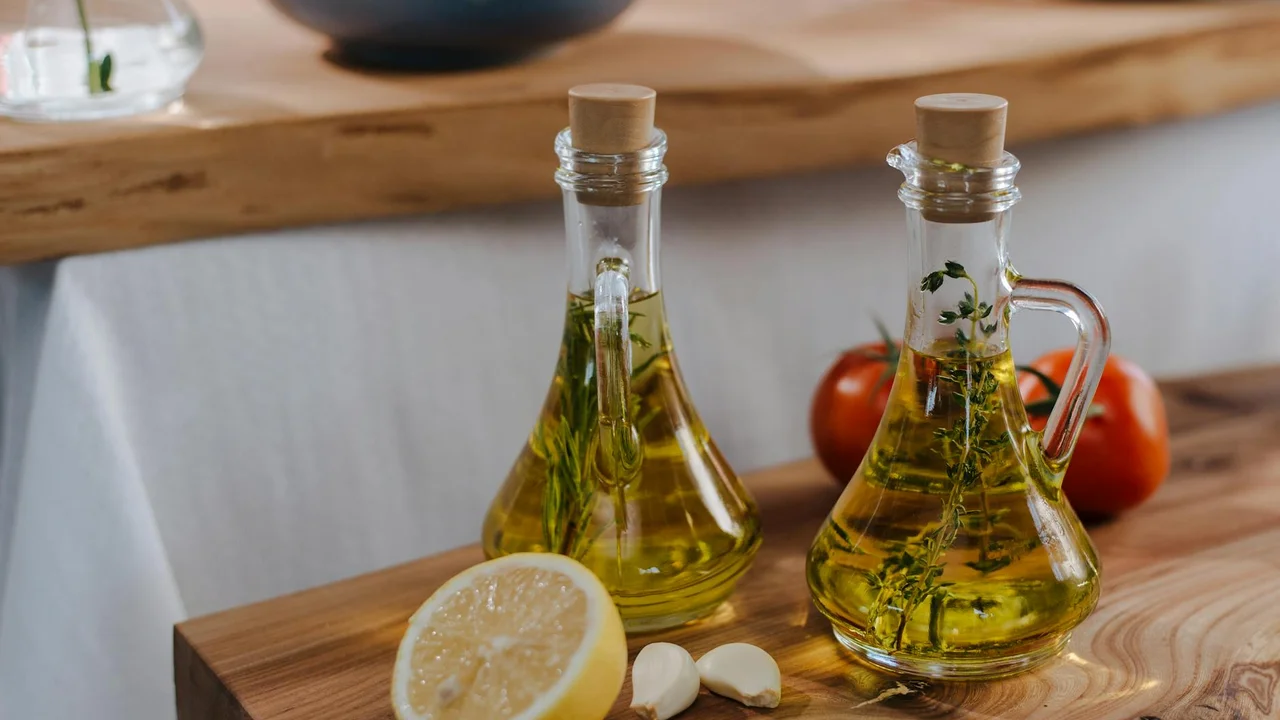
Think of this as a recipe for confidence. I use this same methodical approach when blending oils for the home, and it never lets me down.
-
Check the fat’s state. Is it meant to be solid (like in cookies) or liquid (like in cake mix)?
Shortening is a solid fat for a reason. In recipes like sugar cookies or pie dough, it’s creamed with sugar to trap tiny air pockets. This gives your bake lift and structure.
Liquid oils can’t create that airy network. Feel the recipe’s intention with your hands-if the dough needs to hold a shape, the fat should be solid too.
-
Choose your swap. For solid fats, pick solid coconut oil. For creamed recipes, a solid fat is best.
Solid, room-temperature coconut oil is your closest match. It behaves almost identically to shortening when you cream it. I always have a jar next to my stove, just like the shea butter on my apothecary shelf for solid balms.
For recipes that already call for melted shortening or liquid fat, a simple vegetable oil works perfectly.
-
Measure carefully. Use the 3/4 oil to 1 cup shortening ratio for liquid oils, or a 1:1 swap for coconut oil.
This ratio is crucial. Liquid oils are 100% fat, while shortening contains added water and air. Using a full cup would make your bake greasy.
I measure coconut oil by weight for precision, just as I do with precious essential oils for a blend. If you’re using cups, pack solid coconut oil firmly into the measuring cup.
-
Adjust other liquids. If using liquid oil, reduce milk or water in the recipe by 1-2 tablespoons.
Since you’re adding pure fat, you need to balance the overall moisture. Start by reducing other liquids by one tablespoon.
The batter should look familiar-not too wet, not too dry. It’s the same kind of attentive adjustment I make when finalizing a hair oil recipe.
-
Expect a texture shift. Your baked good will be different, but not necessarily bad!
Cookies may spread a bit more and have a tender, sometimes crispier bite. Cakes become wonderfully moist.
Embrace this change as a feature, not a flaw. It’s like the difference between a light body oil and a rich butter; both are wonderful, just distinct.
-
Note the flavor. Unrefined coconut oil adds a tropical note. Choose refined for neutrality.
Unrefined (virgin) coconut oil has a sweet, unmistakable aroma. It’s lovely in banana bread or oatmeal cookies.
For chocolate cake or biscuits where you want no coconut taste, use refined coconut oil. Choosing your oil based on flavor is as important as selecting a citrus or herbal scent for your home diffuser. Coconut oil also works well in cooking chocolate and confections, helping it emulsify and set. It’s a handy choice for home chocolate making, giving a glossy finish.
Best Oils for Specific Bakes
Let’s break this down by what you’re baking. Here are my go-to recommendations from my kitchen shelf.
For a Boxed Cake Mix
Grab the liquid oil. I always keep a bottle of mild-tasting vegetable or canola oil just for this.
It blends effortlessly into the dry mix, guaranteeing a reliably moist and tender crumb every single time.
Melted and cooled coconut oil can work in a pinch. Just know your cake might feel a bit denser or firmer if you store it in the fridge.
For Chewy Cookies
If you’re looking to substitute oil for shortening in cookies, the result is a softer, more cake-like texture.
For a classic chewy cookie, you need a solid fat. That’s where solid, room-temperature coconut oil shines.
Using solid coconut oil lets you cream it with sugar, which traps air and gives cookies a closer texture to the shortening version. Just scoop it like you would shortening.
For Fudgy Brownies
Wondering about a substitute shortening for oil in brownines? Don’t overthink it.
Liquid oils are actually perfect here. They coat the flour proteins lightly, preventing too much gluten formation, which leads to that dense, fudgy square we love.
Either a neutral liquid oil or gently melted coconut oil integrates beautifully into brownie batter, enhancing that rich, melt-in-your-mouth quality. This naturally leads to the question of whether these are the best vegetable oil substitutes for baking cakes and brownies. The next steps will explore quick comparisons and tips to help you choose.
For Tender Breads & Biscuits
The answer for how to substitute oil for shortening in bread depends entirely on the type of bread.
For quick breads like banana or zucchini bread, liquid oil is your friend. It distributes easily, ensuring every slice is uniformly moist.
For flaky layers in biscuits or scones, you need a solid fat that won’t fully incorporate. Solid coconut oil, cut into small pieces, mimics shortening’s “pebbly” texture. Those little solid pockets create steam and lift, giving you beautiful, pull-apart layers.
Important Considerations & Kitchen Safety
Before you start swapping, let’s talk about heat and how these oils behave. It’s a bit like knowing which botanical oil is safe for your skin before you apply it.
Mind the Smoke Point
Every oil has a temperature where it starts to smoke and break down. For frying or sautéing, the oil’s smoke point is your most important guide. Most vegetable oils, like canola or sunflower, have a moderately high smoke point, making them fine for general stove-top cooking.
Refined coconut oil has a high smoke point, but the unrefined (virgin) kind will smoke at a lower temperature. If your pan starts smoking, the oil is degrading. You’ll get an off flavor and some compounds you don’t want in your food. From the science of smoke points: when oil is heated, its fats break down. This breakdown releases volatile compounds that smoke and can create off flavors.
The Chill Factor with Coconut Oil
Coconut oil is a shape-shifter. In my own pantry, it’s solid in the cooler months and liquid in the summer. Baked goods made with coconut oil will become quite firm and dense when stored in the fridge.
That batch of chocolate chip cookies you loved warm from the oven might feel like a brick straight from the cold. Let coconut oil-based items sit at room temperature for 10-15 minutes before serving. This allows the fat to soften just enough for the perfect texture.
A Note on Fats in Your Diet
I view oils in the kitchen much like I view them for wellness: as powerful, concentrated ingredients. All fats, whether solid shortening or liquid oil, are best used thoughtfully within a balanced diet. If you’re looking for practical guidance, a quick guide on the healthiest cooking oils for everyday use can help you choose what’s best for your kitchen. It helps you compare options to your cooking style and health goals.
Their role is to provide richness, carry flavors, and create wonderful textures. They are a tool, not the entire toolkit.
Experiment with a Trusted Guide
Swapping fats is a fun kitchen experiment. I encourage it! The key is to start from a place of success. Begin your experimentation with a simple, trusted recipe you know by heart, like a basic muffin or cookie.
This way, you can clearly see and taste how the change from shortening to oil affects the outcome. Take notes on what you like. Your personal recipe journal, much like my blend notes for body oils, becomes your best reference for future delicious creations.
How to Choose: Vegetable Oil or Coconut Oil?
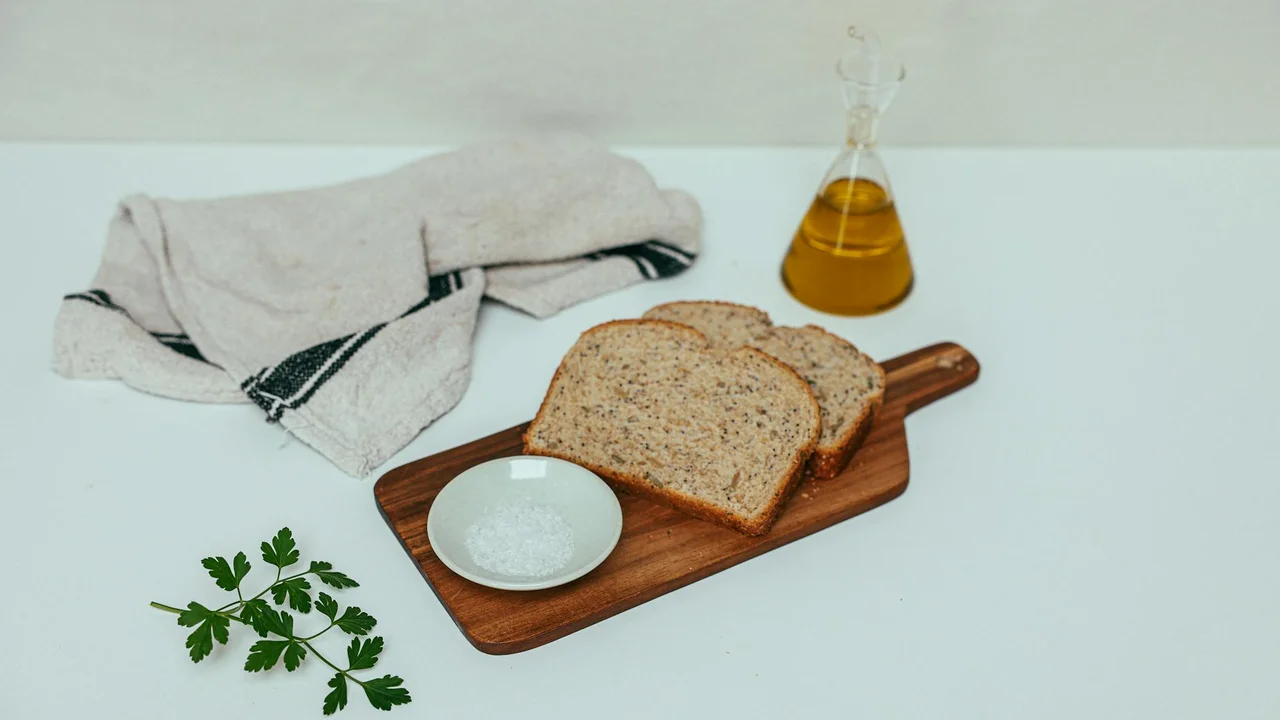
Standing in your kitchen, staring at a recipe that calls for shortening but seeing only oils in your cabinet-I’ve been there. The choice isn’t as tricky as it seems when you let your goal for the recipe guide you.
Choose Vegetable Oil If:
Reach for a bottle of vegetable oil when your main priority is adding moisture without changing the flavor. Vegetable oil is my top pick for creating an incredibly tender, soft crumb in cakes and quick breads. Its liquid nature blends seamlessly into batters, promising a consistent texture from edge to center.
It acts as a blank canvas. Whether you’re making a delicate vanilla cake or rich chocolate brownies, the light, neutral profile of oils like safflower or grapeseed lets your other ingredients shine. On my own shelf, a bottle of organic sunflower oil is a baking staple for exactly this reason.
Choose Coconut Oil If:
Turn to coconut oil when you need a direct, one-for-one replacement for solid shortening. Because it’s solid at room temperature, coconut oil can mimic the physical properties of shortening, which is key for creating flaky layers. Think pie crusts, biscuits, and certain cookie doughs.
You must accept its personality, though. Unrefined (virgin) coconut oil will impart a gentle, tropical sweetness. If you love that flavor, it’s a beautiful bonus. If you don’t, seek out a refined coconut oil for a much more neutral result. I always chill my dough made with coconut oil before baking; it helps ensure those perfect, crisp flakes. There are key differences and benefits between virgin and refined coconut oil for skin, hair, and cooking. Knowing them can help you choose the right oil for beauty routines or kitchen needs.
Here’s the good news: both are fantastic, versatile staples to have on hand. Beyond baking, these plant-based oils are workhorses for DIY body care and home projects, from conditioning wooden spoons to whipping up a simple skin balm. Trust your pantry and your purpose, and you really can’t go wrong.
Your Questions, Plant-Based Answers
Is coconut oil a direct substitute for palm oil shortening?
Yes, absolutely. Solid, room-temperature coconut oil can replace palm oil shortening at a 1:1 ratio for nearly identical results in baking. For a sustainable choice, I opt for organic coconut oil or seek RSPO-certified palm oil if I use it. Coconut oil and palm oil have different sustainability, health, and culinary profiles, so it’s essential to choose wisely.
Why do my cookies spread too much when I use oil instead of shortening?
This happens because liquid oil doesn’t trap air like creamed solid fat can. For less spread, chill your dough thoroughly before baking and consider using solid coconut oil instead of a liquid vegetable oil for better structure.
Can I use oil instead of shortening in yeast bread?
Yes, liquid oils like olive or avocado oil work wonderfully in yeast breads, enriching the crumb and keeping it moist. For laminated doughs or biscuits where flaky layers are key, a solid fat like coconut oil is the better choice.
Your Kitchen, Your Botanical Choice
The most reliable advice I can offer is to let your desired result guide your oil choice. For flaky layers in pie crust, chilled butter or dedicated shortening still wins, but for tender cakes or soft bread, a mild vegetable oil often works beautifully. It’s all about selecting the right botanical tool for the culinary task at hand.
I encourage you to try these substitutions in your own kitchen and observe the results. Trust your senses-the texture of the batter, the aroma in the oven, the final crumb-just as you would when blending oils for skin or home.
Related Guides and Information
- Best Shortening Substitutes for Baking From Coconut Oil to Butter
- Substituting Oil for Shortening in a Cake Recipe
- r/Cooking on Reddit: Ask Cooking: If I substitute vegetable oil for shortening because I don’t like to use hydrogiated oil, what will the affect be?
- what can be substituted for shortening in recipes?
- Substitutions for Vegetable Shortening – F. Oliver’s
- 8 Best Shortening Substitutes – What to Substitute for Shortening
Noemi is an accomplished wellness researcher, nutrition care guide and body care expert. She has years of experience in formulating various oil combinations for full body wellness including face, hair, body care, essential oils and cooking oils. She works as a bio-formulator working with oil chemistry and analyzing the best formulations when it comes to your needs. Feel free to reach out to get your oil needs sorted.