
Is Coconut Oil Your Secret to Better Cooking and Baking?
That solid jar on your shelf can seem confusing if you’re used to liquid oils or butter. I felt the same hesitation years ago before it became my most-reached-for fat in the kitchen.
You can confidently use coconut oil in almost any recipe by knowing a few simple techniques. Here is what I will share with you:
- The real difference between refined and unrefined coconut oil
- My exact substitution ratios for butter and vegetable oil
- A forgiving recipe for coconut oil chocolate chip cookies
- How to prevent a greasy texture in your baked goods
What Exactly is Coconut Oil for Your Kitchen?
Think of coconut oil like coffee. Unrefined oil is a dark roast. It’s pressed from fresh coconut meat and keeps a robust, tropical aroma and flavor. Refined oil is a light roast. It’s made from dried coconut (called copra) and processed to have a neutral scent and taste.
Open a jar on a cool day and you’ll find a solid, creamy white fat. Scoop it out like cold butter. Warm it gently above 76°F, and it transforms into a clear, silky liquid that pours like water.
This unique behavior comes from its special fats, called Medium-Chain Triglycerides (MCTs). Your body processes these fats a bit differently than others, which is why many people find it gives them a quick source of energy. I notice it myself when I use it in my morning routine.
Picking Your Perfect Jar: A Quick Guide
Your choice depends entirely on what you’re making. I keep both types in my pantry. Reach for unrefined when you want its flavor to shine. It’s fantastic in tropical curries, dairy-free desserts, or my favorite morning smoothie.
Choose refined oil for dishes where you just want the cooking properties, not the taste. It’s my go-to for high-heat stir-fries, popping popcorn, or making a batch of fried rice that doesn’t taste like a piña colada.
Labels like “virgin” or “cold-pressed” usually indicate less processing. This often means more of the coconut’s natural compounds remain, which is great for unrefined oil where you want that full, authentic profile.
And yes, you absolutely can cook with it at high heat. A good refined coconut oil has a high smoke point-around 400-450°F. That’s higher than olive oil or butter, making it a stable and safe choice for searing and frying.
Your Coconut Oil Toolkit: Essential Techniques

How to Melt and Measure for Perfect Baking
Coconut oil loves to change states right in your cupboard.
I keep mine on the shelf next to the honey, solid and creamy. For baking, you need it liquid but measured accurately.
Here’s my method. Gently melt a portion of the jar by placing it in a bowl of warm water.
Never scoop solid oil into a measuring cup meant for liquids.
You will get less oil than the recipe needs. Instead, melt it first, then pour the liquid oil into your liquid measuring cup.
Let it cool slightly before adding it to other ingredients so you don’t accidentally cook your eggs.
The Golden Rule for Swapping Fats
Replacing butter or vegetable oil is wonderfully straightforward.
You can use coconut oil in a direct 1:1 ratio for most fats.
If a recipe calls for one cup of butter, use one cup of solid or melted coconut oil.
This simple swap works for nearly every muffin, cookie, or quick bread recipe on my counter.
Remember, coconut oil can make baked goods a bit more dense and add a mild, sweet flavor.
I find it perfect for banana bread or oatmeal cookies.
Sautéing and Roasting with a Sweet Touch
This is where coconut oil truly shines for everyday cooking.
Use a tablespoon to sauté greens like kale or chard in your skillet. The oil needs only medium heat.
You will notice a light, nutty aroma that sweetens bitter greens just enough.
For roasting, toss chopped sweet potatoes or Brussels sprouts in melted coconut oil before they go in the oven.
It helps them caramelize into tender, golden bites with a delicate flavor. I prefer this over olive oil for winter squash.
Just avoid super-high heat, as it can smoke.
Creating Light, Whipped Frosting
Yes, you can absolutely whip coconut oil into a frosting.
The texture becomes airy and spreadable, like a rich buttercream.
Start with oil that is soft but not fully melted. Scoop it into a cool mixing bowl.
Whip it with a hand mixer for a few minutes until it’s fluffy and pale.
Then, gently fold in your preferred sweetener, like powdered sugar or a bit of maple syrup.
I often add a drop of vanilla from my apothecary shelf. Use it immediately or chill it briefly to firm up.
This frosting pairs beautifully with chocolate or spice cakes.
Simple Savory Dinners to Make Tonight
Looking for coconut oil recipes dinner ideas? You are in the right place. Coconut oil is my secret for turning basic ingredients into something fragrant and deeply satisfying. Its subtle sweetness pairs beautifully with savory spices, creating meals that feel both nourishing and a little special.
Switching to coconut oil in your savory cooking adds a layer of flavor that olive oil or butter simply cannot match. It has a higher smoke point than many options, making it perfect for the high heat these quick dishes need. Knowing the smoke points of common fats—olive oil, avocado oil, coconut oil, canola oil, ghee, butter, and tallow—helps you choose the right fat for high-heat frying.
1. The 15-Minute Fragrant Stir-Fry
This is my absolute go-to when I am tired but still want a real meal. I grab whatever vegetables I have-bell peppers, broccoli, snap peas-and slice them thinly.
I melt a tablespoon of virgin coconut oil in my wok. The moment it liquifies, that warm, tropical scent fills my kitchen. I toss in the harder veggies first, letting them get a slight char. The coconut oil helps them caramelize beautifully without burning.
The key is to add a splash of tamari or coconut aminos and a squeeze of lime at the very end, which cuts the richness and makes the whole dish pop. Serve it over a mound of rice, and dinner is done.
2. Crispy Roasted Sweet Potatoes or Chickpeas
For a hands-off coconut oil recipes savory side, roasted vegetables are perfect. Coconut oil is solid at room temperature, which is actually an advantage here.
I dice a sweet potato into cubes, toss them in a bowl with a scoop of firm coconut oil, smoked paprika, and salt. The solid oil coats everything in a thin, even layer. As they roast, the edges become incredibly crisp and golden, while the insides stay soft.
You can do the exact same thing with a can of rinsed chickpeas. Roasting chickpeas in coconut oil gives them an irresistible nutty crunch that makes a fantastic salad topper or snack. I keep a jar of them in my pantry.
3. An Easy Indian-Inspired Curry (Focus on Technique)
To address your search for coconut oil recipes indian, let us talk technique. In many Indian dishes, coconut oil is used to “bloom” the spices at the beginning, a step called *tadka* or *chaunk*.
Here is how I do it: I heat two tablespoons of coconut oil in a deep pan. When it is warm, I add a teaspoon each of mustard seeds and cumin seeds. I let them sizzle and pop for just 30 seconds-this unlocks their full aroma. Then, I stir in minced garlic, ginger, and curry powder.
This method of frying spices in coconut oil first creates a profoundly flavorful base that infuses the entire dish. After that, I just add a can of tomatoes, a can of coconut milk, and my choice of vegetables or lentils, simmering until everything is tender. The oil carries the spice flavors seamlessly. Beyond curries, coconut oil also shines in cooking chocolate—melted with cocoa for a silky finish. It’s a simple way to bring a tropical note to homemade chocolate.
Family Movie Night: The Best Stovetop Popcorn
Do not forget the simplest pleasure. For movie night, I use coconut oil to pop my kernels. It is a game-changer.
I use a heavy pot with a lid. I melt three tablespoons of coconut oil over medium-high heat and add three popcorn kernels. When those three pop, I know the oil is hot enough. I pour in a half-cup of kernels, cover the pot, and give it a gentle shake.
In minutes, you will have the most aromatic, tender-yet-crisp popcorn. The popcorn tastes subtly rich and toasty, and it holds a sprinkle of nutritional yeast or sea salt perfectly. It feels like a treat, but it is just a wholesome seed and a good oil, such as olive oil.
Sweet Treats and Healthy Bakes
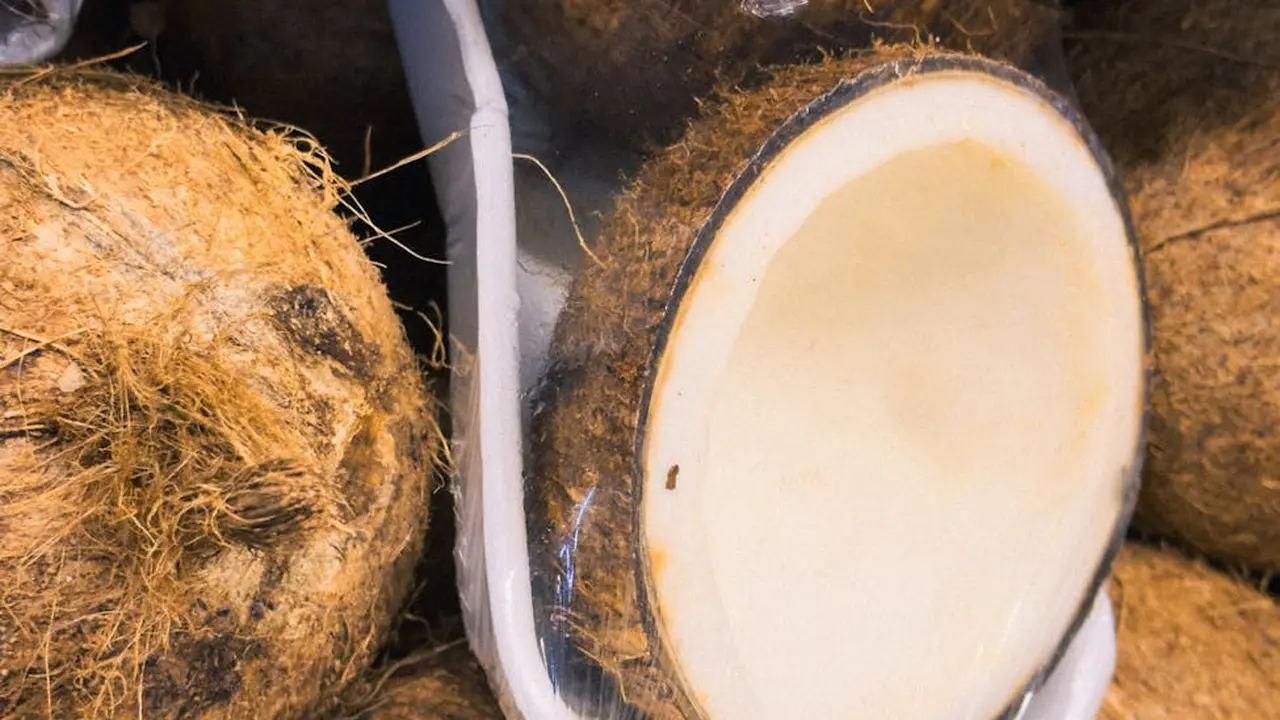
I keep a jar of coconut oil right by my mixing bowls for all my baking recipes. It brings a gentle sweetness and rich moisture that butter sometimes misses. However, proper storage is essential to preserve its freshness, especially when used in baking.
When you look for coconut oil recipes for dessert, you are often aiming for something that feels special. Coconut oil recipes for healthy baking let you enjoy that treat with a clearer conscience. It works beautifully in everything from morning muffins to after-dinner squares.
In cookies, coconut oil behaves differently than butter. It makes them chewier and causes them to spread less in the oven. You get a denser, more substantial bite that I personally prefer.
For a no-fuss snack, my apothecary shelf always has a container of no-bake energy bites. Here is my basic formula.
- Mix 1 cup rolled oats, 1/2 cup nut butter, 1/3 cup melted coconut oil, and 2 tablespoons of honey or maple syrup.
- Stir in a handful of dark chocolate chips or chopped nuts.
- Roll into small balls and chill until firm. They keep for weeks in my fridge.
Craving cake but only for one? A mug cake is your friend. In a large mug, whisk 2 tablespoons flour, 1 tablespoon sugar, 1 tablespoon melted coconut oil, 2 tablespoons milk, and a tiny pinch of baking powder. Microwave for 60 seconds. It makes a warm, personal-sized dessert in minutes.
Common Mistakes and How to Avoid Them
That lovely tropical aroma of virgin coconut oil is not always welcome. Using virgin oil in delicate baked goods, like a lemon poppy seed cake, can create a flavor clash. For those recipes, I always use refined coconut oil for its neutral taste.
Coconut oil solidifies at room temperature. If you mix melted oil straight from the pan into cold ingredients, it will turn into little hard specks. To avoid this, let your refrigerated items like eggs or milk sit out for 15 minutes first. This ensures a smooth, even batter. Understanding how to store coconut oil—whether to refrigerate it and how long it lasts—helps prevent rancidity and extends shelf life. A complete guide on coconut oil storage covers temperature, shelf life, and spoilage indicators.
Coconut oil is a wonderful fat, but it is still a fat. It has the same calories as any other oil. For anyone searching for coconut oil recipes for weight loss, view it as a wholesome substitute, not a free pass. Used judiciously, it can fit into a weight-loss plan. The real work is in balancing calories and choosing whole foods. Using it to replace processed fats in a balanced diet is a smart move. Thinking of it as a miracle is not.
Beyond the Kitchen: A Nod to Body and Home
The same pure, unrefined coconut oil you cook with is a superstar in my bathroom cabinet. Its food-grade purity means it’s gentle and simple for body care. I always keep a separate, clearly labeled jar on my “body care shelf” to avoid any cross-contamination with garlic or onions.
Simple Coconut Oil Recipes for Skin and Hair
You don’t need complicated formulas. Here are two of my most-used preparations.
Soothing Skin Salve
This is my go-to for dry elbows, cuticles, or any patch of rough skin. It’s just coconut oil, lightly infused with calming lavender.
- Scoop about 1/4 cup of solid coconut oil into a very clean glass jar.
- Add 5 drops of lavender essential oil.
- Stir gently until the scent is evenly distributed.
- Let it re-solidify at room temperature or in the fridge.
Apply a tiny dab to dry areas as needed; a little goes a long, moisturizing way. The warmth of your skin will melt it on contact.
Nourishing Hair Mask
This weekly treat adds incredible shine and softness, especially to dry or damaged hair.
- Mix 2 tablespoons of melted coconut oil with 1 tablespoon of raw honey in a small bowl.
- Stir until it forms a smooth, golden mixture.
- Apply to damp hair, focusing on the mid-lengths and ends.
- Cover your hair with a shower cap and leave it on for 20-30 minutes.
- Shampoo thoroughly to remove all the oil.
The honey helps the oil penetrate better and adds its own humectant properties. Your hair will feel deeply conditioned and silky.
Can You Bring Coconut Oil on a Plane?
Yes, but there’s a trick. The TSA’s 3-1-1 rule applies to liquids. Solid coconut oil is not a liquid.
If your coconut oil is firmly solid at room temperature, you can pack it in your carry-on without size restriction. If it’s soft or melted, it must follow the liquid rules and fit in your quart-sized bag. In summer heat, I pack mine solid and hope my destination has air conditioning.
Can Coconut Oil Be Used as Fuel?
This question comes up in homesteading circles. While pure coconut oil can technically power modified diesel engines in a pinch, it is not a safe or recommended fuel for home or vehicle use.
Using it in a standard engine can cause severe damage due to its different viscosity and combustion properties. For your home oil lamps or DIY projects, please use only fuels specifically designed and tested for that purpose. It’s wonderful for your body, but keep it out of your engine.
Keeping Your Coconut Oil Happy

Coconut oil is a stable fat, but it still needs a little care to stay fresh and effective. Think of it like a good bottle of olive oil on your shelf.
Storing it in a cool, dark cupboard is your best bet for long-term happiness. Heat and light are its main enemies, speeding up the process that makes oils go rancid.
My main jar always lives in the pantry, away from the oven. In very warm climates, or during a hot summer, the fridge is a perfect home. It will turn solid and white there, which is just fine.
When Coconut Oil Goes “Off”
All oils can eventually spoil. Your nose and eyes are the best tools here.
Fresh coconut oil has a clean, mildly sweet, nutty aroma-even the unrefined kinds. If it’s gone bad, that smell changes. It becomes sharp, bitter, or like old crayons.
You might also notice the color darkening or a faint fuzz in a forgotten jar. If you’re unsure, trust that first sniff. A rancid oil won’t hurt you in a tiny taste, but it loses its nutritional benefits and tastes unpleasant.
A Handy Daily-Use Trick
I keep a small, pretty ceramic jar right next to my stove. I fill it from my big pantry jar every few weeks.
This little “working” jar is so convenient for greasing pans or a quick spoonful for sautéing. Keeping a small amount out prevents constant temperature changes and potential contamination from wet spoons in your main supply.
When the small jar is empty, I wash it well, let it dry completely, and refill it. This simple system keeps my cooking smooth and my primary oil pristine.
Your Questions, Answered
Can coconut oil really help with weight loss?
It can be a supportive part of a balanced diet when used as a replacement for less healthy fats, not as an addition. Focus on its quality and use it mindfully within your calorie needs, enjoying the sustained energy its MCTs may provide.
Are there traditional Indian uses for coconut oil beyond curry?
Absolutely! In Ayurveda, it’s cherished for hair oiling to nourish the scalp and strengthen strands. It’s also a beautiful fat in traditional sweets, lending a rich texture and subtle flavor to treats like burfi.
Is it safe to use coconut oil on my face every day?
For many skin types, yes-a tiny amount makes a superb moisturizer. If you’re prone to breakouts, do a patch test first, as it can be comedogenic for some; consider using it as a weekly mask instead.
What’s the best way to use coconut oil in vegan desserts?
It’s a perfect 1:1 substitute for butter, providing richness and structure. For the cleanest flavor in delicate cakes or frostings, choose a refined coconut oil so the coconut taste doesn’t overpower. It’s also a reliable 1:1 butter substitute for baking and cooking. Use it to keep dairy-free richness and texture across recipes.
Can I use coconut oil in cold dishes, like salad dressings?
You can, but it will solidify when chilled. For a vinaigrette, gently emulsify melted oil with your acids and seasonings and serve immediately, or use it in dressings for grain salads that are served warm or at room temperature.
A Jar in Your Kitchen, A Staple in Your Home
The single most important piece of advice is to match your coconut oil to your task. Keep a jar of refined oil for neutral cooking and a jar of virgin oil for its tropical aroma in baking and body care. This simple distinction turns it from a novelty into a truly versatile staple, especially when you understand the key differences and benefits of each type.
I encourage you to trust your senses as you experiment with it in your recipes and routines. That same jar that enriches a curry can, moments later, soothe dry skin, embodying the beautiful simplicity of botanical oils for wellness and home.
Research and Related Sources
- Best Coconut Oil for Baking| Raw Minimally Processed Products | Wildly Organic
- baking with organic coconut oil – Nutiva
- r/Baking on Reddit: Baking with coconut oil?
- Coconut Oil Is Key to These 18 Dessert Recipes
- 5 Healthy and Delicious Coconut Oil Recipes – Bobo’s
- Baking with Coconut Oil: Our 10 Favorite Recipes | The Kitchn
Noemi Kamińska
Noemi is an accomplished wellness researcher, nutrition care guide and body care expert. She has years of experience in formulating various oil combinations for full body wellness including face, hair, body care, essential oils and cooking oils. She works as a bio-formulator working with oil chemistry and analyzing the best formulations when it comes to your needs. Feel free to reach out to get your oil needs sorted.