
What Are the Best Vegetable Oil Substitutes for Baking Cakes and Brownies?
Mid-recipe and fresh out of vegetable oil? I have been in that exact spot, and my shelf always has a few gentle alternatives ready. You likely already own a perfect substitute that will keep your baked goods tender and rich.
Choosing the right swap depends on the flavor and texture you want in your final treat.
- Everyday oils and fats from your pantry that work beautifully
- Simple conversion tips for each substitute
- My personal favorites for light cakes versus dense brownies
Key Takeaways for Your Baking Swap
First, take a deep breath. You can do this. The best place to start is with these three reliable swaps I keep in my own kitchen.
- Use melted butter for a classic, rich flavor.
- Choose a mild olive oil for dense fruit cakes or spice cakes.
- Pick avocado oil for a nearly invisible, healthy swap in anything chocolate.
The success of your swap hangs on two simple things: whether the fat is liquid or solid at room temperature, and how much flavor it carries. A liquid oil and a solid fat, like butter, behave differently in your batter. You can work with that.
Some substitutions are wonderfully straightforward. Canola oil is a direct, one-to-one stand-in for vegetable oil. Others need a tiny tweak. For butter, use about 7/8 cup of melted butter for every 1 cup of oil your recipe calls for. It’s an easy adjustment that guarantees the right texture. For baking recipes like cakes, muffins, and cookies, the choice of oil substitute matters more than you might think. The next section explains which best oil substitutes for baking yield the best texture and flavor for those treats.
Why Most Recipes Reach for Vegetable Oil
Vegetable oil is the quiet helper in your baking. Its main job is to provide consistent, reliable moisture. It coats the flour proteins, which stops too much gluten from forming. This gives you that tender, soft crumb we all love in a cake.
Think of it as a blank canvas for flavor; it adds richness without imposing a taste of its own. That’s why it’s so common. It lets your vanilla, chocolate, or spices shine without competition.
In simple terms, “vegetable oil” is usually a blend of neutral-tasting plant oils. Soybean, canola, and corn oils are the usual players. They’re processed to be mild and have a high smoke point, which is more relevant for frying but speaks to their stability. Vegetable oil is derived from plants, but it doesn’t have the robust flavors you find in single-source oils like olive or sesame.
Looking for a substitute is totally normal. Maybe you want a different fat profile, or you’re curious about a hint of flavor. Often, you just open the cupboard and find the bottle empty. I’ve been there, staring at the mixer. Having a few good alternatives on your shelf turns a problem into a chance for a delicious experiment.
The Simple Science of Swapping Fats in Baking
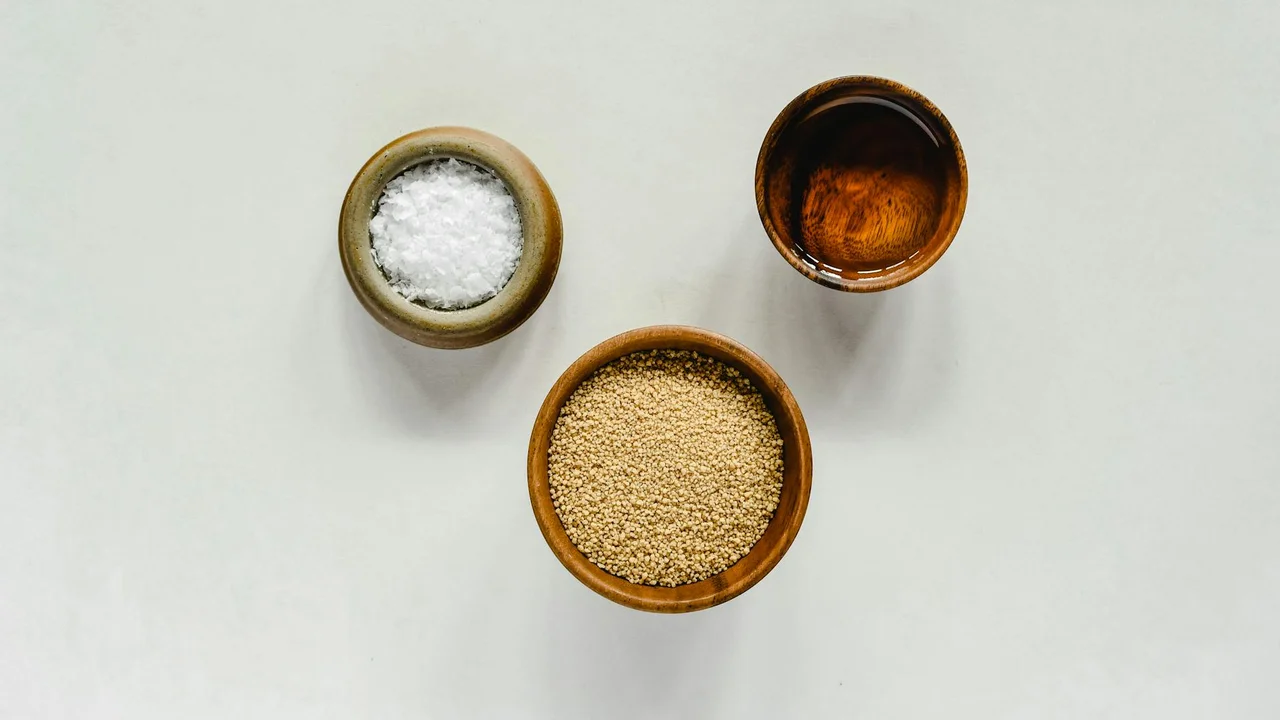
Think of your flour like a tiny, thirsty landscape. When you add fat, it coats each particle. This creates a barrier.
A good coating protects the flour from absorbing too much liquid, which is what gives you a tender, soft crumb instead of a tough, chewy one.
All fats do this job, but their physical state changes the result. A liquid oil, like the avocado oil I keep on my shelf, coats the flour completely and evenly. It’s a silky, uniform hug.
Solid fat, like room-temperature butter, coats in little uneven pockets. It leaves tiny spots where flour and water can still meet and form structure.
Liquid Oil vs. Solid Fat: A Texture Tale
That difference in coating creates your final texture. Liquid oils give you a consistent, close-grained crumb. Your cake or brownie will be supremely moist and uniform from edge to center.
For dense, fudgy brownies or a super-moist carrot cake, a neutral liquid oil is often your best friend.
Butter, because of its water content and solid-at-room-temp nature, creates steam during baking. This steam lifts the batter, forming those lovely tiny air pockets.
This leads to a lighter, cakier structure with a more delicate crumb that some find more traditional. It’s a different kind of magic.
A Quick Word on Heat and Smoke Points
You might hear about an oil’s smoke point. This is the temperature where it starts to break down and smoke. For most baking, this isn’t a worry. Your oven is hot, but cakes and brownies bake well below the smoke point of good substitutes.
Standard baking temperatures are perfectly safe for oils like refined coconut, avocado, or light olive oil. When you compare refined avocado oil with olive, coconut, or other cooking oils, you’ll notice differences in flavor, smoke point, and potential health benefits. These factors can help you pick the best oil for your recipe and dietary goals.
Where it matters is if you’re searing nuts on a tray before baking, or using a recipe that calls for an unusually high temperature. For everyday cakes, focus on flavor and texture first.
Your Guide to the Best Oil Substitutes
Think of your pantry as a form of kitchen wellness. Each oil brings its own texture and aroma, transforming a simple bake. Here is my curated list of favorites, chosen because they multitask beautifully from the mixing bowl to your body and home routines.
Butter: The Rich, Golden Standard
Can butter be substituted for vegetable oil in brownies? Yes, and it’s a wonderful swap. Butter adds a creamy, nostalgic depth you simply can’t get from oil. Its rich flavor shines in chocolate or vanilla cakes.
The trick is in the ratio. For every 1 cup of vegetable oil, use about 7/8 cup of melted butter. This accounts for butter’s water content, which affects moisture. Swapping in butter creates a richer, more complex flavor profile that feels deeply comforting.
Getting the Swap Right
Melt your butter gently over low heat or in short microwave bursts. Let it cool to room temperature before mixing it into your batter. This prevents it from cooking the eggs.
This method is actually the secret. That bit of water in butter creates steam during baking, which is why brownies made with butter develop those delightfully chewy, slightly crisp edges.
Mild or Refined Olive Oil: The Fragrant Friend
Can you make brownies with olive oil? Absolutely. A mild, buttery variety is your best friend here. It has a silky texture and a peppery or grassy scent that is surprisingly subtle when baked.
Those gentle peppery notes pair magically with citrus, almond, or deep dark chocolate recipes. I keep a bottle of mild olive oil on my shelf just for my favorite orange olive oil cake, where its fragrance complements the zest perfectly.
For brownies, it adds a sophisticated, earthy note that makes them taste gourmet.
Avocado Oil: The Silent Neutral
This oil is a champion of versatility. It has a very mild, slightly buttery flavor and a high smoke point. Its viscosity is nearly identical to vegetable oil, pouring easily and blending into batters without a trace.
Use avocado oil as a seamless one-to-one substitute when you want absolutely no competing flavor. It’s my go-to for delicate bakes like a classic yellow cake or light muffins.
I also love it for skin care, which makes the bottle in my pantry a true multitasker.
Coconut Oil: The Tropical Moisturizer
You’ll find coconut oil solid at room temperature, with a gentle tropical aroma. For baking, you must gently melt it to measure it accurately and ensure it blends evenly into your batter.
It gives baked goods a wonderful, dense moisture. I recommend coconut oil for hearty, spiced cakes like carrot cake or for creating exceptionally chewy, fudgy brownies.
The light coconut scent can enhance recipes with warm spices or chocolate, adding a layer of cozy flavor.
Canola Oil: The Direct Stand-In
Can canola oil be substituted for vegetable oil in brownies? It’s one of the easiest swaps you can make. It has a light color and a neutral taste, making it a virtually identical one-to-one replacement.
This is your no-fuss, direct stand-in when you simply need the function of oil without any flavor change. Its high smoke point also makes it a common choice for frying, right from your baking pantry.
It blends invisibly, producing reliably moist cakes and brownies every time.
Wonderful Non-Oil Alternatives for Moisture
Sometimes the best swap isn’t another oil, but a simple ingredient from your fridge or pantry.
These kitchen staples add lovely moisture and can lower the overall fat in your recipe. For the best texture, I always recommend using them to replace only a portion of the total oil called for. Think of them as a supporting actor, not a complete stand-in.
Unsweetened Applesauce: The Fruitful Helper
This is my go-to for adding a soft, caky crumb. Its gentle sweetness blends right in.
You can confidently replace up to half of the vegetable oil with an equal amount of unsweetened applesauce. Expect a slightly denser, very tender result that stays moist for days.
I find its subtle fruitiness pairs beautifully with warm spices. It’s perfect in carrot cake, spice cake, or banana bread. For a chewy, fudgy brownie, a few spoonfuls of applesauce work wonders.
Full-Fat Yogurt or Buttermilk: The Tangy Tenderizer
These dairy options bring something special: acidity. Just like the right essential oil can balance a blend, this acidity tenderizes gluten, giving you a soft texture.
It works in a similar way to oil by coating flour proteins, preventing them from getting tough. Replace a quarter to half of the oil with an equal amount of full-fat plain yogurt or buttermilk for a super-moist crumb with a pleasant, subtle tang.
This tang is a dream in lemon poppy seed cake, chocolate cake, or even a rich zucchini bread. I keep a small tub of Greek yogurt in my fridge just for baking emergencies.
Step-by-Step: How to Substitute Butter for Vegetable Oil
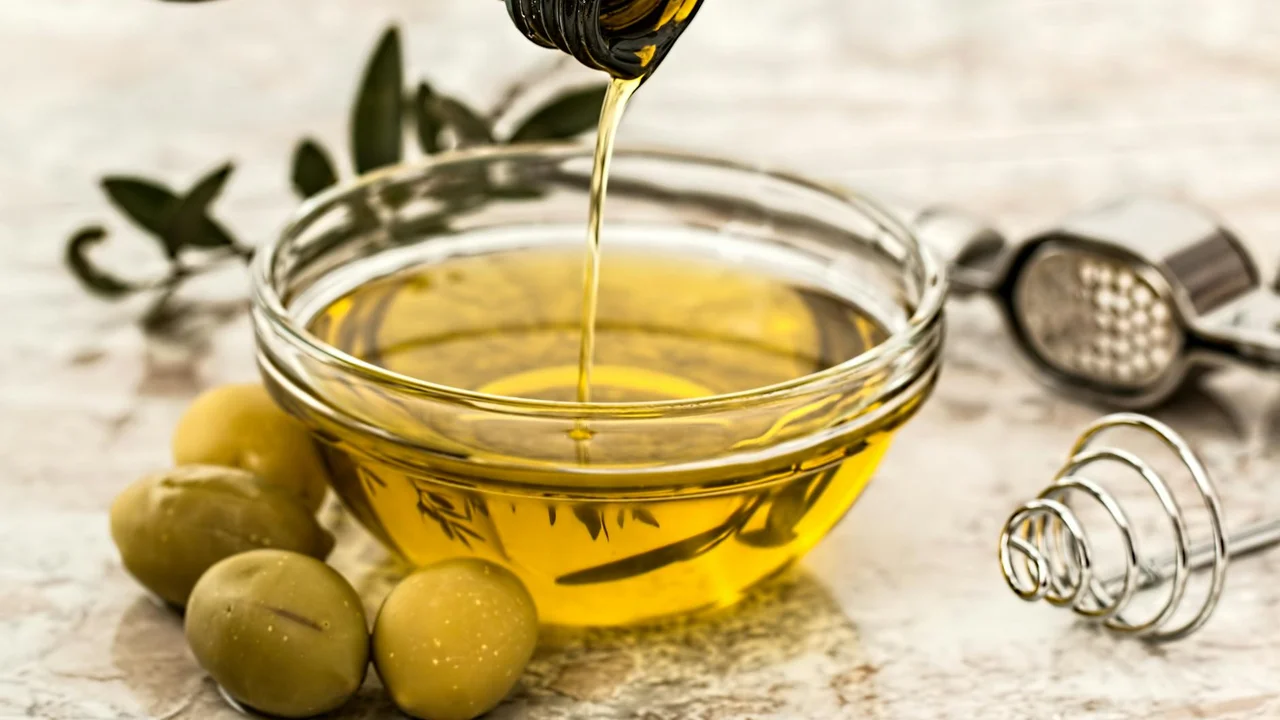
You absolutely can substitute butter for vegetable oil in cakes and brownies. This simple swap gives you a warmer, more buttery aroma and a slightly firmer, richer crumb. It’s a classic technique I use all the time in my own kitchen. Knowing the right ratios is key.
-
Melt your required amount of butter slowly in a small saucepan over low heat, or in a microwave-safe bowl in short bursts. Let it cool down until it’s just warm to the touch before adding it to your mix. This prevents it from accidentally cooking your eggs and scrambling them.
-
Measure with care. For every 1 cup of vegetable oil your recipe calls for, use 7/8 cup of melted butter. That’s one cup of oil, minus two tablespoons. I keep a dedicated glass measuring cup on my shelf just for this task.
-
Mix your batter as the recipe directs. You might notice it’s a bit thicker than with oil. That’s perfectly normal. Bake as usual. Your finished treat will have a more complex, comforting flavor and a lovely golden color.
Pro Tips for Perfect Cakes and Brownies Every Time
Swapping oils is simple, but a few small habits make a big difference. They turn a simple substitution into a guaranteed success.
Start with a Well-Prepared Pan
Always grease your baking pan lightly before pouring in the batter. I keep a pastry brush on my shelf just for this.
Use a tiny amount of the same oil you are baking with, or use melted butter. This creates a consistent flavor and helps your treats release cleanly.
A thin, even coating is better than a thick, gloopy one for preventing sticky edges.
Listen to Your Batter
Before you pour, take a tiny taste of the batter. Be mindful of raw eggs if your recipe uses them.
This is your chance to catch if an oil’s flavor is too strong or just right in the mix. A robust olive oil might taste great in a citrus cake batter but odd in a vanilla one.
Your tongue is the best tool you have to fine-tune flavors before baking.
Test Drive New Oils
When you are excited to try avocado or a fragrant nut oil, bake a small test batch first. I use a loaf pan or make six muffins.
This saves ingredients and lets you adjust for the next time. You will learn exactly how that oil behaves in your oven.
A small test run builds your confidence and prevents disappointment.
A Special Note for Cornbread
For vegetable oil substitutes for cornbread, think savory and rich. The cornmeal loves a flavorful fat.
Melted butter is my standard for golden, tender results. For exceptional flavor, use rendered bacon fat. It adds a smoky, salty depth that is incredible.
For a plant-based option, a mild, unrefined avocado oil works beautifully without overpowering the corn.
Your Questions, Answered
Can I use olive oil for frying as a vegetable oil substitute?
Yes, but opt for a refined or light olive oil for higher-heat frying to avoid smoke. Its gentle flavor adapts well to savory dishes, making it a practical swap compared to other oils used in cooking.
What’s the best vegetable oil substitute for everyday cooking?
Avocado oil is my go-to for its neutral taste and high smoke point, perfect for sautéing, roasting, and dressings. It’s well-suited for frying and other high-heat cooking thanks to its stability, and it brings health benefits with heart-healthy fats. Canola oil also works beautifully as a direct, budget-friendly stand-in.
How do I choose a substitute for vegetable oil in cornbread?
Pick melted butter or bacon fat for rich, savory depth, or use mild avocado oil for a plant-based option that keeps cornbread tender. Avoid strong oils to let the corn flavor shine.
Is avocado oil a good all-purpose substitute for vegetable oil?
Absolutely, avocado oil’s neutral profile and heat stability make it a versatile one-to-one replacement for baking, frying, and more. As a substitute for vegetable oil in baking, frying, and even salad dressings, avocado oil fits seamlessly into everyday recipes. Its neutral profile helps keep flavors true and textures consistent. It’s a kitchen staple that supports both wellness and consistent results.
Final Thoughts from a Well-Oiled Kitchen
The heart of successful substitution lies in pairing the oil’s character with your recipe’s needs-think light texture or rich flavor. I always suggest starting with a one-to-one swap of a mild, reliable oil like refined coconut or light olive oil to build your confidence.
I welcome you to bring this spirit of experimentation to all your projects, from baking to body care, right here with us. Trust the process, trust your own senses, and you’ll find that your kitchen and home apothecary flourish together.
References & External Links
- Out of vegetable oil? Use these pantry staples instead
- Vegetable Oil Substitutes: Here’s What You Can Use Instead | Zero Acre Farms
- What to Substitute for Vegetable Oil – Best Vegetable Oil Substitutes
- The Best Vegetable Oil Substitute and Other Alternatives | Algae Cooking Club
- Substitute for Vegetable Oil: 4 Healthier Options
Noemi is an accomplished wellness researcher, nutrition care guide and body care expert. She has years of experience in formulating various oil combinations for full body wellness including face, hair, body care, essential oils and cooking oils. She works as a bio-formulator working with oil chemistry and analyzing the best formulations when it comes to your needs. Feel free to reach out to get your oil needs sorted.