
Can You Swap Butter for Oil in Your Favorite Recipes?
You’re halfway through mixing batter and realize you’re out of butter, or you want to make a recipe healthier by skipping the vegetable oil. I’ve been there, staring into my own pantry, and the good news is that swapping these fats is absolutely possible with a few simple rules.
This guide walks you through the straightforward ratios and methods to successfully substitute butter and oil, so your cakes stay moist and your sautés sizzle.
- Simple substitution ratios for butter and oil
- How each fat changes the texture of cakes and cookies
- Best picks for cooking on the stovetop
- My go-to recipe adjustments from my own kitchen notebook
Why Swap Butter for Oil in Your Kitchen?
You might choose oil over butter for a few common reasons. Dietary needs, like vegan eating or lactose sensitivity, often make oil a clear choice. Sometimes, you just want the reliable moisture oil brings to baked goods, keeping them soft for days. And let’s be real-running out of butter happens to all of us. I’ve definitely grabbed a bottle from my pantry shelf in a pinch.
The textures they create are distinctly different. Butter, with its water and milk solids, helps build flaky layers in pie crusts and a crisp edge on cookies. Oil, being pure fat, coats flour evenly and delivers a consistently moist, tender bite. Think of it as the difference between a structured biscuit and a tender muffin.
You can confidently replace butter with oil in many recipes, and it frequently turns out wonderfully. I often use a mild avocado oil for everyday baking when I want a neutral, healthful fat. Consider avocado oil a versatile substitute for vegetable oil in baking, frying, and even salad dressings. Its neutral flavor helps keep recipes cohesive and tasty.
The Golden Rule: How to Get the Ratio Right
Remember this simple ratio: for every 1 cup of butter, use about ¾ cup of oil. I keep this rule on a note in my kitchen, right next to my essential oil dilution chart.
You use less oil by volume because butter isn’t all fat. It’s roughly 80% fat and 20% water. Oil is 100% fat, so it’s more concentrated. It’s similar to how you’d use less of a potent essential oil compared to a carrier oil for a safe blend.
Yes, you can substitute butter for vegetable oil in a cake mix with a simple tweak. If the box calls for oil, just melt an equal amount of butter, let it cool to room temperature, and mix it in. Your cake will have a richer, more classic flavor compared to other vegetable oil substitutes.
Your Guide to Oils: From Pantry Staples to Botanical Treasures
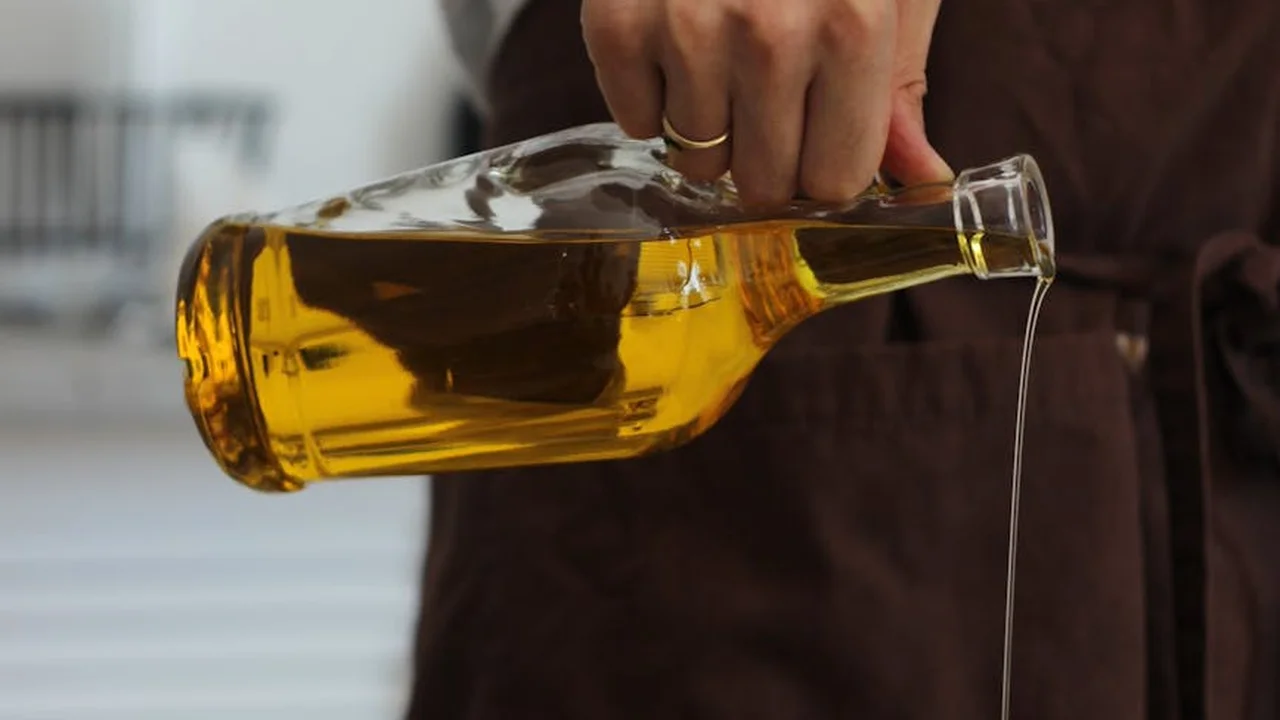
I organize my kitchen oils by how they handle heat. This simple system prevents kitchen surprises.
Neutral oils are your baking workhorses. They have mild flavors that don’t compete with vanilla or chocolate.
Flavorful oils become a core ingredient. Use them for sautéing vegetables or whisking into vinaigrettes.
Special finishing oils are delicate treasures. Their complex aromas fade with heat, so I add them after cooking.
Categorizing your oils this way makes substitution intuitive and reliable.
Comparing Your Key Kitchen Oils
Here is how my most-reached-for bottles stack up. I judge them by smoke point, flavor, and their best job in my kitchen.
Choosing an oil with a suitable smoke point protects its nutrients and prevents a bitter, burnt taste.
A Gentle Oil for Special Baking
For delicate cakes or shortbread, I sometimes reach for a bottle from my apothecary shelf: sweet almond oil.
Its flavor is lightly nutty and subtly sweet. It brings a tender, moist crumb to pound cakes.
Almond oil feels silky on the skin, too. Using it in a baking project always leaves my hands softly hydrated, a lovely bonus.
This dual purpose connects your kitchen craft directly to hands-on wellness, a practice I cherish.
Baking by Recipe: Cakes, Cookies, Muffins & More
Let’s look at each baked good separately. I find this approach helps you predict the texture and flavor change.
For Cakes (The Most Common Swap)
Oil gives cakes a supremely moist, even crumb that stays tender for days.
In my kitchen, this makes it perfect for dependable sheet cakes and stable layer cakes.
Since oil is neutral, I always add a touch of extra flavor, like a splash of vanilla or lemon zest from my window herb garden.
For Cookies
Swapping butter for oil makes cookies softer and cakier, not crisp.
You won’t get those buttery, crunchy edges my family loves in shortbread.
Chill the dough longer to prevent excessive spreading-I often let mine rest overnight in the fridge.
For Muffins & Quick Breads
Many recipes here already use oil for its reliable moistness.
If yours calls for butter, use the standard swap: ¾ cup oil for every 1 cup of butter.
The oil creates a beautifully tender texture that feels light and melts smoothly.
For Pancakes and Waffles
Using oil instead of butter makes waffles lighter and gives them a crisper edge.
The substitution is simple: just use that same 3:4 ratio you use for cakes.
For a healthier swap, I keep avocado oil or a mild, fruity olive oil on my shelf for weekend waffle batches.
These oils handle the griddle’s heat well and add a gentle richness without a heavy feel.
Savory Cooking: Sautéing, Searing, and Finishing
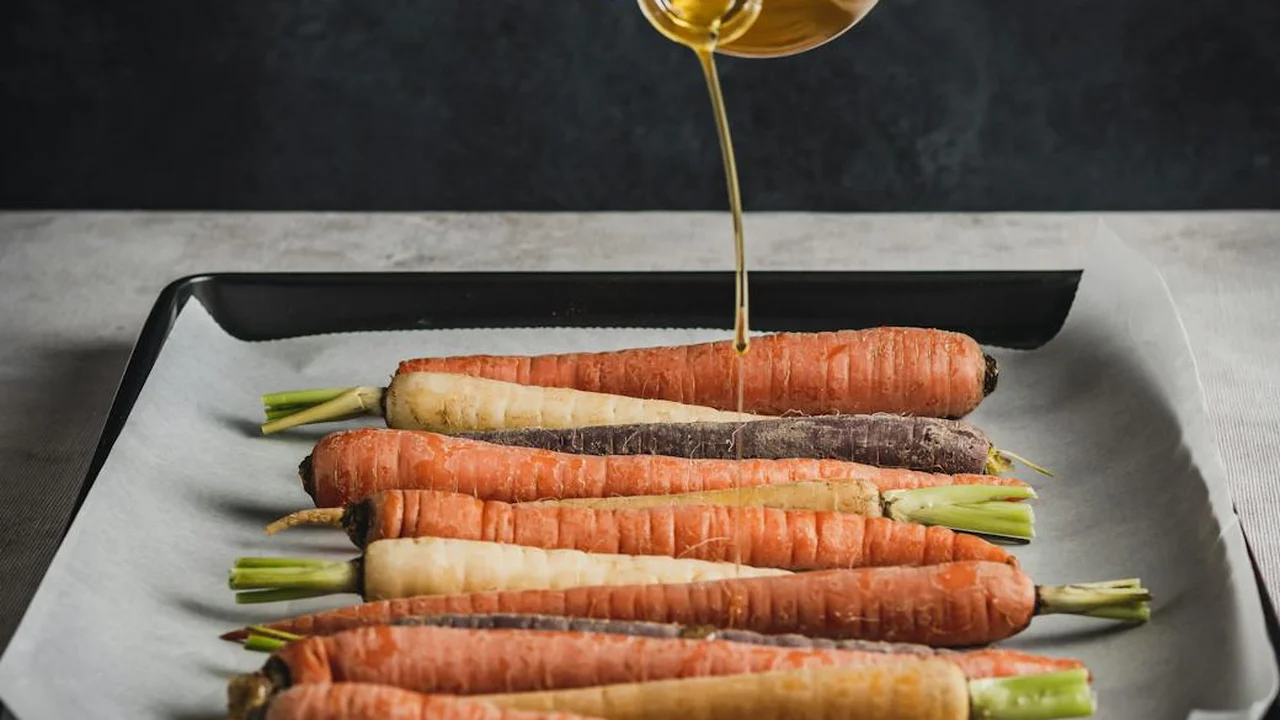
Moving from sweet bakes to the stovetop changes the game. Here, heat management and flavor impact are everything. Your choice of fat isn’t just about moisture; it’s about creating a perfect sear or a fragrant finish.
Choosing Your Oil for High-Heat Searing
When you want a beautiful, caramelized crust on a steak or scallop, you need an oil that won’t break down and smoke up your kitchen. Think of an oil’s smoke point like its heat tolerance. A high smoke point means it can take the heat, unlike many botanical oils.
For this job, I reach for oils that are both sturdy and relatively neutral in flavor. Avocado oil is a superstar here, with one of the highest smoke points available. It lets the natural flavor of your food shine. Refined coconut oil is another great option from my pantry. Refined means it’s been processed to remove the coconut aroma and raise its smoke point, making it ideal for searing.
Save your fragrant, unrefined oils for lower heat; their delicate compounds can burn and turn bitter when you sear.
Flavorful Finishes: The Power of a Drizzle
This is where your most aromatic oils become the star of the dish. A finishing oil is added after cooking, just before serving. Its job is to contribute a burst of fresh flavor and aroma that heat would have destroyed.
A bottle of robust extra virgin olive oil lives next to my stove for this exact reason. A drizzle over finished soups, grilled vegetables, or pasta brings a lovely, peppery fruitiness. Toasted sesame oil is another favorite. Its deeply nutty, warming scent transforms a simple stir-fry or bowl of noodles. Remember, a little goes a very long way.
Treat these oils like a fragrant garnish-their magic is in their raw, unheated character.
Can You Use Butter Instead of Oil for Sautéing?
Absolutely, but with a gentle hand and a watchful eye. Butter brings a rich, unparalleled flavor that vegetable oil simply can’t match. The trick is that butter contains milk solids which brown beautifully but will burn if the pan gets too hot. For a dairy-free or lighter alternative, coconut oil works well as a butter substitute in baking and cooking. It adds a subtle coconut note and handles heat well.
I use this method often. Start with a clean pan over medium heat. Use about half the amount of butter you would of oil, as its flavor is more concentrated. Let it melt and foam slightly before adding your onions or mushrooms. You’ll see it start to turn a golden color-that’s the lovely nutty brown butter flavor developing.
If you see the butter starting to darken too quickly or smoke, simply lower the heat. You can also add a tiny splash of a neutral oil to the butter to help stabilize it. It’s a dance between heat and time that yields delicious results.
Butter requires more attention than oil, but the rich, complex flavor it gives to sautéed dishes is well worth the extra care. Considerations of which is healthier—butter or olive oil—are common. A quick look at nutrition and heart health helps frame the choice.
The Butter and Margarine Question
Before we swap anything, let’s look at what’s actually in our hands. In my own kitchen, I think of ingredients by their source.
Margarine is a manufactured spread. It starts with a vegetable oil, like soybean or canola, which is then processed to make it solid at room temperature. This process changes its structure.
Oil, in the context we use here, is the pure, pressed fat from a plant. Think of the golden liquid from an olive or the light oil from a sunflower seed. An oil is a whole, single ingredient, while margarine is a product made from several.
Comparing Results in Your Baking
Each fat brings a different personality to your cake or cookies.
Butter, with its milk solids and water, gives a distinct richness and helps create those lovely air pockets for a tender crumb. It offers a flavor that’s hard to beat.
Margarine tries to mimic butter’s texture and spreadability. It can work, but I find it sometimes leaves a faint, waxy aftertaste and doesn’t brown as beautifully.
Using a liquid oil, like a mild avocado or light olive oil, results in a supremely moist bake. Oil coats flour proteins more evenly than solid fats, which often leads to a softer, more tender texture that stays moist for days. The flavor is more neutral, letting other ingredients shine.
Health Perceptions and a Simpler Choice
The debate between butter and margarine has swung back and forth for decades, often focused on types of fats. It’s a personal choice based on your dietary needs.
From my view as someone who works with botanicals, I lean toward simplicity. A high-quality, minimally processed oil feels like a more direct gift from the plant. You know exactly what you’re getting.
For a straightforward substitute for butter, a good oil is often my first reach. It skips the extra processing and additives. Choosing a pure oil can simplify your ingredient list, moving you closer to whole-food cooking. It’s a gentle shift toward recognizing the inherent value in a single, well-sourced ingredient.
Common Mistakes and How to Avoid Them
Switching fats can trip up even experienced bakers. I have a few stories from my own kitchen. Here is how to avoid the usual slip-ups.
-
Mistake: Letting a bold oil overpower a gentle cake.
You bake a vanilla cake, but it tastes like olives or strong nuts. Fix: Choose a neutral, refined oil for delicate bakes where you want a pure, sweet flavor. I keep a bottle of expeller-pressed grapeseed oil on my shelf just for this. Its light texture and almost invisible taste let your other ingredients shine.
-
Mistake: Using a direct one-to-one swap for butter and oil.
Your muffins turn out greasy or too dense. Butter is not 100% fat. Fix: For most recipes, use about 3/4 cup of liquid oil for every 1 cup of solid butter the recipe requires. This simple ratio adjustment accounts for the water in butter and keeps your batter properly hydrated.
-
Mistake: Burning a beautiful, delicate oil on high heat.
The oil smokes, smells acrid, and ruins your dish. Fix: Match your oil’s smoke point to your cooking method. I save my precious unrefined oils like flaxseed or extra virgin olive oil for low-heat sautés and dressings. For searing or frying, I always grab my refined avocado oil. It handles the heat without breaking down. Understanding smoke points is part of a science-based guide to choosing oils for different cooking methods. A quick reference can help you pick the right oil for each technique.
Your Step-by-Step Substitution Checklist
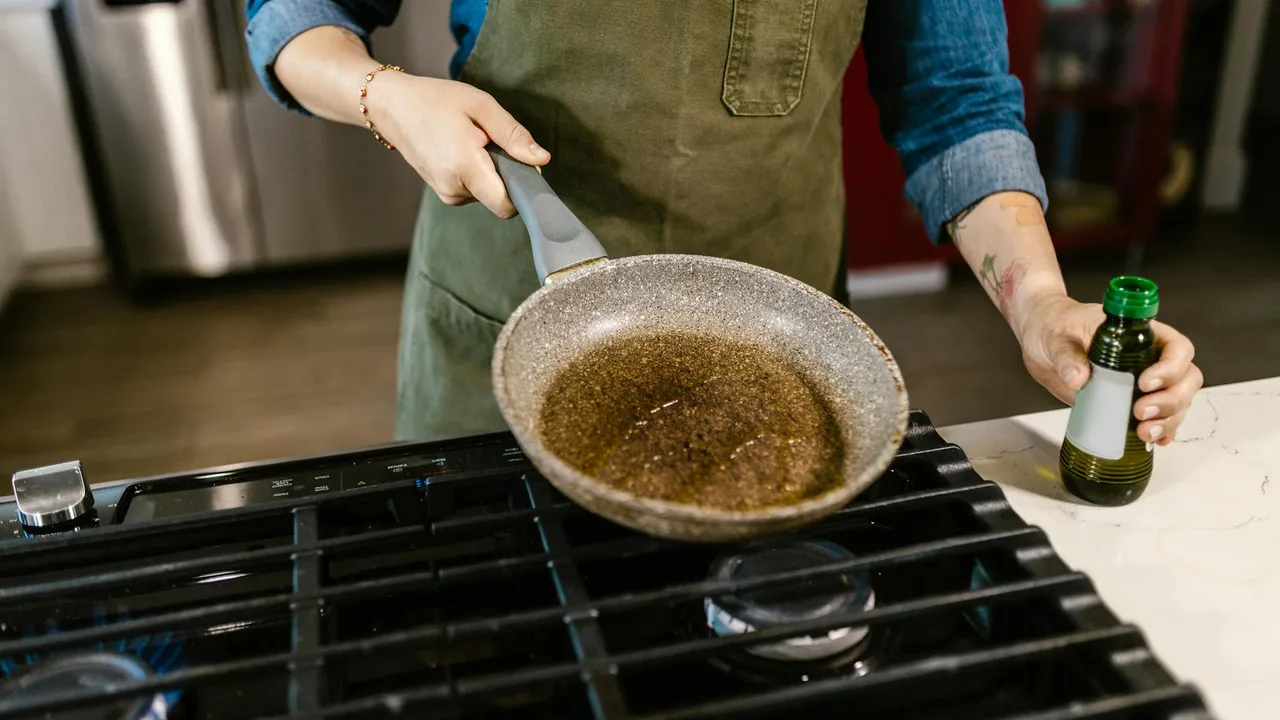
-
Figure out what job the butter or oil is doing in your recipe. Is it creamed with sugar for a light, airy cake? Butter is great for that. Is it simply there to add moisture and tenderness? That is where oil really shines. I always ask this first. It saves a lot of guesswork.
-
Select your plant oil by considering its taste and how much heat it can take. For a warm, nutty flavor in cookies, I love a good unrefined coconut oil from my pantry. For a neutral taste in a vanilla cake, a light olive oil or avocado oil is my go-to. Always check the smoke point if you are baking at a high temperature; you do not want a bitter, burnt taste. Different oils offer distinct taste profiles for cooking and baking. Knowing these oil types helps you choose the right one for cookies, cakes, and more.
-
Swap butter for oil using a ¾:1 ratio. This is the golden rule. If your recipe needs one cup of melted butter, use three-quarters of a cup of liquid oil. I keep a small measuring cup just for oils to make this easy. It keeps your bake from becoming too greasy or too dry.
-
Combine the oil with your other wet ingredients until everything is fully blended. Take your time here. I whisk by hand for a good minute. You want a smooth, homogenous mixture with no streaks of oil. This ensures every bite has the same perfect texture.
Trust yourself here. My first oil-swap cake was a little dense, but it was still delicious. Your kitchen intuition will grow with each batch. Start with a simple muffin recipe and a oil you enjoy. You will find your favorite combinations.
Quick Answers from Our Kitchen Desk
When I use oil instead of butter, how do I add back that rich flavor?
Butter’s flavor comes from its milk solids, so to compensate, add a touch of extra vanilla, a pinch of salt, or a sprinkle of cinnamon. For a deeper note, a tiny dash of a flavorful oil like toasted walnut oil can work wonders in chocolate bakes.
Can I use the butter-to-oil swap in any recipe, like waffles?
Yes, the standard ¾-cup-oil-to-1-cup-butter ratio works perfectly for waffles, yielding a crispier exterior. For a healthy twist, choose a high-heat oil like avocado to keep the batter light and the griddle smoke-free.
Is a plant oil truly better than margarine as a butter substitute?
From a botanical perspective, a pure, minimally processed oil is a simpler, whole-food ingredient compared to manufactured margarine. It avoids additives and gives you direct control over the flavor and quality of the fat in your recipe.
What’s the one mistake to avoid when swapping fats in baking?
The most common error is a 1:1 volume swap, which adds too much fat. Always remember the 3:4 ratio (¾ cup oil for 1 cup butter) to account for butter’s water content and prevent a greasy result.
Your Botanical Baking Journey
The core of successful substitution is respecting each oil’s unique character-its viscosity, aroma, and how it interacts with heat. From my own shelf, I always match a robust olive oil for savory breads and a mild, liquid coconut oil for tender cakes, treating them not just as ingredients but as partners in creating something wholesome.
I share these methods to give you a confident starting point for your own kitchen experiments. Trust your growing knowledge, and let your care for wellness extend naturally from your skincare blends to your Saturday morning muffins.
Research and Related Sources
- BOSS Butter Oil Substitute, 1kg – Achievers Food & Bakery Ingredients Corporation
- r/AskBaking on Reddit: Can you substitute butter for oil in recipes?
- Oil-to-Butter Conversion: Guide to Butter Substitutes – Instacart
- How to Substitute Butter for Oil (and Vice Versa)
- Can I Substitute Oil for Butter? | Bob’s Red Mill Natural Foods
- How to replace butter with oil: converting amounts | Fratelli Carli
Noemi is an accomplished wellness researcher, nutrition care guide and body care expert. She has years of experience in formulating various oil combinations for full body wellness including face, hair, body care, essential oils and cooking oils. She works as a bio-formulator working with oil chemistry and analyzing the best formulations when it comes to your needs. Feel free to reach out to get your oil needs sorted.