
How Long Do Cooking Oils Really Last?
I keep all my oils, from delicate rosehip to sturdy olive, on a dark shelf in my cool pantry. With a few simple habits, you can easily prevent your cooking oils from turning rancid before their time.
I’ll show you how to read your oil’s clues and store it for maximum freshness. Here is what we’ll cover:
- Shelf life expectations for vegetable, olive, and nut oils
- My go-to storage tips that I use at home
- How to tell if an oil has gone bad
- Ways to make your oils last longer
Key Takeaways: Keeping Your Oils Fresh
Here is the most important thing to know about any oil in your kitchen.
Every single bottle of oil you own will eventually go rancid, but you are in charge of how quickly that happens. Think of it like a race against time, and your storage habits are the brakes.
Three main factors speed up that race: heat, light, and air. Time is the fourth factor, always ticking in the background.
An unopened bottle has a much longer life than one you’ve cracked open. Once that seal is broken, the clock starts ticking faster.
Your nose and tongue are your best tools here. A printed date is just a guideline. A funky smell is the real deal.
How to Read the Clock on Your Cooking Oil
An oil’s shelf life is simply how long it stays fresh and safe to use before it turns rancid.
That “Best By” date on the bottle is the manufacturer’s guess for peak quality, not a hard stop. Oil can often be good for months after that date if stored well. A true expiration is when it has clearly spoiled.
In general, an unopened, well-stored oil can last 1 to 2 years. Once opened, aim to use most within 6 to 12 months. Watch for spoilage signs like a rancid smell or off taste. Store oils in a cool, dark place with the cap tightly closed to keep them fresh longer.
The type of fat in the oil dictates its staying power. Oils high in polyunsaturated fats, like vegetable or walnut oil, are delicate and spoil fastest. Oils rich in stable saturated fats, like coconut oil, are your long-lasting pantry champions.
The Big Three Enemies: Heat, Light, and Air
Let’s meet the troublemakers. I keep my favorite olive oil in a dark cabinet, never next to the stove, for good reason.
Heat speeds up the chemical breakdown of oil. Light, especially sunlight, creates free radicals that damage the oil’s structure. Air causes oxidation, which is the main path to rancidity.
Oxidation is like watching a sliced apple turn brown. Expose the fresh inside to air, and the change begins. Once you open a bottle of oil, that process starts, slowly. That same chemistry explains why oils go rancid and how you can slow it. Controlling exposure to air, light, and heat helps keep oil fresher longer.
Your goal is to minimize contact with all three. A cool, dark place in a tightly sealed container is the golden rule.
The Telltale Signs: When Your Oil Has Turned
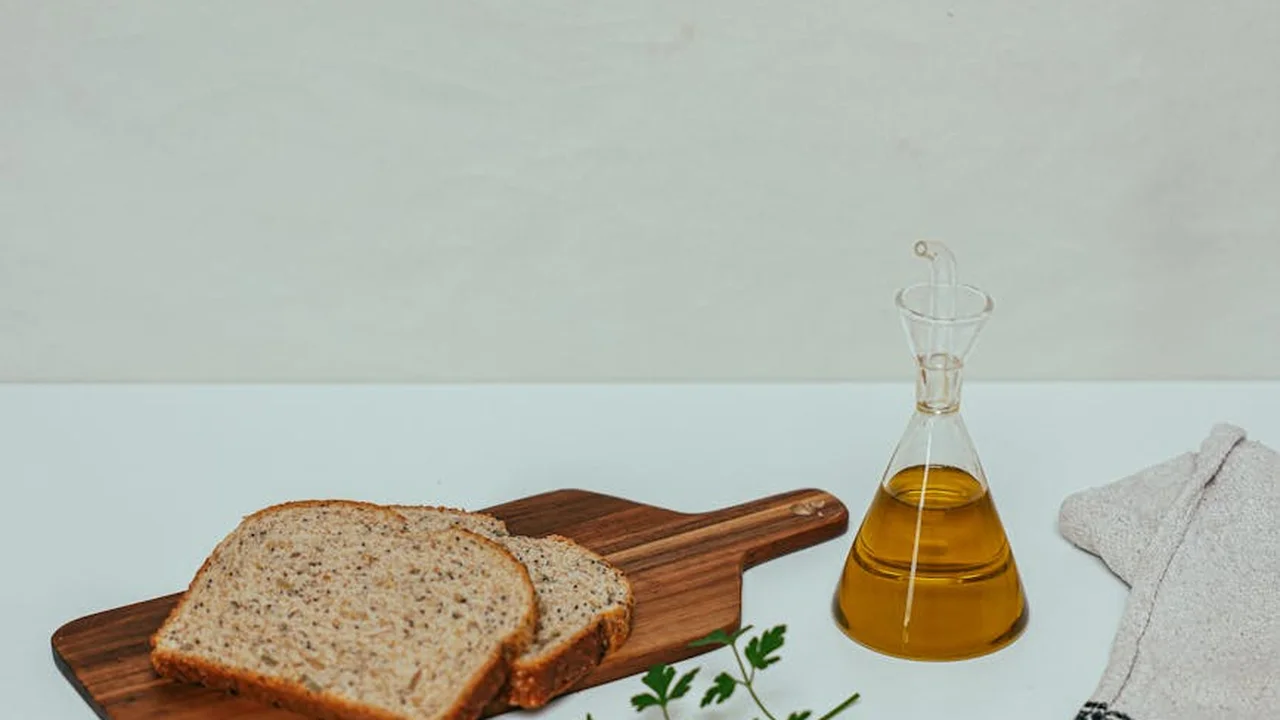
Your senses are your best tools here, even better than a printed date on a bottle. Rancidity is a chemical change you can often see, smell, and feel.
I teach everyone to start with their nose. This is your first and most reliable alert.
Step 1: The Sniff Test
Open the bottle and take a gentle whiff. Fresh oil should smell clean and neutral or like its source, such as fruity olives or nutty almonds.
A rancid oil often smells off, sharp, or even like stale nuts, crayons, or wet cardboard. Trust that initial impression. If it smells wrong, it probably is.
Step 2: A Clear Look
Pour a little into a clear spoon or glass. Hold it up to the light.
Notice if the color has deepened significantly or if a once-clear oil, like vegetable or grapeseed, now looks persistently cloudy. Remember, some oils like olive oil may get cloudy when cold but clear up at room temperature. That’s normal.
Step 3: Feel the Texture
Rub a drop between your fingers. Fresh oil feels slick and smooth.
Oil that’s turning may feel sticky, tacky, or unnaturally thick. It has lost its clean glide. I’ve found this is especially telling with nut and seed oils I use for body care.
Step 4: The Final Taste (With Caution)
If it passed the other tests but you’re still unsure, you can taste. Use just a tiny drop on a spoon.
A rancid oil will taste unpleasantly sharp or bitter, leaving a weird coating on your tongue. Spit it out. Your palate knows.
When Flavor Becomes a Fault
Does olive oil hold onto flavor longer? Yes, absolutely. This is its blessing and its curse.
That beautiful ability to soak up the essence of garlic, rosemary, or chili is what makes infusions so wonderful. But those strong flavors can also disguise the early, subtle notes of rancidity.
If you’ve infused olive oil with herbs, you need to be extra vigilant. The plant material introduces moisture, which accelerates spoilage.
Can you infuse oil too long? You can, especially at room temperature. Letting herbs or garlic sit in oil on the counter for weeks is a recipe for trouble.
For safety and best flavor, I infuse for 1-3 days at most, then strain and refrigerate the oil. I use my infused oils within a week or two, treating them like a fresh ingredient. That jar of lemon-thyme olive oil on my shelf? It’s for this week’s cooking, not for long-term storage.
Smart Storage: Your Best Defense Against Rancidity
Think of your oil bottle as a delicate botanical ingredient, which it is. Its worst enemies are heat, light, and air. Your job is to create a safe, quiet home for it in your kitchen.
Proper storage is the single most effective thing you can do to preserve flavor, nutrients, and freshness.
Rule 1: Keep It Cool
Heat accelerates the chemical breakdown of oils. That beautiful bottle next to your stove is in the danger zone.
Find a dark cupboard or pantry that stays consistently cool, far from your oven, dishwasher, or any direct sunlight. My own go-to spot is a lower cabinet on the opposite side of the kitchen from my appliances.
Consistent, cool room temperature is the goal for your everyday cooking oils.
Rule 2: Keep It Dark
Light, especially sunlight, degrades oil just as quickly as heat. It’s why high-quality oils often come in dark amber or green glass bottles.
If your oil is in a clear bottle, don’t panic. Simply tuck the original bottle inside a small cardboard box in your pantry.
Blocking the light is a simple, zero-cost trick that makes a dramatic difference in shelf life. I keep a few small tea boxes in my pantry specifically for this purpose.
Rule 3: Keep It Sealed
Oxygen is the trigger for rancidity. Every moment the cap is off, the oil is exposed.
Make it a non-negotiable habit: tighten the lid the very second you finish pouring. Avoid transferring oils to containers with wide mouths or loose-fitting lids.
A tightly sealed bottle minimizes the oil’s surface area exposed to air, dramatically slowing oxidation. This rule is non-negotiable for delicate nut and seed oils.
The Refrigerator: A Cool Haven for Special Oils
For oils you use infrequently or that are particularly prone to rancidity, the fridge is your friend. This includes most nut oils (like walnut or hazelnut), flaxseed oil, and even high-quality extra virgin olive oil if your kitchen runs very warm.
They will become cloudy and thick, even solid. This is normal and not a sign of damage.
Simply bring the bottle to room temperature for 30 minutes, or warm the amount you need in your hands; the oil will return to its clear, liquid state. The chill puts the oil’s aging process on pause, giving you months of extra usability.
Shelf Life Deep Dive: From Olive Oil to Nut Oils
Think of this as your quick-reference guide. Keep it simple: the oil type, its typical life once opened, and one key thing to remember about its stability.
Olive Oil: The Kitchen Star
Once you break the seal, a good bottle of olive oil has about 6 to 12 months of prime life if you treat it right.
Extra virgin olive oil is packed with protective antioxidants, which is great. Different olive oil grades—extra virgin, virgin, and refined—have distinct polyphenol levels that influence flavor and shelf life. But those same compounds give it a vibrant, peppery, or grassy flavor that fades with time and exposure to light. The flavor goes dull long before the oil is technically rancid, which is why fresh EVOO tastes so special.
If you love making garlic or chili-infused olive oil, pay extra attention. Those tasty additions can introduce moisture and speed up spoilage. I always make small batches of infused oils and keep them in the fridge, using them within a month for both safety and the best flavor. It’s especially important for garlic-infused oils to prevent botulism.
Coconut Oil: The Solid Citizen
Thanks to its very stable saturated fats, coconut oil is a long-lasting friend. Unopened, it can stay good for up to 2 years. Once opened, plan on 1 to 2 years. For a quick look at how long coconut oil and walnut oil last before going rancid, our shelf life guide has the details. It also offers simple storage tips to keep them fresh longer.
Its ability to shift from solid to liquid depending on the room temperature is part of its charm. A rancid jar loses its lovely, mild tropical scent. Trust your nose-if it smells stale, waxy, or just “off,” it’s time to let it go. On my shelf, I keep a jar specifically for oil pulling and skin use, and it holds up beautifully.
Nut and Seed Oils (Walnut, Sesame, Sunflower)
These are the delicate artists of the oil world, full of flavor but fragile. Once opened, most last just 3 to 6 months.
This is my non-negotiable rule: refrigerate every single nut and seed oil immediately after opening. The cold dramatically slows down the oxidation that turns them bitter. A chilled toasted sesame oil will keep its deep, nutty punch for your dressings much longer, especially when used in salad dressings.
Refined Vegetable Oils (Canola, Soybean)
Oils labeled “refined” have been processed to remove impurities and neutralize flavors. This gives them a longer, more neutral life-about a year after opening is common.
The trade-off is that the refining process also strips away most of the natural character and nutrients, leaving you with a plain, high-heat cooking oil. They are shelf-stable workhorses, but they won’t contribute any unique flavor to your dishes.
Common Mistakes and How to Avoid Them
We all develop kitchen habits without thinking much about them. I’ve certainly had to correct my own over the years. These simple fixes can make a world of difference in how your oils taste and how long they stay useful.
Mistake 1: Storing oil in a clear bottle on the counter next to the stove.
This setup is a triple threat to your oil’s freshness. Heat from the stove, constant light from the kitchen, and easy access to oxygen will speed up rancidity. Your oil is being bombarded by its three worst enemies all at once, leading to a flat or unpleasant flavor much sooner.
The fix is wonderfully simple. Find a dark, cool cupboard, ideally away from any major appliances. A pantry or a lower cabinet works perfectly. If you love the look of the bottle, just tuck it inside a simple cardboard box.
Mistake 2: Buying a giant jug of oil for light use.
That warehouse-store deal on a gallon of oil feels smart. But if you only use oil for occasional salad dressings or baking, it’s a race against time. Buying a large volume you cannot use quickly guarantees you will be using degraded oil long before the container is empty.
I apply the same rule to my cooking oils as I do to my precious nut oils for skin care: buy small and buy fresh. Opt for a standard 16 or 32-ounce bottle that you can realistically finish within a few months. Your food will taste noticeably better.
Mistake 3: Using the same oil for deep frying multiple times without checking it.
Reusing frying oil is practical, but it doesn’t get a free pass. Each fry breaks the oil down a bit more, accumulating food bits and altering its chemical structure. You cannot just eyeball it; knowing how many times it can be reused is crucial.
Always let the oil cool completely, then strain it through a fine-mesh sieve or cheesecloth into a clean container. Before the next use, do the sniff test. Fresh oil smells neutral or like the food it will cook. Rancid oil has a sharp, bitter, or almost metallic odor. For most home cooks, discarding oil after two or three uses is a safe, flavorful rule.
Mistake 4: Assuming “expensive” means “lasts forever.”
It’s an easy assumption to make. A beautiful, dark bottle of extra virgin olive oil feels like a permanent pantry fixture. In reality, it’s a fresh-pressed fruit juice. Even the highest quality, most expensive olive oil is a perishable product, and its vibrant, peppery notes are the first to fade.
Treasure that bottle, but use it. I keep my good olive oil for finishing dishes and dressings where its flavor shines. For everyday sautéing, I reach for a more affordable, stable oil. This way, nothing goes to waste, and every drop is enjoyed at its best.
When NOT to Use Aged Oils: Safety and Limitations

Trust your nose and tongue above all else. If a cooking oil smells or tastes rancid, perhaps musty, bitter, or like old crayons, you should never consume it. I keep a fresh sample of olive oil in my apothecary just for this comparison. Recognizing rancidity helps prevent health risks from spoiled oil. Being aware of the signs protects you from consuming harmful fats.
That off smell is a warning sign. Rancid oil contains free radicals, unstable molecules that can damage cells in your body when eaten. Ingesting them can lead to digestive upset, like stomach cramps or nausea.
Heat amplifies the problems of old oil. Using aged oil for high-heat cooking, like frying, often creates unpleasant, acrid smoke and imparts a burnt flavor to food. It simply won’t perform well.
Do not shift expired kitchen oils to your skincare routine. The breakdown products that cause internal issues can also irritate your skin, leading to redness or sensitivity. For my body oil blends, I always start with a new, high-quality carrier oil.
Giving Oils a Second Life: Uses for Body, Skin, and Home
That bottle in your pantry doesn’t have to go straight to the compost. When an oil is just a little too old for your salad but hasn’t turned truly rancid, it can move from your kitchen shelf to your home apothecary.
I keep a dedicated jar for this purpose on my own shelf, labeled “For Home & Wood.” It feels good to extend the life of something so useful.
Caring for Wooden Surfaces
A simple wood conditioner is my most frequent use for these oils. It’s perfect for dry cutting boards, wooden spoons, or salad bowls.
Food-safe mineral oil is a classic choice, but a mild plant oil like fractionated coconut or even your old olive oil can work beautifully. Just avoid strongly scented or nut-based oils that could impart a smell.
Here is my quick method:
- Warm a small amount of oil in a dish.
- Use a soft cloth to rub it into the wood, following the grain.
- Let it soak in for 15-20 minutes.
- Buff off any excess with a clean, dry cloth.
The wood will drink it in, looking nourished and feeling smooth under your fingertips.
Crafting a Simple Furniture Polish
You can make a lovely, light polish for non-food surfaces. The oil moisturizes the wood, and essential oils add a fresh scent.
I combine about a quarter cup of a neutral oil, like old sunflower or safflower oil, with 10-15 drops of lemon essential oil in a glass bottle. For hair and skin, getting the dilution right matters. The next steps explain proper essential oil dilution ratios and which carrier oils to use. Shake it well before each use.
Apply a tiny amount to a soft cloth and polish your wood furniture in circular motions. The lemon oil cuts through light dust and leaves a subtle, clean fragrance behind. It never smells like a kitchen accident.
Protecting Garden Tools
A thin coat of oil is a gardener’s trick to prevent rust on shears, trowels, and shovels.
After cleaning and thoroughly drying your tools, dip a cloth in your oil and wipe a very light layer over all metal surfaces. I find doing this before storing tools for the winter saves me a lot of scrubbing come spring.
Just a whisper of oil is all you need. Too much will attract dirt and become a sticky mess.
A Crucial Safety Note
These ideas are only for oil that smells mildly off or is past its “best by” date but not fully spoiled.
Never use oil you suspect is rancid on your skin or hair. Rancid oils create free radicals that can clog pores and cause irritation. If the oil smells sharply of crayons, old nuts, or paint, its time is up.
For truly rancid oil, your garden compost or your local waste disposal guidelines are the best path forward. It is a complete end to its useful life, and that is okay.
Your Oil Questions, Answered
Is the shelf life different for an unopened bottle?
Absolutely. An unopened, well-stored bottle has its protective seal intact, shielding it from air. This can often give you 1-2 years of shelf life before opening, but always let your senses be the final judge over any printed date.
I store my oils correctly, but they still go bad quickly. What am I missing?
Consider the bottle itself. Clear glass offers no defense against ambient light, even in a cupboard. For your most delicate oils, like walnut or flaxseed, repotting them into a dark glass bottle or simply slipping the original bottle into a box can be a game-changer.
Does refrigerating oil change its quality or nutrients?
Not at all. Chilling simply slows oxidation, preserving freshness. While it may turn cloudy or solid, this is a physical change that reverses at room temperature, leaving the oil’s beneficial properties perfectly intact.
I found an unopened bottle past its “best by” date in the pantry. Is it safe?
Very likely, yes. That date is a quality guideline, not an expiration. Give it a thorough sniff test; if it smells clean and fresh, it’s a happy pantry surprise. This is especially true for stable oils like coconut or refined vegetable oils.
What’s the one sure sign every oil gives when it turns?
Your nose knows. A rancid oil consistently develops an off-putting smell, often compared to stale nuts, crayons, or wet cardboard. Trust this signal over any visual cue or date on the bottle-it’s nature’s most reliable expiration notice.
Final Thoughts on Kitchen Oil Care
Treat your oils as you would any precious botanical ingredient. Proper storage is the single most effective way to preserve their quality and extend their useful life in your home. Understanding the best storage methods for coconut oil and olive oil helps preserve their freshness. In general, keeping them in a cool, dark place in airtight containers minimizes exposure to air, light, and heat. Your senses-sight, smell, and taste-are your most reliable tools for assessing freshness.
I encourage you to use this guide as a starting point for your own kitchen observations. Trust what you learn here, and trust what you notice on your own shelves as you explore oils for wellness and home.
Citations and Authoritative Sources
- Does Cooking Oil Go Bad | Restaurant Technologies
- What is the expiration date for cooking oil?
- Which Cooking Oil Lasts the Longest | Food Prepper
- Does Vegetable Oil Go Bad? | Algae Cooking Club
- How Long Does Oil Last? Shelf Life, Storage, Expiration Date
Noemi is an accomplished wellness researcher, nutrition care guide and body care expert. She has years of experience in formulating various oil combinations for full body wellness including face, hair, body care, essential oils and cooking oils. She works as a bio-formulator working with oil chemistry and analyzing the best formulations when it comes to your needs. Feel free to reach out to get your oil needs sorted.