
How Many Times Can You Reuse Frying Oil After a Turkey?
Staring at that large, used batch of oil can make anyone question its safety and value. Having filtered and stored many oils in my home apothecary, I can tell you that reusing frying oil is often perfectly fine when you know what to look for.
You can typically reuse turkey frying oil 2-3 times if you filter and store it correctly after each use. Here is what I will explain from my own experience:
- The simple sensory tests I use to check oil quality
- How different oil types, like peanut or vegetable, compare for reuse
- My personal method for filtering oil cleanly and easily
- Storage tips that keep oil fresh on your shelf
Understanding Oil Reuse: It’s Not Just a Number
Reusing frying oil is a lot like steeping a tea bag. The first use gives you a robust, clear brew. The second might be a bit lighter. By the third, the flavor is faint and the color is muddy. With each fry, your oil absorbs food particles, moisture, and breaks down a little.
I can’t give you a single number that works for every kitchen. That number depends entirely on how you care for the oil, what you fried, and the oil’s own character. Think of it as getting to know a botanical oil for your skin-its life depends on storage and use.
This guide helps you read your oil’s signals. You’ll make safe, confident choices that honor the ingredient and your wellbeing.
The Tell-Tale Signs: When Your Oil Has Given Its All
Your senses are the best tools here. Before you even think about reheating, pour a little cooled oil into a clear glass jar. Hold it up to the light.
A dark, murky color that looks more like maple syrup than golden honey means the oil is tired. Feel it between your fingers. Fresh oil is slick and thin. Worn-out oil feels thick, sticky, or leaves a gummy film.
Now, take a careful smell. If you get a sharp, bitter, or overwhelmingly burnt aroma instead of a neutral or lightly nutty one, trust your nose. It’s speaking the truth. A rancid smell means the oil has oxidized, much like a botanical oil that’s been left in the sun.
The Foam and Smoke Test
When you heat oil for another use, watch it closely. I keep a dedicated thermometer in my kitchen drawer for this. New oil has a clear, steady smoking point.
If your oil starts to foam persistently on the surface or produces smoke at a temperature much lower than it used to, it has degraded. This is your cue to stop. It won’t fry food properly, and it introduces unnecessary risks. The science behind smoke points is that oil decomposes when heated, breaking down fats and other compounds and releasing smoke. That breakdown signals it’s time to replace the oil.
A Note on Safety and Leftover Oil
Heating oil over and over, especially to very high temperatures, can create harmful compounds. This is the core concern behind questions linking heavily degraded oil to health risks. Using oil within its limits is a key part of kitchen wellness.
What if you find a pot of oil that sat out overnight? I assess mine just like any other. Strain it into a jar and check for cloudiness or floating bits. Then, do the smell test. If it passed a cool night and still smells clean, I might use it once more for a quick sauté. If it was in a warm kitchen or smells off, I thank it for its service and let it go. When in doubt, compost it.
What Decides Reuse? Oil Type, Heat, and Food
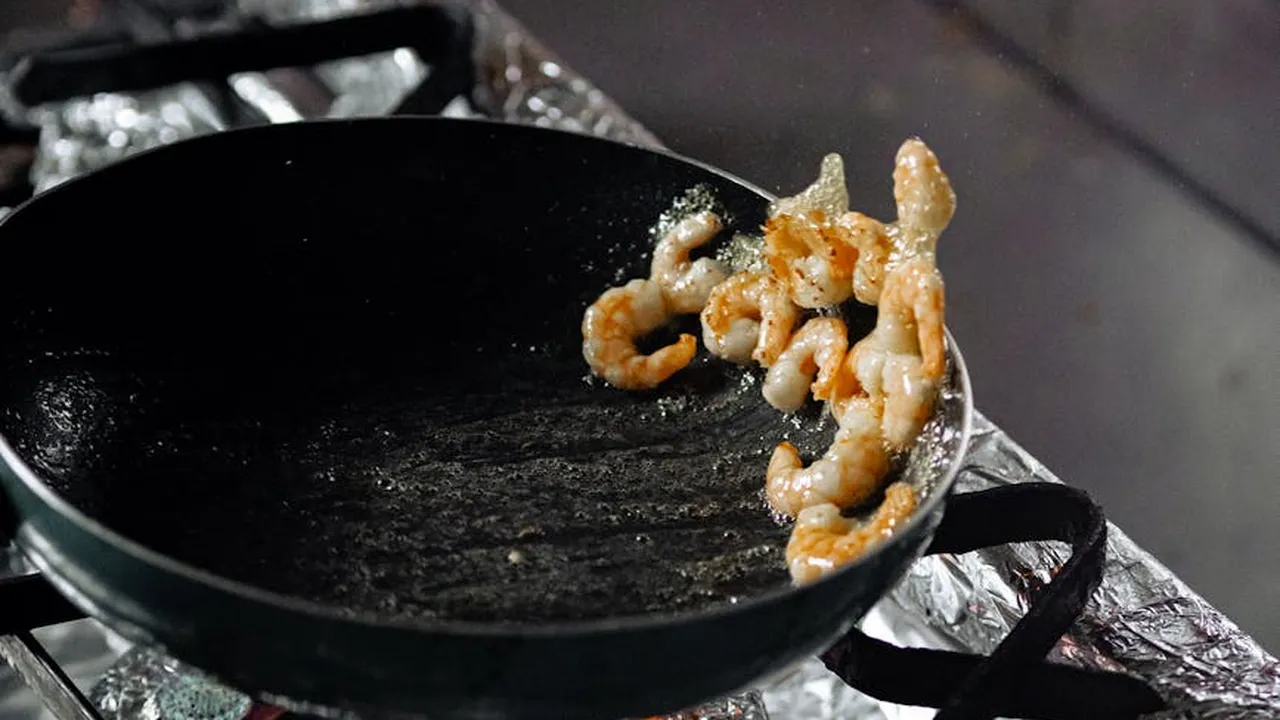
Think of cooking oils like botanical extracts. Some are hardy and can handle stress, while others are delicate and break down fast.
An oil’s thermal stability is tied to its smoke point. Oils with naturally high smoke points, like avocado or peanut oil, are built for the high heat of frying. They are the sturdy oaks of the kitchen. Avocado oil has a clean, buttery character that holds up well. More delicate oils, like extra virgin olive oil or unrefined walnut oil, have lower smoke points and more fragile compounds. Heating them repeatedly is like over-steeping a fine tea. It turns bitter and loses its good qualities. Understanding the smoke points of various oils is crucial for high-heat cooking.
For frying, your best choice is always a refined oil with a high smoke point, as it will give you more safe reuse cycles. High smoke point oils are typically refined. This makes them more suitable for repeated use in high-temperature cooking methods like frying.
The Food You Fry Leaves a Mark
What you cook in the oil changes its life. This answers a common question: can i reuse oil after frying chicken? You can, but it requires extra care.
Battered foods, chicken with skin, or breaded items shed bits of coating and release moisture. Those tiny particles sink to the bottom and burn during the next fry, speeding up oil degradation. Moisture causes the oil to foam and break down faster. A clean fry, like plain potatoes, is gentler on the oil.
Frying chicken or fish significantly shortens your oil’s usable life compared to frying plain vegetables. The debris and strong flavors linger.
In my own kitchen, I keep two jars for used oil. One is for oil that fried light, clean items. The other is for oil that tackled battered foods or meats. I use the “heavy use” oil only once more, maybe for a similar savory dish.
The “Reuse Frying Oil University” Lesson
Food scientists have done the homework for us. Their research, a kind of reuse frying oil university, boils down to two main rules: filter and monitor.
Always strain your cooled oil through a fine sieve or cheesecloth-I often use an unused coffee filter-to remove every speck of food. Then, let your senses guide you. Look at it. Sniff it. Fresh oil is clear and golden. Oil that’s done is dark, cloudy, sticky, and smokes at normal frying temps. It smells off, rancid, or burnt.
Trust your eyes and nose more than a set number of uses; they are the best tools you have.
Oil-Specific Advice: From Avocado to Peanut
Not all oils break down at the same rate. Their fatty acid profile, which is a fancy way of saying their building blocks, determines how well they stand up to heat. Think of it like fabric: some fibers scorch easily, while others are more resilient.
Can I Reuse Avocado Oil After Frying?
Avocado oil is a star in my kitchen for high-heat cooking. It has a very high smoke point, which means it’s built to handle the stress of frying without burning quickly. It’s excellent for good high-heat cooking and frying, thanks to that high smoke point. Plus, it offers health benefits and supports the best uses for avocado oil in the kitchen.
You can typically reuse high-quality avocado oil 2 to 3 times if you care for it properly between uses. Its stability is a big reason I reach for it.
After frying, let it cool completely. I pour my used avocado oil through a fine-mesh strainer lined with a few layers of cheesecloth or a coffee filter into a clean, dry jar. This removes all the little food bits that can make the oil go rancid faster. Stored in a dark cupboard, it’s often good for another round.
Comparing Common Frying Oils
Each oil has its own personality and limits. Here’s how some other common choices stack up.
Peanut Oil
This is a classic for frying turkey for good reason. It has a neutral taste and a high smoke point. Peanut oil can often be reused 2 to 4 times for similar tasks, like frying another turkey or batch of chicken. Just like with avocado oil, thorough filtering is non-negotiable. I always give it a sniff test before reusing; if it smells “off” or overly fishy, it’s time to let it go.
Vegetable Oil (Like Soybean or Canola)
These are blends, and their reuse potential can vary. They’re more fragile than avocado or peanut oil. I generally advise reusing standard vegetable oil only 1 or 2 times. It tends to darken and develop a pungent smell faster. If the oil looks very dark or foams excessively on the next heat-up, it’s spent.
Coconut Oil
This one is interesting. Refined coconut oil is great for frying. You can usually reuse refined coconut oil 2 times, maybe 3 if you filter it meticulously. Once it cools, it solidifies, which makes storing it simple. After its frying life is done, I’ll sometimes blend a small amount of the used, filtered oil into a homemade wood polish or cleaning scrub-never for skin use after cooking.
Can I Reuse Cooked Oil? The Universal Rules
The short answer is yes, but only if you follow a simple ritual. This applies to *any* oil you plan to reuse.
Cooling, filtering, and proper storage are the three sacred steps for giving oil a second life. Skipping one shortens its usefulness dramatically.
- Cool It Completely. Never pour hot oil. I let my pot sit until it’s at room temperature, which takes a few hours.
- Filter Every Single Time. Use a sieve with cheesecloth or a paper filter. Those tiny browned bits left behind will spoil and ruin the oil’s flavor.
- Store It Right. Keep the filtered oil in a sealed, dark glass jar (a clean mason jar works perfectly) in a cool, dark pantry. Light and heat are its enemies.
Your senses are the best guide. If the oil smells rancid, is very dark, sticky, or foams when reheated, its journey is over. Don’t push it. Your food will taste better, and your kitchen will be safer for it.
Post-Turkey Frying: Special Considerations
Let’s talk turkey, or rather, turkey oil. Frying a whole bird is a major event for your cooking oil.
It faces high heat for a long time and takes on a lot of moisture, batter bits, and poultry fats. You absolutely can reuse oil from a turkey fryer, but it requires a very careful eye. Think of this one fry session as equal to three or four batches of french fries in terms of strain on the oil.
How to Assess Your Turkey Fryer Oil
Once the oil has cooled completely, pour it slowly through a fine-mesh strainer lined with cheesecloth into a clean container. Look at what’s left behind.
You’ll likely find a fine sediment of flour and protein. Give the filtered oil a good sniff. A strong, lingering fried poultry scent is normal, but it tells a story. That absorbed flavor means this oil is now specialized; it’s best reused for similar savory dishes, not for donuts or churros.
Given the heavy use, I typically plan for just one more major fry with it, perhaps for another batch of chicken or fritters.
Can You Save It for Next Thanksgiving?
I know the thought is tempting. You’ve filtered this golden liquid, and it seems a shame to part with it. Here’s my gentle advice from my own apothecary practice: oils degrade over time, even when stored perfectly.
Light, air, and warmth are its enemies. While you *could* store it in a cool, dark place for several months, its quality will have dropped significantly by next November. I do not recommend saving and reusing oil after frying a turkey for a full year. The risk of rancidity, off-flavors, and a lower smoke point is too high.
Instead, use it within a month or two for other hearty cooking, or dispose of it responsibly. Your future fried feast will thank you for starting fresh.
The Art of Preservation: Filtering and Storing Used Oil
Think of your used frying oil like a strong herbal infusion. You want to keep the good stuff and remove all the gritty plant matter. That’s where filtering comes in.
I use the same simple method I do for my herbal oils. A clean, unbleached coffee filter or a fine-mesh strainer does the job perfectly.
A Simple, Step-By-Step Filter Method
- Let the oil cool completely until it’s safe to handle, but still liquid.
- Line a funnel or strainer with your coffee filter or a few layers of cheesecloth.
- Place this over a clean, dry glass jar or container with a tight-fitting lid.
- Slowly pour the cooled oil through the filter. Let gravity do the work. Don’t rush it.
This slow pour catches all the tiny, burnt food particles that make oil go rancid faster. You’ll see the sediment left behind, just like herbs in a strainer. If the filter clogs, be patient or use a fresh one.
Where to Keep Your Filtered Oil
Light, heat, and air are the enemies of any oil, whether it’s for your salad or your skin. Store your filtered oil like you would a precious carrier oil.
I always use a dark glass jar with a solid lid. A clean, repurposed pasta sauce jar works in a pinch. Glass is non-reactive and doesn’t hold onto odors, which keeps your oil fresher for longer.
Find a cool, dark cupboard away from the stove or oven. For even longer storage, the refrigerator is your best friend.
Do not be surprised if the oil turns cloudy or semi-solid in the fridge. This is completely normal, just like coconut oil hardening. The cold changes its texture. It will thin out again when it returns to room temperature.
A Quick Note on Cast Iron Seasoning
I get this question a lot. Seasoning a cast iron pan is a different process altogether. You are polymerizing a thin layer of oil onto the metal to create a non-stick surface. There are many myths about which oils to use and how polymerization actually works, and the truth matters for a durable finish. Understanding the science helps you avoid common mistakes.
The oil you use to season your pan is meant for a single, high-heat application, not for reuse in frying. It becomes part of the pan itself. For frying, you are working with a larger volume of oil you plan to use again for cooking.
Safety First: Health Risks and Proper Disposal
Your senses are your best guides here. If an oil has gone bad, it will tell you.
I treat my kitchen oils with the same respect I give the bottles in my apothecary. Just as a rancid carrier oil can harm your skin, compromised frying oil can affect your health.
You must stop reusing oil immediately if you notice any of these signs.
Clear Signs It’s Time to Stop
- Persistent Foul Odor: Fresh oil has a neutral or pleasant, nutty smell. Spoiled oil smells sharp, bitter, or like old paint or rancid nuts. Trust your nose.
- Excessive Smoke at Normal Temperatures: If the oil starts smoking well below its typical smoke point, it has broken down. This creates harmful compounds you don’t want in your food.
- Any Sign of Mold, Foam, or Thick Sludge: Visible changes are a hard stop. Cloudiness or fine crumbs are one thing. A sticky, gelatinous layer or any fuzz means microbial life has moved in.
When in doubt, throw it out. This is the most important rule in my kitchen. No recipe is worth the risk.
How to Dispose of Used Frying Oil Safely
Never, ever pour used oil down your kitchen drain. It clogs pipes and causes major problems. I use a simple three-step process to dispose of used cooking oil, linseed oil, and fats at home.
- Cool Completely. Let the oil cool to room temperature in the pot. This can take hours. Do not rush it.
- Contain It. Carefully pour the cooled oil into a non-recyclable container with a secure lid. An old milk jug, coffee can, or pickle jar works perfectly. I keep one under my sink just for this.
- Dispose. Place the sealed container in your regular household trash for pickup. For large amounts, like after a turkey fry, check with your local waste authority. Many have recycling centers that accept used cooking oil.
When to Seek Professional Help
Handling hot oil is serious. Please be prepared.
If the oil ignites, do not use water. Smother the flames with a metal lid or use a Class B fire extinguisher. Call fire services immediately if you cannot contain it safely. Knowing the safest way to put out a cooking oil fire in your kitchen helps you respond quickly and safely. More guidance on safe handling can be found in our kitchen-fire safety guide.
If you have concerns about consuming food cooked in spoiled oil, consult a doctor. While a small amount might just cause discomfort, it’s best to get professional medical advice for any specific symptoms.
Beyond the Fryer: Alternative Uses for Spent Oil
Once your oil has finished its culinary service, you can still give it a purposeful send-off. I keep a dedicated, labeled jar under my sink for this very purpose. The key is to find uses where purity isn’t paramount, but the oil’s basic properties are still helpful.
Creative Projects for Your Kitchen
Think of this oil as a workshop ingredient, not a pantry one. Its journey from clear and neutral to dark and flavorful marks a change, not an end.
You can transform well-strained, used vegetable oil into a simple, effective wood conditioner for garden tool handles or outdoor furniture. The oil penetrates dry wood, helping to prevent cracks and weather damage. Just wipe a thin coat on with a rag, let it soak in for an hour, and buff off any excess.
Another of my favorite second acts is turning it into soap. The process of saponification (turning fats into soap) effectively reboots the oil.
- Strain the cooled oil through a fine mesh sieve lined with a coffee filter.
- Combine it with fresh lye and water using a reliable cold-process soap recipe designed for used frying oil.
- The result is a rustic, hard-working bar perfect for the garage or garden sink.
A Firm Note on Skin and Hair
This is where I draw a very clear line in my practice. I would never, ever repurpose used frying oil for direct skin or hair care.
Used frying oil contains food particles, free radicals, and altered fatty acids from high heat, all of which can irritate skin and clog pores. Rancidity, which you might smell as a sharp, bitter odor, creates compounds that are harmful to your skin’s barrier. For your body, always choose fresh, high-quality, food-grade oils intended for cosmetic use.
The bottle of sweet almond oil on my shelf for moisturizing is never the same one I used for french fries. Your skin deserves a clean start.
The Cast Iron Seasoning Question
I see this idea often: “Can’t I just use my old turkey fryer oil to season my cast iron skillet?” It seems logical, but it’s a shortcut that backfires.
Old frying oil will create a gummy, uneven, and potentially rancid seasoning layer on your cast iron. The carbonized food bits and polymerized oils will bake onto your pan’s surface, making it sticky rather than slick. You want a pure, fresh, high-smoke point oil like grapeseed or refined avocado oil for this job.
For a beautiful, non-stick patina, start with a clean, dry pan and a tiny amount of fresh oil. Wipe it on, then wipe it almost all off before heating. That thin, even layer is what polymerizes into a perfect seal.
Your Foolproof Oil Reuse Checklist
-
After frying, let the oil cool completely in its pot. I always move mine to a cool, unused burner and walk away for a few hours. Pouring or handling hot oil is dangerous, so let time work for you.
-
Once it’s fully cool, strain the oil. Pour it through a fine mesh sieve lined with a few layers of cheesecloth into a perfectly clean, dry container. I save glass jars for this. Filtering out all the food particles is non-negotiable; they burn next time and make your oil taste bitter.
-
Immediately label your container. Write down the date and exactly what was cooked, like “Turkey: Thanksgiving”. This small act, a staple in my own kitchen, creates a clear history for your oil and guides your reuse.
-
Store your labeled oil in a dark cupboard, away from light and heat sources. Think of it like storing a delicate botanical oil. Cool, dark storage slows down oxidation, which is what makes oil go bad.
-
Use your senses before each reuse. Trust your nose and eyes. Sniff it. Hold the jar up to the light. Good oil smells clean or like the food it fried; discard it if you catch a sour, rancid, or acrid odor. It should look golden, not dark brown or cloudy.
Your Oil Reuse Questions, Answered
Is there a link between reused frying oil and cancer?
Research indicates risk is tied to consuming food repeatedly fried in heavily degraded oil, which forms harmful compounds. This is why proper disposal when your oil is dark, foamy, or smells rancid is a crucial wellness practice.
Can I use my old frying oil to season my cast iron pan?
No, used frying oil will create a gummy, uneven, and potentially rancid seasoning layer. For a strong, non-stick patina, always season your cast iron with a thin layer of fresh, high-smoke point oil like grapeseed or refined avocado. Curious about avocado oil vs other options for seasoning cast iron? See how it stacks up in longevity and patina quality.
What’s the main takeaway from “reuse frying oil university” studies?
Academic research consistently shows that filtering and monitoring are more important than a set number of uses. Trust your senses-clear look, neutral smell, no low-temp smoke-over a rigid reuse count.
I left my oil in the pot overnight. Can I still use it?
If it was in a cool kitchen and passes a thorough smell test after straining, you can use it once more for a quick, high-heat task. If it was warm or has any off odor, compost it to be safe.
Your Oil’s Journey: A Final Word
The best rule is to let your senses guide you. If the oil looks dark, smells off, or smokes at a low temperature, its useful life is done, no matter how many times it’s been used. Treating your frying oil with this kind of attention honors the ingredient and your well-being—especially when knowing how to properly dispose of or reuse it at home.
I apply this same principle of mindful observation to every oil in my home, from facial serums to herbal infusions. Trust what you see and smell, and you’ll build a confident, respectful relationship with all the botanical oils in your care.
Related Guides and Information
- What Do You Do With the Oil From Your Turkey Fryer?
- r/Cooking on Reddit: Do you reuse oil from deep frying a turkey?
- What Oil Do You Fry a Turkey In?
- The Right Way to Save Oil After Frying a Turkey
- Turkey Fryer Oil FAQ: What’s the Best Oil to Use and Why?
- Is it safe to reuse cooking oil after frying a turkey in it once and storing it for later use? – Quora
Noemi is an accomplished wellness researcher, nutrition care guide and body care expert. She has years of experience in formulating various oil combinations for full body wellness including face, hair, body care, essential oils and cooking oils. She works as a bio-formulator working with oil chemistry and analyzing the best formulations when it comes to your needs. Feel free to reach out to get your oil needs sorted.