
How Long Does Cooking Oil Last?
I’ve opened my cabinet to that faint, off smell of oil more times than I can count. Figuring out your oil’s shelf life is simpler than you might think, and I’m here to walk you through it.
Proper storage matters far more than the date on the bottle, and I’ll show you exactly how to do it.
- How long vegetable, olive, and nut oils typically stay fresh
- The clear signs of rancidity I look for in my kitchen
- My go-to storage rules to protect your oil from light, heat, and air
The Simple Truth About Oil Shelf Life
When we ask how long cooking oil lasts, we’re mostly talking about quality, not just safety. A rancid oil won’t usually make you sick, but it will ruin your food with a stale, bitter taste.
The real shelf life of your oil is a battle against three enemies: light, heat, and air. Air exposure causes oxidation, which slowly breaks the oil down, just like carrier oils can lose their potency over time.
Heat speeds this process up tremendously. I keep all my prized oils in a dark, cool cupboard, far from the stove. That spot above your oven? It’s a desert for oil quality.
High-heat cooking, like deep frying, introduces food particles and water. This forces the oil to degrade much faster than if you were just using it for sautéing.
A Guide by Oil Type: From Sturdy to Sensitive
Not all oils are created equal. Their shelf life depends heavily on how they were processed. Think of it like this: refining strips away some flavor and color to make an oil tougher and more heat-stable. Shelf life varies between different types of oils, so knowing how to store them is crucial.
Long-Lasting Champions (1-2+ Years Unopened)
These are your workhorse oils. They’ve been refined to be neutral and stable.
- Refined vegetable, canola, safflower, and sunflower oils.
- Refined coconut oil (the odorless, white kind) also belongs here for its incredible shelf stability.
Refining removes the delicate compounds that spoil quickly, giving you a longer shelf life but a less complex flavor. Once opened, aim to use them within a year.
The Delicate Naturals (6-12 Months Unopened)
These oils are less processed. They retain more of their natural nutrients, color, and wonderful flavor. That same richness makes them more fragile.
- Extra virgin olive oil
- Unrefined avocado oil
- Toasted sesame oil
- Unrefined peanut oil
How long does avocado oil last? An unopened, high-quality bottle can last about a year in perfect conditions. Once you break the seal, try to use it within 6 months for peak flavor.
How long does sesame oil last? Toasted sesame oil is especially aromatic and sensitive. I keep mine in the fridge after opening. It can thicken up, but it liquifies again quickly at room temperature.
The Special Cases
Some oils live by different rules because of how we use them.
Used Frying Oil: This is where people most often ask, how long can used cooking oil last? After one frying session, strain it through a coffee filter to remove crumbs. Store it in a sealed jar in the fridge.
How long can oil stay in a deep fryer? I don’t recommend leaving it in the fryer at all. Drain it after it cools. Properly stored, used oil might be good for 2-3 more frying sessions, but trust your senses. If it smells “off” or gets foamy, it’s time to let it go.
Infused Oils (like garlic or herb): These are a different story. Introducing fresh ingredients adds water, which can lead to botulism bacteria growth in the anaerobic oil environment. For safety, make only small batches, keep them refrigerated, and use them within one week. For longer-lasting herbal infusions, you must use completely dried herbs.
Your At-A-Glance Cooking Oil Shelf Life Chart
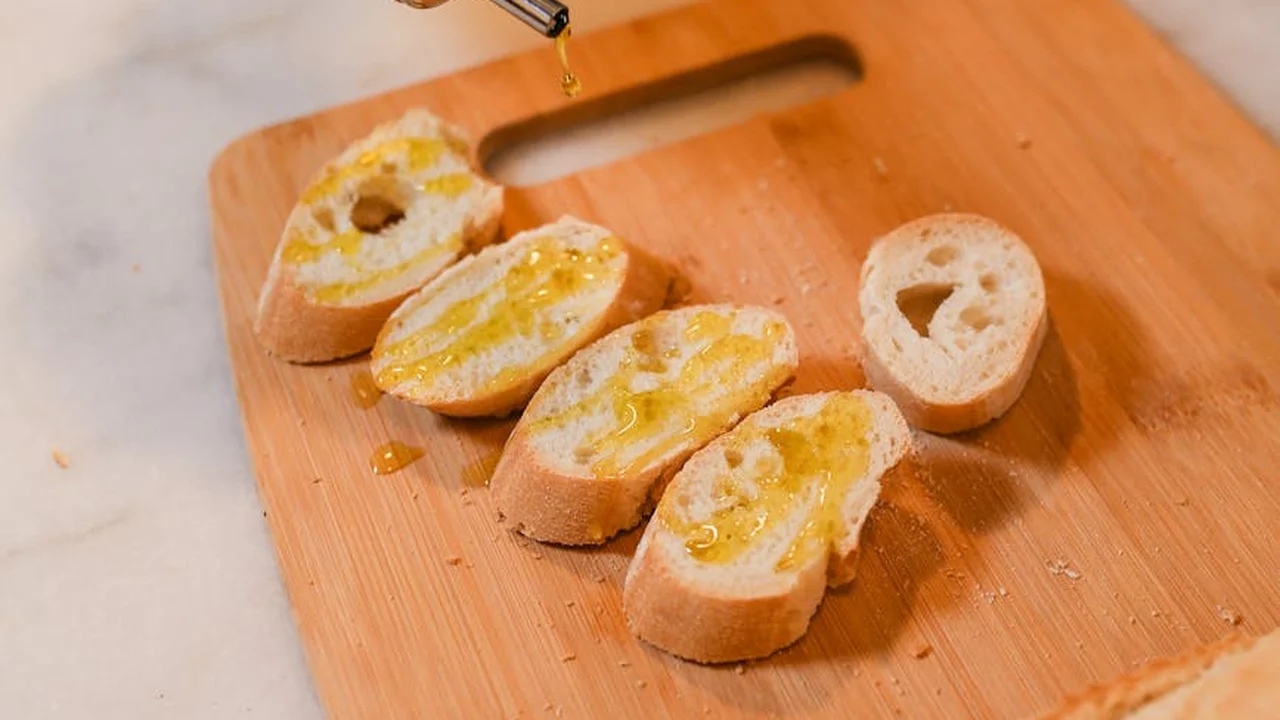
Think of this table as your quick-reference guide. I keep a printed copy inside my pantry door because it’s saved me from guessing more than once.
These timeframes are general guidelines for best quality. A very old bottle might not make you sick, but it will lose its nutritional value and flavor.
Storage is everything-where and how you keep your oil has a bigger impact on its life than the date on the bottle.
| Oil Type | Unopened Shelf Life | Opened & Stored Cool (Pantry) | Opened & Stored Warm (Next to Stove) | Best Use For |
|---|---|---|---|---|
| Extra Virgin Olive Oil | 18-24 months | 3-6 months | 1-3 months | Salad dressings, low-heat sautéing, finishing |
| Regular Olive Oil / Vegetable Oil (Soybean, Canola) | 1-2 years | 6-12 months | 3-6 months | General baking, medium-heat cooking |
| Coconut Oil (Refined) | 2-5 years | 1-2 years | 6-12 months | Medium-heat cooking, baking |
| Coconut Oil (Unrefined/Virgin) | 1-2 years | 12-18 months | 3-6 months | Low-heat cooking, raw applications, skin/hair care |
| Avocado Oil | 1 year | 6-8 months | 2-4 months | High-heat searing, roasting |
| Nut & Seed Oils (Walnut, Sesame, Flaxseed) | 6-12 months | 3-6 months (refrigerate after opening!) | 1-2 months max | Flavor finishing, dressings, wellness |
See that last row? Oils like walnut, sesame, and especially flaxseed are delicate and belong in the fridge from the moment you open them. The cold will make them cloudy or solid, but they’ll liquefy again at room temperature. This one habit extends their life dramatically.
Spotting Oil That’s Past Its Prime
Your nose and eyes are the best tools here. I recently found a bottle of old sesame oil pushed to the back of my cupboard. It told me everything I needed to know.
Trust the smell test above all else-if it smells stale, waxy, or like old paint, it’s time to let it go.
- Off Odor: A fresh oil should smell pleasant and true to its source. Rancidity smells stale, sour, or like crayons.
- Changed Flavor: It tastes harsh or bitter, lacking its original character.
- Cloudy Appearance or Sediment: In clear bottles, you might see haze or particles (this can be normal for some unrefined oils, but combined with an off smell, it’s a bad sign).
- Thicker, Sticky Texture: It feels gummy or tacky, not slick and smooth.
If your oil shows these signs, please don’t cook with it. I repurpose questionable vegetable oil for oiling wood cutting boards or as a dust-cloth treatment for furniture. For truly rancid oil, dispose of it with your household trash.
How to Store Oil Like a Pro (It’s Easier Than You Think)
Think of your cooking oils like you would a prized botanical oil for your skin. They need a little care to stay fresh and effective. Here is your simple routine.
- Right after shopping, wipe the bottle with a clean cloth to remove any dust or spills.
- Designate a specific cupboard or shelf for all your oils, away from the stove and oven.
- Always, always screw the cap on tightly immediately after use.
- Use clean, dry utensils when dipping into the bottle.
- Give your oils a quick sniff check every month or so. Your nose knows.
The Golden Rules: Cool, Dark, Tight
These three words are your mantra for keeping oil from turning rancid. Rancidity is just a fancy word for oxidized oil-it smells like crayons or old nuts and isn’t good for you.
Heat speeds up this oxidation. That pretty bottle next to your stove is in the worst possible spot. A cool, interior cupboard is your oil’s best friend. Light, especially sunlight, also breaks oil down. Dark glass bottles are great, but a dark cupboard protects any container.
For delicate oils like walnut, flaxseed, or toasted sesame, I use my fridge as a cool, dark cupboard. They can last months longer there. They will thicken and look cloudy, but that’s normal. Just let the bottle sit at room temperature for 30 minutes before using. It will clear right up.
People often ask me about cooking oil shelf life in the fridge. Refrigeration can easily double the life of a delicate oil, turning a 3-month pantry life into 6 months or more of freshness. For sturdy oils like regular olive or avocado oil, it’s not necessary, but it certainly won’t hurt them.
What About My Deep Fryer?
Used frying oil needs more attention. You can’t just leave it sitting in the fryer. Air exposure and leftover food particles will make it go bad fast. Proper disposal and reuse methods are essential to maintain quality and safety.
First, let the oil cool completely but not solidify. I let mine cool until it’s just warm to the touch. Then, I strain it through a few layers of cheesecloth or a fine-mesh sieve into a clean, glass jar. A mason jar works perfectly.
Seal the jar tightly, label it with the date, and store it in that same cool, dark cupboard. How long can you keep deep fry oil? Properly strained and stored, it should be good for 1 to 2 months. But its quality for frying declines faster.
How many uses before it’s spent? For home cooks, I suggest 2 to 3 uses for delicate foods like potatoes, or just 1 use for strongly flavored or crumbly foods like fish or battered items. Trust your senses. If the oil is dark, foamy, sticky, or smells off, it’s time to let it go.
How Can I Tell If My Oil Has Turned?
You don’t need a degree in chemistry to figure this out. Your senses are the most reliable tools on your kitchen shelf.
I always start with a simple sniff test before using any oil, whether it’s for a salad dressing or a homemade salve. Your nose knows.
Trust Your Nose and Taste Buds
Fresh oil has a clean, sometimes nutty or fruity scent. Rancid oil tells a different story.
It often smells like a box of old crayons, stale popcorn, or the faint odor of old paint. If your extra virgin olive oil loses its peppery kick and just smells flat and waxy, it’s time to let it go.
For a definitive check, taste a tiny drop. Fresh oil tastes like itself-buttery, fruity, or neutral. Rancid oil has a sharp, bitter, or just plain “off” flavor that coats your tongue unpleasantly.
I once had a bottle of expensive walnut oil that started tasting like old peanuts. I knew immediately it was past its prime.
Look and Feel
Your eyes and fingers can spot trouble, too. While some oils naturally cloud up in the fridge, new cloudiness at room temperature is a warning sign.
Feel the texture. Oil should pour smoothly. If it’s gotten strangely thick or sticky, oxidation has changed its structure.
When you heat oil, watch for excessive foaming or smoking at a lower temperature than usual. This is a clear signal it has broken down and won’t cook your food well.
So, is using old cooking oil actually harmful? A one-time slip likely won’t hurt you, but consistently consuming rancid oil introduces free radicals into your body. These unstable molecules can cause cellular damage over time. It’s not worth the risk to your wellness or your meal.
When Cooking is Over: Beautiful Alternative Uses
I think it’s a wonderful practice to honor the full life of our ingredients. An oil that’s lost its sparkle for cooking hasn’t lost its usefulness. In my home apothecary, I often find gentle, secondary purposes for oils that are past their prime for eating.
This philosophy fits perfectly with using oils for body, skin, hair, wellness, and home.
For Your Body and Home
Your kitchen tools can benefit from a little oil love. My favorite use for a bland, old vegetable oil is conditioning wooden utensils.
To make a simple wood conditioner, just rub a small amount of oil directly onto a clean, dry wooden spoon or cutting board, let it soak in for an hour, then wipe off the excess. You will see the wood’s grain come alive again, protected from drying and cracking.
For your skin, a stable, odorless oil like old sunflower or safflower oil can become a body scrub base. Mix it with coarse sugar or salt until you get a gritty, wet sand texture.
I sometimes add a drop or two of a fresh, skin-safe essential oil from my shelf, like calming lavender or brightening sweet orange, to make it feel special. Always do a patch test on a small area of skin first, especially with older oil, to ensure it doesn’t cause any irritation.
Practical and Eco-Friendly Disposal
When an oil is truly rancid or you have no other use for it, please dispose of it thoughtfully. Your pipes and our waterways will thank you.
For small amounts, like a leftover film in a pan, soak it up with a paper towel or used coffee grounds and put it in your regular trash.
For larger amounts, like from a deep fryer, let the oil cool completely. Then, pour it into a non-recyclable container with a lid, like an old milk jug or takeout tub.
Seal the container tightly and place it in the trash, or search for “cooking oil recycling near me” to find a local drop-off point that can convert it into biofuel.
I keep a dedicated “fat jar” under my sink for this purpose. Never, ever pour used oil down your kitchen drain or toilet. It clogs pipes and causes serious problems for our shared water systems.
Wise Choices: Oils Worth Keeping on Hand
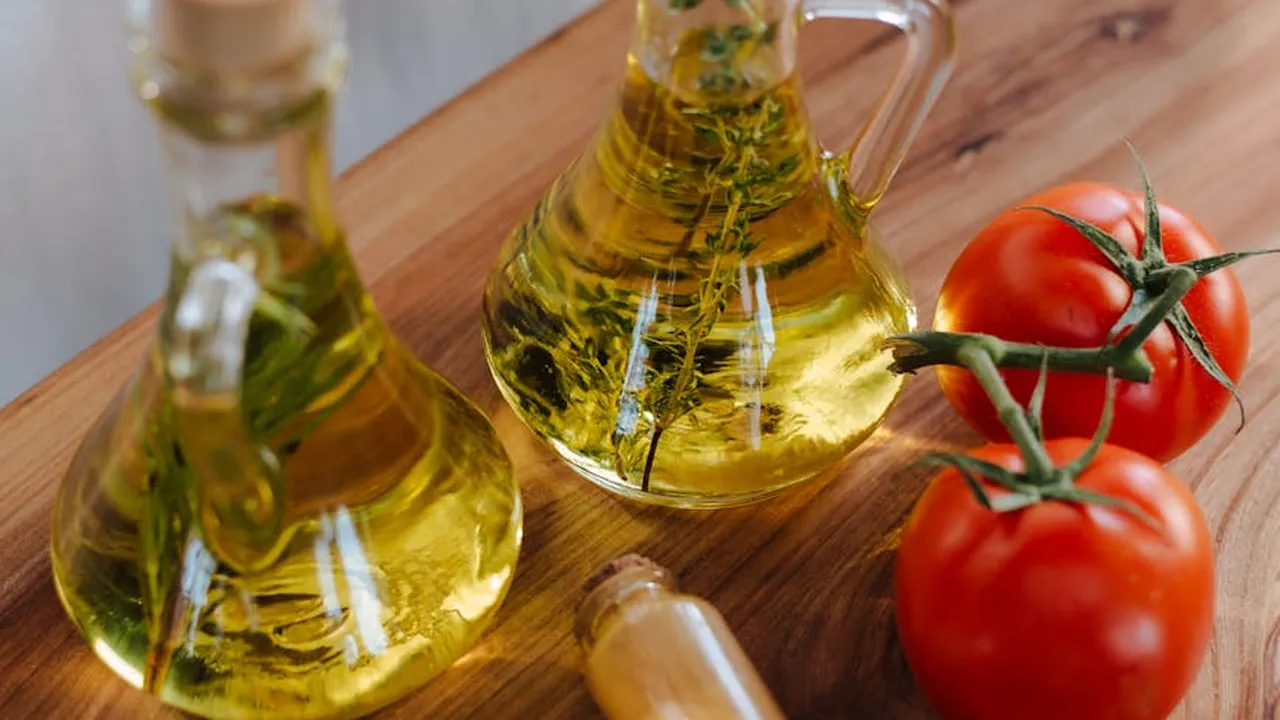
With so many oils available, choosing a few reliable staples simplifies your kitchen. I keep three types in my pantry and apothecary. They cover almost every need, from high-heat cooking to a quick skin treatment.
Focusing on a few versatile, high-quality oils prevents waste and ensures you always have something fresh and effective.
Your Daily Workhorse: A Neutral, Stable Oil
You need an oil that won’t overpower your food and can handle a bit of heat. For this, I reach for high-oleic sunflower oil. It’s my go-to for sautéing and baking.
High-oleic simply means it’s rich in a stable type of fatty acid. This makes it far more resistant to going rancid than regular vegetable oils. It has a very light texture and almost no flavor of its own.
This oil is a champion for stability, lasting much longer in your cupboard than many other options before turning. I use it when I want the other ingredients in my dish to shine.
Your Flavor Hero: A Robust Oil for Dressings & Drizzling
This is where you splurge a little on flavor. A good, robust extra virgin olive oil is non-negotiable. You should taste grass, green apple, or a pleasant peppery kick.
Store this one properly. That beautiful flavor is delicate. Keep it in a dark, cool place, not on the counter next to the stove. Light and heat are its biggest enemies.
A flavorful oil like this is meant to be consumed raw to enjoy its full character-think dressings, dips, or a finishing drizzle on soup. The bottle on my shelf is small, so I use it up while it’s still vibrant.
Your Double-Duty Star: A Multi-Use Oil for Kitchen & Care
Some oils beautifully cross from the kitchen to your DIY projects. My top picks are unrefined coconut oil and sweet almond oil.
Unrefined coconut oil solidifies in cool weather and melts at body heat. I use a spoonful for low-heat cooking, but I also scoop a little into my palms as a deeply moisturizing hand treatment. Sweet almond oil is a lightweight, skin-loving oil perfect for homemade body oils. Sometimes I warm a spoonful until it liquifies, which makes it easier to blend into recipes or spread as a lotion. If you’re curious about melting or liquifying solid coconut oil for cooking or body application, that’s the topic covered next.
These multi-use oils are incredibly practical, but remember: any oil you apply to your skin should be food-grade and stored with the same care as your cooking oils. I keep mine in a dedicated cabinet, away from direct light.
If You’re Looking for Something Different
Sometimes a cooking oil isn’t the right tool for the job. For specific needs around your home or body, a dedicated alternative works better and lasts longer.
For High-Heat Cooking: Think Beyond Butter
If you love the flavor of butter but need a higher smoke point, you have great options. I keep both of these in my kitchen for different tasks. Knowing the smoke points of different oils helps me choose the right one for cooking.
Refined avocado oil is my go-to for searing. It has a very high smoke point, around 520°F, and a neutral flavor that lets other ingredients shine. It’s more stable than most vegetable oils at high heat. This makes it great for high-heat cooking and frying. It’s also valued for its potential health benefits and versatile uses in recipes.
Clarified butter, or ghee, is another favorite. The milk solids are removed, so it won’t burn as quickly. Ghee offers a rich, nutty taste and can handle heat up to about 485°F, making it perfect for sautéing. It also has a remarkably long shelf life, even at room temperature.
For Household Tasks: Use a Dedicated Oil
It’s tempting to reach for that old bottle of vegetable oil to condition a wooden cutting board. I don’t recommend it.
Food-based oils can go rancid inside the wood over time. For wood care, a pure mineral oil is a much better choice because it will not spoil or develop a foul odor. It’s inert and food-safe when used as directed.
Find a bottle labeled for cutting board or butcher block use. Apply a generous coat, let it soak in overnight, and wipe off the excess. Your wood will thank you.
For Body and Skin Care: Choose a Purpose-Made Carrier Oil
Please do not use cooking olive or vegetable oil on your skin. These oils are not processed or stored for cosmetic use and can clog pores.
Instead, look for cold-pressed, unrefined carrier oils. Jojoba oil is a superstar here because its structure closely mimics our skin’s own sebum. It’s lightweight, absorbs well, and has a naturally long shelf life of up to two years. It’s a natural fit for the best uses of jojoba oil on the face, hair, and scalp. This makes it a versatile option across skin, hair, and scalp care.
On my apothecary shelf, jojoba sits next to bottles of sweet almond and rosehip seed oil. These are specifically bottled for skin care. Always store your body care oils in a cool, dark cupboard to preserve their delicate nutrients and prevent rancidity. A refrigerator is ideal for oils like rosehip.
Your Questions, Gently Answered
Does refrigerating oil really make a difference, or does it ruin the texture?
For delicate nut and seed oils, refrigeration is essential and can double their fresh life by dramatically slowing oxidation. While they may thicken or cloud, this is harmless and reverses at room temperature, so texture isn’t ruined, just temporarily changed.
Is using slightly rancid oil actually bad for me, or just bad for flavor?
Consuming rancid oil introduces free radicals into your body, which can cause cellular damage over time, so it’s a wellness concern beyond just taste. For your health and your meal’s flavor, it’s wise to discard oil that has turned.
I see “Best By” dates, but how do I really know when my fancy nut oil is done?
Your senses are the ultimate guide-trust a quick sniff test over any printed date. If your walnut or sesame oil smells like old crayons or stale nuts instead of its rich, authentic aroma, its time for cooking has passed.
How long can I realistically leave oil in my deep fryer between uses?
Don’t leave it at all; always strain and store used frying oil in a sealed container in a cool, dark place. Leaving it in the fryer exposes it to air and food particles, accelerating rancidity and reducing its usable life to just weeks or even days. Proper storage is crucial to extend the shelf life of cooking oils and maintain their freshness.
A Final Drop of Wisdom
More than any calendar date, your senses are the best tool for keeping oils fresh. Store your kitchen oils with the same care you give your precious botanical blends-cool, dark, and sealed-and you’ll preserve their goodness far longer. This simple habit protects their flavor, nutritional value, and your wellness.
I encourage you to use these guidelines as a trusted starting point in your own kitchen. With a little attention, you can confidently care for your oils and enjoy every drop, from your salad dressing to your homemade body balms.
Expert Resources and Citations
- Does Cooking Oil Go Bad | Restaurant Technologies
- What is the expiration date for cooking oil?
- Which Cooking Oil Lasts the Longest | Food Prepper
- Does Vegetable Oil Go Bad? | Algae Cooking Club
Noemi is an accomplished wellness researcher, nutrition care guide and body care expert. She has years of experience in formulating various oil combinations for full body wellness including face, hair, body care, essential oils and cooking oils. She works as a bio-formulator working with oil chemistry and analyzing the best formulations when it comes to your needs. Feel free to reach out to get your oil needs sorted.