
How Long Should You Leave Scalp and Hair Oil On for Maximum Benefits?
You’ve smoothed on that nurturing oil, but now the clock feels loud-how long is truly enough? In my years of blending oils for clients and myself, I’ve found the sweet spot that avoids greasiness and maximizes shine.
This article will help you pinpoint the perfect timing for your unique hair.
- The core difference between treating your scalp and your hair lengths
- Why thin hair and thick hair need opposite approaches
- My go-to quick treatment versus a deep overnight soak
- Simple signs it’s time to rinse, based on texture and feel
Why Timing is Everything in Your Oil Ritual
Think of your hair and scalp like two different materials. Your scalp is living skin, while your hair strands are more like weathered fabric. They absorb and interact with oil at completely unique rates.
Your scalp needs gentle, strategic moisturizing. Your hair lengths, especially the ends, often crave deep conditioning. Treating them as separate zones with different timing needs is the first step to a successful oil treatment. Timing matters: some hair types respond best to applying oil before shampooing, others after washing. In the next steps, we’ll explore when to apply oil—before or after shampooing—and how best practices vary by hair type.
More time doesn’t automatically mean more benefit. Just like overwatering a plant, leaving oil on for too long can sometimes lead to issues we’ll explore later.
Listening to Your Hair’s Porosity
Porosity is just a fancy word for how easily your hair drinks up moisture and oil. High porosity hair has gaps, so it soaks things up fast but loses them fast too. Low porosity hair has a tight surface, making absorption a slower process.
If your hair gets oily or weighed down quickly, you likely have higher porosity. A 30-minute treatment might be plenty. For low porosity hair that resists moisture, applying oil to damp hair and using a warm towel can help it absorb during a longer, more patient treatment. I keep a dedicated heat cap on my shelf for this very reason.
Reading Your Scalp’s Signals
A flaky, tight scalp is often asking for hydration and a break from harsh products. A greasy scalp needs balance and gentle cleansing support. Their needs are opposites.
Because the scalp is such active skin, oil treatments there are usually shorter and more focused. Scalp treatments are about delivering benefits without clogging, so their duration is typically much shorter than a deep conditioner for your ends. A targeted 20-minute massage before your shower often does more than an all-night soak.
Your Treatment Time Cheat Sheet: A Quick Comparison
Use this table as a confident starting point. Your personal experience will fine-tune these timings. Always listen to what your hair and scalp tell you after each treatment.
| Oil Type | Best For | Short Treatment (30 mins – 2 hrs) | Long Treatment (Overnight) | Key Consideration |
|---|---|---|---|---|
| Coconut Oil | Dry, damaged hair; protein loss | Good for a quick moisture boost on dry ends before a wash. | This is the classic deep treatment. When wondering how long you can leave coconut oil in your hair, overnight is safe for most, but 1-2 hours often works wonders without overdoing it. | Can solidify in cool temps; may be too heavy for very fine hair types. |
| Argan or Jojoba Oil | Shine, frizz control; oily or normal scalps | Ideal as a leave-in on damp ends or a short pre-wash gloss treatment. | Rarely needed overnight. A tiny drop can be left on ends between washes for protection. | Their light texture closely mimics your scalp’s natural sebum, making them scalp-friendly. |
| Olive Oil | Very dry, coarse hair types | Offers moderate conditioning for thirsty hair in a one-hour session. | A potent, heavy treatment best used sparingly and rinsed thoroughly. | Rich and dense; often requires a double shampoo with a clarifying shampoo to remove fully. |
| Rosemary Essential Oil (diluted) | Scalp stimulation, hair growth support | The perfect length for a stimulating scalp massage before washing. 30-60 minutes is ample. | Not recommended for overnight on the scalp due to its potency. Can be over-stimulating. | Always diluted in a carrier oil like jojoba. A patch test 24 hours before use is non-negotiable. |
Coconut Oil: The Overnight Question Answered
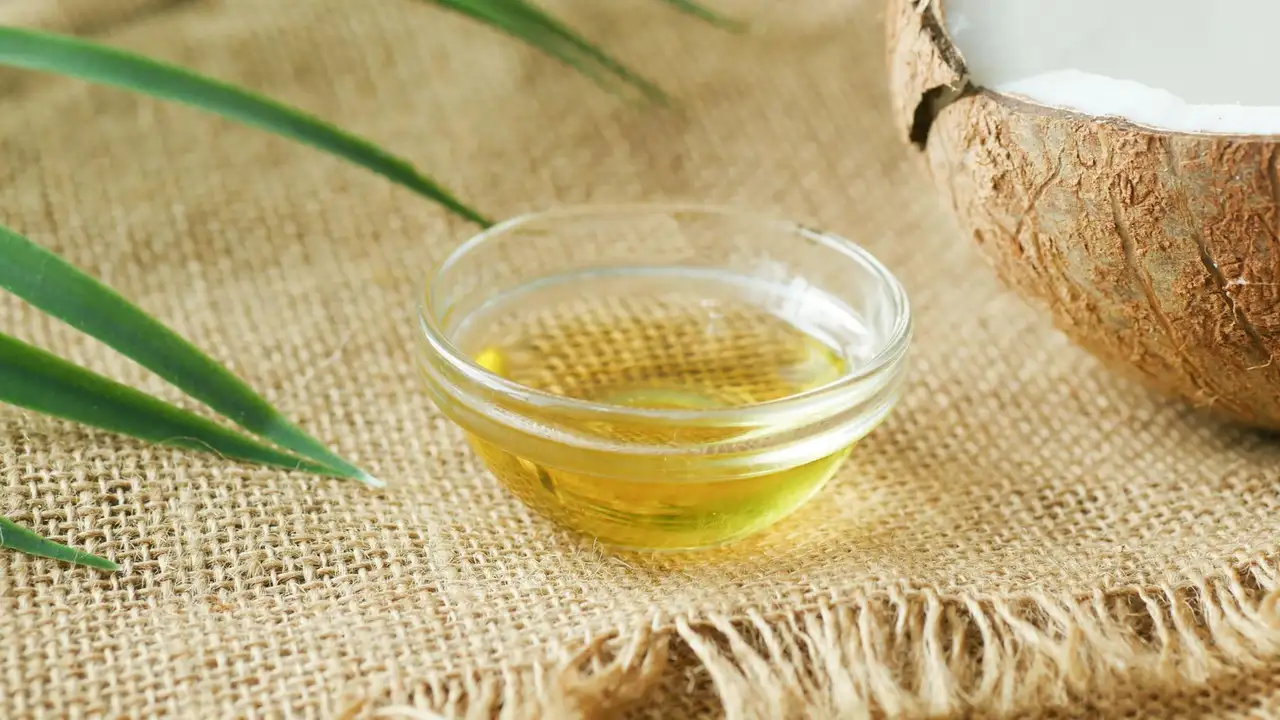
I hear this all the time: “How long can I keep coconut oil in my hair?” or “How long do I leave coconut oil on my hair?” The answer isn’t one-size-fits-all, but I can guide you through it.
My own jar of virgin coconut oil sits by my bathroom sink, a testament to its everyday use in my hair care. It’s the first thing I reach for when my hair feels parched.
The 30-Minute Quick Fix
For a fast hydration boost, try this method. Start by scooping a small amount of coconut oil into your palms.
Rub your hands together to warm it until it melts into a silky liquid. Apply this gently to the damp ends of your hair, where dryness often hits hardest.
Then, loosely wrap your hair in a soft towel or use a shower cap. Leave it for just thirty minutes while you go about your routine.
This quick treatment gives your hair a shot of moisture without tying up your day.
The Overnight Deep Treatment
When your hair needs serious care, an overnight soak can work wonders. Begin with dry hair to help the oil penetrate deeply.
Massage a generous amount of coconut oil from your roots to your ends, focusing on any brittle areas. Protect your pillow by covering your hair with an old towel or a dedicated sleep cap.
Let the oil work its magic while you sleep. In the morning, wash it out thoroughly with a gentle shampoo.
Doing this once a week is generally safe for most hair types, but overdoing it can lead to buildup that weighs hair down. I’ve learned this from personal experience with my own thick, curly hair.
When to Rethink Overnight Coconut Oil
Overnight treatments aren’t for everyone. Treating your hair overnight might not be suitable if your hair is very fine, has low porosity, or tends to get oily quickly.
Hair that is already fine or oily can become limp and greasy with too much coconut oil left on overnight.
Instead, start with a shorter test. Apply the oil to a small section and leave it for one to two hours before washing.
See how your hair feels and reacts. This trial helps you find the right balance without overcommitting.
Lightweight Oils: Argan, Jojoba, and Sweet Almond
Think of coconut oil as a deep, nourishing soak for your hair. It’s thick and needs time to penetrate. Lightweight oils like argan and jojoba, and sweet almond are different. They are more like a gentle, hydrating rain. They absorb quickly without that heavy, greasy feeling. I always have small bottles of these three in my own apothecary for this reason.
Because they absorb so readily, you don’t need to leave them on for nearly as long as heavier oils to see a benefit. This changes the answer to ‘how long can you leave oil in your hair’ completely. With these, less time often means better results, especially if your hair is fine or you’re prone to oiliness.
As a Pre-Wash Treatment (The Goldilocks Time)
For a targeted treatment on your scalp and strands before shampooing, one to two hours is the sweet spot. This gives the oil enough time to soften dry flakes, condition the hair shaft, and impart its goodness. I find this window is perfect for absorption without leaving a film that’s hard to wash out.
You can massage a few drops of jojoba into your scalp and run argan oil through your ends, then wrap your hair up and go about your day for a bit before hopping in the shower. Some readers wonder whether you should apply body hair oil before or after a shower for maximum benefits. Generally, applying it after you rinse can lock in moisture, while a light pre-shower application can offer protection throughout the day. For very dry ends, I sometimes apply a tiny bit of sweet almond oil and leave it on overnight, but I only recommend this if your hair is extremely porous or thick. For most, a couple of hours is plenty.
As a Leave-In Shine Booster
This is my favorite way to use these oils for daily beauty. After styling, warm a single drop between your palms. Gently scrunch and smooth it over the ends of your hair, avoiding the roots. This adds a silky, glossy finish and tames flyaways instantly.
This method has a “zero-minute” treatment time-the benefit is continuous from the moment you apply it until your next wash. It’s not a treatment you rinse out. It’s a finishing touch that leaves your hair feeling soft and looking glistening. Just remember, one drop is often enough. You can always add more, but you can’t take it away.
Essential Oil Infusions: Rosemary, Lavender, and Peppermint

Using these herbal oils on your scalp is a beautiful ritual. You get rosemary’s sharp, green scent for focus, lavender’s soft floral calm, and peppermint’s cool, waking tingle.
But these are potent plant medicines, not simple conditioners. You must always dilute them in a gentle carrier oil like jojoba or coconut before they touch your skin. This brings us to a common question: once properly blended, how long do you actually leave it on?
The Safe Dilution Ratio
My shelf rule is simple and safe for most adults. I use 3 to 5 drops of essential oil in one tablespoon of my chosen carrier oil.
That’s it. I mix it right in my palm before applying. This dilution is for topical use on the scalp only, never for applying the essential oils straight from the bottle. An undiluted drop is too strong and can cause a reaction.
The Sweet Spot for Scalp Stimulation
For these infused blends, 30 minutes to 1 hour is plenty. I find this is the perfect window.
The carrier oil has time to soften and moisturize. The essential oils’ properties, like peppermint’s circulation boost or lavender’s soothing effect, can do their work. Leaving it on much longer doesn’t increase the benefits and may lead to irritation for some. Your goal is stimulation and support, not saturation.
I often apply my rosemary and jojoba mix before a shower, massage it in, and let it sit while I tidy up the bathroom. Then I wash it out, feeling refreshed and knowing my scalp got just what it needed.
Your Step-by-Step Ritual for Maximum Benefits
Think of your oil treatment not as a chore, but as a quiet moment for yourself and your hair. This is a practice of care. I light a candle and put on some soft music to shift my mindset from rushed to receptive.
The goal is to create a little sanctuary, even if it’s just for thirty minutes.
Phase 1: Preparation and Application
First, choose your oil based on what your scalp and hair need most right now. Is it dryness, itchiness, or a need for strength? The oil you pick decides the game plan.
Pour a small amount into your palm. Rub your hands together gently to warm it. This tiny act makes the oil more inviting and helps it spread evenly.
Section your dry hair into four parts with clips. This isn’t just for stylists. Sectioning is the secret to making sure the oil actually reaches your scalp instead of just coating the top layer of your hair.
I use a simple scalp applicator bottle from my shelf for messy oils like castor, or just my fingertips for lighter blends. Apply the oil directly along your part lines, then massage it in with the pads of your fingers using slow, circular motions.
Work through each section this way. Once your scalp is cared for, you can run any leftover oil through your mid-lengths and ends if they feel dry.
Phase 2: The Waiting Game and How to Pass It
Now, the oil needs time to work. Your job is to relax. The clock starts now.
For a lightweight, 30-minute conditioning treatment with argan or almond oil, you can simply twist your hair up and go about some gentle tasks. If you’re curious about the benefits of argan oil for hair and how to apply it correctly, there’s a quick guide you can reference next. I might tidy my apothecary shelf or read a few pages of a book.
For a deeper, more therapeutic treatment with castor or a medicated blend, plan for that 2 to 6 hour window, or even overnight. To enhance the effect and really let the oils sink in, I wrap my hair loosely in a soft, warm towel. The warmth is wonderfully soothing. For maximum effectiveness, apply natural hair growth oils consistently and pair with a gentle scalp massage to help them penetrate more deeply. This small routine can make a noticeable difference over time.
This is a perfect time for a warm bath. The steam helps the oil penetrate even more. Just keep your hair up and away from the water. Let this be your pause.
Phase 3: The All-Important Wash Out
How you remove the oil is just as important as how you put it on. A good treatment deserves a proper finish.
You’ll want to transition into a thorough, gentle wash to lift the oil without stripping your hair. Getting this step right makes all the difference in seeing that healthy, nourished result you’re after. If you’re using coconut oil, this is the moment to rinse it out thoroughly. A quick, step-by-step guide for washing coconut oil out and removing oil buildup can help keep your strands light and healthy.
What Happens If You Leave Oil on Too Long?
It’s a common worry I hear from friends and readers, wondering if they’ve crossed a line with their overnight treatment.
Leaving oil on your hair and scalp for much longer than needed rarely adds extra benefit and can start to cause problems.
The key is to think of oil treatments as a targeted therapy, not a permanent leave-in conditioner.
The Buildup and Scalp Clog Dilemma
Your scalp naturally sheds dead skin cells and produces its own oils, called sebum.
When you add a thick layer of treatment oil on top and leave it for days, it can mix with those elements and any leftover styling products.
Imagine trying to clean a counter by wiping thick jam over it. It just smears and sticks.
This sticky mix can clog hair follicles, leading to that familiar itchiness or flakes that look like dandruff.
I see this most often with friends who use very heavy oils like castor oil for overnight treatments every single night.
Your scalp skin needs to breathe, just like the skin on your face.
When Hair Feels Worse, Not Better
You’ll know you’ve overdone it because your hair will tell you clearly.
Watch for these signs after you wash out an oil treatment:
- Hair that feels limp, greasy, or heavy at the roots, even after shampooing.
- A lack of shine and bounce, leaving hair looking dull and lifeless.
- More hair than usual coming out in your brush or shower drain.
This happens because the excessive oil can weaken the hair shaft and weigh it down.
If this occurs, don’t worry and don’t force more oil on it.
Give your hair and scalp a simple reset. I keep a bottle of diluted apple cider vinegar or a gentle clarifying shampoo on my shelf for this.
Use it for your next wash, follow with a light conditioner just on your ends, and take a few days off from any oil treatments. Your scalp will thank you.
Washing it Out: Completing the Cycle for Fresh Hair
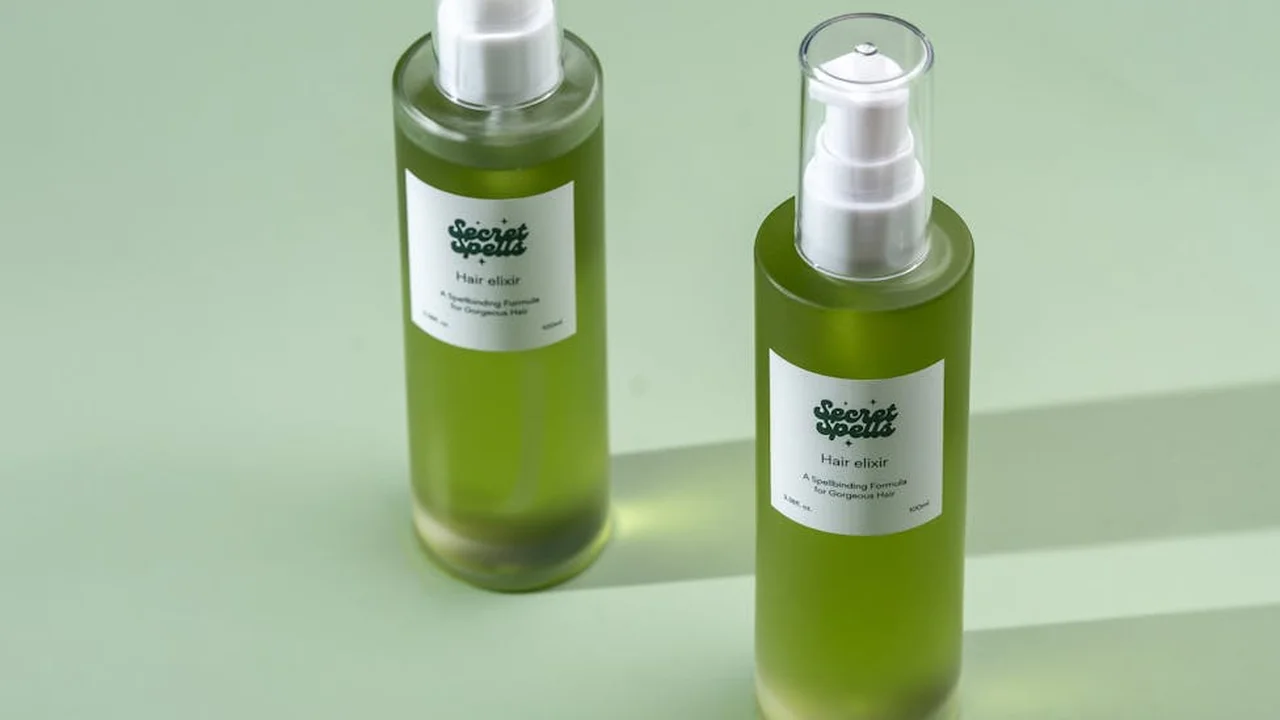
You’ve let the oil work its magic. Now, the goal is to rinse it away feeling renewed, not greasy. I hear this question all the time. Let’s talk about how to finish strong.
A good wash-out is what makes a pre-shampoo treatment feel like a success, not a sticky mistake. It seals in the benefits and leaves you with that fresh, light feeling.
The Double Shampoo Method
This is my non-negotiable first step after any oil treatment. A single shampoo often just spreads the oil around. You need a strategic cleanse.
Start with your first shampoo on dry or damp hair. Apply it directly to your oily scalp and mid-lengths. Don’t add much water yet. Massage it in thoroughly for a full minute.
You are not cleaning yet. You are breaking up the oils, like using dish soap on a greasy pan. Rinse. The water will likely bead up and look milky. That’s perfect.
Now, for your second wash. Apply your regular amount of shampoo to wet hair. I reach for a gentle, sulfate-free formula here to cleanse without stripping all the new moisture from my strands. This second lather will feel richer and actually clean your scalp and hair.
Rinse with warm water until your hair feels smooth between your fingers, not slippery.
When to Use a Gentle Clarifier
Even with perfect washing, a slight residue can build up over weeks of treatments. Your scalp might feel less lively. I notice my hair loses its bounce.
This is your signal for a gentle reset, about once a month. It also prevents any issues from oils that might have been left on a bit too long.
An apple cider vinegar rinse is my shelf staple. I mix one tablespoon of raw ACV with one cup of cool water in a spray bottle. After shampooing, I spray it on my scalp, let it sit for two minutes, then rinse. It dissolves residue and makes my hair incredibly shiny.
For a more thorough reset, a scalp mask with bentonite clay or rhassoul clay pulls away buildup without harsh chemicals. I mix the clay with water or apple cider vinegar until it’s like yogurt, apply it to my damp scalp for 10 minutes, then shampoo normally.
Drying and Styling Post-Treatment
This is the best part. After a proper oil treatment and cleanse, your hair behaves differently. It has what it needs.
You will likely use far less styling product. My curls are more defined with just a dab of leave-in conditioner. My fine-haired friends tell me they skip serum because their hair is already smooth.
The final result you’re aiming for is hair that feels soft from root to tip, has a healthy shine, and a scalp that feels calm and clear. It’s a clean slate. If your hair still feels heavy or looks flat, that’s a sign to adjust your washing technique or clarify next time.
Just pat it dry gently with a cotton t-shirt, not a rough towel. Let it air dry or style as usual. You’ve given your hair a deep drink. Now just let it shine.
Your Oil Timing Questions, Answered
Is it true that leaving oil on longer always gives better results?
Not always. Think of it like watering a plant-more isn’t automatically better. For most scalps and lighter oils, 30 minutes to 2 hours is perfect for absorption without risk of clogging or buildup.
Can I use heat to shorten my treatment time?
Absolutely. Applying oil to damp hair and using a warm towel or cap can enhance penetration, especially for low-porosity hair. This allows you to gain deep conditioning benefits in a shorter 30-45 minute window.
Should I adjust my oil timing with the seasons?
Yes, your hair’s needs can change. In dry, cold months, a longer 1-2 hour treatment may be beneficial, while in humid heat, a quicker 30-minute application often prevents a weighed-down feeling.
What if I use a blend of heavy and light oils?
Let the heaviest oil in your blend guide your timing. For a mix containing a dense oil like olive, cap your treatment at 2 hours unless your hair is exceptionally thick and dry, to ensure you can wash it out completely.
Your Hair Oil Ritual: Parting Wisdom
From my own apothecary shelf, I can tell you that the greatest benefit comes from matching the oil’s time on your scalp to your hair’s unique story. Let your hair’s texture and need for moisture be your guide, whether that means a brief, warming massage or a deep, overnight nourishing sleep.
I encourage you to explore more trusted blends and methods right here on our blog as you craft your wellness routine. Your hands-on experience with these botanical oils is just as valuable as the advice I share from my own home practice.
Relevant Resources for Further Exploration
- A Hair Care Dilemma: How Often Should I Oil My Scalp? – Davines
- How long should you leave oils in your hair? Optimal hair oiling
- How Long Should Oil Be Kept in Hair | Ask Ayurveda
Noemi is an accomplished wellness researcher, nutrition care guide and body care expert. She has years of experience in formulating various oil combinations for full body wellness including face, hair, body care, essential oils and cooking oils. She works as a bio-formulator working with oil chemistry and analyzing the best formulations when it comes to your needs. Feel free to reach out to get your oil needs sorted.