
Which Essential Oils Truly Repel Ants?
Ants invading your space can quickly become a nuisance. From my own kitchen shelves, I’ve seen how a few strategic drops of the right oil can stop those trails in their tracks.
This article will give you a clear, step-by-step plan to use botanical oils for effective ant control.
- The top essential oils that ants actively avoid
- How to mix safe and powerful spray solutions
- Exactly where to place your repellent for maximum effect
- Crucial precautions for households with children or pets
How Ants React to Botanical Scents: A Quick Primer
Ants navigate their world through scent. They leave tiny chemical trails, called pheromones, to tell other ants where the good stuff is.
Strong essential oils work by overwhelming these delicate signals. It scrambles their communication, like trying to hear a whisper in a room with loud music.
There’s a key difference between repelling and controlling. Repellency deters ants from entering an area. Control involves disrupting their trails or affecting the colony itself.
Think of a very strong perfume. One spritz can clear a room because it’s too potent. Botanical oils act similarly for ants.
From my own kitchen shelf, I’ve watched a line of ants hit a peppermint-oil barrier and instantly turn back, confused.
The Top Ant-Repelling Oils: A Quick Snapshot
This table gives you a fast look at your best botanical allies. I use oils like these in my home routines.
| Oil | Dominant Scent | Key Property for Ants |
|---|---|---|
| Peppermint | Sharp, Cooling Mint | Powerful trail disruptor, high repellency |
| Tea Tree (Melaleuca) | Medicinal, Camphorous | Antiseptic, deters and can kill on contact |
| Cedarwood | Woody, Earthy | Long-lasting repellent, mimics insect-repelling cedar |
| Clove | Warm, Spicy | Potent insecticide properties, very strong |
| Citrus (Lemon, Orange) | Bright, Cheerful | Cleans scent trails, high in d-limonene |
Remember, the potency and required caution vary with each oil. Clove, for example, is incredibly effective but can irritate skin.
I always dilute it more heavily than something like cedarwood. For any homemade spray, mix essential oils with water and a dispersant like vodka.
Start with a 2% dilution for most uses-that’s about 10-12 drops of essential oil per ounce of liquid. Your nose and the ants will tell you if it’s strong enough.
Peppermint and Tea Tree: The Dynamic Duo
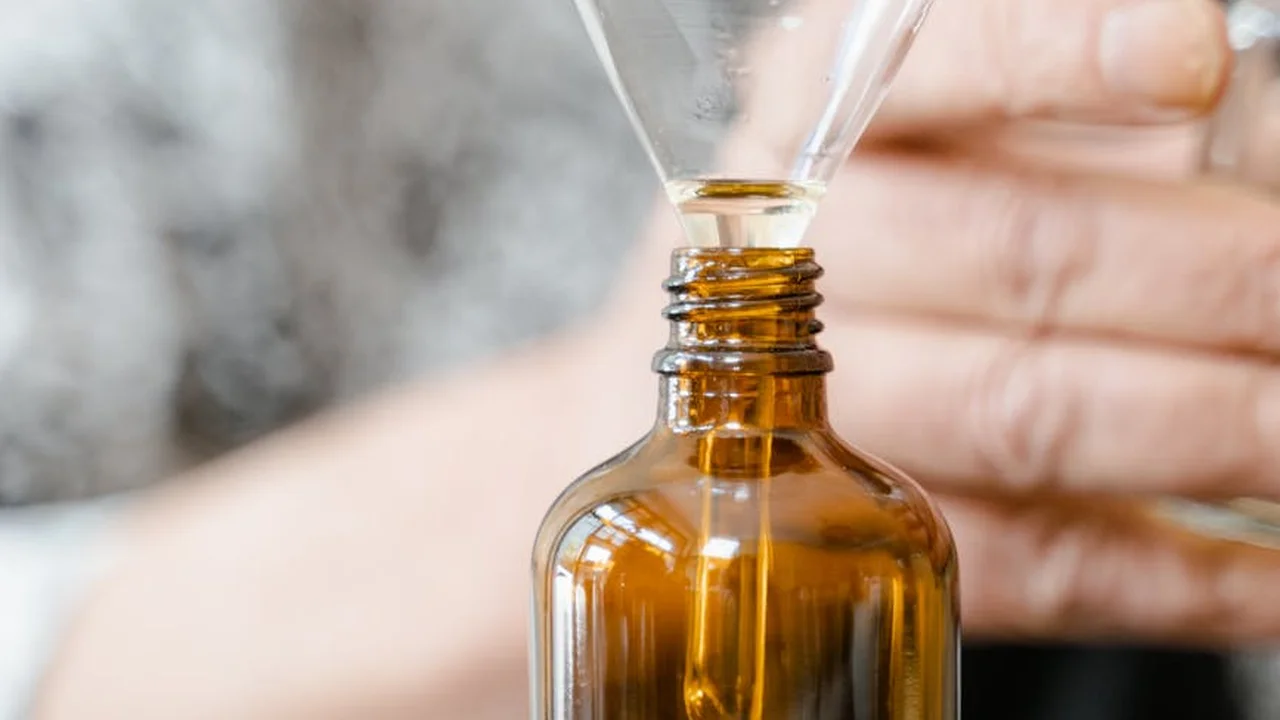
Do ants hate peppermint oil? Yes, they really do. That sharp, minty smell is something they will go out of their way to avoid.
Peppermint oil works as a superb repellent and trail masker, confusing ants by overwhelming the pheromone paths they follow. Can peppermint oil kill ants? Its primary strength is in deterrence, not destruction. It sends them packing long before it would ever harm them. Just like when you use it for other garden pests.
Now, let’s talk about tea tree. Can tea tree oil kill ants? It can, especially with direct contact. Its natural properties are harsh on small insects. Do ants like tea tree oil? No, they find its sharp, medicinal scent just as offensive as we find their march across our counters. Interestingly, tea tree oil is also used as a natural insect repellent against mosquitoes, fleas, and even ants. People sometimes dilute it with a carrier oil or blend it into sprays to help deter insects without resorting to harsher chemicals.
Tea tree oil plays a dual role: it repels ants on sight and smell, and it can act as a contact insecticide for any stragglers. This makes it a more aggressive option among essential oils used for pest control.
Blending these two creates a powerful one-two punch for your home. Peppermint provides the broad, aromatic barrier, while tea tree offers targeted cleanup. I always keep a dedicated spray bottle of this blend in my pantry for quick action.
Why Peppermint Oil Makes Ants Turn Around
Imagine a wave of intense, cooling menthol. For an ant, that scent overloads their tiny sensory receptors all at once.
It scrambles their communication and makes it impossible for them to follow their established trails, so they simply turn back.
I saw this firsthand. A line of tiny black ants appeared on my sunroom windowsill. I grabbed my peppermint spray-just a few drops in water-and wiped the sill down. The crisp scent filled the air, and by morning, the trail was gone and stayed gone.
Tea Tree Oil’s Potent Punch
While peppermint confuses, tea tree cleans. Its compounds can help break down the scent molecules ants leave behind.
Wiping a diluted tea tree solution directly on a trail doesn’t just mask it; it helps erase the chemical map for the rest of the colony.
A strong safety note is crucial here. Tea tree oil is powerful. For surfaces, dilute it heavily, like 5 drops in a cup of water or white vinegar. Always keep tea tree oil mixtures away from pets, as it can be harmful if they lick treated surfaces or come into direct contact with the concentrated oil. On my shelf, it’s stored well out of reach. Pet owners can consult a complete safety guide on tea tree oil for cats and other pets.
Other Powerful Oils for Your Ant Arsenal
Your options extend beyond a single oil. I like to think of them in groups based on their scent and primary action. This makes it simpler to pick the right one for your home’s vibe and the ant problem at hand.
The Woody Protectors: Cedarwood and Eucalyptus
Cedarwood oil is a favorite of mine for its lasting power. That rich, earthy scent sticks around, providing a quiet barrier ants would rather not cross.
I keep a small bottle of cedarwood in my apothecary just for lining the shelves in my pantry. It’s a pleasant, long-term sentinel.
Do ants like eucalyptus oil? Not one bit. Eucalyptus delivers a sharp, camphorous punch that overwhelms their senses. It’s like a clean, medicinal wall they cannot navigate.
The Spicy Brigade: Clove, Cinnamon, and Thyme
These oils are the heavy hitters. They are intensely potent, so careful dilution is non-negotiable for skin safety. Be sure to use the right carrier oils for skin to dilute essential oils properly.
Does cinnamon oil repel ants? Yes, it is highly effective. The warm, spicy aroma acts as a powerful disruptor. A single drop of cinnamon oil mixed in a spray can break a scent trail instantly.
Clove and thyme share this fiery reputation. Use them sparingly and always in a carrier oil or diffuse them well away from pets.
The Gentle but Effective: Lavender and Citrus
Do ants like lavender oil? They find its calming floral notes unappealing. Lavender is a gentler repellent, ideal for spaces where you want a softer aroma, like a bedroom.
The lavender I grow is perfect for a mild spray near window sills. It won’t agitate the ants, it just encourages them to leave.
Citrus oils, like lemon or orange, are fantastic for erasing pheromone trails. Wipe counters with a diluted solution. Remember, citrus can bleach surfaces, so test it first on a hidden spot.
A Note on Carrier Oils: Does Coconut Oil Attract Ants?
Do ants like coconut oil? In my experience, pure coconut oil is not an attractant. It also isn’t a repellent on its own.
Its real value is as a safe, skin-friendly carrier. I often use a bit of coconut oil to bind essential oils into a paste for bait stations or a protective balm. It helps the active oils stay put.
Your Go-To Ant Repellent Essential Oil Recipes
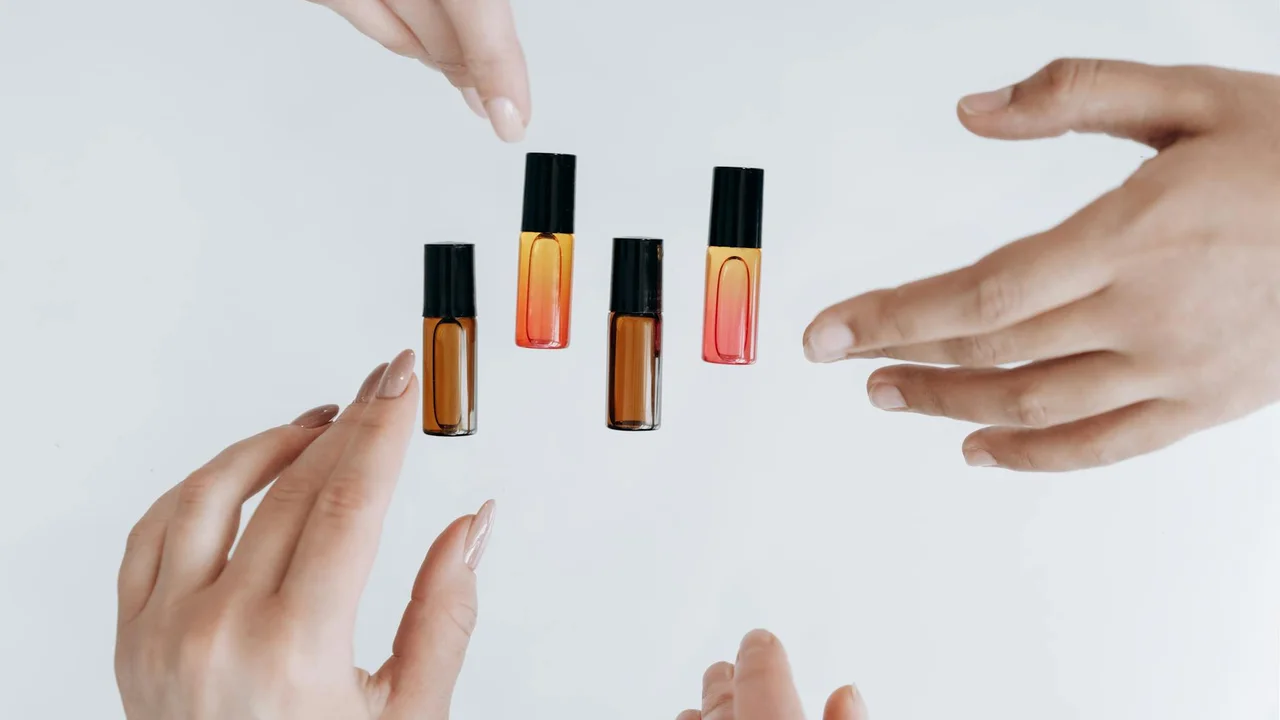
I often get questions about a reliable ant repellent essential oils recipe that really works at home. My answer always comes from my own apothecary shelf, where I keep oils like peppermint and tea tree for moments just like this.
These ant repellent oil diy methods are simple, safe, and use exact measurements. I will walk you through each one with clear steps and important safety reminders.
All-Purpose Ant Defense Spray
This is the spray I mix up first when I see scouts in my kitchen. It has a clean, sharp scent that confuses their trails.
Gather these items:
- 1 cup of water
- 2 tablespoons of witch hazel or white vinegar
- Your essential oils: 8 drops of peppermint, 6 drops of tea tree, and 6 drops of cedarwood (20 drops total)
Here is how to make and use it:
- Pour the water and witch hazel into an 8-ounce glass spray bottle. I prefer glass because some oils can degrade plastic.
- Add all 20 drops of your essential oils. The cedarwood adds a warm, grounding note to the bright mint.
- Shake the bottle hard for a good 10 seconds until the mixture looks cloudy.
- Spray it directly onto ant trails, around window sills, and along baseboards. Always shake the bottle well before each use to blend the oils back into the water.
Keep this spray away from pet bowls and food prep surfaces. Test it on a hidden spot of fabric or wood first.
Cotton Ball Barrier Stations
For a silent, set-it-and-forget-it guard, I use these soaked cotton balls. They create a potent scent barrier ants refuse to cross.
You will need a small bowl to make the blend:
- 2 tablespoons of a light carrier oil (I use fractionated coconut oil)
- 10 drops of clove essential oil
- 10 drops of peppermint essential oil
Stir the oils together in the bowl. You will notice the spicy, almost medicinal aroma of clove mixing with the cool mint. These notes hint at at-home uses for clove oil—skin care, toothache relief, and aromatherapy. Consider exploring clove oil in simple home blends.
Drop in 4 to 6 cotton balls and let them soak until they are fully saturated. They should feel heavy and look glossy.
Place these cotton balls in corners, behind the toilet, under sinks, and near any tiny cracks in the walls. This method is ideal for dry, out-of-the-way spots where you need long-lasting protection. Swap them out for fresh ones every week.
Ant-Repelling Diffuser Blend for Indoors
When I want to keep the air fresh and discourage pests naturally, I turn to my diffuser. This blend is soothing for people but off-putting for ants.
Fill your diffuser with water as directed, then add:
- 3 drops of peppermint essential oil
- 3 drops of lemon essential oil
Turn on the diffuser and let it run for 30 to 60 minutes in the room you are using. The air will smell crisp and clean.
This diffuser blend is excellent for general, whole-room deterrence and a pleasant aroma, but it is not strong enough to stop a visible line of marching ants. For an active problem, use the spray or cotton balls directly on their path.
Safety First: Protecting Pets, Kids, and Your Home
These powerful plant oils work so well because they are concentrated. That same strength means we handle them with respect. A few simple habits keep everyone safe while you evict your tiny unwanted guests.
Essential Oils and Household Pets
Our furry friends process scents and chemicals differently than we do. Some oils that are fine for us can be problematic for them, especially cats.
I am especially cautious with tea tree, citrus oils, and peppermint around my cat and dog. I keep these oils high on my own shelves, and I apply the same principle to any ant repellent I make, especially when it contains peppermint oil.
If you’re using cotton balls or a spray, place them only in areas your pets cannot access-behind appliances, inside cabinet kick-plates, or on high window sills. Never apply oils directly to your pet’s fur or skin.
Using Oils Safely Around Children
Little lungs and skin are more sensitive. If I need to use an ant spray in a child’s space, I reach for a milder oil like lavender and use a much higher dilution.
For a child-safe barrier spray, I might use just 3 drops of lavender per ounce of water in my spray bottle. All oil blends, whether in bottles or on cotton balls, must be stored completely out of a child’s reach, just like any cleaning product.
Surface and Material Testing
Essential oils are potent solvents. They can melt certain plastics, strip the finish off wood, and leave permanent stains on fabrics and countertops.
Always, always do a spot test in a hidden corner before applying any blend to a new surface. I test on a discreet spot behind a cabinet door or under a table edge. Wait a few hours to see if any clouding, staining, or texture change occurs. This one small step can save you from a big headache.
Beyond the Kitchen: Outdoor and Garden Ant Solutions
What works on a countertop needs a bit more muscle for the great outdoors.
I keep a dedicated spray bottle in my garden shed, labeled and ready to go for these larger-scale missions.
Scaling up is simple: just maintain your dilution ratios while making a bigger batch.
Creating a Perimeter Spray
To stop scouts from ever finding their way in, a barrier spray around your home’s foundation is incredibly effective.
White vinegar is my partner here. It works to wipe away the chemical scent trails ants leave for each other.
Combine it with your essential oils for a powerful one-two punch.
Here is my go-to recipe for a 16-ounce spray bottle:
- Fill the bottle halfway with white vinegar.
- Add 30 drops of your ant-repelling essential oils. Peppermint, tea tree, and citrus oils are perfect here.
- Top the bottle off with water, leaving a little room to shake.
Shake vigorously before each use, as the oil and vinegar will separate, and spray a generous line along door frames, window sills, and patio stones.
The smell of vinegar fades quickly outdoors, but the aromatic oils keep working.
Protecting Garden Beds Naturally
In the garden, our goal is often to disrupt the partnership between ants and aphids.
Ants will farm aphids on your plants, so deterring the ants helps protect your greenery.
Citrus oils are my first choice here. Their bright, sharp scent seems to confuse the ants and mask the attractive smell of the aphids.
A gentle spray on the mulch or soil around the base of affected plants creates a boundary they are reluctant to cross.
Try this mix for a 24-ounce garden sprayer:
- Fill with water.
- Add a teaspoon of natural castile soap to help the mixture stick.
- Add 20 drops of orange oil and 20 drops of lemon oil.
Always avoid spraying this mixture directly onto plant blossoms, especially in the heat of the day, as the essential oils can magnify sunlight and cause damage.
Focus your spray on the soil and the lower stems where ants travel.
When Your Botanical Arsenal Isn’t Enough
I adore the sharp, clean scent of peppermint oil wafting through my kitchen, but let me share a truth from my own home. Essential oils are fantastic for deterring occasional scouts and small trails, but they struggle against established colonies or determined species like carpenter ants, even when used on plants and grass. My citrus spray sat useless on the shelf during one bad infestation.
Carpenter ants are a different beast. They chew through wood to build nests, and oils simply can’t penetrate deep into those galleries. I learned this the hard way when I found tiny piles of sawdust near my window frame.
Signs It’s Time to Call a Professional
Trust your senses. If you notice any of these, it’s wise to seek expert help.
- You see a non-stop parade of ants for days, even after fresh applications of your strongest oil blends.
- You find frass, which looks like fine wood shavings, near baseboards or beams. This is carpenter ant evidence.
- The ants are coming from inside your walls or floors. Oils work on surfaces, not hidden nests.
- You have concerns about property damage. Carpenter ants can weaken structural wood over time.
Calling a pro isn’t a failure. It’s a smart step to protect your home. I’ve done it myself, and it brought peace of mind back to my space.
Alternative Natural Strategies to Pair with Oils
Essential oils are a powerful tool, but they work best as part of a team. Think of them as your first line of aromatic defense, supported by other practical actions. This layered approach is how I manage my own home without resorting to harsh chemicals.
Create Physical Barriers with Diatomaceous Earth
Diatomaceous earth (or DE) is a fine, powdery dust made from fossilized algae. To us, it feels like soft chalk. To an ant, it’s like walking over millions of tiny, sharp shards.
This powder damages their protective outer layer, causing them to dry out, and it’s completely non-toxic to people and pets once the dust settles. You can find food-grade DE at most garden centers.
- Wear a dust mask when applying. Lightly puff it into cracks, along baseboards, and around door thresholds-anywhere you see ant trails.
- It only works when dry, so use it indoors or in sheltered outdoor spots. Reapply if it gets wet.
- I keep a small bulb applicator on my shelf right next to my spray bottles. It’s a perfect one-two punch: oils repel, DE handles any stubborn scouts.
Remove the Invitation with Smart Food Storage
Ants are on a mission for food and water. Deny them the prize, and their interest fades fast.
Airtight containers are your best friend for pantry items like sugar, cereal, and pet food. I swapped all my open bags for glass jars years ago, and it made a visible difference.
- Wipe down counters, tables, and stove tops every night. Pay special attention to sticky spots from honey or syrup.
- Take the trash out regularly. Rinse recyclables before they go in the bin.
- Don’t forget pet bowls. Pick up water and food bowls overnight, or place the bowls inside a slightly larger shallow dish filled with water to create a moat.
Seal Their Entry Points
Take a slow walk around your home’s interior and exterior. Get down on eye level with the floor. You’re looking for the tiny highways ants use.
Use a quality silicone caulk to seal cracks in window frames, baseboards, and around pipes where they enter walls. This is a weekend project with lasting impact.
- Check the weather stripping around doors. Replace it if it’s worn or loose.
- Outside, look for gaps in the foundation or where siding meets brick. Seal them up.
- This isn’t just for ants. Sealing cracks keeps out drafts and other pests, making your whole home more comfortable.
Building Your Holistic Plan
Oils disrupt ant communication and mask scent trails. The other strategies physically block them and remove their reason for coming inside.
Start with a deep clean and seal, then maintain with your oil sprays and deterrents at entry points. Be patient. Natural management is about consistency, not a single knockout spray.
I see it as gentle stewardship of my space. It takes a little more observation and effort upfront, but the peace of mind-and the lovely, herbaceous scent in the air-is well worth it.
Your Ant-Repelling Oil Questions, Answered
Are essential oils as effective as chemical ant killers?
They work differently. Oils excel at repelling scouts and disrupting trails, while chemicals aim to eradicate entire colonies-for a major infestation, oils are a fantastic first line of defense, but may need backup.
Can I use any essential oil in my diffuser to keep ants away?
Focus on potent, ant-repelling scents like peppermint, tea tree, or citrus. A diffuser creates a gentle deterrent for a room, but for an active trail, a targeted spray is much more effective.
What’s the quickest ant repellent I can make right now?
In a pinch, add 10 drops of peppermint oil to a cup of water in a spray bottle, shake well, and spray entry points. It’s a simple, effective barrier that confuses ants immediately.
Which oils require extra caution around pets?
Tea tree, citrus, and peppermint oils need careful use. Always place repellents in areas pets can’t access, and never apply oils directly to your pet’s skin or fur. Also consider which carrier oils are safe for dogs and whether a pet might lick or swallow them after topical use. The next sections will link to guidance on safe essential oil use for dogs, including topical application and ingestion risks.
How often should I reapply my DIY ant repellent spray?
Reapply every few days or after cleaning, as the scent fades. For heavy traffic areas, a quick daily spray can maintain a strong, ants-deterring barrier.
Final Thoughts on Your Scented Defense
The single best piece of advice I can give is to choose one or two oils, like peppermint or lemon, and use them consistently at entry points. This focused, patient approach is far more effective than a scattered one and lets you create a gentle, fragrant shield for your home.
I welcome you to explore more natural recipes and ideas right here on the blog as you blend for your household. Trust the wisdom you gain from your own hands; your growing confidence with these oils will enrich every part of your life, from skin care to creating a serene home.
Expert Resources and Citations
- Do Essential Oils Repel Ants? | Bug Out NC
- 14 Essential Oils for Repelling Ants That Actually Work
- r/gardening on Reddit: Natural ant killer recipe (a use for all those essential oils I never use!)
- Essential oils for ants: Repel & kill ants naturally
Noemi is an accomplished wellness researcher, nutrition care guide and body care expert. She has years of experience in formulating various oil combinations for full body wellness including face, hair, body care, essential oils and cooking oils. She works as a bio-formulator working with oil chemistry and analyzing the best formulations when it comes to your needs. Feel free to reach out to get your oil needs sorted.