What Makes Fossil Oil Different from the Oils on Your Shelf?
When you hear “oil,” your mind might jump from the gas pump to the dropper bottle in your bathroom. I see this confusion often, and clarifying where oils truly come from is the first step to using them wisely for your home and health.
You’ll leave knowing exactly how to spot a renewable resource and why it matters for your routines.
- The ancient, geological recipe for fossil fuels
- Why plant-based oils are considered renewable
- Practical examples from my own herbal cabinet
A Quick Snapshot: Fossil Oil vs. Plant Oil
If you are checking a product label for your skin or hair, this table helps you see the source at a glance.
| Source | Time to Form | Renewable? | Common Names in Products | |
|---|---|---|---|---|
| Fossil Oil | Ancient organic matter (mostly marine plankton) under heat/pressure | Millions of years | No | Mineral Oil, Petrolatum, Paraffin |
| Plant Oil | Seeds, nuts, fruits of plants | One growing season | Yes | Jojoba Oil, Coconut Oil, Olive Oil |
Seeing ‘mineral oil’ means that ingredient is mined from a finite reserve, not grown on a farm. I prefer plant oils in my daily routines because they bring a living complexity to blends, from the nutty scent of sweet almond to the silky feel of argan on my hair.
How Fossil Fuels Actually Form (It’s Not Just Dinosaurs)
Let’s answer those questions directly. How are oil and natural gas formed? Did dinosaurs turn into oil? The short answer is no, it was mostly tiny sea life.
Picture ancient oceans teeming with plankton. When they died, they sank and were buried under thick layers of sand and mud. Over millions of years, that immense heat and pressure slowly cooked them into crude oil and natural gas.
This geological process is a one time, ultra slow recipe that we are using up. It is not happening on any timescale that matters for us today.
I like to compare it to a sealed, million year old pantry we are raiding. Once those shelves are bare, that is it. Plant oils are different. They are like the herb garden on my windowsill that I can replant and harvest from season after season. That is the core of renewable versus nonrenewable in our world of oils.
Spotting Fossil-Derived Oils in Your Home & Beauty Products
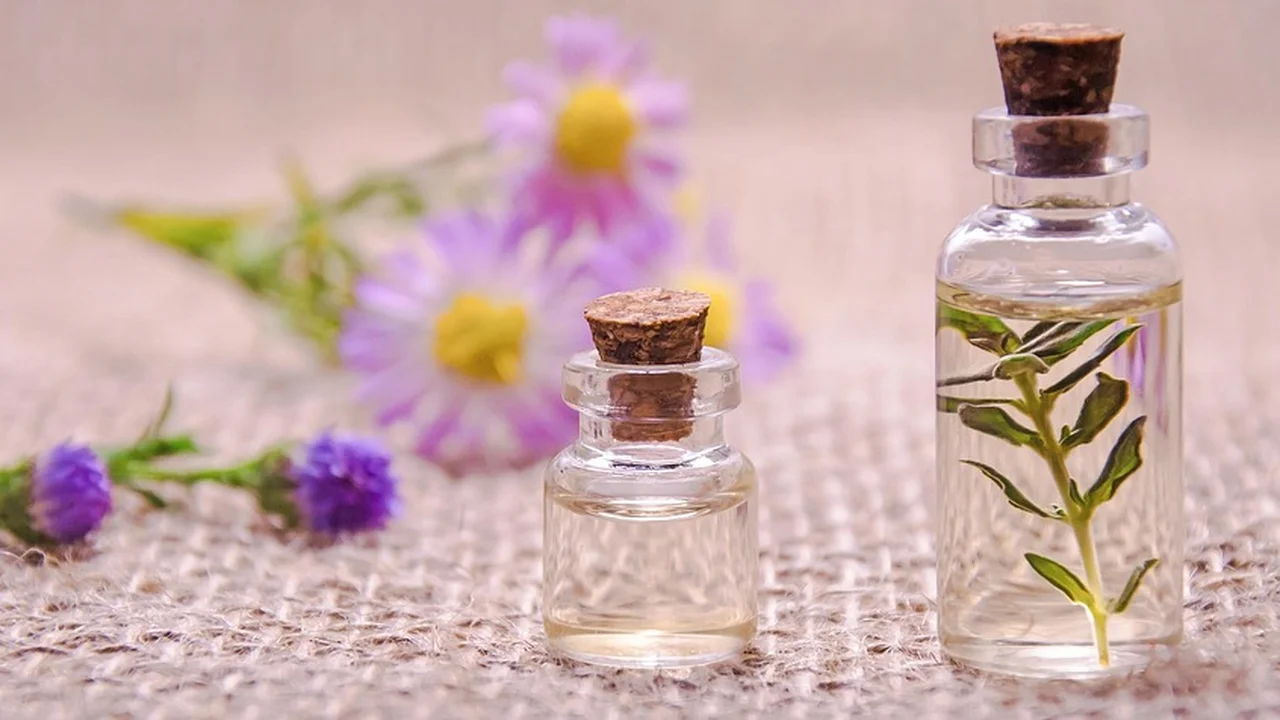
I keep a few products with these ingredients on my “reference shelf” to remind me of the difference. They hide under scientific-sounding names that often point back to petroleum.
Check your labels for these common aliases:
- Mineral Oil
- Paraffinum Liquidum
- Petrolatum
- Microcrystalline Wax
Their sensory profile is a big clue. They are typically odorless and colorless, manufactured to be blank slates. On your skin, they can create an occlusive barrier.
This barrier feels different from the nourishing seal of a plant butter; it often sits on top of the skin like a plastic wrap, which is why some folks find it clogging.
You find them everywhere because they are stable and inexpensive. They act as base oils in mass-market lotions, classic baby oil, some hair serums for shine, and even in furniture polish.
Now, contrast that with a plant oil. Pour a drop of grapeseed oil onto your palm. It has a faint, nutty scent and a light, silky texture that your skin drinks in. Sweet almond oil feels softly nurturing and leaves a subtle glow.
Plant oils engage your senses and interact with your skin’s biology, while fossil-derived oils primarily create a physical barrier on the surface.
Required Materials: Your Ingredient Detective Kit
You don’t need a lab to start learning. Gather these simple tools from around your house.
First, arm your eyes. Ingredient lists are famously tiny. Use a magnifying glass or the zoom on your phone camera to read the fine print clearly.
Next, grab your current bottle of lotion, serum, or lip balm. Any product you use regularly is a perfect first case study.
I started an oil journal years ago, and it’s my most valuable reference. A simple notebook lets you jot down ingredient names, how a product feels, and how your skin responds over time.
Finally, the most important item: a sample of a pure plant oil for comparison. Sweet almond or jojoba oil from your kitchen cabinet works beautifully. This naturally ties into the broader question of whether common seed oils are among the best natural alternatives for cooking and skincare.
Putting a known, wholesome oil right next to a mystery product on your skin is the fastest way to educate your senses and build your personal preference.
Why Plant Oils Are the Ultimate Renewable Resource
In my world of apothecary jars and dropper bottles, “renewable” has a simple, beautiful meaning.
It means something we can grow back, season after season, within our own lifetimes. We plant a seed, nurture it, and are gifted with its bounty. Then, we can begin the cycle again.
This stands in stark contrast to fossil oils, which took millions of years to form deep underground. Once we pump a barrel of crude oil from a well, it is gone for good. That finite supply defines a nonrenewable resource.
The Beautiful Lifecycle of a Plant Oil
Watching this process never gets old. It starts with a humble seed, packed with potential. With sun, soil, and water, it grows into a mature plant-a sunflower reaching for the sky, an olive tree weathering decades on a hillside.
When the time is right, we harvest. The seeds, fruits, or nuts are then gently pressed to release their precious oil.
I prefer cold-pressing for my wellness oils. This method uses pressure without high heat, preserving the oil’s delicate nutrients and character. Expeller pressing uses more friction and heat, yielding more oil but sometimes altering its profile. For botanicals, the difference between cold-pressed and expeller-pressed oil production methods can subtly shape flavor, aroma, and nutrient retention. Both methods, however, give us a liquid gift from a single growing cycle.
Examples from My Shelf
Consider bright, golden sunflower oil. From planting to harvest, a single sunflower completes its journey in one summer. I keep a bottle for body oil blends because it’s light and absorbs quickly.
Then there’s my rich, green bottle of extra virgin olive oil. It comes from an orchard where trees may fruit for hundreds of years. That orchard is a renewable system, providing harvest after harvest without depleting the earth’s ancient reserves. I use it in salves for its staying power on the skin.
The Clear Answer on Renewability
So, are oils renewable or nonrenewable? The answer depends entirely on their source.
Plant-based oils, like those we use for body, skin, hair, and home, are absolutely renewable. Fossil oils, formed through slow geological processes, are not.
When you choose a jojoba oil for your hair or a lavender essential oil for your diffuser, you are tapping into a cycle of life that can continue. You are not taking from a one-time, ancient cache. This difference matters for our homes and our planet.
The Sustainability Check: What “Nonrenewable” Really Means for Your Routine
In our world of botanical oils, “nonrenewable” isn’t just a textbook idea.
It’s a practical reality with a clear end. Think of it like a single jar of a precious oil on your shelf. Once it’s gone, it’s truly gone-you can’t grow more.
Choosing a plant oil means participating in a living cycle you can see and touch, from seed to harvest to your skin.
The Hidden Cost in a Barrel
Fossil oils, like the mineral oil or petroleum derivatives sometimes found in cosmetics, come from a different story.
Their formation took millions of years of intense pressure on ancient organic matter. We are tapping into a finite historical reserve.
Extracting and refining these oils requires massive machinery, deep drilling, and complex chemical processes. This journey from deep earth to bottle carries a heavy carbon footprint.
Every step, from drilling to transportation to refinement, burns energy and releases greenhouse gases long before the product reaches you.
The Gentle Rhythm of Plant Cycles
Now, picture a field of sunflowers or an orchard of olive trees.
These plants grow under the sun, drawing in carbon dioxide. They are harvested, and their seeds or fruits are cold-pressed. The oil goes into your bottle. The leftover plant matter, the “cake,” often becomes animal feed or compost.
That compost nourishes the soil for the next planting. It’s a circle.
I keep a small compost bin for my kitchen scraps and used coffee grounds with my herb gardens. Seeing waste turn into rich soil that feeds new growth perfectly illustrates this renewable loop.
The impact of a plant oil is largely measured in sunlight, water, and mindful farming, not in geological disruption.
Your Choice Supports a System
When you select jojoba, argan, or sweet almond oil, you’re doing more than moisturizing.
You’re supporting agricultural knowledge, often from small-scale farmers and cooperatives. You’re voting for land use that grows food and wellness ingredients.
That bottle of rosehip seed oil on my shelf represents a harvest, a family operation, and a crop that will be planted again next season.
Prioritizing plant-based oils directly supports regenerative land use and shifts demand away from extraction-based industries.
It connects your personal routine to a healthier, more resilient ecosystem.
A Simple Checklist for Choosing Sustainable Oils
Let’s get practical. When you’re looking at a bottle, these simple steps can help you see past the marketing and make a choice that’s good for you and the earth.
Check the ingredient list first. Does it name a plant or a chemical fossil alias?
This is your first and most powerful tool. Look for the Latin botanical name. I always feel more confident when I see Simmondsia chinensis (jojoba) or Olea europaea (olive) oil.
If the list is full of long chemical names like petrolatum, mineral oil, or paraffin, you’re likely looking at a fossil fuel derivative. These ingredients coat the skin but don’t nourish it the way a plant oil does.
Your skin recognizes and can use the nutrients in plant oils, while fossil-derived oils often just sit on the surface.
Research the plant’s source. Is it known for regenerative farming?
Where an oil comes from tells a story. Some brands partner directly with farming co-ops. This matters.
The argan oil I keep on my shelf comes from a women’s cooperative in Morocco. This means the harvesting supports local livelihoods and traditional, sustainable methods that protect the argan forest. It is just one of the specially sourced botanical oils that I use.
Look for terms like “wildcrafted,” “ethically harvested,” or “certified organic.” A little digging on a brand’s website can reveal their commitment to the land and the people who cultivate it.
Sustainable sourcing helps ensure that the plants we love will be there for future harvests.
Feel and smell it. Pure plant oils have a natural scent and absorb differently.
Your senses are excellent guides. A pure, cold-pressed plant oil has a distinct character. Unrefined rosehip seed oil smells earthy and grassy. Jojoba oil is subtly nutty.
Fossil-based oils and heavily refined plant oils are often completely odorless and can feel greasy or slick. A quality plant oil, like the apricot kernel oil I use for massage, will feel lighter and absorb into warm skin without a heavy residue.
Trust your nose and your skin-they can tell the difference between a living botanical and a laboratory creation.
Consider packaging. Is the oil in a dark glass bottle?
Light and heat are the enemies of precious plant oils. They cause rancidity. A brand that uses dark amber or cobalt blue glass bottles is taking steps to protect the integrity of their product.
I always transfer my bulk oils into small, dark glass dropper bottles. Plastic can leach chemicals and doesn’t block light effectively. Good packaging shows respect for the oil inside.
Dark glass is a simple sign that a producer understands and cares for the stability of their botanical oils.
Start with one swap. Change your body oil or hair serum first.
You don’t need to replace everything at once. That can be overwhelming and expensive. Choose one product you use daily.
Maybe swap your commercial body lotion for a simple blend of organic coconut oil. Or, mix a few drops of rosemary essential oil into a bottle of jojoba oil for a scalp treatment.
See how your skin and hair respond. Notice the difference in texture and scent. This small, successful change makes the next one feel easier and more intuitive.
A sustainable practice is built one thoughtful choice at a time, not overnight.
Your Skin & Hair Can Tell the Difference
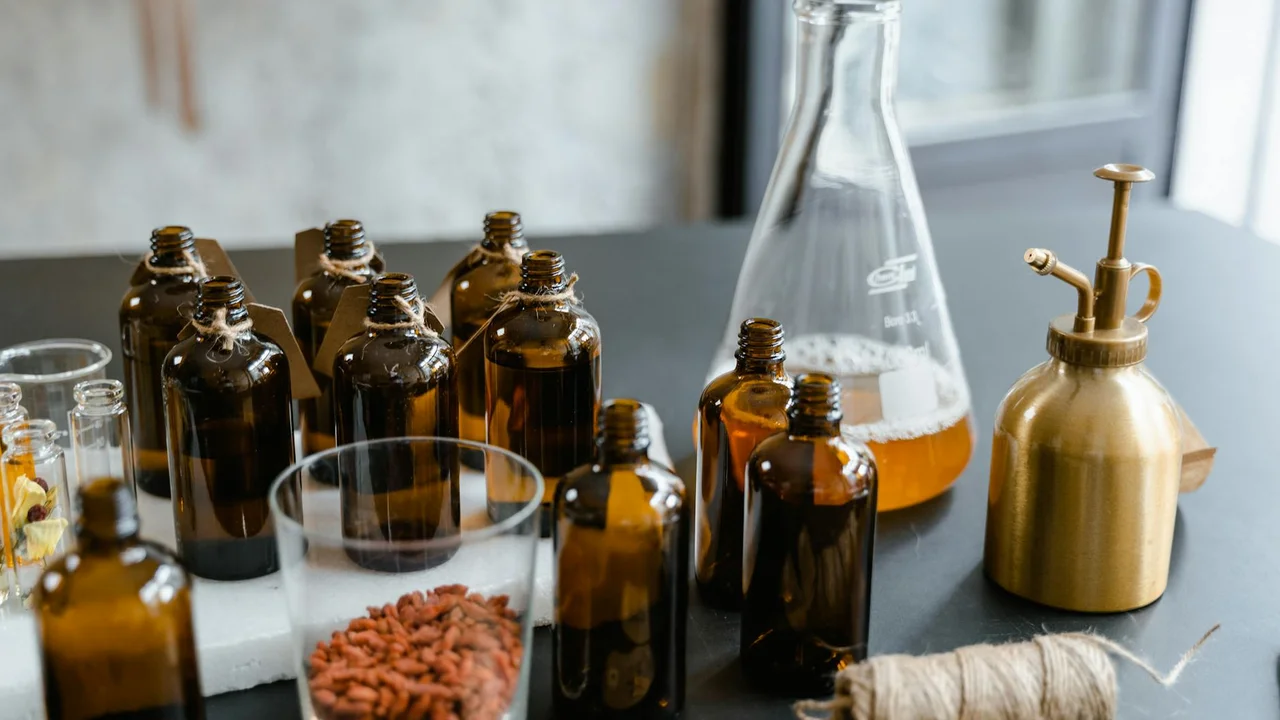
Plant oils deliver vitamins, antioxidants, and fatty acids that your skin’s biology can actually use. These components, like the linoleic acid in sunflower oil or the antioxidants in pomegranate seed oil, work with your skin to support its natural barrier and repair processes. Oils rich in linoleic acid—like sunflower, safflower, and grapeseed oils—support barrier function and overall health. The rosehip oil on my shelf, for instance, visibly improves skin texture because its nutrients are recognizable and usable. Knowing which oils are linoleic-acid rich can help you select options that nourish skin from the inside out.
Many oils from fossil sources, such as mineral oil, form a simple layer on top of your skin. This occlusive barrier can be useful for preventing moisture loss, but it does not nourish or interact with the living cells underneath. It is a seal, not a meal.
Feel the difference for yourself with this simple patch test. I do this with clients to demonstrate absorption.
- Apply a small drop of pure mineral oil to the inside of one forearm.
- On the other forearm, apply a drop of a light plant oil like grapeseed or apricot kernel oil.
- Gently massage each in and wait about ten minutes.
Notice the texture. The plant oil typically absorbs, leaving skin soft and supple, while the mineral oil often remains as a separate, slick film. This quick experiment highlights bioavailability.
Your skin is a living, breathing organ. It has an innate intelligence for nutrients that come from the natural world, not from a petroleum refinery. Feeding it botanical oils is like choosing whole foods for your body’s health.
Bringing It Home: From Body Care to Cleaning Supplies
You can feel the difference. The oils that come from ancient rocks and the ones that come from living plants behave differently for our bodies and our homes.
I keep both types on my shelf, but I reach for the plant-based ones daily. They feel more alive.
For Your Body & Hair
Mineral oil is a common, inert base in many products. It sits on top of your skin to lock in moisture.
Plant oils like fractionated coconut or sunflower oil do more than seal; they nourish because your skin can actually absorb their beneficial compounds.
For a simple body oil, try a tablespoon of fractionated coconut. It’s wonderfully light and never greasy.
Petroleum jelly is an occlusive barrier. It’s fantastic for protecting very dry, cracked skin.
But a balm made with beeswax, shea butter, and infused plant oils offers that protection plus healing. It melts into your skin instead of sitting on it. You can find the best botanical oils for post-procedure skin healing to use in such balms.
My favorite lip balm uses beeswax, cocoa butter, and a drop of peppermint oil. It feels like it becomes part of me.
For Your Living Space
Commercial wood polishes often use paraffin, a petroleum wax, to create shine.
You can make a gentler, effective polish with items from your kitchen. Mix one part olive oil with two parts lemon juice in a small spray bottle.
Shake well, mist onto a soft cloth, and wipe your wood surfaces. The oil nourishes the wood while the lemon juice cleans. However, exercise caution with oil stains on wood.
The candles we burn matter for the air we breathe. Paraffin candles can release more soot and particulate matter.
Choosing a candle made from soy wax or beeswax supports a renewable resource and typically burns much cleaner.
Look for candles with cotton or wood wicks, too. I get my beeswax from a local beekeeper. It smells faintly of honey when it burns.
The principle guides all my choices. It’s simple, really.
Seek the ingredient that grew recently under the sun, not the one that was mined from ancient deposits. Your skin and your home will notice.
Your Questions, Plant-Sourced Answers
Is “mineral oil” natural since it comes from the earth?
While it is a naturally occurring substance, “natural” in wellness means something we can regenerate. Mineral oil is a refined fossil fuel, mined from finite geological reserves that take millions of years to form, unlike a plant you can grow in a season.
If plant oils are so beneficial, why are fossil-derived oils used at all?
They are incredibly stable and inexpensive to produce on a mass scale, which is appealing for product formulation. However, they primarily act as a surface barrier on skin, offering protection without the nourishing, bioactive benefits of botanicals.
What’s the simplest way to start choosing more renewable oils?
Begin by reading one product label-your body lotion or hair serum-and look for a named plant oil (e.g., Simmondsia Chinensis for jojoba) within the first few ingredients. This small, conscious swap immediately connects your routine to a renewable cycle, whether you purchase locally sourced jojoba oil or online.
Does choosing a plant oil really make an environmental difference?
Yes, absolutely. Every purchase of a plant-based oil supports agricultural systems and land use that can be regenerated, shifting demand away from extractive industries. It’s a vote for a living, seasonal economy right from your shelf.
A Living Choice for Your Home and Body
The main thing to remember is this: the botanical oils we use for wellness come from living, growing plants, while fossil oils are ancient, inert remnants. Choosing a botanical oil is a choice for something that participated in a recent cycle of sun, soil, and rain, different from synthetic alternatives.
I invite you to follow along here at Botanical Oils for more guidance that helps you work with these gifts from nature. Trust your senses as you begin-your own experience, paired with a little knowledge, is a wonderful guide.
Sources and Additional Information
- Replacing fossil oil with fresh oil – with what and for what? – PMC
- What is the Difference between Crude Oil and Vegetable Oil? Petro Online
- Is the cooking oil made from crude oil?
- FOSSIL OILS | Ariyan International Inc.
Noemi Kamińska
Noemi is an accomplished wellness researcher, nutrition care guide and body care expert. She has years of experience in formulating various oil combinations for full body wellness including face, hair, body care, essential oils and cooking oils. She works as a bio-formulator working with oil chemistry and analyzing the best formulations when it comes to your needs. Feel free to reach out to get your oil needs sorted.