Which Olive Oil Has the Most Polyphenols: Extra Virgin, Virgin, or Refined?
Staring at grocery store shelves, you might wonder if the pricey extra virgin olive oil is truly worth it for your health. Having tested oils in my home kitchen for years, I know the real story is in the polyphenols, and it’s simpler than you think.
You will see that the amount of processing directly steals or saves these precious compounds, with extra virgin olive oil winning every time. In this article, I’ll share:
- What polyphenols are and why they matter for your body
- How extra virgin, virgin, and refined olive oils are produced
- A direct comparison of their typical polyphenol levels
- My personal tips for choosing and using the best oil
What Are Polyphenols and Why Do They Matter in Your Oil?
Think of polyphenols as a plant’s personal immune system and sunscreen, all rolled into one. These natural compounds protect the olive fruit, and they do the same for us as powerful antioxidants when we consume the oil.
You can literally taste and feel their presence. That peppery sensation in the back of your throat after swallowing a good oil? That’s the polyphenols. A pleasant bitterness and a fresh, grassy aroma are also reliable signs.
This is why that peppery kick is something to savor, not avoid-it’s a direct signal of the oil’s wellness potential.
Research connects olive oil polyphenols to several benefits. They help protect your cells from damage and support a healthy inflammatory response. Studies also suggest olive oil polyphenols can help decrease blood pressure and may even activate proteins in the body called sirtuins, which are linked to cellular health and longevity.
You might wonder, does avocado oil have polyphenols? It does contain some, but the profile is different and generally much lower. Olive oil, especially the right kind, is uniquely rich in these specific, potent compounds.
Polyphenol Showdown: Extra Virgin vs. Virgin vs. Refined
So, does all olive oil have polyphenols? Not really. The amount depends entirely on how much the olives were processed and pushed around before they became oil. Heat and chemicals strip these delicate compounds away. This difference matters when you compare olive oil to vegetable oil, which often has a different polyphenol content and fatty acid profile. This helps explain the nutritional differences between olive oil and vegetable oil.
Here’s how the main types compare, using the common measure of milligrams per kilogram (mg/kg):
- Extra Virgin Olive Oil (EVOO): This is the champion. It comes from the first cold pressing of fresh, perfect olives with no heat or chemicals. Polyphenol content can range widely from about 50 to over 1000 mg/kg. The highest polyphenol oils come from olives harvested early, pressed quickly, and are often marked by intense flavor and that signature peppery punch.
- Virgin Olive Oil: Made the same way as EVOO but from olives with minor defects. It has a lower polyphenol range, typically from 50 to around 200 mg/kg. You’ll get some benefits, but the sensory clues will be milder.
- Refined Olive Oil (often labeled as just “Olive Oil” or “Pure Olive Oil”): This oil is treated with high heat and chemical solvents to neutralize flaws. This process destroys almost all polyphenols, leaving you with a neutral-tasting oil that has very few, if any, of these beneficial compounds left.
A quick note on “light” olive oil: this refers to light flavor or color, not calories or fat content. It’s usually just refined oil and shares the same low-polyphenol reality. For those tracking calories, olive oil is energy-dense, so knowing serving sizes and nutritional content matters. A simple guide covers calories per serving, measurements, and how to compare varieties.
How to Read an Olive Oil Label for Polyphenol Clues
You don’t need a lab kit to find a good oil. Your first and best clue is the words “Extra Virgin” on the label. This certification means it was produced without destructive processing, preserving its natural polyphenols. To verify authenticity and quality, check for brand reputation and clear origin details. This helps ensure you’re getting pure, unadulterated extra virgin olive oil.
Look beyond the front label. A “Harvest Date” is golden information. Polyphenols degrade over time, so an oil from the most recent harvest (within 12-18 months) will be significantly more potent than one with just a distant “Best By” date. Understanding the shelf life and storage conditions is crucial for maintaining its quality.
Also, check for the specific olive variety and origin. Oils from Coratina, Picual, or Koroneiki olives, for example, are naturally bred to be polyphenol powerhouses. A specific region or estate name often signals more care was taken from tree to bottle.
What Helped Me: My Shelf Test for a Lively Oil
On my own shelf, I keep a small bottle of a known high-polyphenol EVOO from a trusted producer. It’s my reference oil.
When I try a new bottle, I pour a little into a spoon, warm it slightly with my breath, and taste it straight. I wait for that distinct, peppery catch in my throat. If that lively sensation is missing, I know the polyphenol content is likely on the lower end, no matter what the label might imply.
It’s a simple, direct way to use your own senses as a guide. Start with a tiny drop if you’re new to tasting oils straight-that pepper can be a wonderful surprise!
How Can You Find High-Polyphenol Olive Oil for Home and Wellness?
Searching for a specific polyphenol count on a brand’s website can feel confusing. I prefer to become my own oil detective.
You learn to recognize the clues of a fresh, well-made oil. It becomes second nature.
Here is my personal checklist for bringing a good bottle home.
- Find a harvest date, not just a “best by” date. Polyphenols fade over time, so oil from the most recent harvest is your best bet. I look for oils within 12-18 months of pressing.
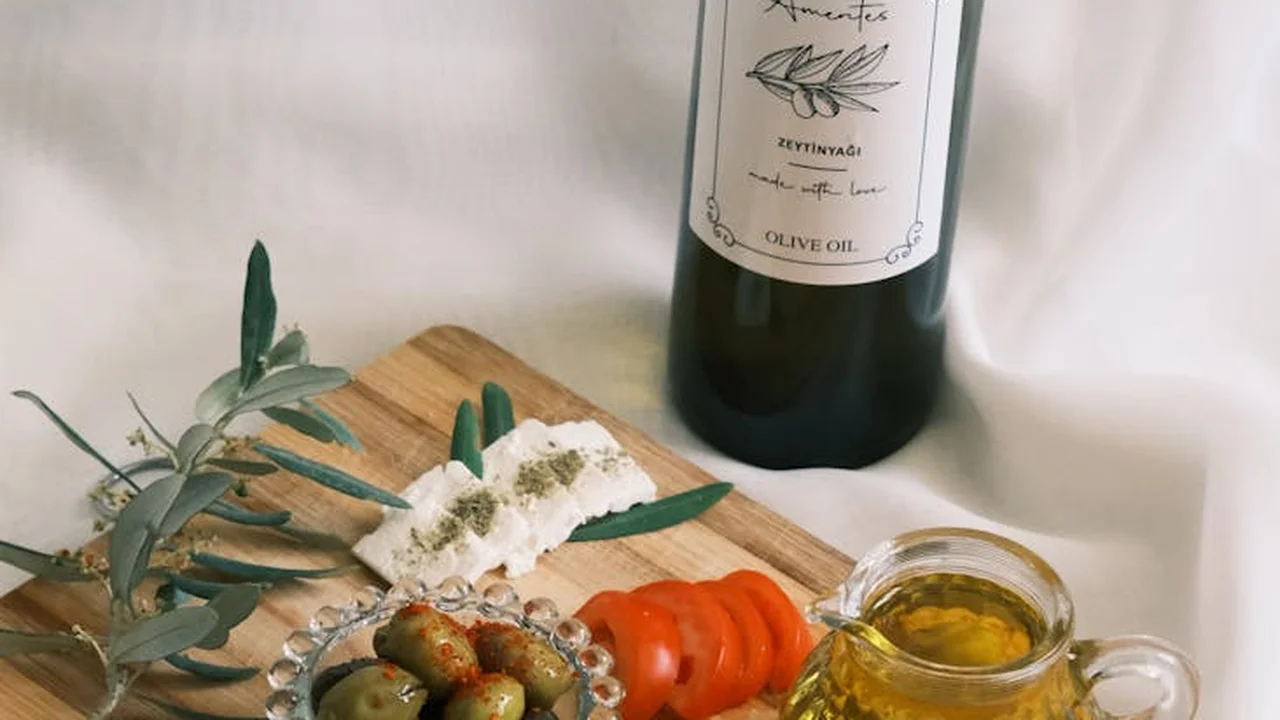
- Choose a dark glass bottle, usually green or brown. Light is one of the biggest enemies of polyphenols. This simple step protects those delicate compounds.
- Confirm it is certified “Extra Virgin.” This is your baseline for an unrefined, mechanically pressed oil. Labels like “pure” or “light” often mean refined.
- Look for details on the region and olive variety. Oils from specific places like Sicily or made from Koroneiki or Picual olives often hint at higher polyphenol potential.
Your job is not done once the oil is home. Storage matters just as much.
Keep your precious bottle in a cool, dark cupboard, far from the stove or any heat source. On my own shelf, the good EVOO lives in a pantry corner, not on the countertop. This preserves the peppery flavor and the wellness benefits you paid for.
Practical Uses for High-Polyphenol Oils in Your Routine
Think of your high-polyphenol extra virgin olive oil as a finishing touch. Its robust, sometimes peppery flavor is the star.
Drizzle it over soups, grilled vegetables, or pasta just before serving. Use it for salad dressings or as a dip for crusty bread. The flavor shines, and the polyphenols remain intact.
For high-heat cooking like sautéing or roasting, I reach for a refined olive oil or an older bottle of EVOO. The intense heat will damage the delicate polyphenols and mute the flavor anyway. This is a smart way to use different oils in your kitchen, especially when you’re trying to choose the right olive oil for cooking and dressings.
For your body care, a high-quality EVOO can be a rich, occlusive moisturizer. I sometimes massage a small amount into damp hair ends or very dry patches on my skin, like elbows or heels.
Always patch test a bit on your inner arm first to check for any reaction. It is a simple food oil, but your skin might have its own opinion.
When to Seek Professional Guidance on Oils and Wellness
Including a vibrant, polyphenol-rich oil in your diet is a supportive choice for overall wellness. I see it as one piece of a much larger picture.
These oils are not a substitute for professional medical advice or treatment. If you have specific concerns about heart health, blood pressure, or any chronic condition, please talk to your doctor or a registered dietitian. In upcoming steps, we’ll explore which cooking oils are healthiest for heart health, how they perform in high-heat cooking, and how they affect nutrient absorption.
They can help you understand how dietary fats fit into your personal health plan. Do not rely on any oil alone for therapeutic benefits.
View a beautiful bottle of olive oil as part of a holistic routine—good food, movement, and professional care working together. Curious which popular olive oil brands are best for cooking and dressings, and how their health profiles compare?
Your Quick-Reference Guide to Olive Oil Polyphenols
Let’s bring it all together. Think of this as your cheat sheet for choosing an oil with purpose, whether for a vibrant salad or a nourishing skin serum.
Key Takeaways at a Glance
- Extra Virgin Olive Oil is the polyphenol champion. Its careful, cold-pressed processing preserves the most antioxidants and beneficial compounds straight from the olive fruit.
- Virgin Olive Oil comes in next, with good polyphenol levels, but often less intensity and complexity than a high-quality EVOO.
- Refined or “Pure” Olive Oil has minimal polyphenols. The refining process strips them away, leaving a neutral oil for high-heat cooking but few wellness perks.
- The final polyphenol count in your bottle depends on the olive variety, ripeness, and how the oil was handled from tree to table. Two EVOOs from different regions can be worlds apart.
Your Polyphenol Questions, Answered
You might be wondering about the numbers. Here’s how I make sense of them.
A robust, fresh extra virgin olive oil typically has a polyphenol count above 200 mg/kg. I get most excited about oils in the 300-500 mg/kg range or higher-these are the ones that really make my throat feel that distinctive peppery kick.
So, how much polyphenols are in olive oil? The range is vast. A refined oil might have less than 50 mg/kg. A mass-produced, older virgin oil may sit around 100-150 mg/kg. A stellar, freshly harvested EVOO from a prized cultivar can soar to 800 mg/kg or more. Price and value, though, hinge on more than polyphenols. Factors like cultivar, terroir, harvest timing, and extraction method drive what you pay. The type and quality tell you everything.
The Final Word: Trust Your Senses
While lab tests measure polyphenols, your body has its own wisdom. That vibrant, grassy aroma and the peppery sensation at the back of your throat are not just for show. They are nature’s direct signals, telling you that the oil is fresh, potent, and rich in the very antioxidants you’re seeking. Your senses are a powerful tool. Let them guide you to the good stuff.
Your Curious Questions, Answered
How do I make sure I’m getting a high-polyphenol oil, not just a tasty one?
Beyond a great flavor, prioritize a recent harvest date and seek out oils made from early-harvest olives, like Coratina or Picual. That delightful peppery sting in your throat is your best at-home confirmation of a high polyphenol count.
I see “Free Fatty Acids (FFA)” on some premium labels. What’s their connection to polyphenols?
A low FFA percentage (under 0.8%) signals fruit integrity and careful handling, which often accompanies higher polyphenol levels. Think of it as one clue among others, like harvest date and variety, pointing toward a well-crafted, potent oil.
Is there a simple way to compare polyphenol counts between brands?
Some transparent brands now list polyphenol content in mg/kg right on the bottle or their website, which is wonderful. If they don’t, remember that a fresh harvest date, a protected dark bottle, and that peppery finish are your most reliable, practical guides.
I’ve read on Reddit that any EVOO is fine. Is that true?
While any true extra virgin oil is a good choice, polyphenol levels can vary tenfold between a generic EVOO and a fresh, early-harvest one. For the most wellness potential, use the sensory clues-your own peppery reaction tells you you’ve found a standout.
Are the polyphenols in olive oil stable when heated, or do they break down?
Polyphenols are sensitive and degrade with sustained high heat. To preserve their benefits, use your vibrant, high-polyphenol oil for drizzling and finishing, and choose a refined oil or a more stable fat for high-heat cooking.
Your Bottle, Your Choice
When you reach for olive oil, let polyphenols guide your hand. For a daily boost you can taste and feel, a vibrant, peppery extra virgin olive oil is the clear choice for your kitchen and your wellness rituals. From baking to sautéing, its bright character elevates every dish. Use it in baking and cooking to unlock flavor and nourishment in each bite.
I hope this guide helps you shop with more confidence for your home apothecary. I’m always here sharing more practical ways to use these incredible botanicals, so follow along and trust your own senses as you explore.
Research and Related Sources
- 11 Best Polyphenol-Rich Olive Oils in 2025 – Olivea
- Potential Health Benefits of Olive Oil and Plant Polyphenols – PMC
- Olive oil high in polyphenols: all you need to know | Citizens of Soil
Noemi Kamińska
Noemi is an accomplished wellness researcher, nutrition care guide and body care expert. She has years of experience in formulating various oil combinations for full body wellness including face, hair, body care, essential oils and cooking oils. She works as a bio-formulator working with oil chemistry and analyzing the best formulations when it comes to your needs. Feel free to reach out to get your oil needs sorted.