
How Do You Make Oregano Oil at Home for Natural Remedies?
That jar of dried oregano in your cupboard holds more than just kitchen potential. With a simple carrier oil and a little patience, you can transform it into a trusted herbal preparation, just like I do on my own wellness shelf.
I’ll show you my reliable methods for creating a pure, potent oregano infusion.
- Selecting the best oregano for your oil
- Step-by-step instructions for two effective infusion techniques
- Proper storage to keep your oil ready for use
- Key safety considerations for homemade remedies
Key Takeaways Before You Begin
Let’s get our basics straight. This sets you up for a safe and successful project.
- You are making an infused oil, not a pure essential oil. We’re steeping oregano in a carrier oil to pull out its beneficial compounds. The result is gentle and ready to use.
- Dilution for skin is already done. Since it’s in a carrier oil, your homemade oregano oil is pre-diluted. You still must do a patch test on a small area of skin before wider use.
- Your choice between fresh or dried oregano changes the game. Dried herbs give a more concentrated, robust infusion. Fresh herbs require careful drying of the leaves first to prevent mold in your oil.
- Its shelf life is shorter. Without preservatives, your homemade oil lasts about 6-12 months in a cool, dark place. You’ll know it’s gone off if it smells rancid.
- Think of it as a versatile home helper. I keep a small bottle in my kitchen apothecary for minor uses, from soothing occasional skin irritations to adding a herbal punch to homemade cleaning sprays.
Always do a patch test 24 hours before using any new oil on your skin, and please do not take it internally unless under the direct guidance of a qualified healthcare professional.
Why Make Your Own Oregano Infused Oil?
I get it. You can buy oregano essential oil at the store. So why go through the trouble? The reasons are wonderfully simple and satisfying.
First, you know exactly what’s in the bottle. It’s just organic oregano and a high-quality carrier oil you chose yourself. There’s no mystery. The process itself is a kind of medicine-the slow, mindful act of creating something nurturing for your home.
Making your own infused oil is also remarkably cost-effective, especially if you grow your own oregano or other herbs. A large bottle of a good carrier oil and a handful of herbs can yield a supply that lasts for months.
Now, let’s clear up a common mix-up. The bottle of oregano essential oil you see online is a powerhouse. It’s the pure, concentrated essence of the plant, distilled through steam. It’s incredibly potent and must be diluted heavily. What we’re making is different. Our homemade version is that potent essence already mellowed and suspended in a gentle carrier oil, like olive or jojoba.
Think of it like this: store-bought oregano essential oil is a shot of espresso. Your homemade oregano infused oil is a beautifully crafted herbal latte. Both come from the same bean, but one is immediately usable and gentle.
The homemade oregano oil benefits are perfect for everyday support. I use mine in a light moisturizer for occasional blemishes, add a few drops to my diffuser for a clean, herbaceous home scent, or mix it into a base oil for a warming muscle rub. It’s a staple in my natural home toolkit.
Gathering Your Botanical Supplies
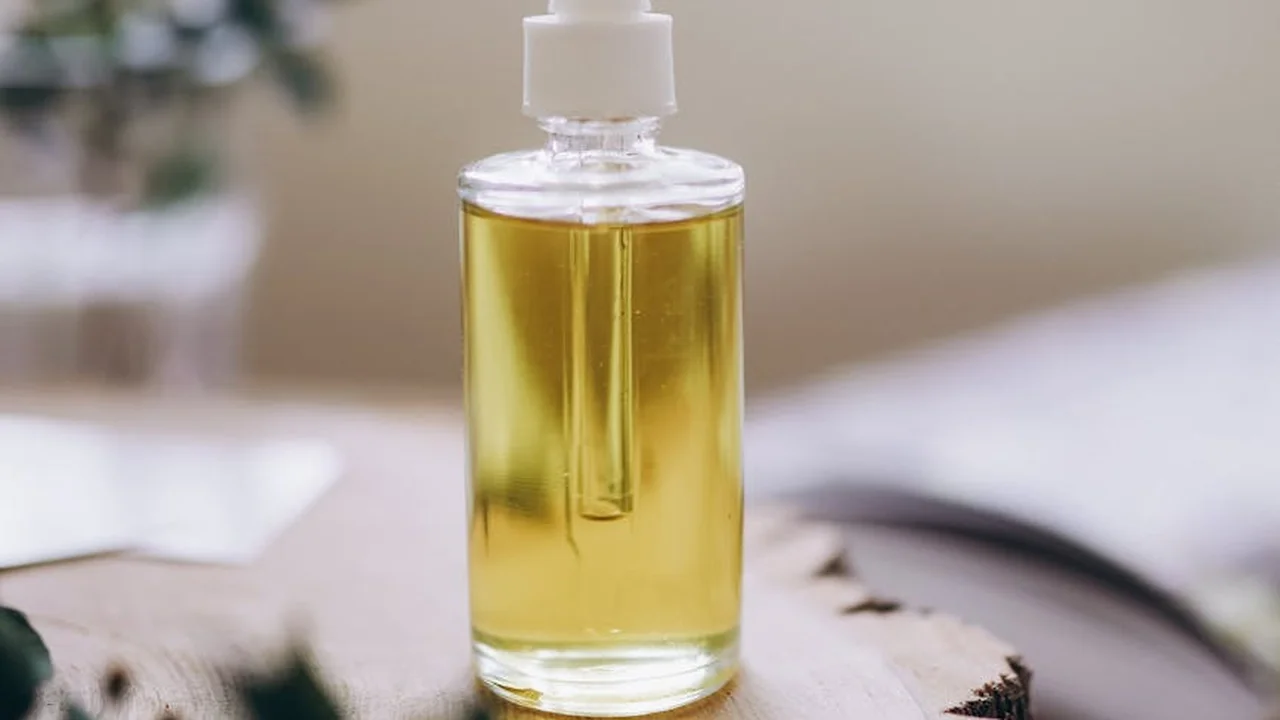
You have two great options for your oregano base. I always reach for fresh sprigs from my patio garden when I can.
Fresh leaves give the oil a brighter, greener aroma that I prefer for home blends. If fresh isn’t available, organic dried oregano leaves work beautifully. Just make sure they are vibrant green, not brown or dusty.
The equipment list is simple. You likely have most of it in your kitchen right now.
- A very clean glass jar with a lid (a pint mason jar is perfect).
- Your chosen carrier oil: extra virgin olive oil or jojoba oil.
- A fine mesh strainer or a few layers of cheesecloth.
- A dark glass bottle (like amber or cobalt) for long-term storage.
Picking your carrier oil depends on your plan for the finished oil. I use olive oil for a more culinary-style preserve, perfect for dressings or rubs. Jojoba oil is my go-to for any oil destined for skin care, as it’s light and absorbs well.
Your Step-by-Step Guide: How to Make Oil from Oregano
This process is wonderfully straightforward. Follow these steps for a successful infusion you’ll be proud to keep on your shelf.
Step 1: Preparing Your Oregano
If using fresh oregano, give the sprigs a gentle rinse and pat them completely dry. Any water left can spoil your oil.
Next, gently bruise the leaves to help them release their aromatic oils. You can use a mortar and pestle or just roll them between your clean palms. You’ll smell that wonderful, spicy scent immediately.
For dried oregano, simply ensure your jar is big enough so the leaves can be fully covered by oil with room to swirl.
Step 2: The Simple Infusion Process
Place your prepared oregano in the clean jar. Pour your chosen carrier oil over it slowly, making sure every leaf is submerged. Leave about an inch of space at the top of the jar.
Now, you choose your method. The solar method is easy: seal the jar and place it on a sunny windowsill for 2-3 weeks, giving it a gentle shake daily.
I prefer the gentle warm method for a deeper, more robust infusion. It’s faster, and I feel it pulls more of the plant’s goodness into the oil.
- Seal your jar of oil and herbs.
- Place it in a small saucepan with a few inches of water.
- Warm the water on the lowest stove setting for 2-3 hours. Do not let it simmer or boil.
- Remove the jar and let it cool completely on the counter.
Your oil is ready when it has a warm greenish-gold tint and the room fills with the scent of oregano when you open the jar.
Step 3: Straining and Storing Your Creation
This step is key for a long-lasting, mold-free oil. Strain the oil through your fine mesh strainer or cheesecloth into a clean bowl.
Press gently on the herbs to get every last drop of infused oil out.
For a perfectly clear oil, I use a paper coffee filter inside my strainer as a final filter. It takes a little longer but catches all the fine sediment.
Immediately pour your beautiful finished oil into a dark glass bottle. Label it with “Oregano Infused Oil” and the date.
Store your bottle in a cool, dark cupboard. Properly made and stored, it should keep well for about a year.
Putting Your Homemade Oregano Oil to Use
That golden oil you made is a versatile friend. Here are my favorite ways to use it, always starting with a gentle hand.
For Skin and Topical Care
This infused oil can be a helper for occasional skin concerns. I use it for minor blemishes that pop up.
The key is to always dilute it in a neutral carrier oil. This makes it safe for your skin.
My go-to dilution is 1 teaspoon of your oregano-infused oil mixed into 1 tablespoon of a light carrier oil like jojoba or sweet almond. For other oils, such as tea tree, see how to properly dilute and use them.
Jojoba is my favorite for this because it mimics our skin’s natural oils. It just feels right.
Before you use any new mix on your skin, you must do a patch test. Apply a tiny dab to the inside of your wrist or elbow.
Wait 24 hours. If you see any redness or feel itching, wash it off and don’t use that blend.
I keep a small roller bottle of this diluted oil in my apothecary for quick spot treatment. It has that familiar, pungent oregano smell that reminds me of my garden.
For Seasonal Wellness Support
When the air gets chilly, this oil can be a comforting part of your routine. I reach for it to clear my head.
For a stuffy nose or a tickly cough, steam inhalation is wonderfully simple. Fill a bowl with hot water and add 3-4 drops of your infused oregano oil.
Drape a towel over your head, lean over the bowl (not too close), and breathe in the warm, herbal steam for a few minutes.
It feels like opening a window in a stuffy room. Just keep your eyes closed, as the vapor can be strong.
Some people ask about using it for ear discomfort. This requires extreme caution.
You should never, ever put oregano oil inside the ear canal. If used at all, it is only for gentle massage around the outer ear, heavily diluted, and only after talking to your doctor.
I always advise a professional opinion for ear issues. It’s just not a place for experimentation.
For a Clean, Fresh Home
Oregano’s properties make it a great base for natural cleaning. I use it to wipe down my kitchen counters.
It leaves a clean, herbaceous scent instead of a chemical one. Here’s my basic all-purpose spray recipe.
- 1 cup white vinegar
- 1 cup water
- 2 teaspoons of your homemade oregano-infused oil
Shake it well in a spray bottle before each use. The vinegar smell fades fast, leaving a fresh scent.
This mix is perfect for cutting through grease on stovetops or freshening bathroom surfaces.
I have a labeled bottle under my sink. It makes cleaning feel more like a simple kitchen task than a chore.
Safety First: Dosage, Dilution, and When to Avoid It
Working with potent plant oils means respecting their strength. Your safety is the most important part.
Let me be very clear: I do not recommend taking your homemade oregano oil internally. Determining a safe homemade oregano oil dosage for ingestion is not something to do without guidance from a qualified herbalist or doctor. Proper usage and dosage are crucial for safety.
For topical use, always dilute. Here is a simple guide to keep in mind.
| For Adults | Start with a 1% dilution or less. That’s about 1 teaspoon of infused oil per 1 tablespoon of carrier oil. |
| For Children & Sensitive Skin | Extra caution is needed. Use a much weaker dilution (0.5% or less), or avoid use altogether. Always consult a pediatrician first. |
So, how do you dilute oregano oil for topical use? It’s easy. If your carrier oil bottle has a dropper, here’s a concrete example.
For a 1% dilution in 1 tablespoon (about 15 ml) of jojoba oil, you would add roughly 3 drops of your infused oil. Always start with less oil to see how your skin reacts, especially when mixing with carrier oils.
There are specific times to avoid using this oil topically. Please skip it if you are:
- Pregnant or breastfeeding
- Have very sensitive or broken skin
- Scheduled for surgery soon
Listen to your body. If a dilution feels too warm or irritating, wash it off with soap and water. Using these oils is about gentle support, not pushing through discomfort.
Other Methods and Alternatives

First, let’s be clear about what you’ve made. This guide creates a gentle, herb-infused oil.
True oregano essential oil is made differently. It requires steam distillation. This process uses pressurized steam to pull the volatile compounds from the plant. It’s a complex lab procedure needing special equipment. I’ve tried small home kits, but getting a pure, consistent oil is tricky compared to other methods used for extracting essential oils from plants.
For more potent topical uses, consider a ready-made option. I often recommend a high-quality, pre-diluted oregano essential oil blend from a reputable brand for more targeted applications. Look for one in a carrier oil base, ready for safe skin use.
You can also explore other gentle infused oils. Thyme or rosemary from your garden make excellent alternatives. On my own shelf, I have a jar of rosemary-infused olive oil. It has a crisp, pine-like scent and works beautifully in scalp treatments.
Homemade vs. Store-Bought: What to Expect
Your homemade infused oil and a bottle of essential oil are not the same. Knowing the difference keeps you safe and sets realistic expectations.
Your homemade oil is milder. It carries the herb’s benefits in a gentle, oily base. It has a shorter shelf life, about six months. I find it best for simple topical dilutions and adding to homemade surface cleaners. The scent is herbaceous and warm, not sharp.
Store-bought oregano essential oil is incredibly concentrated. It requires precise dilution in a carrier oil, and it is potent for aromatherapy diffusion. Just one drop can fill a room with its spicy, camphorous aroma. Never ingest essential oils without direct guidance from a qualified professional.
So, which one should you choose? If you want a simple, safe project for general wellness use, your homemade oil is perfect. If you need powerful aromatic support or a highly concentrated ingredient for specific recipes, a professionally distilled oil is the tool for the job. Both are valuable. I use and love both in my daily routine.
Common Questions
Can I take my homemade oregano oil internally?
I don’t recommend internal use of your homemade infusion. For any internal application, please consult directly with a qualified healthcare professional or clinical herbalist for safe, personalized guidance.
I’m new to herbal oils. What’s the safest way to start using it topically?
Always begin with a patch test on a small area of skin, then use a gentle 1% dilution (about 1 tsp infused oil per 1 tbsp carrier oil). This lets you see how your skin responds before wider use.
Does using fresh or dried oregano change the oil’s shelf life?
Yes, it can. An infusion made with thoroughly dried herbs generally has a longer, more stable shelf life because all moisture-which can lead to spoilage-has been removed.
Can I use a different carrier oil, like coconut or almond oil?
Absolutely! Jojoba and olive oil are my go-tos, but fractionated coconut or sweet almond oil are excellent skin-friendly choices. Just ensure any oil you use is fresh and of high quality. Jojoba oil shines for face, hair, and scalp care. It’s a versatile, gentle option for daily routines.
Bottling Your Own Herbal Wisdom
The most important step is always dilution. Respecting the potency of your homemade oil by mixing it with a carrier ensures it’s a safe, effective remedy, not an irritant. Starting with fresh, dry oregano and a quality carrier oil lays the foundation for a potent batch you’ll actually want to use.
I encourage you to try this project and see what other herbs on your windowsill could become a trusted oil on your shelf. Trust the process, trust your senses, and you’ll build a personal apothecary that truly supports your wellness at home.
Expert Resources and Citations
- Homemade Oregano Oil Recipe – Good Food Baddie
- How to Make and Take Oregano Oil
- How to make Oregano Oil at home – SimplyBeyondHerbs
- How to Make Oregano Oil at Home with 2 Simple Ingredients
- How to Make Homemade DIY Oregano Oil Recipe –
- How to Make Oregano Oil: Discover the Process in 6 Steps – Rocky Mountain Oils
Noemi Kamińska
Noemi is an accomplished wellness researcher, nutrition care guide and body care expert. She has years of experience in formulating various oil combinations for full body wellness including face, hair, body care, essential oils and cooking oils. She works as a bio-formulator working with oil chemistry and analyzing the best formulations when it comes to your needs. Feel free to reach out to get your oil needs sorted.