
Do Essential Oils Expire? Myth vs. Fact on Shelf Life and Storage
If you’ve ever hesitated before using an older bottle from your collection, you’re not alone. From my own apothecary shelf, I can tell you that most oils have a surprisingly long life when you know how to care for them.
I’ll walk you through exactly what makes an oil last, blending practical advice with what I’ve seen in my daily practice.
- The common misconception that all oils expire quickly
- How factors like scent and color actually indicate quality
- Simple, effective storage habits I use in my own home
- When it’s truly time to let a bottle go
The Simple Truth About Essential Oils and Time
Do essential oils have an expiration date? Not in the way a carton of milk does.
They don’t spoil and become unsafe overnight. Instead, they slowly oxidize. This process breaks down their delicate aromatic compounds. The result is an oil that loses its therapeutic potency and its beautiful, complex scent over time.
The method used to pull the oil from the plant, often called its expression or extraction, plays a role. For instance, citrus oils are often cold-pressed from the rind, which makes them more fragile. But the extraction method alone doesn’t tell you everything about shelf life. A steam-distilled lemon oil will still fade much faster than a steam-distilled cedarwood oil.
Think of an old bottle of oil like that jar of paprika sitting in the back of your spice cabinet for years. It hasn’t “gone bad,” but it’s lost its vibrant color and punchy flavor. It’s just a faded version of its former self.
What Really Determines an Oil’s Shelf Life?
Shelf life varies dramatically from oil to oil. A bottle of lemon and a bottle of sandalwood, bought on the same day, will age at completely different rates, especially compared to olive oil.
Three main things decide how long your oil stays vibrant: its innate chemical makeup, the quality of the oil when you bought it, and how you store it. Oils high in monoterpenes, like many citrus oils, are highly susceptible to oxidation. A pure, well-sourced oil stored perfectly will always outlast a diluted or old oil kept in a warm, sunny spot.
Essential Oil Stability: A Practical Shelf Life Chart
This chart is a general guide I use in my own practice. It groups oils by their typical lifespan when stored well in a cool, dark place.
| Oil Category | Typical Shelf Life | Common Examples |
|---|---|---|
| Citrus & Some Light Oils | 1-2 Years | Lemon, Sweet Orange, Grapefruit, Bergamot, Lime |
| Light Florals & Herbaceous Oils | 2-3 Years | Lavender, Tea Tree, Peppermint, Rosemary, Eucalyptus |
| Resinous, Woody, & Root Oils | 3-4+ Years | Sandalwood, Cedarwood, Patchouli, Vetiver, Frankincense, Myrrh |
Citrus and Other Short-Lived Oils
These are the fastest to change. Their bright, uplifting scent comes from compounds that are eager to react with oxygen. You’ll know a citrus oil is past its prime when its scent shifts from sharp and joyful to vaguely sweet, flat, or even slightly waxy.
This is often linked to their common extraction method. The cold-pressing process used for most citrus peels doesn’t remove certain compounds that can accelerate oxidation. This is a key reason why “essential oils expression” matters for understanding their care.
Sturdy Resins and Woods
These oils are the long-keepers in my apothecary. Their molecules are heavier, larger, and more stable. My bottle of vetiver essential oil, for example, is a thick, syrupy root oil that seems to get richer and earthier with age, much like a fine whiskey.
Oils like vetiver, patchouli, and frankincense have such a slow oxidation rate that they can remain usable for many years, often becoming more nuanced with a little age. They form the deep, anchoring base notes in my blends and are some of the last oils I worry about replacing.
How to Tell If Your Essential Oil Has Gone “Off”
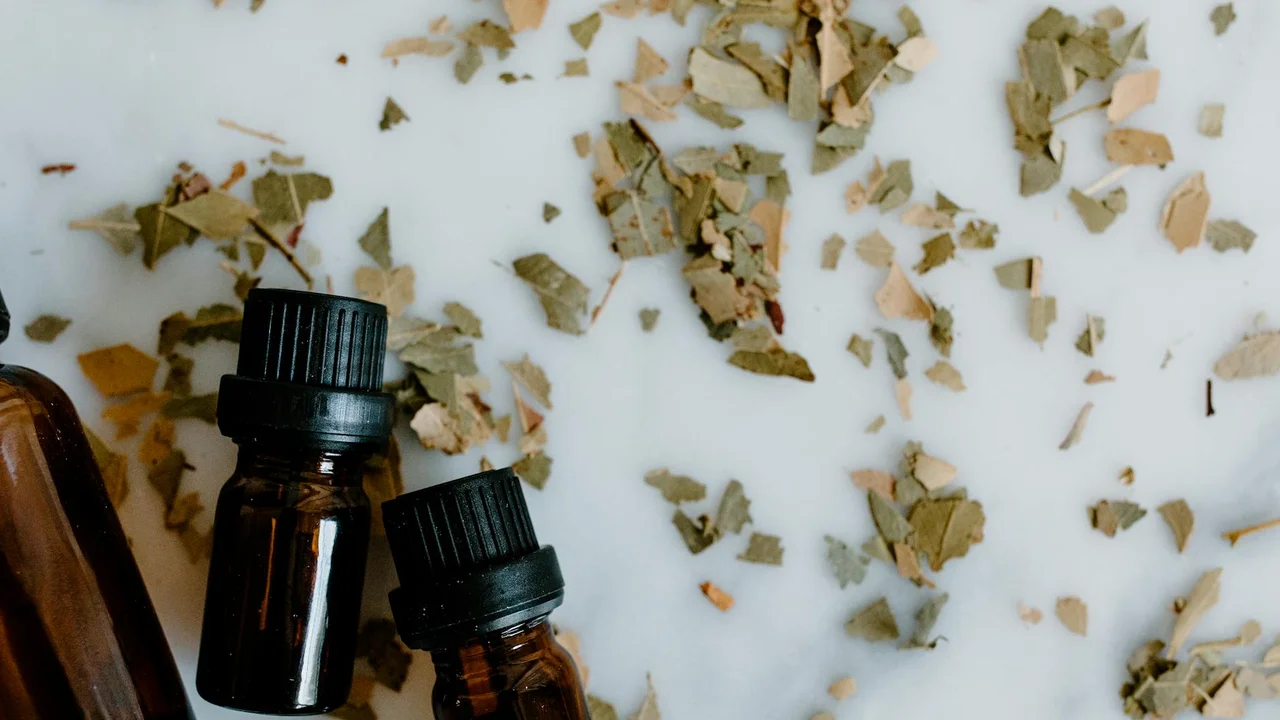
Think of this as a simple health check for your oils. It’s not about worry, it’s about using your senses to understand what’s in your bottle. I do this with my own collection a few times a year. Here are the four checks, in order.
The Sniff Test: Your Nose Knows Best
Your nose is your most reliable tool. A fresh, high-quality essential oil has a vibrant, complex, and clear aroma. When an oil oxidizes, that character changes.
It might smell strangely sharp, like turpentine, or it can become dull and flat. A citrus oil that once smelled like a zesty peel might now just smell waxy and weak. If the scent has lost its depth and smells “off” or chemically to you, trust that instinct.
The Look and Feel Tests: Viscosity and Color
First, feel. Gently roll the bottle in your hands to warm the oil slightly, then observe how it flows. This is your liquidity test.
A fresh oil moves with a consistent viscosity. Some oxidized oils, like pine or frankincense, can become thick, sticky, or even cloudy. If it flows more like syrup than a liquid, it’s a strong sign of degradation.
Next, look. Color changes can be tricky. Some oils, like patchouli or sandalwood, naturally deepen beautifully with age like a fine whiskey. But a clear oil turning yellow, or a pale oil becoming murky brown, usually signals it’s past its prime.
Your Best Storage Practices for Lasting Potency
Prevention is everything. By adopting a few simple habits, you can dramatically extend the life and power of your oils. These are my non-negotiable best practices for preserving potency, straight from my own apothecary shelf.
Tools Needed for Proper Storage
Gathering the right tools makes good storage automatic. Here is what you need:
- Dark glass bottles (amber or cobalt blue).
- Tight-fitting caps, preferably with a secure seal.
- A dedicated storage box, tin, or drawer.
- Labels and a permanent marker for dating.
The Golden Rules: Cool, Dark, and Sealed
Heat, light, and air are the three enemies of essential oil stability. This is why your sunny kitchen windowsill or warm, steamy bathroom cabinet is the worst place for them.
Store your oils in a consistently cool, dark place, with the caps screwed on tightly. I use a wooden box in my bedroom closet, away from heating vents. A drawer in a cool, dark room works perfectly—especially for coconut and olive oils that can degrade when exposed to warmth or light.
Common Mistakes and How to Avoid Them
Even with good intentions, it’s easy to make small errors. Here are the big ones I see.
- Leaving caps off: Never leave the bottle open while you diffuse or blend. Recap it immediately after each use.
- Using plastic droppers: Essential oils break down certain plastics, contaminating your oil. Use only glass droppers.
- Storing in direct light: Even a clear glass bottle on a shelf can degrade oil over time. Keep them in the dark.
- Topping off old oil: Never pour new oil into an old, partially used bottle. The old, oxidized oil will speed up the degradation of the fresh batch.
- Reusing dirty bottles: If you clean and reuse a bottle, wash it thoroughly with hot soapy water and let it dry completely to avoid cross-contamination.
Safety, Use, and Knowing When to Let Go
I get this question a lot. Are old oils dangerous?
The biggest risk is to your skin, not your overall health. An oil that has oxidized can become a skin irritant, causing redness or a rash even if it never did before. The chemical structure changes, and your skin may not like it.
For wellness uses, like easing tension or supporting sleep, an expired oil simply won’t work as well. The vibrant, therapeutic compounds degrade. The lavender on my shelf that now smells vaguely like camphor won’t bring the same calm it once did.
Using Older Oils Safely Around the Home
Don’t just pour them out. You can give them a dignified second life in your household routines.
My favorite use for a fading citrus or pine oil is in a simple all-purpose cleaner. I keep a glass spray bottle under my sink just for this.
Here is my basic recipe:
- Fill a 16-ounce glass spray bottle with 1.5 cups of water.
- Add ½ cup of white vinegar or rubbing alcohol.
- Add 15-20 drops of your older essential oil.
- Shake well before each use.
You can also add a few drops to wool dryer balls to scent laundry, or place a drop on a piece of cardboard for the inside of a trash can. Always dilute them, even for cleaning, to protect surfaces and your respiratory system. For tea tree oil, always dilute before applying to skin, hair, or home products. Doing so minimizes irritation and makes it safe for skin, hair, and household use.
When to Seek Professional Advice
If you are unsure about using an older oil on your skin, or if you have specific health concerns or take medications, talk to a certified aromatherapist. For sensitive skin, consider the best carrier oils and a safe blending guide to help you choose gentler options. This can help you tailor a routine that feels more comfortable.
They can provide personalized guidance that a general article cannot.
Trust your senses and your skin above all else. If an oil looks cloudy, feels sticky, or causes any tingling or redness in a patch test, let it go. The same is true if the scent is just “off.” Your bottle of tea tree should not smell sweet.
When in doubt, discard it. It is better to miss an oil than to deal with a skin reaction.
Common Questions
What does “expression” mean for essential oils?
Expression, or cold-pressing, is a mechanical method used primarily for citrus oils, where oil is squeezed from the rind. This method yields a beautiful, bright oil that is also more fragile and has a shorter shelf life than many steam-distilled oils. So why go to all that trouble?
How do I use a shelf-life chart for the oils I own?
Use the chart as a general guide, but always let your senses have the final say. An oil stored perfectly may outlast its category, while one exposed to heat and light may degrade much sooner.
Should I look for an expiration date when buying oils?
Reputable brands often provide a batch date or a “best by” date, which is a helpful starting point. Your best guarantee of longevity, however, is purchasing pure, high-quality oils from trusted sources and storing them correctly from day one. This is especially important for botanical oils used for body care and culinary purposes.
Is it necessary or beneficial to refrigerate my essential oils?
Refrigeration isn’t required for most oils and can cause condensation inside the bottle. Simply storing them in a cool, dark drawer or cabinet is the most practical and effective method for preserving their potency. Some oils—such as olive oil or coconut oil—may have storage nuances that differ from essential oils, which are particularly sensitive to light and air. This is why storage guidelines can vary by oil type when choosing the best storage method by oil.
Can I use an expired oil if I’m not applying it to my skin?
Yes, oils that have lost their therapeutic vibrancy can find a wonderful second life in homemade cleaning products or to scent a room. Always ensure proper dilution, even for these household uses.
Your Oils, Timeless and Treasured
Think of your essential oils not as items with a strict expiration date, but as living botanical essences that evolve. The single most important thing you can do is store them with intention-cool, dark, and tightly sealed-to honor their vitality for years.
I invite you to explore more here on Botanical Oils as you continue crafting your routines for body, skin, and home. As you explore, consider how rosehip oil and other botanical face oils can fit into your daily skincare routine. Trust your senses, apply what you’ve learned, and you’ll develop a confident, personal relationship with every bottle in your care.
Noemi Kamińska
Noemi is an accomplished wellness researcher, nutrition care guide and body care expert. She has years of experience in formulating various oil combinations for full body wellness including face, hair, body care, essential oils and cooking oils. She works as a bio-formulator working with oil chemistry and analyzing the best formulations when it comes to your needs. Feel free to reach out to get your oil needs sorted.