
How Do You Cleanse Your Skin and Hair with Specific Oils?
That initial doubt about using oil to wash your face or hair is completely normal. I had it too, until I found that the right oil blend from my apothecary shelf left my skin clearer and my hair softer than ever.
You can master a simple oil cleansing routine that feels nurturing and gets results.
- Picking the perfect carrier and essential oils for your needs
- My step-by-step method for facial oil cleansing
- Adapting the technique for different hair types and textures
- Mixing your own personalized cleansing oil blend
What is Oil Cleansing and Why Does It Work?
Think of oil cleansing as inviting a friend over. Oil on your face meets the oil in your cleanser. They recognize each other.
The basic rule is simple: like dissolves like. The plant oils you massage onto dry skin gently latch onto your skin’s natural sebum, sunscreen residue, and makeup. They loosen everything up so it can be easily wiped away.
This is very different from many soap-based cleansers. Soaps often work by stripping all oils away, which can leave your skin feeling tight and squeaky-clean. That tight feeling is a sign your skin’s barrier is stressed. It might then overproduce oil to compensate.
A proper oil cleanse leaves your skin feeling plump and soft, never tight or stripped. It’s a gentle reset. My skin always feels calm and supple afterward, like I’ve given it a drink of water.
For hair, we use a similar principle but call it a “pre-poo” or pre-shampoo treatment. Applying oil to your hair and scalp before washing is primarily for moisturizing and protecting, not cleansing. It helps prevent the shampoo from stripping your hair too harshly, keeping curls defined and ends happier. This also ties into the question of the best application methods for hair oils to maximize growth and shine. Using the right amount and distributing it evenly can make all the difference.
Before You Start: When Oil Cleansing Isn’t Right
While I love this method, it’s not a universal fix. Listen to your skin first. If you have specific active conditions, hold off.
I don’t recommend starting oil cleansing during a severe rosacea flare, or if you have active, inflamed fungal acne (often small, uniform bumps). The rich environment can sometimes feed yeast. Also, avoid it if you have open wounds or broken skin.
Always do a patch test, especially if your skin is sensitive or reactive. Mix a small amount of your chosen oil blend and apply it to the inside of your elbow or behind your ear. Wait 24 hours. If you see redness, itching, or swelling, wash it off and try a different oil.
Check your carrier oils for nut allergies. Sweet almond, apricot kernel, and argan oil are derived from tree nuts. If you have a known allergy, opt for seed oils like sunflower, hemp seed, or jojoba (which is actually a liquid wax). The bottle on my shelf is always clearly labeled.
It’s perfectly okay if oil cleansing isn’t for you. It’s one tool in a big toolbox, not a cure-all. Some of my clients adore it, and others prefer a simple cream cleanser. Your routine should make you feel good.
Your Botanical Toolkit: Choosing Oils for Cleansing
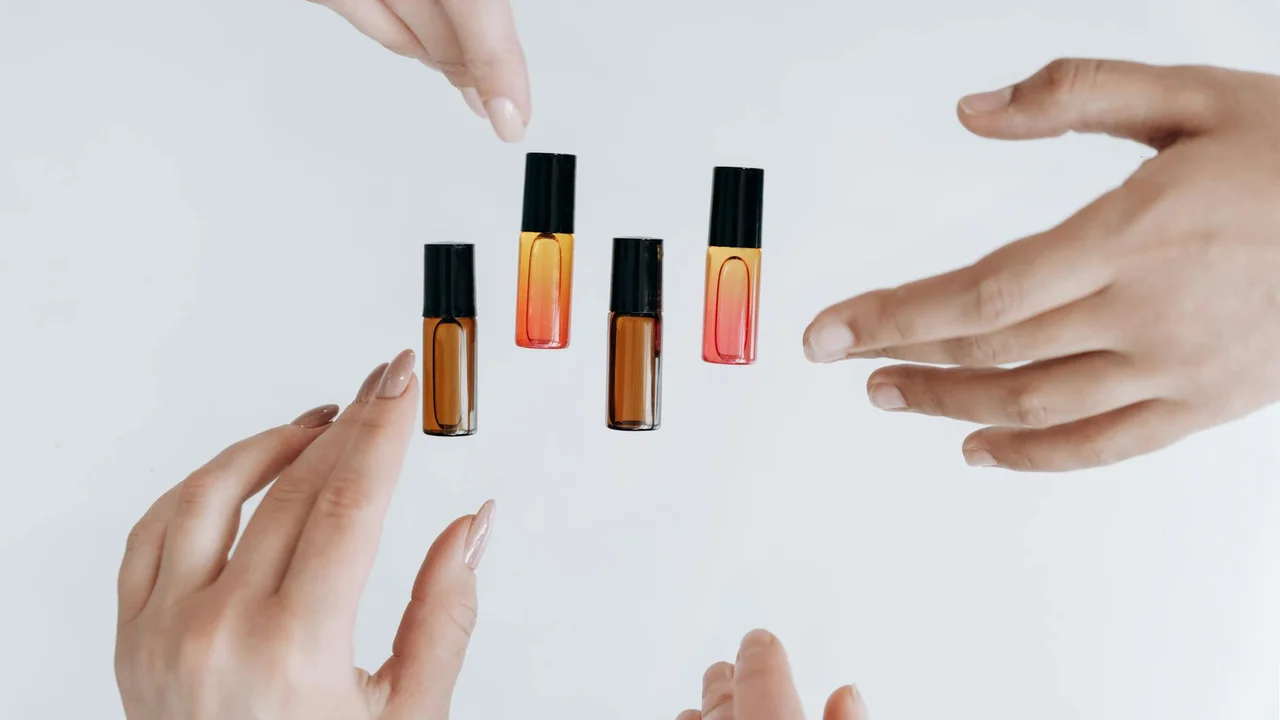
Think of this less like shopping and more like building your own small apothecary shelf. You only need a few key bottles to start.
Carrier oils are your base. I choose them by their weight and how likely they are to clog pores, which we call the comedogenic rating. That insight helps us pair carrier oils with essential oils, considering which ones are more or less comedogenic. We’ll explore exactly which oils tend to clog pores next.
Light, thin oils sink in fast. They are perfect for oily or acne-prone skin. My bottle of grapeseed oil feels like a silky slip on the skin. Hemp seed oil is another great light choice that balances oil production.
Rich, thick oils feel more luxurious and nourishing. They are my go-to for dry or mature skin. Avocado oil is deeply moisturizing, like a drink of water for your face. Olive oil, a kitchen staple, is a classic, soothing cleanser.
Essential oils are for scent and an extra boost. A single drop of lavender can calm your mind while you massage. Always dilute essential oils in a carrier oil, aiming for just 1 to 2 drops per teaspoon of carrier oil to keep your skin safe.
Let’s talk about a special one: alsi oil, also known as flaxseed oil. It has a unique, slightly sticky quality that forms a smooth film. I find it wonderful for adding slip and sealing in moisture, especially in a hair oil blend or on very dry skin patches.
A Simple Guide to Making Your Own Cleansing Oil
Making a cleansing oil is simple. You really only need two ingredients.
Here is my basic, favorite recipe. It works for most skin types.
- 90% of a carrier oil of your choice (like grapeseed or jojoba)
- 10% of a cleansing oil like castor oil, which helps draw out impurities
Gather a clean, dark glass bottle to protect the oils from light and a small funnel. Mix them together right in the bottle and shake gently.
For a fresh, herbaceous scent, I sometimes add one drop of rosemary essential oil. For a calming evening blend, I use a drop of lavender.
Remember, homemade blends do not have commercial preservatives. Make small batches and use them within a few months, keeping an eye (and nose) out for any changes in smell.
How to Use Your Cleansing Oil on Your Face
This routine is a moment of calm. Start with completely dry hands and a dry face.
Pour a coin-sized amount of oil into your palms. Warm it by rubbing your hands together. Then, gently press and smooth the oil all over your dry face and neck.
Now, massage. Use the pads of your fingers in slow, upward circles. Take your time. This is not a scrub. For oily skin, I keep this massage brief, just a minute, to avoid overstimulation.
This gentle, consistent massage with your cleansing oil can help soften the look of sebaceous filaments, those tiny dots on your nose and chin. Be patient. It is about care, not force.
The magic finish is a warm cloth. Soak a soft washcloth in warm water, wring it out, and lay it over your face. Let the steam open your pores for a few seconds. Then, gently wipe all the oil away. Your skin will feel clean, soft, and never tight.
How to Use Oils on Your Body and Hair
For rough, dry skin on your body, try an oil treatment before your shower. Massage a plain oil like sunflower or almond oil onto dry skin, let it soak in for 10 minutes, then step into your shower and cleanse as normal.
For your hair, “pre poo” simply means applying oil before you shampoo. Take a light oil like coconut or almond and comb it through your dry, unwashed hair, focusing on the ends. Wrap it up, leave it for 20 minutes to an hour, then shampoo twice to wash it out.
Heavy coconut oil is my pick for deep conditioning dry, thick hair, while a few drops of light argan oil smoothed on after washing adds brilliant shine without weight.
Hair oiling gives your strands a burst of moisture and protection. It is a treatment, not a replacement for your regular shampoo routine.
Fixing Common Hiccups: Your Troubleshooting Guide

Starting something new can feel a little bumpy. If your first try with oil cleansing isn’t perfect, don’t worry.
You can fix most issues with a small tweak.
Problem: “My Skin Feels Greasy.”
This usually means you are using too much oil or the wrong kind.
Start with a dime-sized amount of cleanser; a little goes a long way on damp skin. If you still feel a film, your carrier oil might be too heavy.
I found my own skin prefers jojoba or grapeseed oil over thicker coconut oil for cleansing. Lighter oils rinse away cleanly.
Problem: “I’m Getting Breakouts.”
Pay close attention here. First, check your oil.
Some oils, like coconut oil is comedogenic and can clog pores. Swap it for a non-comedogenic oil like sunflower or hemp seed.
Second, and this is key, you must remove the cleansing oil completely. A warm, wet cloth and a gentle second cleanse make all the difference.
Problem: “My Hair is Limp or Greasy.”
This is a classic sign of using too much product. Hair oil is not a leave-in conditioner.
Use just a few drops. Focus only on your mid-lengths and ends, never the scalp.
When you wash, shampoo twice. The first wash breaks up the oil, and the second cleans your hair and scalp. My go-to is a gentle sulfate-free shampoo for this.
A Quick Note on “Purging”
Let’s clear this up. The idea of your hair “purging” toxins when you start oiling is a myth.
For skin, a true purge from accelerated cell turnover is rare with oil cleansing and would be brief. If you get new, painful bumps that last, it’s likely a reaction.
Listen to your skin. It usually tells you what it needs.
What to Look For: Recommended Product Types
Walking down the oil aisle can be overwhelming. Keep your choices simple and smart.
For Skin Cleansing: Pre-Mixed Oils
If DIY isn’t your thing, a good pre-mixed cleansing oil is wonderful.
Look for a short list of ingredients you can pronounce, like caprylic/capric triglyceride (from coconut), sunflower oil, or jojoba oil. I keep one of these in my shower for quick, effective makeup removal.
Avoid long lists with synthetic fragrances or mineral oil.
For Carrier Oils: Pure and Simple
When buying a single oil to use or mix yourself, quality matters.
Choose oils labeled “100% pure,” “cold-pressed,” or “unrefined.” They retain more nutrients.
Always buy oils sold in dark glass bottles (amber or cobalt blue); light degrades oil quality quickly. Store them in a cool, dark cupboard, not on a sunny windowsill.
For Hair: Lightweight Blends
Hair oil blends can be great, but check the base.
Seek out blends that use lightweight, penetrating oils like argan, baobab, or marula as their first ingredient.
These absorb well without just sitting on top of your hair. I tend to avoid blends where heavy butters or silicones are listed first.
The Golden Rule
With all of this, remember one thing.
The very best oil product is the simplest one you will use consistently. A single, high-quality bottle of jojoba oil you use every week is far better than a cabinet full of fancy blends you never touch. It’s a versatile option for face, hair, and scalp care, offering simple, effective uses that can fit into any routine.
Start with one thing. Get to know it. Let your routine grow from there.
Your Questions, Answered
My skin is already oily. Won’t adding more oil make it worse?
It sounds counterintuitive, but using a light, non-comedogenic oil like grapeseed or jojoba can actually signal your skin to produce less sebum. The key is a brief massage and thorough removal to clear pores without stripping your skin’s barrier.
Is oil cleansing the same as the “double cleansing” method?
Oil cleansing is often the perfect first step in a double cleanse. Your cleansing oil dissolves makeup and sunscreen, which you then wipe away. Following with a gentle, water-based cleanser ensures any last traces are removed for a perfectly clean canvas.
Can I use oil cleansing if I have sensitive or rosacea-prone skin?
Yes, with careful oil selection and a patch test. Opt for ultra-soothing, high-linoleic oils like sunflower or hemp seed, and avoid any essential oils. Always use a very soft cloth and pat gently-never scrub-when removing the oil.
How often should I practice oil cleansing?
Most people find once daily, typically in the evening, is ideal. Listen to your skin; if it feels balanced, you can use a gentle cream or water-based cleanser in the morning. For hair, a pre-shampoo oil treatment is best done once a week. Some people apply hair oil before shampoo as a pre-wash treatment, while others apply a small amount after washing as a leave-in. The best approach can vary by hair type and personal needs.
If I oil my hair before washing, do I need to change my shampoo?
You don’t need a new shampoo, but a double shampoo is essential. The first wash breaks up the treatment oil, and the second cleanses your scalp and strands. A gentle, sulfate-free shampoo works beautifully for this without over-drying.
Final Thoughts on Cultivating Your Routine
Start with patience and a single oil. Listen to what your skin and hair tell you over a week, not just a day, and you’ll learn more than any guide can teach you. That slow, observant practice is the true foundation of any ritual that lasts.
I hope you feel equipped to begin. Trust what you learn here, and trust what you learn from your own hands; the best routines in my own apothecary were built that way.
Noemi Kamińska
Noemi is an accomplished wellness researcher, nutrition care guide and body care expert. She has years of experience in formulating various oil combinations for full body wellness including face, hair, body care, essential oils and cooking oils. She works as a bio-formulator working with oil chemistry and analyzing the best formulations when it comes to your needs. Feel free to reach out to get your oil needs sorted.