
What Are the Safest Carrier Oils for Sensitive Skin?
I see you, cautiously reading labels, hoping your next blend won’t lead to stinging or redness. Having worked with botanical oils for years, I can assure you that calm, effective options are waiting in your cabinet.
This guide will show you how to choose and mix carriers that nourish without irritation.
- Key properties that make an oil truly gentle
- My tested, step by step method for safe blending
- The specific oils I always keep on my shelf for reactive skin
Key Takeaways: Your Safe Skin Oil Checklist
Here are the most important things to remember.
- Begin with the gentlest oils. Jojoba and apricot kernel are my top recommendations for their mild, skin-similar nature.
- You must dilute essential oils. Never apply them directly to sensitive skin. A carrier oil is your best friend.
- Patch test every single new blend or single oil. This simple step can prevent days of discomfort.
- Pay attention to how an oil feels. A light, fast-absorbing texture is often more comfortable for reactive skin than a heavy one.
Why Your Sensitive Skin Loves Carrier Oils
Think of a carrier oil as a gentle, nurturing base. It’s a fatty oil pressed from seeds, nuts, or kernels.
Its main job is to safely dilute powerful essential oils, making them suitable for your skin while delivering its own deep moisture.
For sensitive skin, this is a game-changer. These oils create a soft, protective barrier. This barrier helps shield your skin from irritants while sealing in hydration, which naturally calms that reactive feeling.
Let’s be clear: essential oils are potent plant extracts, not moisturizers. Applying them straight to sensitive skin often leads to redness or a burning sensation. The carrier oil tames that intensity.
You’ll also choose between refined and unrefined oils. Refined oils are odorless and have a longer shelf life, which is great if scents bother you. Unrefined oils retain more natural nutrients and have a distinctive, nutty aroma. I keep both types on my shelf for different purposes.
Finding Your Oil Match: A Guide for Skin Concerns
Think of this as your quick reference chart. You can match a specific oil to your skin’s current need.
The best carrier oil for eczema or dermatitis is often one high in linoleic acid. This fatty acid helps repair the skin’s barrier. Oils like evening primrose and high-linoleic safflower oil are my first reach for calming those rough, itchy patches. These linoleic-acid-rich oils also support skin barrier function and overall health. We’ll cover which oils are richest in linoleic acid in the next steps.
For dry, flaky skin, richer oils like avocado bring deep moisture. I use it like a treat. To avoid clogging pores, I blend a few drops of avocado oil into a lighter one, like jojoba. This gives slip without a heavy finish.
Red, inflamed skin or rosacea craves something cooling and fast. Grapeseed oil absorbs almost instantly. It feels like a light, soothing veil. This helps calm the heat without adding a greasy layer that can trap warmth.
For hyperpigmentation and aging skin, look for oils that bring more than just moisture. Rosehip seed oil is my favorite here. It contains natural retinoids and antioxidants. These support skin renewal and help fade dark spots over time, making it one of the best natural oils for fading skin spots.
Got a sunburn? Cool the skin completely with water or aloe first. Then, a light oil like sweet almond can help lock in that moisture. It’s gentle and nourishing on compromised skin.
What About Hair and Body?
These face-friendly oils work wonders elsewhere too. The best carrier oils for hair growth and scalp health are often jojoba or apricot kernel. They mimic scalp oils without clogging follicles. Are these the best natural oils for hair growth health? We’ll explore why in the next section.
Your facial blend can usually go on your body. For very dry elbows or legs, I make a slightly richer body blend with avocado oil. Remember, carrier oils for essential oils are for topical use. You don’t need them in your diffuser.
The Gentle Giants: Best Carrier Oils for Sensitive Skin
These are my most trusted oils. I keep them all on my shelf. Each one has a special talent for soothing fussy skin. I favor hypoallergenic options and always patch test first to stay safe. These practices help me choose the best oils for sensitive skin.
Jojoba Oil
Texture: A unique, liquid wax. Scent: Very mild, nutty. Key Benefit: It balances your skin’s own oil production. Quick Tip: Use it alone as a makeup remover or gentle cleanser.
Why It Works for Sensitivity
Jojoba mimics your skin’s sebum closely. This makes it incredibly familiar and non-irritating. It hydrates without leaving a greasy film, which soothes redness and imbalance. It’s also non-comedogenic, so it doesn’t clog pores. I use it as the main base for almost all my facial blends and scalp treatments.
Apricot Kernel Oil
Texture: Light and silky. Scent: A faint, sweet nuttiness. Key Benefit: Gentle hydration with excellent slip. Quick Tip: It’s the perfect ‘starter oil’ for your first facial massage blend.
Why It Works for Sensitivity
This oil is like a soft hug for your face. It’s rich in vitamins but absorbs easily. Its mild nature makes it a safe choice for diluting essential oils for sensitive facial skin. I recommend it to anyone new to oil blending.
Evening Primrose Oil
Texture: Thicker, more viscous. Scent: Distinct, earthy, and nutty. Key Benefit: Calms inflammation. Quick Tip: Blend it with a lighter oil (like jojoba) to improve spreadability.
Why It Works for Sensitivity
This is a specialist. It’s packed with gamma-linolenic acid (GLA), which is a superstar for calming skin. I use it specifically for soothing eczema flare-ups or hormonal skin tantrums. Because of its thicker texture and stronger scent, mixing it makes it more pleasant to use.
Rosehip Seed Oil
Texture: Dry and fast-absorbing. Scent: Earthy and woody. Key Benefit: Fades scars and evens skin tone. Quick Tip: Apply 2-3 drops over damp skin as a finishing serum.
Why It Works for Sensitivity
Rosehip is a reparative oil. It sinks in quickly and doesn’t sit on the surface. Its natural retinoids and antioxidants support skin healing without harsh side effects. This makes it a gentle ally for addressing hyperpigmentation from old blemishes. Antioxidants in botanical oils help fight aging and skin damage. Rosehip is a prime example of that protective action.
Safflower Oil (High Linoleic)
Texture: Light and watery. Scent: Virtually odorless. Key Benefit: Affordable, effective barrier repair. Quick Tip: A great, simple moisturizer for those reactive to fragrance.
Why It Works for Sensitivity
Don’t let the simple nature fool you. High-linoleic safflower oil is a powerhouse for sensitive skin. It’s incredibly light and non-comedogenic, making it ideal for easily clogged pores. Its lack of scent is a major benefit for anyone whose skin or nose is easily offended. I always have a bottle in my kitchen and my bathroom.
Blending Without Blunders: A Safe Mixing Guide
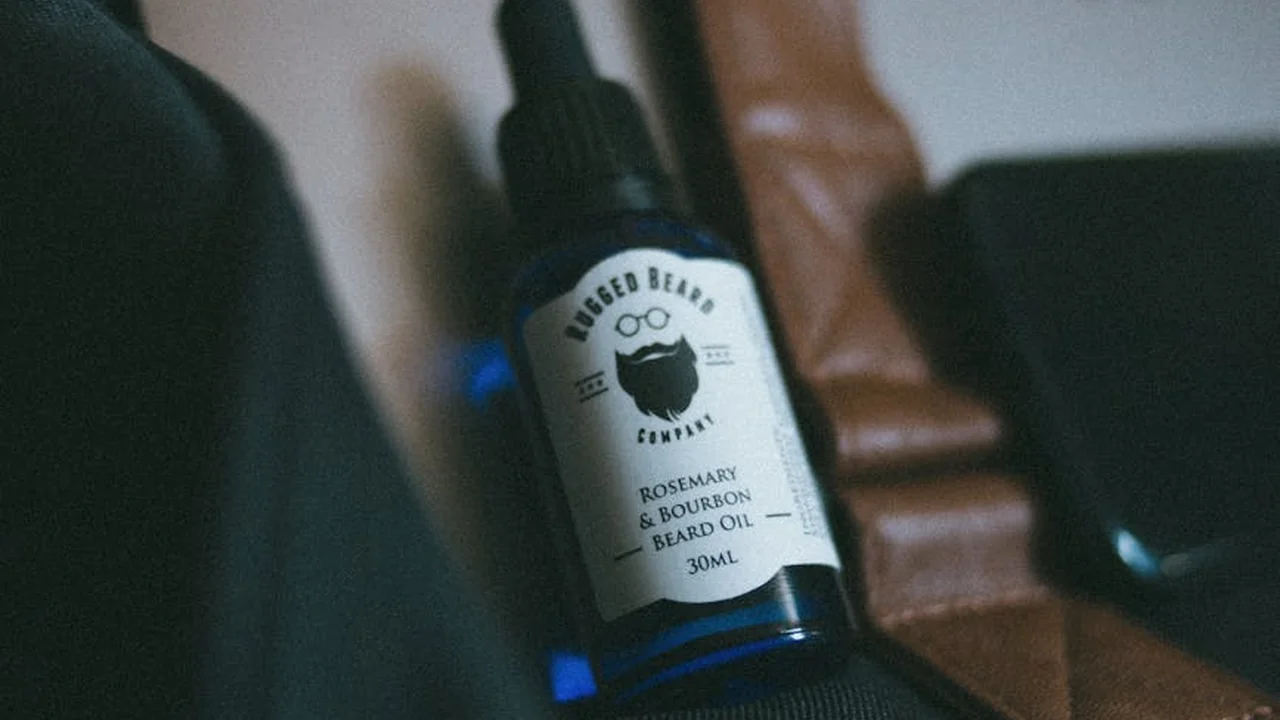
Ready to mix your own? Let’s do it safely. Your first step is not a blend, it’s a test.
- Pick one carrier oil and one essential oil you want to try.
- Mix a single drop of essential oil with a teaspoon of your chosen carrier oil.
- Apply a dime-sized amount of this diluted mix to the inside of your forearm.
- Wait 24 hours.
If the skin stays calm with no redness or itching, you have a green light. If you feel any irritation, wash the area with soap and water. That oil is not for you right now.
This patch test is the most important step you can take for your sensitive skin.
The Golden Rules of Dilution
Essential oils are potent. We always dilute them in a carrier oil to make them safe and gentle for skin. For sensitive skin, we start at the very bottom. Next, you’ll learn how to mix essential oils with carrier oils for safe and effective body treatments. This guide covers choosing blends that respect sensitive skin and deliver real benefits.
Here is a simple guide. I keep a printed version on my cabinet door.
With sensitive skin, I always begin at the 1% dilution, even for body blends. You can always add a drop later, but you can’t take one out.
Use a glass dropper bottle for mixing. It keeps everything clean, lets you control the drops, and protects your oils from light.
Starting with a low dilution gives your skin a chance to whisper what it needs, not shout in protest.
Simple Starter Recipes to Try
Now for the fun part. These recipes use our top picks and follow the 1% dilution rule for gentleness.
Calming Evening Face Serum
- 1 ounce Apricot Kernel Oil
- 2 drops Lavender essential oil
- 1 drop Roman Chamomile essential oil
Combine in a dropper bottle. Shake gently. Apply 3-4 drops to cleansed skin before bed. It feels like a soft blanket.
Nourishing Dry-Skin Body Oil
- 1/2 ounce Jojoba Oil
- 1/2 ounce Evening Primrose Oil
- 4 drops Frankincense essential oil
Mix in a bottle. After a shower, smooth a small amount onto damp skin. The jojoba mimics your skin, and the evening primrose brings deep comfort.
Soothing After-Sun Cool-Down
- 2 tablespoons Safflower Oil
- 1 drop Lavender or Chamomile essential oil (optional)
Keep this blend in the refrigerator for an hour before use. The cool, light oil takes the heat out of tender skin. The essential oil is optional here-plain safflower works wonders alone.
Storing Your Creations
Good oils deserve good care. Always use dark amber or cobalt glass bottles. They block light that can spoil your oils.
Label every bottle with the date and what’s inside. A simple piece of masking tape works perfectly.
Store your blends in a cool, dark cupboard, not a sunny bathroom shelf. Most will last 6 to 12 months.
Your nose is the best tool to check freshness. If a oil smells sharp, bitter, or like old crayons, it has likely turned rancid and should be replaced.
What Helped Me: Lessons from My Apothecary Shelf
I struggled for years. Every cream, every lotion made my face flush or itch. I felt hopeless. Then, I tried one ingredient: pure, golden jojoba oil. My skin drank it in without a single complaint. That same bottle is still on my shelf today, a humble reminder that simple is often supreme.
Here is what that journey taught me.
Warm the oil between your palms for five seconds before applying. This simple act makes it more welcoming for your skin. Apply to damp skin right after washing. It helps seal in moisture and absorbs beautifully without a greasy feel.
Be mindful of other popular options. Coconut oil is a favorite, but it can clog pores on some faces. For facial blending, apricot kernel oil is my safer, more reliable choice.
Always remember nut allergies. Sweet almond oil is lovely, but if you have a known tree nut allergy, avoid it. Sunflower or safflower oil are brilliant, non-nut alternatives.
It is perfectly okay, even wise, to start with just one single carrier oil. Master how your skin feels with that before you ever add a second oil or an essential oil. This patience builds confidence.
Your Blending Questions, Answered
Can I use carrier oils without any essential oils?
Absolutely. Carrier oils are powerful moisturizers and skin-nourishers all on their own. Using a single oil like jojoba or safflower is a perfect, gentle way to start caring for sensitive skin.
Are “face oils” different from “body oils”?
Not inherently-it’s all about the blend’s texture and your skin’s needs. You can use the same gentle facial oil on your body, but for very dry areas, you might create a slightly richer body blend with oils like avocado.
How long does a blended oil last on my shelf?
Properly stored in a cool, dark place, most blends will stay fresh for 6 to 12 months. Your nose is the best guide; a sharp or rancid smell means it’s time to make a fresh batch.
If I have nut allergies, which carrier oils should I avoid?
Be cautious with oils pressed from tree nuts, like sweet almond or hazelnut. Excellent non-nut alternatives include jojoba (a seed), sunflower, safflower, and apricot kernel oils.
Can I use the same carrier oil for my hair and my face?
Yes, many gentle facial oils like jojoba are fantastic for the scalp and hair. They mimic the scalp’s natural sebum, providing lightweight moisture without clogging follicles. This makes jojoba oil one of the best choices for face, hair, and scalp care. We’ll explore its uses across these areas.
Your Skin’s Botanical Sanctuary
Start every new blend with a gentle carrier oil and a patch test on your inner arm. This one mindful practice is your surest path to crafting safe, soothing recipes that truly care for your skin.
I share these insights from my own apothecary shelf to support your journey. Trust this guidance and your own growing instincts as you explore oils for your body, skin, hair, wellness, and home.
Noemi Kamińska
Noemi is an accomplished wellness researcher, nutrition care guide and body care expert. She has years of experience in formulating various oil combinations for full body wellness including face, hair, body care, essential oils and cooking oils. She works as a bio-formulator working with oil chemistry and analyzing the best formulations when it comes to your needs. Feel free to reach out to get your oil needs sorted.