
Do Carrier Oils Go Bad? Your Guide to Shelf Life, Storage, and Spotting Spoilage
I completely understand that sinking feeling when you pull an old bottle of oil from the back of your cupboard. While carrier oils don’t last forever, a little knowledge can turn that worry into confident, safe usage.
This article will give you the straightforward facts I rely on in my own practice to manage my collection of oils.
- The typical shelf life for common carrier oils
- Simple, effective storage tips that really work
- How to use your senses to spot a spoiled oil
What Actually Happens When an Oil Goes Bad?
Think of a bag of nuts left in the pantry too long. They get a funny smell, a stale taste. That is rancidity.
Carrier oils go through the same process. It is called oxidation. Oxygen from the air slowly breaks down the oil’s molecules.
This chemical change creates new compounds that can smell unpleasant and may irritate your skin.
Let’s bust a common myth. Seeing solid, cloudy chunks in your coconut oil? That is usually just its natural melting point at work, not a sign it has spoiled.
The real enemies are light, heat, air, and time. Picture a sliced apple turning brown on your counter. That is oxidation in action, and it happens faster when conditions are warm and exposed.
The Biggest Factors That Shorten Shelf Life
An oil’s shelf life depends on its fatty acid profile. Saturated fats are stable and sturdy, like bricks in a wall. Proper storage—keeping oils cool, dark, and tightly sealed—helps extend shelf life properly for vegetable, olive, and nut oils.
Unsaturated fats are more fragile. Oils packed with them, like rosehip seed or flaxseed, oxidize much quicker.
Oils rich in polyunsaturated fats are the most delicate and have the shortest shelf life.
Compare fractionated coconut oil to rosehip seed oil. The fractionated coconut is like a hardy perennial, stable for years. The rosehip seed is a delicate bloom, beautiful but fleeting.
Processing matters, too. Cold-pressed oils retain more nutrients but can spoil faster than refined oils, which are processed for stability.
A Quick-Reference Shelf Life Table
This table gives you a general idea. The clock starts ticking once the bottle is opened.
Your Step-by-Step Guide to Spotting a Spoiled Oil
You do not need a lab. Your own senses are the best tools. Here is a simple check you can do right now.
Common signs of spoilage include a sharp, rancid smell, a noticeable darkening of color, and a thicker, stickier texture.
The Sniff Test: Trust Your Nose
This is your first and most reliable check. Open the bottle and take a gentle sniff.
A fresh, high-quality oil should smell clean, mild, or like its source. Fresh jojoba is nearly odorless. Sweet almond is lightly nutty. Avocado is rich and earthy.
Rancidity smells “off” like waxy crayons, stale nuts, old putty, or just a sharp, unpleasant funk.
If your oil makes you wrinkle your nose, it is time to let it go. I have learned to trust that first instinct from my own apothecary shelf.
The Look & Feel Test: Visual and Tactile Clues
Pour a small drop into your palm. Look at it. Feel it.
Has the color changed dramatically? Many oils darken as they oxidize. A golden oil might turn deep amber. Clarity can change, too, becoming cloudier.
Notice the texture. Rancid oils often get thicker and stickier. They might feel tacky instead of smooth.
Some natural separation is normal for certain unrefined oils. Give the bottle a gentle shake. If it re-blends smoothly, it is likely fine.
If it stays chunky or has strange sediment, that is a clearer warning sign. Your eyes and fingers will tell you what you need to know.
How to Store Oils Like a Pro (It’s Easier Than You Think)
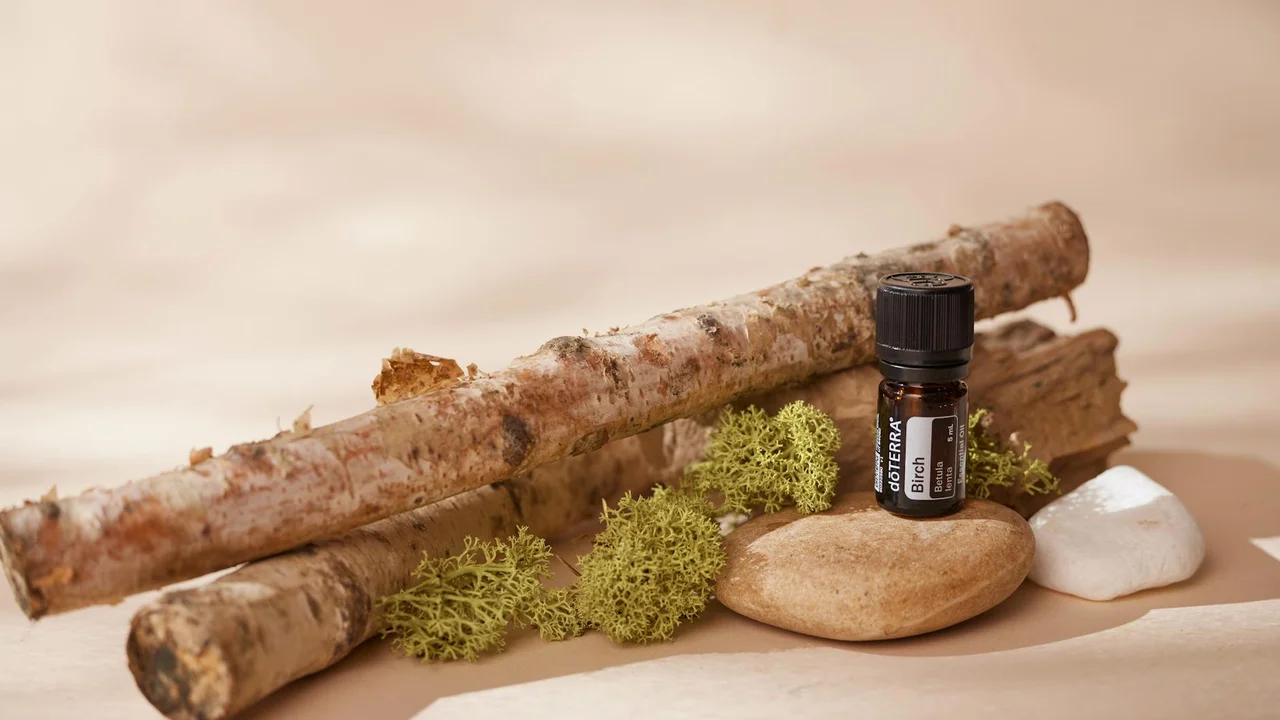
Many folks ask me, “How should carrier oils be stored to maximize their shelf life?” The good news is, it’s not complicated. The best storage methods for different oils—like olive, coconut, and essential oils—often require slightly different conditions to preserve their quality. It just requires a few simple habits that become second nature.
Think of it like caring for a good spice collection. You wouldn’t leave your precious paprika on a sunny stove. Your oils deserve the same thoughtful spot.
The Golden Rules of Oil Storage
Rule 1: Cool & Dark. Light and heat are the fastest ways to spoil an oil. That sunny windowsill might look pretty, but it’s like a slow cooker for rancidity.
The back of a kitchen cupboard, a pantry shelf, or even a dresser drawer works perfectly. I keep my daily-use bottles in a small wooden box in my bedroom.
Rule 2: Tightly Sealed. Oxygen is the other big spoiler. Every time you open a bottle, you let in air that breaks down the oil.
Always screw the cap on tightly right after use. Think of it like a bottle of wine you want to savor-you wouldn’t leave the cork out.
Rule 3: Clean Hands. Never, ever dip your fingers into the bottle. You introduce water and bacteria that can turn the oil cloudy and funky.
I keep a dedicated glass dropper or a tiny stainless steel spoon in my oil kit. Treat it like you’re working in a kitchen-clean tools only.
To Fridge or Not to Fridge?
This depends entirely on the oil. For very fragile, high-linoleic acid oils, the fridge is a lifesaver.
Good candidates for refrigeration: Rosehip seed, sea buckthorn, borage, and evening primrose oil. These oils are prone to going off quickly and benefit greatly from the cold.
Keep these oils at room temperature: Coconut, avocado, olive, and jojoba oil. Refrigeration can make them solid or overly thick, which isn’t convenient for daily use, especially for coconut oil.
If you do refrigerate an oil, let it sit out for 10-15 minutes before using it. This brings it back to a workable texture that absorbs nicely into your skin.
Your Oil Care Checklist: From Purchase to Disposal
This is my personal routine. Follow these steps, and your oils will stay fresh and effective for as long as possible.
When You Buy & Open
- Grab a permanent marker and write the date you opened it right on the label. “Opened: March 2024” is all you need. Memory is fuzzy; ink is not.
- If you buy a large bottle, consider pouring a small amount into a 1 or 2 oz amber glass bottle for daily use. This limits air exposure to your main supply.
- For delicate oils like rosehip, I add a single drop of vitamin E oil (tocopherol) to the bottle as a natural antioxidant. It’s like a little shield against rancidity.
When It’s Time to Let Go
Using rancid oil on your skin can cause irritation and introduce free radicals, which damage healthy skin cells. It defeats the whole purpose of using a nurturing oil.
For disposal, soak small amounts up with paper towel or old newspaper and place it in the trash. Please don’t pour it down the drain.
If an oil has just started to smell a bit “off” but isn’t clearly rancid, I might use it as a wood conditioner for a cutting board or wooden spoon. Only do this if the smell is very mild and nutty, not sharp or paint-like.
Recommended Products for a Happy Oil Shelf
Think of this as curating your own apothecary toolkit. Having the right gear on hand turns oil storage from a chore into a simple, satisfying part of your routine. A few thoughtful items make all the difference.
Essential Storage Gear
Your first line of defense is the container itself. I keep a collection of amber or cobalt blue glass bottles on a dedicated shelf. The dark glass is non-negotiable-it filters out the light that breaks oils down.
Fine-mist spray caps are perfect for face mists or hair sprays, while reducer tops give you one drop at a time for precise blending. A set of glass droppers is a game-changer for clean, easy dispensing without waste.
If you buy oils in large, economical sizes, get some small glass jars. Decanting a month’s supply into a smaller jar keeps the big bottle sealed and safe from constant air exposure. Remember to label everything with the oil name and the date you opened it.
Helpful Allies for Oil Longevity
Some ingredients can actively support your oils. Natural antioxidants, like rosemary extract and vitamin E oil (tocopherols), are my go-to blending partners for oils prone to going rancid.
Adding a few drops of antioxidant to a fresh bottle of carrier oil can help slow oxidation, buying you more time to use it up. It’s like a little shield for your blend.
Finally, give your oils a real home. A dedicated storage box in a cool, dark cupboard works wonders. Mine lives on a bottom shelf in the pantry, far from the oven’s heat and the sink’s humidity. This one simple habit is the most powerful tool you have, especially when it comes to preserving the freshness of coconut and olive oils.
Quick Answers to Common Oil Questions
Which carrier oils have the longest shelf life?
Oils high in saturated fats, like fractionated coconut oil and jojoba oil (technically a wax ester), are the most stable. When stored properly, they can often remain usable for 2-3 years or more.
Can I extend the shelf life of my oils after opening?
Absolutely! Decanting a small amount for daily use from a large bottle is one of the best strategies. You can also add a drop or two of vitamin E (tocopherol) to delicate oils as a natural antioxidant boost.
Is it safe to use a carrier oil that smells a little ‘off’?
I recommend against it. A rancid smell indicates chemical breakdown, and using the oil can irritate skin and introduce free radicals. When in doubt, perform a small patch test first, especially if you’re considering using cooking oils as personal lubricants.
What’s the best way to dispose of a clearly rancid oil?
For small amounts, soak it up with paper towel or kitty litter and place it in the trash. Please avoid pouring it down the drain to protect your plumbing and local waterways.
Nurturing Your Oil Apothecary
From my own crowded shelf of bottles, I know that keeping carrier oils cool, dark, and tightly sealed is your greatest ally against spoilage. Your senses are the final judge-a clean, fresh oil should never smell bitter or look murky. Knowing how long oils last and how to spot spoilage signs helps you plan better storage. Smart storage tips keep freshness high and maximize shelf life.
I’m always sharing practical wisdom like this right here on the blog. Trust this guidance and your own curiosity as you craft blends for body, hair, and home; that partnership is where real confidence grows.
Noemi Kamińska
Noemi is an accomplished wellness researcher, nutrition care guide and body care expert. She has years of experience in formulating various oil combinations for full body wellness including face, hair, body care, essential oils and cooking oils. She works as a bio-formulator working with oil chemistry and analyzing the best formulations when it comes to your needs. Feel free to reach out to get your oil needs sorted.