Jojoba vs. Argan Oil: Which One Truly Wins for Your Hair and Skin?
Staring at two beautiful bottles and wondering which oil is right for you is a common dilemma in my own apothecary. Choosing between jojoba and argan oil isn’t about finding a single winner, but about matching each oil’s unique strength to your specific need.
The biggest takeaway is simple: jojoba oil is your skin’s mimic and a master of balance, while argan oil is a deeply nourishing treatment for repair and intense moisture.
- Hair Hero Uses for Each Oil
- Skin Care Strengths and Best Fits
- My Simple Tests to Pick Your Perfect Match
Key Takeaways Before We Dive In
Let’s clear up the basics right away.
- Jojoba oil mimics your skin’s own sebum, making it a master of balance, while argan oil is a powerhouse of vitamin E and antioxidants for deep nourishment.
- Jojoba feels lightweight and absorbs quickly with almost no scent; argan has a richer texture, a warm nutty aroma, and takes a moment longer to sink in.
- Think of jojoba as a daily regulator for oily or combination skin and a brilliant scalp balancer. See argan as an intensive treatment for dry skin, split ends, and restoring elasticity.
Both oils are gentle champions in my daily routine. You really can’t go wrong with either when you pick a pure, cold-pressed version.
Getting to Know Them: Jojoba and Argan Up Close
Jojoba oil is pressed from the hardy seeds of a desert shrub, a survivor of the American Southwest. Argan oil is a precious liquid gold, carefully extracted from the kernels of thorny trees that grow only in Morocco.
Their very nature is different. Jojoba is technically a liquid wax ester, which is why it feels so unique on the skin. Jojoba’s comedogenic profile can vary with skin type, influencing its pore-clogging potential. Understanding this nuance helps tailor its use across different skin types. Argan is a classic, true nut oil, rich and luxurious.
In my hand, jojoba is a pale, light gold with a scent so subtle I call it “clean.” The argan oil on my shelf is a deeper, radiant gold with a comforting, toasty-nut aroma that always reminds me of its origins.
The texture tells you everything. Jojoba is silky and almost dry, vanishing into skin rapidly. Argan has a more substantial, velvety feel that leaves a beautiful, soft finish as it absorbs.
Jojoba Oil: Your Skin’s Familiar Friend
Jojoba works so well because it speaks your skin’s language. It’s like recognizes like. Its structure is strikingly similar to the sebum your skin produces naturally.
This similarity means jojoba can cleverly signal your skin to ease up on overproducing oil, while still providing a perfect, light barrier of moisture. It won’t clog pores, which is why it’s a staple for all skin types, especially oily or acne-prone ones. This also helps debunk the myth that all oils are greasy. Lightweight oils can balance oily or combination skin.
As a bonus, its wax ester nature gives it incredible stability. The bottle in my apothecary stays fresh for years without going rancid.
Argan Oil: The Nutrient-Dense Nourisher
Argan oil is like a superfood serum. It’s famously packed with vitamin E and potent antioxidants like phenols and carotenes.
These components make argan a deeply restorative treat that quenches dry skin, helps improve elasticity, and offers a layer of protection against daily environmental stress. These benefits stem from argan oil’s key properties—rich fatty acids and vitamin E—that nourish and shield skin. Knowing these properties helps explain why it’s a go-to for facial care. It’s the oil I reach for when my skin or hair feels parched and needs serious pampering.
Its use spans generations in Morocco, trusted for everything from softening skin to imparting a glorious shine to hair. That timeless wisdom is part of why I trust it so much.
Side-by-Side: Choosing for Your Skin’s Needs
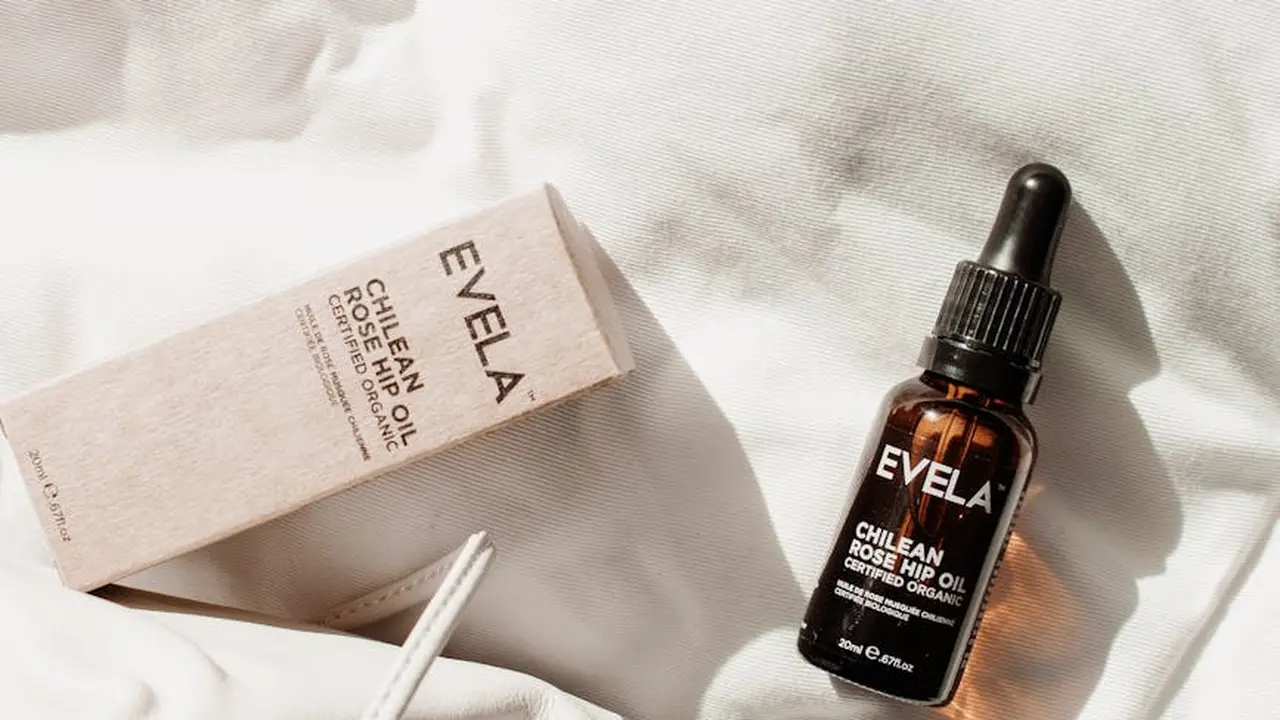
Let’s get practical. When you’re looking at jojoba vs argan oil for skin, the best choice comes down to your skin’s unique behavior and needs. I keep both in my apothecary for this exact reason.
Quick Comparison: Jojoba vs Argan Oil for Face
| Jojoba Oil | Argan Oil | |
|---|---|---|
| Texture | Light, liquid wax. Feels silky, absorbs quickly. | Rich, dry oil. Absorbs well but feels more nourishing. |
| Skin Mimicry | Very similar to human sebum (skin oil). | Rich in vitamin E and fatty acids. |
| Best For | Balancing oil production, sensitive skin, a non-greasy base. | Intensive moisture, softening fine lines, improving elasticity. |
For Oily, Acne-Prone, or Combination Skin
Jojoba is my first recommendation here, and here’s why. Its structure is so close to your skin’s own oil that it can help “trick” your skin into thinking it has produced enough. This balancing act can signal your skin to ease up on overproduction, all without clogging a pore. I use it as a light cleanser or a single drop mixed with my moisturizer.
You can still use argan oil if your skin leans oily, but be very sparing. A single, tiny drop warmed between your fingers and pressed onto damp skin is plenty.
For Dry, Mature, or Dull Skin
Argan oil is a true nourisher for skin that feels tight or lacks bounce. Its richness in antioxidants and fatty acids works to soften the look of fine lines and give skin a plumper, more radiant appearance. I love using a few drops at night as my final moisturizing step.
Jojoba still has a place here. It’s a fantastic light layer under a thicker cream or for daytime when you want hydration without a heavy feel.
For Sensitive Skin or Conditions Like Eczema
Always, always do a patch test first. Apply a dime-sized amount to your inner arm and wait 24 hours.
Jojoba’s gentle, familiar structure makes it a wonderfully safe starting point for many reactive skin types. It simply supports your skin’s barrier.
Argan oil’s natural anti-inflammatory properties can also be incredibly soothing for some. Listen to your skin. My own bottle is a staple for calming any post-gardening irritation on my hands.
Side-by-Side: Choosing for Your Hair’s Personality
The debate of jojoba vs argan oil for hair is really about weight, penetration, and the result you want. One isn’t universally better. It depends on your hair’s personality. If you’re chasing moisture and shine, the answer often comes down to which oil your strands respond to best. This is the core of the argan oil vs jojoba oil hair comparison—which one delivers better moisture and shine.
For Fine, Limp, or Oily Hair
You need lightness. Jojoba oil is your friend. Apply it only to your ends to prevent split ends and add subtle shine, or use it as a 30-minute pre-shampoo treatment for your scalp. It rinses out cleanly.
I am cautious with argan oil on fine hair. Too much, too close to the roots, and it can look greasy in an hour. If you use it, think “one drop” for the ends only.
For Thick, Curly, Coarse, or Dry Hair
Argan oil is a superstar here. It’s a brilliant sealer for damp hair, locking in moisture to define curls and tame frizz for a soft, manageable finish. I smooth a pump through my damp waves and touch up dry ends later.
For this hair type, jojoba serves a different purpose. Massage it into your scalp to maintain a healthy moisture balance without heavy buildup. It keeps the foundation happy so your lengths can flourish. Other botanical oils—such as argan and rosehip—are produced and processed in particular ways that shape their benefits. Knowing those methods helps explain why different oils suit different needs.
For Beards and the Skin Underneath
This is where a blend shines. For the question of jojoba vs argan oil for the skin under your beard, I lean toward jojoba. It moisturizes the skin without clogging follicles, which helps prevent the dreaded beard itch and flakiness.
For conditioning the beard hairs themselves, argan oil is fantastic. It makes coarse hairs softer, more pliable, and easier to style.
My favorite beard oil recipe? A simple mix: two parts jojoba to one part argan. You get the skin-balancing benefits of jojoba and the hair-softening power of argan in one comprehensive routine.
Common Mistakes and How to Avoid Them
I see the same small errors pop up all the time, so let me share a few friendly warnings from my own cabinet.
Using a Heavy Hand
More oil is not better. I learned this the hard way with argan oil on my hair years ago.
Start with a few drops, warm them between your palms, and apply sparingly; you can always add more, but you can’t take it away. An oily, weighed-down look often comes from using a whole dropper instead of just three or four drops.
Skipping the Skin Test
Your skin’s reaction is unique. Applying a new oil directly to your face or a large area is asking for trouble.
Always patch test a diluted oil on your inner arm and wait 24 hours to see if any redness or irritation develops. It’s a simple step that saves so much discomfort.
Applying to a Dirty Base
Oil is not a cleanser. Slathering argan oil onto a scalp with product buildup or a face with the day’s grime just traps it all.
Apply these oils to clean, slightly damp skin or hair to seal in moisture, not dirt. Think of it as the final, protective layer in your routine.
Choosing the Wrong Quality
A clear, odorless oil in a clear plastic bottle is a red flag. It’s likely highly refined and stripped of the nutrients you want.
Look for cold-pressed, unrefined oils stored in dark glass bottles, which protect delicate compounds from light degradation. Good jojoba should smell subtly nutty; real argan has a distinct, toasty aroma.
Forgetting About Storage
How you store your oils directly affects their shelf life and potency. I keep mine in a kitchen cupboard away from the stove.
Argan oil is especially sensitive and must be kept in a cool, dark place, even refrigerated after opening to prevent rancidity. Jojoba oil is famously stable due to its wax esters, but it still lasts longer away from heat and sunlight.
When to Seek Professional Advice
These plant oils are wonderful allies for general skin and hair wellness, but they have limits.
They are cosmetic and wellness ingredients, not replacements for medical diagnosis or treatment. If a condition persists or is severe, it’s time to call in an expert.
For skin, see a board-certified dermatologist if you’re dealing with persistent cystic acne, worsening eczema, psoriasis, or any sudden, severe reaction. They can identify the root cause.
For your scalp and hair, significant thinning, sudden hair loss, or a painful, inflamed scalp warrants a visit to a trichologist or your doctor. An underlying health issue might be at play.
A special note on allergies: Argan is a tree nut oil. If you have a known tree nut allergy, you must exercise extreme caution.
Consult your allergist before even considering a patch test with argan oil. Your safety is the absolute priority. Jojoba, being a seed wax, is generally not a common allergen, but caution is always wise with any new substance.
Your Quick Oil Guide
Can I mix jojoba and argan oil together?
Absolutely, and I often do! Blending them lets you harness jojoba’s balancing properties with argan’s deep nourishment in one custom treatment. It’s a perfect synergy for hair serums or facial oils.
I have oily hair but dry ends. Which oil should I use?
Use each oil strategically on different areas. Apply a drop of jojoba oil to your scalp as a pre-wash balancer, and use argan oil sparingly on your dry ends to seal in moisture without greasing your roots.
Which oil is less likely to cause breakouts on acne-prone skin?
Jojoba oil is typically the safer first choice due to its similarity to skin sebum and non-comedogenic nature. Its balancing action can help regulate oil production, whereas argan’s richer texture may be too much for some breakout-prone skin. If you’re wondering where to buy jojoba oil, look at local stores or reputable online retailers. That way you can compare options and find a formulation that suits your skin.
Are jojoba and argan oil interchangeable in my routine?
Not quite-think of them as complementary specialists rather than general substitutes. Use jojoba for daily balance and regulation, and reach for argan when your skin or hair needs an intensive, reparative treatment.
For a simple start, which one bottle should I buy first?
If your primary concern is overall balance or you have combination/oily skin, start with jojoba oil for its versatility. If your main goal is tackling pronounced dryness or repairing damaged hair, begin with argan oil as your nourishing hero.
Final Thoughts on Jojoba and Argan
From my own shelf, I always say the supreme choice depends entirely on what your hair or skin craves that day. Think of jojoba as your go-to for daily balance and argan as your treat for intense repair.
I share from my herbalist journey regularly on the blog, and I hope you’ll join me there. Please trust your hands as much as my advice when blending these oils for your body, skin, hair, and home.
Expert Resources and Citations
- Argan Oil vs Jojoba Oil – A Detailed Comparison for the Modern Woman
- Jojoba vs Argan Oil for Skin | Which Oil is Better for Skin? – Naturopathica
- Argan Oil Vs Jojoba Oil for Hair and Skin | APPLE VALLEY NATURAL SOAP BLOG
Noemi Kamińska
Noemi is an accomplished wellness researcher, nutrition care guide and body care expert. She has years of experience in formulating various oil combinations for full body wellness including face, hair, body care, essential oils and cooking oils. She works as a bio-formulator working with oil chemistry and analyzing the best formulations when it comes to your needs. Feel free to reach out to get your oil needs sorted.