
Can You Use Olive Oil in Cake Mixes? Best Substitutes for Canola Oil
Standing in your kitchen with a cake mix and a bottle of olive oil, you might wonder if it’s a good swap-I’ve been there too. From my shelf of baking oils to yours, I can tell you it works beautifully with the right approach.
This article gives you my tested methods for baking with olive oil and reliable canola oil alternatives.
- How olive oil changes the flavor and texture of your cakes
- Choosing the right olive oil from your pantry
- My favorite everyday substitutes for canola oil
- Simple steps to swap oils without fuss
A Quick Snapshot: Your Baking Oil Guide
Let’s cut through the confusion. This table compares your common baking oils and my favorite swaps. It lives on a sticky note above my own baking shelf.
| Oil Type | Best For | Flavor Note | Smoke Point |
|---|---|---|---|
| Extra Virgin Olive Oil | Moist cakes, bread, citrus & chocolate bakes | Fruity, grassy, or peppery (varies widely) | Low to Medium (325-410°F) |
| Canola / Vegetable Oil | Neutral cakes, muffins, general baking | Very mild, nearly flavorless | Medium-High (400°F) |
| Avocado Oil | High-heat baking, health-focused recipes | Buttery, subtle | Very High (520°F) |
| Refined Coconut Oil | Vegan baking, tropical flavors | Very mild coconut | Medium (400°F) |
| Sunflower Oil | A direct canola oil substitute | Light, neutral | Medium-High (440°F) |
A mild, fruity olive oil is my personal go-to substitute for vegetable oil in cake, adding a lovely complexity without shouting its name. Your smoke point matters most for stovetop cooking, but in the gentle heat of your oven, flavor becomes your primary guide.
Yes, You Can Bake with Olive Oil (Here’s How to Make It Shine)
I bake with olive oil all the time, and it works beautifully. It’s not a compromise. For cake mixes and from-scratch batters, it creates an incredibly tender, moist crumb. If you’re exploring the healthiest oil for baking cakes, breads, and pastries, olive oil is a standout. It brings flavor and nutrition to the bake.
Its role is simple science. Olive oil is a pure fat that coats flour proteins thoroughly, preventing them from forming too much gluten. This results in a softer, more delicate texture than butter, which contains water. You often get a more consistently moist cake that stays fresh longer.
Here is the golden rule I follow in my own kitchen. Use a gentle, mild olive oil for cakes and sweets. I keep a bottle labeled “baking” for this. Save the robust, peppery oils for dipping bread or savory dishes where that punch is welcome. extra virgin olive oil can be a great choice in baking and cooking when you want a more nuanced flavor. It pairs well with citrus, nuts, and spices. And to answer a common sidebar, yes, canola oil can be used instead of vegetable oil-they are functionally identical in baking.
The Flavor Conversation: Will My Cake Taste Like Olive Oil?
This depends entirely on the oil you choose. Olive oil has a vast flavor spectrum, from light and almost buttery to intensely green, grassy, or peppery. That choice often comes down to how you’ll use it—cooking, dressing, or dipping. Robust oils are great for cooking, while milder ones shine in dressings and for dipping.
Think of pairing flavors. Citrus, chocolate, nuts, and warm spices like cinnamon or cardamom all harmonize beautifully with the fruity notes in good olive oil. A lemon olive oil cake is a classic for a reason.
A high-quality mild or “light tasting” olive oil won’t overpower your cake; it just adds a sophisticated, fruity depth that makes people ask, “What’s your secret?” It’s that hint of something special, not a bold olive flavor.
The Simple Swap: Can I Substitute Olive Oil for Canola Oil?
The direct answer is yes. You can substitute olive oil for canola oil at a straight 1:1 ratio by volume.
The critical warning is that the flavor profile will change. Swapping a robust oil for neutral canola in a vanilla cupcake might surprise you. This is exactly why choosing your olive oil wisely based on the recipe is the key to a successful swap. For more on this specific switch, I’ve written about the question can i replace canola oil with olive oil in detail.
Your Pantry Substitutes: Beyond Olive and Canola
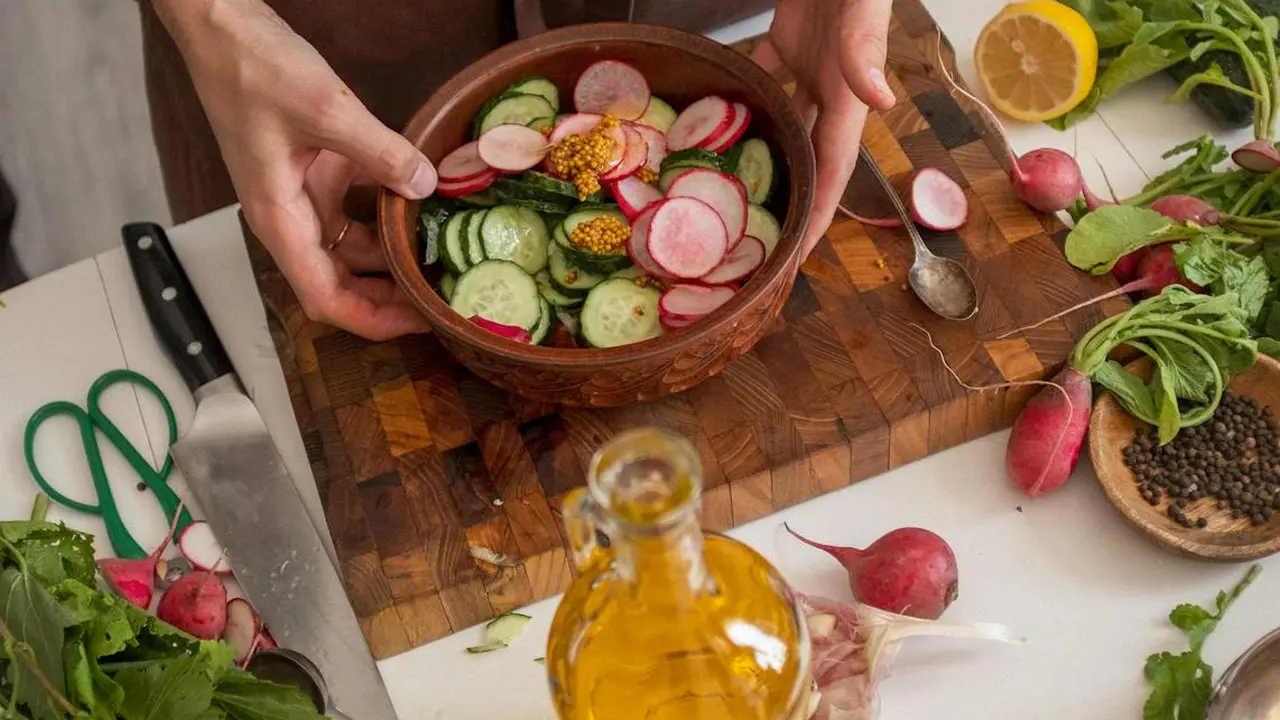
Choosing the right oil for baking is a lot like choosing one for your skin. You wouldn’t use a thick, greasy butter on your face if you had oily skin, right? The same principle applies in your kitchen. You match the oil’s properties-its flavor, smoke point, and texture-to the job you need it to do.
For baking, we usually group substitutes by two main traits: a neutral flavor for classic cakes, or a high heat tolerance for frying and roasting.
For a Neutral, Classic Cake Flavor
Sometimes, you just want the chocolate, vanilla, or spices to shine through without any extra flavor from the oil. For that, you need a clean, light oil.
My top picks are sunflower and safflower oil. They are my kitchen workhorses, sitting right next to my bottle of jojoba for skincare. Both have a very mild taste and a light texture that closely mimics canola oil, making them a perfect one-to-one swap. They create a tender, moist crumb without announcing their presence.
A light “vegetable oil” blend from the store often contains these oils. It’s a reliable, no-fuss option. Just check the label-if it’s a blend of sunflower, safflower, and canola, you’re good to go.
And to answer a common question: can you use canola oil instead of olive oil in a vinaigrette? You can, but it’s a trade-off. It will lack the fruity, peppery complexity of a good extra virgin olive oil. The dressing will be milder, letting the vinegar take the lead.
When You Need a High-Heat Hero (For Frying or Roasting)
This is where you need an oil that won’t break down and smoke the moment it hits a hot pan. A high smoke point is key.
Avocado oil is my favorite here. It has a beautifully high smoke point and a subtly buttery, rich flavor. Avocado oil is my go-to olive oil substitute for roasting vegetables, as it can handle the high oven heat and adds a lovely depth. I use it in the kitchen almost as much as I use it in hair serums.
Grapeseed oil is another excellent choice. It’s very clean-tasting with a light body, perfect when you want zero interference with your food’s flavor. Refined coconut oil is also a champion for high heat. Unlike its unrefined cousin, it has a very mild, neutral taste, so your roasted potatoes won’t taste like a tropical island.
The Special Case: Olive Oil Substitutes for Savory Dishes
While cakes are our focus, you might wonder about other dishes. The philosophy remains the same: match the oil to the role.
For finishing a pasta dish, where olive oil’s fruitiness is key, try a good nut oil like a delicate walnut or almond oil. A tiny drizzle of toasted sesame oil adds a deep, nutty aroma.
For a salad dressing, where olive oil is the base, avocado oil makes a smooth, mild substitute. A mild, refrigerated walnut oil can be gorgeous in a fall salad.
For roasting or sautéing chicken, you again want that high-heat hero. Avocado oil is perfect. A light brushing of melted refined coconut oil also works beautifully to get that golden, crispy skin without sticking.
Practical Magic: How to Substitute Oils Successfully
Swapping oils is a simple kitchen alchemy. Follow these three easy steps, and you’ll rarely need a special trip to the store just for canola oil again.
Step 1: Check the Recipe’s Flavor Profile
Think of your oil as a quiet background note in your bake. You want it to support the main flavors, not shout over them.
For a rich chocolate cake, a spice cake, or a citrusy olive oil cake, a fruity extra virgin olive oil is a beautiful choice. Its peppery notes add depth. For a delicate vanilla cake, angel food cake, or anything with a light, pure flavor, reach for a neutral oil. My go-to is a light-tasting olive oil or a good avocado oil from my pantry.
The golden rule is to match the oil’s personality to the cake’s character.
Step 2: Measure with Confidence (Ratios Matter)
This is where people get nervous, but the math is easy. Let’s build your confidence.
If your recipe calls for another liquid oil like canola, vegetable, or sunflower oil, you swap it directly. Use the same amount. One cup of canola oil becomes one cup of olive oil.
Substituting for butter is different. Butter is only about 80% fat; the rest is water and milk solids. Too much oil makes a greasy cake. For every one cup of melted butter, I use about three-quarters of a cup of oil.
This simple ratio swap is your key to moisture-rich, dairy-free baking. I keep a little note with this conversion taped inside my cabinet.
Step 3: Adapt Your Technique Slightly
Sometimes the batter looks different. That’s okay. A little know-how keeps you calm.
When you add olive oil to cold wet ingredients like milk or eggs, the batter might look curdled or separated. Don’t panic. Just keep mixing. It will smooth out beautifully once the dry ingredients are incorporated.
Extra virgin olive oil has a lower smoke point than refined oils. For very delicate bakes like madeleines or certain cookies, I sometimes lower my oven temperature by 25 degrees Fahrenheit. This prevents the oil from getting stressed and helps preserve its delicate fruity notes in the final crumb. Beyond delicate bakes, smoke points matter when you fry or sear at high heat. Different fats—olive oil, avocado oil, coconut oil, canola oil, ghee, butter, and tallow—have different limits, which is why choosing the right oil for high-heat frying is essential.
Trust the process, and your oven, and you’ll be rewarded with a uniquely tender bake.
A Note for Home Soap Makers & Crafters
Maybe you found this article because you love working with oils in your kitchen, but you also have a shelf dedicated to lye, molds, and other soap-making supplies.
I do, too.
If you’re wondering about swapping olive oil in your cold process or melt-and-pour recipes, the principles are similar to baking, but the stakes are different. Soap chemistry is precise.
Thinking Beyond a Simple Swap
In baking, a swap might just change the texture. In soap making, every oil contributes specific fatty acids that determine the final bar’s hardness, cleansing power, lather, and moisturizing feel.
You cannot simply replace olive oil with another oil at a 1:1 ratio and expect the same result; you must reformulate your entire recipe using a trusted lye calculator.
Castile soap, made with 100% olive oil, is famously mild and soft. If you want a different quality, you substitute part of that olive oil for something else.
Common Olive Oil Substitutes in Soap
Here’s how I think about common substitutes on my own crafting bench. Each brings a unique property to the batch.
- Sunflower Oil: This is a fairly direct substitute. It creates a soft, conditioning bar with a stable lather. I often use it when I want a lighter, faster-tracing soap than a pure Castile.
- Lard or Tallow: These animal fats are secret weapons for a hard, long-lasting bar with a creamy, stable lather. They are incredibly forgiving for beginners. The soap feels dense and silky in your hand.
- Avocado Oil: I reach for this when I want extra moisturizing power. It contributes to a rich, creamy, low-lathering bar that’s wonderful for dry skin. A little goes a long way, often at 15-20% of the total oils.
A Practical Tip from My Workshop
Before you change a tried-and-true recipe, make a small test batch. I keep a notebook where I jot down the properties of each new bar: how hard it got, the lather type, and how it feels on my skin after curing.
Always, always run your new oil blend through a reliable lye calculator to get the correct sodium hydroxide amount. This step is non-negotiable for safety and success.
Your goal isn’t just to replace an oil, but to understand what each one gives you. That’s how you move from following recipes to creating your own perfect bars for skin and hair.
Choosing Your Oil: A Touch of Wellness for Your Kitchen
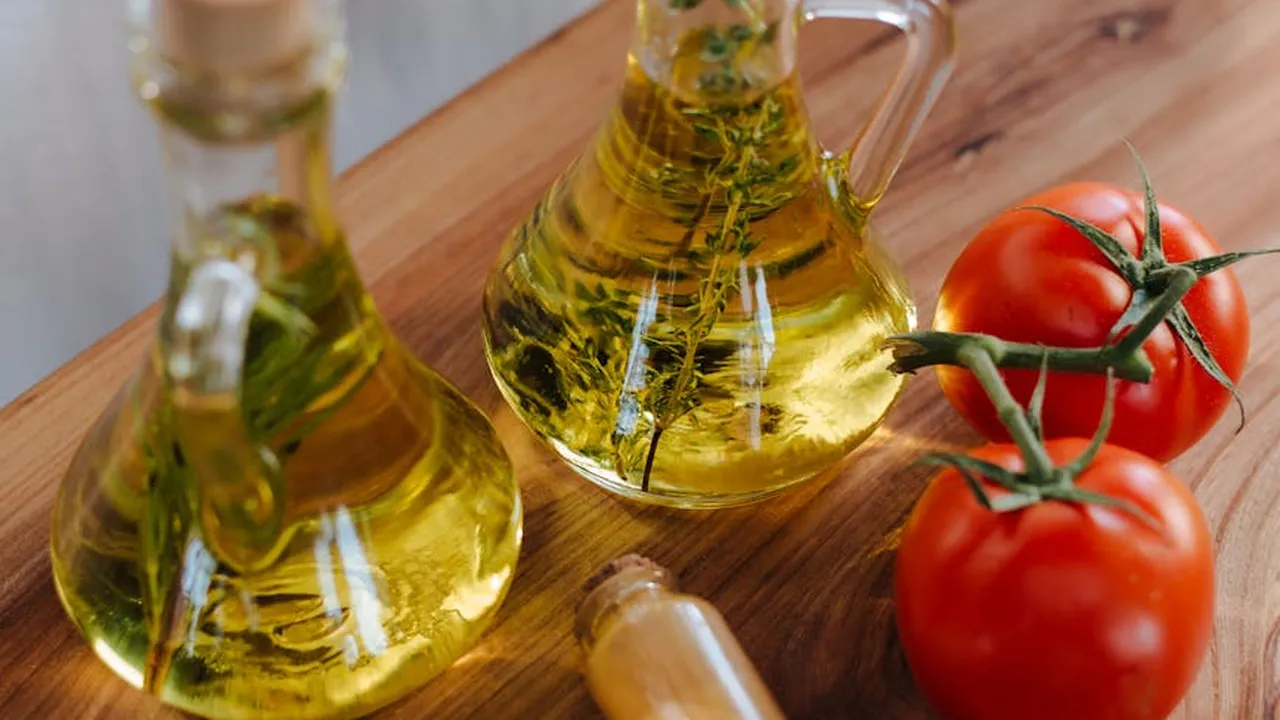
You might wonder which oil is truly the “healthiest.” I think about it like choosing a carrier oil for a facial serum.
You wouldn’t use heavy castor oil for a delicate face blend, right? You’d pick something like jojoba or squalane.
The best approach is to choose whole, minimally processed oils for different kitchen tasks.
Diversity is the real secret. Using one oil for everything is like using one herb for every remedy.
It works, but you miss out on the unique benefits and flavors other oils can bring to your food and your wellbeing.
Olive Oil & Canola Oil: A Simple Comparison
Let’s look at these two common oils side by side. Think of their fat profiles like their personalities.
Olive oil is famously rich in monounsaturated fats. These are stable, heart-friendly fats that give it a robust character. When choosing fats for cooking, many wonder which is healthier: butter or olive oil, and how their nutritional profiles compare for heart health.
Canola oil has a mix of fats, including a good amount of monounsaturated and some polyunsaturated fats.
The big difference is in their processing. A high quality extra virgin olive oil is simply crushed and pressed.
Most canola oil you find is refined. This process makes it neutral in flavor and gives it a higher smoke point, but it’s more processed.
Both oils have a place in a mindful kitchen; your choice depends on the flavor you want and the heat you’re using.
My Apothecary Shelf to Kitchen Shelf
In my own home, the lines between my wellness cabinet and my kitchen cabinet are beautifully blurry.
On my shelf, I keep a bottle of mild, buttery Arbequina olive oil just for cakes and delicate desserts.
Next to it sits avocado oil for high heat roasting, and a jar of coconut oil that I use for both moisturizing my skin and making granola.
This variety lets me match the oil’s strength and personality to the job, whether I’m baking, cooking, or creating a soothing balm.
It’s a simple, practical way to bring a whole-ingredient philosophy into everyday life.
Your Final Blend: How to Pick the Right Oil Tonight
Let’s move from theory to your kitchen counter. Choosing the right oil is less about rules and more about matching the oil’s personality to your recipe’s mood.
Think of it like blending essential oils. You wouldn’t use a heavy, earthy vetiver in a light, uplifting room spray. The same principle applies here.
For a Boxed Cake Mix: Keep It Simple and Mild
Boxed mixes are designed for a neutral background. A strong, peppery extra virgin olive oil can clash with that artificial vanilla flavor.
Reach for a light olive oil or a mild vegetable oil like safflower or sunflower. These oils provide the necessary fat without introducing a competing flavor that might surprise your family.
My own rule is a direct 1:1 substitution. If the box calls for 1/3 cup of vegetable oil, I use 1/3 cup of light olive oil. It has never failed me.
For Roasting Veggies: Prioritize the Smoke Point
A hot oven demands an oil that can handle the heat without breaking down and smoking. That burnt smell is the oil degrading.
Avocado oil is my champion here, with a smoke point well over 400°F. Grapeseed oil is another fantastic, light-bodied option. Using a high-heat oil like avocado ensures your roasted potatoes get crispy, not acrid.
The oil becomes part of the dish’s flavor foundation, so a clean, high-heat choice lets the natural sweetness of the vegetables shine.
For a Homemade Pound Cake: Embrace the Fruitiness
This is where you can get creative. A rich, homemade cake has the depth to welcome a more characterful oil.
A fruity, high-quality extra virgin olive oil can be stunning. It adds a subtle, peppery complexity that pairs beautifully with citrus zest or dark chocolate. A good extra virgin olive oil will add moistness and a sophisticated, nuanced flavor that makes the cake taste thoughtfully made.
I have a bottle of a buttery Arbosana olive oil on my shelf that I reserve solely for my lemon-almond cake. It makes all the difference.
Trust Your Senses and Taste
The best guide is your own palate. Before you bake a whole cake, try a small test.
Mix a teaspoon of your chosen oil into a spoonful of plain yogurt or batter and taste it. Do you like the flavor combination? Does it feel right?
Your kitchen intuition, backed by knowing an oil’s basic traits, is the most powerful tool you have. Start with these guidelines, then adjust based on what you and your taste buds enjoy most.
Your Questions, Answered
What’s a healthy, everyday substitute for olive oil?
Avocado oil is my premier choice, offering similar heart-healthy monounsaturated fats and a higher smoke point for versatility. This makes it ideal for high-heat cooking, including frying and searing. For low-heat uses, a high-quality walnut oil provides excellent omega-3s and a rich, nutty flavor.
What’s the best substitute for olive oil in a pasta dish?
For a finishing drizzle, a delicate, cold-pressed walnut or almond oil best captures that fruity nuance. For the cooking base, a mild avocado or a light sesame oil can beautifully carry garlic and herbs without overwhelming the dish.
How do I replace olive oil with butter for sautéing?
Use about 25% less butter than the oil volume, as its water content will steam off. For a direct, high-heat swap, clarified butter (ghee) is a perfect 1:1 substitute with a rich, nutty flavor.
What’s a good olive oil substitute for salad dressing?
Avocado oil is my go-to for a similarly smooth, mild base that lets other flavors shine, especially when compared to other oils like grapeseed oil. For a more distinctive profile, a subtle hazelnut or pumpkin seed oil can create a beautifully unique vinaigrette.
Is there a simple olive oil substitute for soap making?
Sunflower oil is the closest direct swap, contributing to a gentle, conditioning bar. Always remember to recalculate your lye using a reliable calculator, as each oil changes the soap’s chemistry.
Baking with the Botanicals You Love
Let the oil’s flavor and your wellness intention lead when choosing one for your cake. From my own shelf, a mild, fruity olive oil can turn a simple mix into a moist, fragrant bake that feels as good as it tastes.
I share more everyday oil wisdom for body, skin, hair, and home right here on the blog. Trust your hands as you try new blends, your own kitchen is the perfect place to learn.
References & External Links
- substitutions – Can olive oil be substituted for vegetable oil in a box cake mix? – Seasoned Advice
- Best Substitute for Oil in Cake Mix (7 Ideas!) | All Things Mamma
- What to Substitute for Vegetable Oil in Cake Mix – Custom Cakes in Chicago | ECBG Cake Studio
Noemi Kamińska
Noemi is an accomplished wellness researcher, nutrition care guide and body care expert. She has years of experience in formulating various oil combinations for full body wellness including face, hair, body care, essential oils and cooking oils. She works as a bio-formulator working with oil chemistry and analyzing the best formulations when it comes to your needs. Feel free to reach out to get your oil needs sorted.