
How Do You Use Essential Oils and Diffuser Oils to Make Candles?
If you’ve ever worried that candle making might waste your precious oils or create a weak scent, I totally get that. After years of blending in my own kitchen, I’ve found simple ways to make candles that truly capture the heart of your favorite botanicals.
You can create wonderfully fragrant candles by knowing when to add the oils to the wax and how much to use. Here’s what we’ll look at:
- Why heat stability matters for different oil types
- My go-to wax and safe temperature guidelines
- Step by step instructions for a smooth, even scent
- How to test your blend before pouring
What Exactly Is a Botanical Oil Candle?
An essential oil or diffuser oil candle uses plant-based scents instead of lab-created fragrance oils. This simple ingredient swap changes everything about the candle’s personality, from its aroma to how it makes your space feel. You are burning the distilled essence of lavender fields or citrus groves, not a chemical impression of them.
The sensory experience is gentler and more nuanced. The scent throw feels like it unfolds in the room rather than announcing itself all at once. The flame flickering over natural soy or beeswax has a softer, warmer glow than you often see with paraffin. On my own shelf, a candle made with cedarwood and orange wax has a beautiful, creamy, opaque look I just don’t get from store jars.
If you search for ‘essential oil candles near me’ or browse online, check the label closely. Look for candles that list the specific essential oils used, not just “natural fragrance.” A reputable maker will also use a natural wax base like soy, coconut, or beeswax.
The Simple Promise of a Natural Scent
Synthetic fragrances are designed to be strong and consistent. Botanical oils are alive. They have top, middle, and base notes that reveal themselves over time. A synthetic “pine” scent is just pine. My DIY candle with fir needle essential oil smells like a damp, sun-dappled forest floor with layers of earth and resin.
This is the heart of the ‘non toxic’ and ‘phthalates free’ appeal in ready-made options. Choosing a candle scented with real plant oils means you are likely avoiding a cocktail of undisclosed synthetic chemicals that can irritate sensitive lungs. Your nose and your wellbeing will notice the difference.
Clearing Up the Oil Confusion
For beginners, the oil aisle can be confusing. Essential oils are the pure, volatile compounds steam-distilled or cold-pressed from plants. Diffuser oils are usually a blend of essential oils and a mild carrier oil, making them ready for a diffuser but not for direct skin use. How to use essential oils in diffusers is a common question for many new to aromatherapy.
So, can you make essential oil candles? Absolutely yes. You can use both essential oils and diffuser oils to scent candle wax, and it’s a wonderfully simple process. I keep a small bottle of a pre-mixed “calm” diffuser blend just for making quick, no-fuss candles when I want instant cozy vibes.
Why Make Your Own? The Benefits of DIY Scented Candles
Crafting your own candles puts you in complete control. You decide the wax, you pick the exact scent blend, and you know every single ingredient that goes in. This is perfect for anyone with sensitivities or a deep desire for a truly natural home.
It connects directly to personalized wellness. Can essential oils in candles make you feel better? The ambient mood shift is real. Lighting my ginger and black pepper candle feels energizing on a slow afternoon, while a sandalwood and lavender one tells my brain it’s time to unwind. The act of creating something beautiful and functional with your own hands adds a layer of satisfaction that buying a candle never can.
For Your Wallet and Your Wellbeing
While there’s a startup cost for wax, wicks, and jars, making candles becomes very economical. A pound of soy wax and a few bottles of oil can make multiple candles for the price of one high-end retail purchase. You’re buying at a “wholesale” level for your own home.
Best of all, you become your own apothecary. You can tailor each batch to your immediate need-a bright citrus blend for morning focus, a grounding vetiver and cedar for evening relaxation, or a eucalyptus and mint candle for when the family feels stuffy. Your home’s aroma becomes an extension of your personal care routine.
Gathering Your Candle Crafting Toolkit
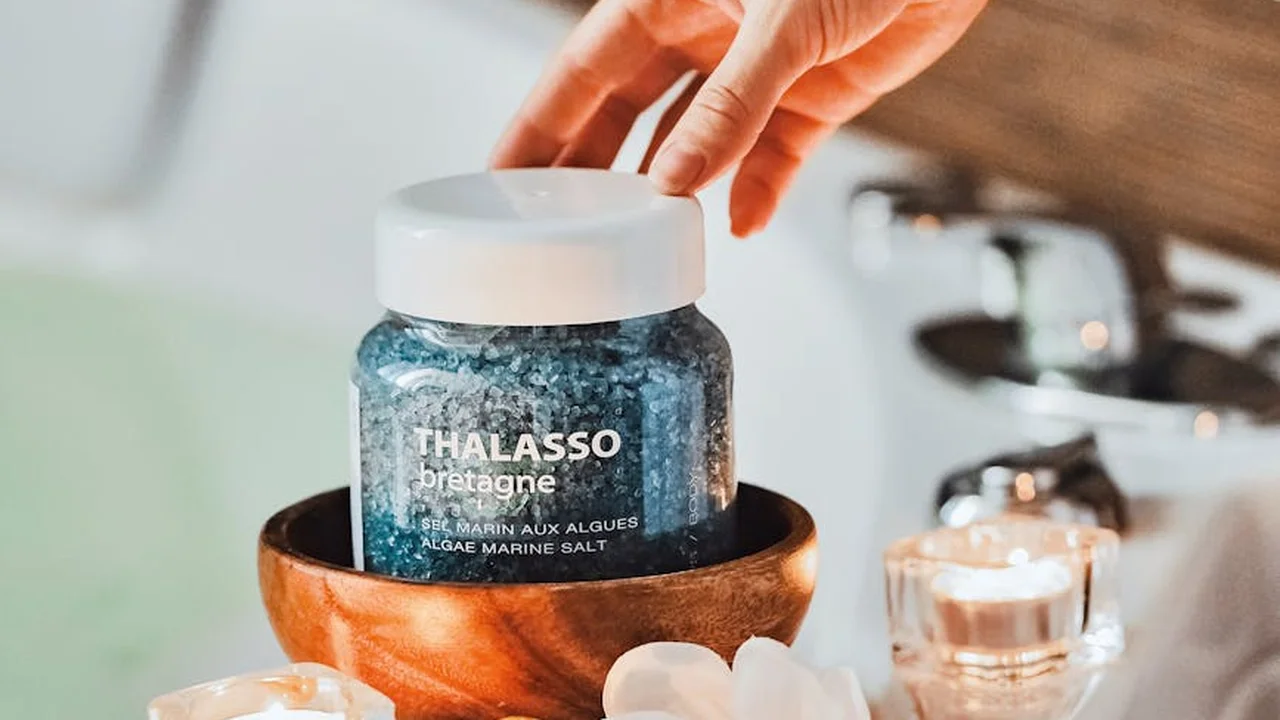
Setting up for candle making feels like organizing a comforting kitchen project. I keep my supplies in a dedicated basket on my apothecary shelf.
Here is your simple checklist. Having these items ready makes everything flow smoothly.
- Wax: The base that carries your chosen fragrance.
- Wicks: Pre-tabbed cotton wicks are reliable for beginners.
- Containers: Heat-resistant jars or tins to hold the wax.
- Thermometer: A digital or candy thermometer is non-negotiable for safety.
- Pouring pitcher: A dedicated heat-safe glass or metal pitcher for melting.
Your wax choice directly shapes your candle’s personality and how it shares scent.
Soy wax is a wonderful, beginner-friendly choice that holds fragrance oils gently and cleans up easily. I use it for most of my home candles. It has a lower melting point, which can be kinder to delicate essential oil notes.
Coconut wax often blends with soy for a harder candle that has a creamy burn and excellent scent throw. It feels luxurious. On my shelf, a coconut-soy blend is my pick for rich, aromatic living room candles.
Beeswax burns slowly and purifies the air with its natural, honeyed scent. Its own aroma is strong, so it pairs best with robust oils like cedarwood or citrus. It can be trickier to melt evenly.
Now, let’s talk about your scent bottles. This is where your personal touch shines.
Essential oils are concentrated plant essences I use for therapeutic candles, like a lavender one for my bedside table. They are potent, so a little goes a long way to support mood or wellness. For bedtime and stress relief, I favor oils that are often listed among the best oils for sleep.
Diffuser oils are often blended for strong aroma and are less concentrated, making them forgiving for first-time candle scenting. I reach for these when I want a simple, vibrant scent for my kitchen without much calculation.
Choosing Your Wax and Vessel
Match your wax to your intention. Think about the experience you want to create.
For a long, steady burn where scent is a soft background note, pure soy wax is a reliable friend. It’s like a slow, warm exhale in a room.
If you desire a candle that announces its fragrance the moment it’s lit, a coconut blend or a wax made for high fragrance load is ideal. Pair it with a bold diffuser oil blend. Consider coconut oil as a carrier for fragrance or essential oils in body oils. These ideas extend to perfumes, CBD/THC-inspired scents, Vicks Vapor Rub-inspired notes, and diffuser blends.
Beeswax offers the longest burn time and a natural, subtle sweetness that can complement earthy essential oils. I use it for candles during my evening wind-down routine.
Your container is part of the charm. Look for items you already own that can handle heat.
Clean mason jars are perfect, their thick glass disperses heat safely. I have a collection saved from pickles and jams.
Small ceramic cups or oven-proof ramekins work well for votives. Just avoid any with cracks or delicate finishes.
Simple tin cans, once labels are removed and edges smoothed, make rustic, sturdy homes for your candles. Always ensure whatever you choose sits flat and stable.
Essential Oils vs. Diffuser Oils: Which One for Your Candle?
Choosing the right oil is the first step to a great-smelling candle. Essential oils and diffuser oils are not the same for this purpose. That also raises questions about which essential oils are best and safest to use in a diffuser. The next steps will guide you to the right oils for safe diffusion.
Essential oils are the pure, volatile compounds steamed or pressed from plants. They are potent and authentic, like the bottle of wild orange oil on my shelf that smells exactly like peeling a fresh fruit.
Diffuser oils, often called fragrance oils, are usually lab-made blends designed to mimic scents and disperse well in cool-air diffusers. They can create complex aromas, like “cozy cabin” or “summer rain,” that don’t exist in nature.
For candle making, you need to think about three things: scent strength when burning (called “hot throw”), heat stability, and cost.
- Scent Strength: Diffuser oils often have a stronger, more consistent hot throw because they are engineered for it. Many pure essential oils have a lighter, more subtle scent when burned.
- Heat Stability: This is crucial. The high heat of melted wax and a burning wick can break down delicate natural compounds. Some essential oils handle this better than others.
- Cost: Pure, high-quality essential oils like rose or sandalwood are very expensive. Diffuser oils provide a more affordable way to achieve a strong scent.
So, can diffuser oils be used in candles? Usually, yes. Most are formulated to be safe and stable in wax, but you must check the supplier’s description. Look for oils specifically labeled for candle making.
Are essential oils safe in candles? With care, yes. Safety depends entirely on using a high-quality oil and never exceeding the recommended dilution rate in your wax. Using too much can be a fire hazard or cause the oil to pool and ignite.
Here is a critical warning: the reverse is not true. Never use a fragrance oil meant for candles in your ultrasonic diffuser or on your skin. Candle oils may contain compounds that are not safe for inhalation or topical use. I keep my candle-making oils on a separate shelf for this exact reason.
Understanding Scent Throw and Heat
Imagine the bright, cheerful scent of a lemon. That’s the top note. In a candle, the direct heat from the flame can “burn off” these delicate top notes before they ever reach your nose.
What you might smell instead is the deeper, sometimes resinous base note of the oil. This is why a citrus candle might smell less zesty and more earthy than you’d expect.
Diffuser oil blends are often crafted with this heat in mind, using aroma chemicals that are more stable at higher temperatures. This gives them a reliable scent profile from the first light to the last burn. It’s a bit like the difference between fresh herbs and dried herbs in cooking; one is vibrant but fleeting, the other is robust and lasting.
Making a Safe and Scent-Sational Choice
Your goal is a candle that is both safe and beautifully fragrant. Start by reading labels carefully. A good supplier will state if an oil is intended for candle use. Understanding the best fragrance oil measurements for candle making helps you balance scent strength with safety. Consider testing small batches to dial in your aroma before committing to a full run.
Always follow a trusted recipe for how much oil to add to your wax, typically around 5-10% of the wax weight. I test every new oil in a tiny batch first. My lesson came from a cedarwood candle that smelled amazing cold but turned acrid when lit.
If you are new to this, begin with essential oils known for a decent hot throw. Citrus oils like sweet orange, herbs like lavender, and woods like cedar are friendly starting points. Their scents are generally resilient and beloved in a home space.
Choose quality over quantity. A few drops of a pure, well-sourced oil in a soy wax blend can create a gentle, authentic ambiance perfect for a wellness moment. That is often the simple charm we are looking for.
Your Foolproof, Step-by-Step Pouring Guide
Let’s turn those supplies into a beautiful candle. I break this down into four simple steps. The most important part is adding your oils when the wax is just the right temperature. Get this right, and your scent will be strong and even.
You might be wondering, how many drops of essential oil do you put in a candle? A great starting point is a 5% to 6% fragrance load. For one pound of wax, that’s roughly 80 to 96 drops. I find this ratio gives a gentle, therapeutic aroma without overwhelming the room. If you’re curious how those drops translate to milliliters, our complete volume drop conversion guide can help. It makes it easy to scale recipes or compare dilutions across different batch sizes.
Step 1: Melting the Wax Slowly and Safely
Never melt your wax directly over a burner. The heat is too harsh. Instead, use a double-boiler method.
Fill a saucepan with a few inches of water and place your pouring pitcher inside. Keep the heat on medium-low. Let the wax melt slowly into a clear, honey-like liquid, stirring occasionally with a dedicated utensil. This gentle heat protects the wax structure for a better burn later.
Step 2: The Art of Adding Fragrance
Once melted, take the pitcher off the heat. Let the wax cool a bit. You need to add your oils when the wax is between 185°F and 165°F (85°C to 74°C). I check with my candy thermometer.
This is the perfect window. The wax is cool enough to not burn off the delicate top notes of your oils, but still warm enough to bind the fragrance molecules in. Stir gently for a full two minutes. You want every drop incorporated.
Step 3: Securing the Wick and Pouring
While your fragrant wax cools a little more, prep your jar. Center the wick. I use a dab of hot glue from my glue gun on the wick sticker, or a bit of melted wax. A chopstick or wick holder keeps it straight.
Now, pour. Move slowly and steadily around the jar, filling it in one smooth motion. Aim for a pour temperature around 135°F (57°C). This helps prevent sinkholes and gives a smooth top. Let the candle set completely without moving it.
Step 4: The Patient Cure
Your candle is solid, but it’s not ready to burn. It needs to cure. Let it sit, wick trimmed, for one to two full weeks.
This waiting period lets the fragrance oil fully bind with the wax crystals, which creates a much stronger scent throw when you finally light it. Store it in a cool, dark cupboard. I know it’s tempting, but let it rest undisturbed.
Creating Your Signature Scent: Simple Blends and Recipes
This is where the real magic happens. Once you have your basic candle-making supplies, you get to play perfumer. I keep a dedicated notebook on my shelf for jotting down blends that work.
Can you mix different oils together? Absolutely, and I encourage it. Blending is how you move from a simple single-note scent to something truly unique for your home. Start with a simple rule: think in scent families.
- Citrus oils (like orange, lemon) are bright top notes that you smell first.
- Herbal or floral oils (like lavender, rosemary) are often middle notes that form the heart of the blend.
- Woody or resinous oils (like cedarwood, frankincense) are base notes that provide depth and lasting power.
A good starting blend often uses one oil from each category. Begin with small batches and trust your nose. If a blend feels too sharp, add a drop of a warm base note to round it out.
Uplifting Citrus and Herb
I call this my “Clear the Air” blend. It’s perfect for a morning ritual or to refresh a home office. The citrus is instantly cheering, while the rosemary adds a clean, focused edge.
For one standard candle, try this ratio:
- 8 drops Sweet Orange essential oil
- 6 drops Lemon essential oil
- 2 drops Rosemary essential oil
This creates a bright, clean room scent that feels like sunshine on a windowsill. It’s not overly sweet, just invigorating. I find it helps shift the energy of a drowsy afternoon.
Cozy Comfort Blend
This is my go-to for evening. It tells my body it’s time to soften and rest. Lavender is famously calming, cedarwood feels like a warm hug, and the vanilla adds a touch of creamy sweetness.
For a deeply soothing evening candle, blend:
- 10 drops Lavender essential oil
- 6 drops Cedarwood essential oil
- 4 drops Vanilla Bean diffuser oil
I use a vanilla diffuser oil here because a true vanilla essential oil is very rare and expensive. This blend creates a gentle, non-toxic wind-down ritual. The scent is soft, woody, and subtly sweet, perfect for reading or easing into sleep. Unlike regular diffuser oils, essential oils are extracted from plants and offer various therapeutic benefits.
Seasonal Sparkle
For a festive atmosphere, nothing beats a spicy citrus blend. A word of caution here: some pure essential oils like cinnamon bark or clove bud can be very potent skin irritants and are too strong for direct use in candles.
This is where pre-diluted diffuser oils become your best friend. They provide the authentic scent in a safer, ready-to-use form.
For a holiday-inspired candle, use:
- 8 drops Sweet Orange essential oil
- 6 drops Cinnamon Spice diffuser oil
- 4 drops Clove Bud diffuser oil
The result is a warm, festive aroma that fills your space with seasonal sparkle without any safety worries. It smells like a baking kitchen and a cozy fire all at once.
Safety from the First Pour to the Last Burn
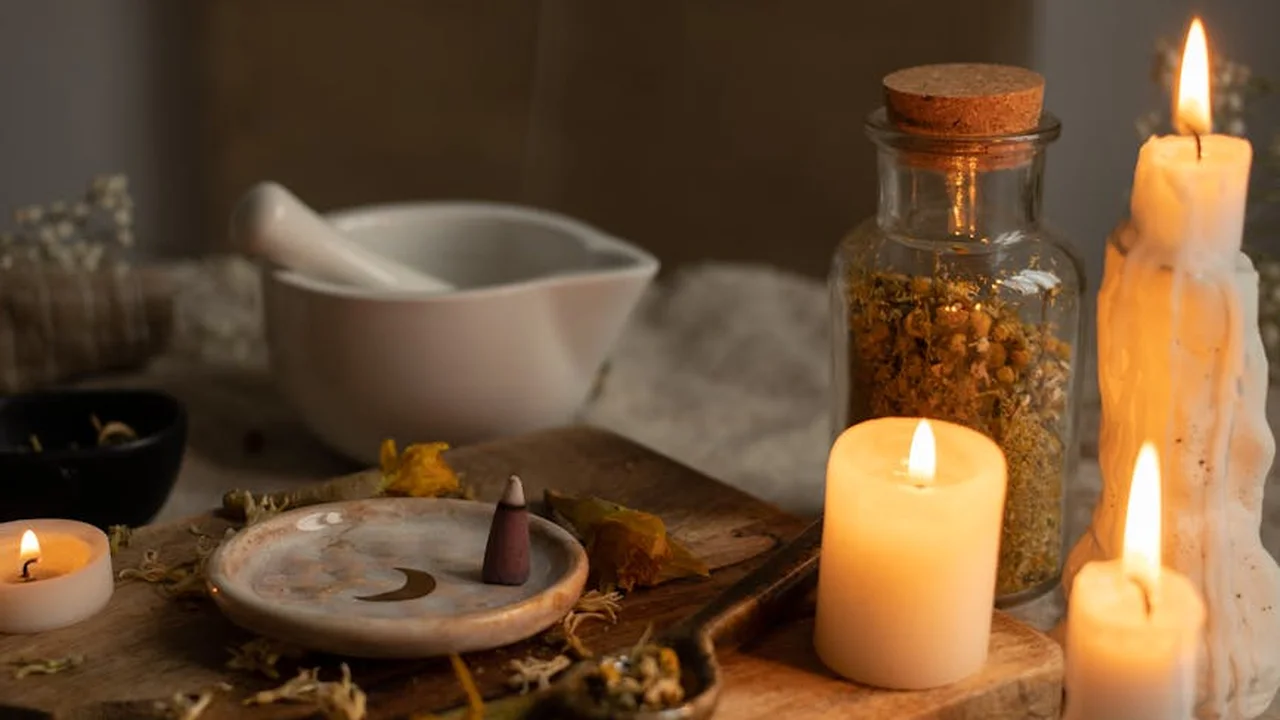
Making candles is a beautiful craft. I want yours to be safe from start to finish. A good candle is made with good intention, and that includes knowing a few simple rules.
Let’s talk about what’s in your oil. Some fragrance oils contain phthalates. These are chemicals used to make scents last longer. When you burn a candle with them, they release into your home’s air. Choosing oils labeled ‘phthalate-free’ is a simple step for cleaner air.
General candle safety is non-negotiable. Always place your candle on a stable, heat-safe surface away from drafts. Trim the wick to about 1/4 inch before every single burn to prevent sooting and tall flames. Never leave a burning candle unattended. Your presence is the most important safety tool you have.
Oils and Your Furry Friends
Our pets, especially cats and birds, process scents differently than we do. Their bodies can’t handle certain essential oil compounds, even when diffused in wax. It’s my practice to avoid risky oils entirely if my cats are in the house. Safety considerations extend to households with dogs too. A concise guide on diffusers around dogs and cats will be covered in the next steps.
Oils I keep off my candle-making shelf for my cats include tea tree, eucalyptus, peppermint, wintergreen, and most citrus oils (like lemon and orange). Pine, cinnamon, and clove are also on my personal no-list. Birds have extremely sensitive respiratory systems and I advise against burning any essential oils around them.
For a pet-friendly home, you still have lovely options. Gentle lavender, frankincense, and cedarwood (atlas) are often better tolerated when used sparingly in a well-ventilated room. The safest practice is to burn your candle in a room your pet does not frequently occupy, with a door open or a window cracked for fresh air.
Reading Labels and Choosing Quality Oils
Not all oils are created equal, especially for candle making. The label on the bottle is your first clue. Look for the plant’s Latin name, like *Lavandula angustifolia* for true lavender. This tells you exactly what you’re getting.
I only use oils labeled as 100% pure essential oil for my projects. Avoid bottles that say “fragrance oil” or “perfume oil” unless they specifically note they are phthalate-free and designed for candle use. A pure, high-quality oil is what makes an ‘essential oil candle’ truly a non-toxic choice. A diluted or synthetic oil can smoke, smell unpleasant when hot, or leave residues in your wax.
Check for a country of origin. Reputable suppliers are transparent about where their plants are grown and how the oil was extracted. This extra bit of info on the label builds trust that you’re working with a true botanical product, not a lab-made imitation.
Other Aromatic Paths: Using Your Oils Beyond Candles
Maybe you have a little oil left in the bottle after making candles, or perhaps you love the scent but want to enjoy it without a flame. Those leftover oils can open up a whole new world in your home.
This is the perfect time to experiment with different ways to fill your space with fragrance. I often use my candle-making remnants for projects that don’t require heat.
A common question I get is about swapping oils between uses. People often ask if they can use a diffuser oil in a… well, diffuser. The answer depends completely on what the oil was made for.
Let’s look at a couple of my favorite, simple ways to use these botanical scents around the house and for personal wellness.
Back to the Diffuser
If you have a bottle labeled specifically as a “diffuser oil” or “aromatherapy blend,” it is meant for your ultrasonic or nebulizing diffuser. These oils are formulated to mix with water and disperse into the air as a fine, breathable mist.
Using a proper diffuser oil in its intended device is the safest and most effective way to enjoy its aroma. The blend on my own shelf right now, with sandalwood and orange, works beautifully this way. Here are quick notes on which essential oils are safe and how they differ by reed or ultrasonic devices. My diffuser guide covers brand-specific compatibility.
You must avoid using a candle-specific fragrance oil in a personal diffuser. Those oils often contain non-volatile carriers or ingredients meant to be burned, not inhaled directly from a mist. They can gum up your diffuser and are not formulated for respiratory safety.
Stick to the purpose on the label. Your lungs and your diffuser will thank you.
For Wellness and Home Care
Pure essential oils are wonderfully versatile for quick, natural home solutions. With just a few ingredients, you can create personalized sprays.
For a simple room or linen mist, combine distilled water with a few drops of your favorite essential oils in a small spray bottle. Lavender and bergamot make a calming blend for pillows. Always shake the bottle well before each use, as oil and water separate naturally.
It’s worth noting that some pure, high-quality essential oils may be eligible for purchase with FSA or HSA funds for topical wellness applications, following proper dilution guidelines. Making scented candles, while enjoyable, is considered a craft and falls under a different category.
Your journey with oils can grow from candle making into daily rituals that support a calm, beautifully scented home.
Quick Answers for Botanical Candle Crafting
Are all “diffuser oils” safe to use in candles?
Not automatically-always check the label. Look for oils specifically formulated for candle making, as they are tested for heat stability and safe burning.
What should I look for when buying a pre-made “essential oil candle” to ensure it’s authentic?
Seek candles that list the specific botanical oils used, not just “natural fragrance.” A reputable maker will also use a natural wax base like soy or beeswax and be transparent about their ingredients.
I have cats. Which essential oils should I absolutely avoid in my homemade candles?
For safety, avoid tea tree, eucalyptus, peppermint, wintergreen, pine, and most citrus oils. When burning any candle, do so in a well-ventilated room separate from your pets.
How can I make my first DIY botanical candle project as simple as possible?
Start with a forgiving soy wax and a pre-blended, candle-safe diffuser oil. This removes the complexity of blending and ensures a reliable scent throw for your initial success.
Letting Your Craft Settle and Shine
The best candle you’ll make starts with the highest quality oils you can source and a patient hand with the heat. Treating those precious botanical extracts gently protects everything that makes them wonderful for your home and your mood.
I invite you to follow along here for more ideas that weave oils for body, skin, hair, wellness, and home into your days. Trust the advice you find, but trust your own nose and instincts even more.
Industry References
- Essential Oils for Candle Making – CandleScience
- Fragrance Oils for Candles & Soaps | The Flaming Candle
- Essential Oils for Candle Making | Bramble Berry
- Essential Oil Candles- Hand Poured | Non-Toxic | 100% Plant Based – Juniper Ridge
- r/candlemaking on Reddit: I can’t decide wether to use essential oil or fragrance oil in candle
- Essential Oils | 100% Pure | Bulk Discounts | makesy®
Noemi Kamińska
Noemi is an accomplished wellness researcher, nutrition care guide and body care expert. She has years of experience in formulating various oil combinations for full body wellness including face, hair, body care, essential oils and cooking oils. She works as a bio-formulator working with oil chemistry and analyzing the best formulations when it comes to your needs. Feel free to reach out to get your oil needs sorted.