
Where Can You Buy Apricot, Rosehip, Truffle, Grape Seed, and Sesame Seed Oils for Cooking and Skincare?
Searching for the right oil can feel like a puzzle, especially when you need it for both your kitchen and your skincare shelf. From my own apothecary work, I know that a good source makes all the difference in quality and results.
My biggest advice is to match the oil’s purpose with the right retailer, and I’ll show you exactly how.
- Key differences between oils for eating and for your skin
- My trusted go-to shops, both online and in person
- Simple signs of a pure, high-quality oil to look for
- How to store each one to keep it fresh and effective
Your First Step: Decoding Oil Labels for Safety and Quality
Think of food-grade and cosmetic-grade oils like kitchen towels and bathroom towels. You *could* use either for any job, but they’re designed for different purposes.
Food-grade oils are processed and tested for purity you can ingest, while cosmetic-grade oils are chosen for their texture and stability on your skin.
Terms like “cold-pressed” or “expeller-pressed” tell you how the oil was squeezed from its seed or nut.
- Cold-Pressed: Made with minimal heat. This preserves delicate nutrients and flavors, perfect for both a salad dressing and a face serum.
- Unrefined: The oil is filtered, but not heavily processed. It keeps more color, scent, and nutrients. It’s the most “whole” form.
- Expeller-Pressed: Uses mechanical pressure, often with some heat. It’s a reliable, common method for many cooking oils.
Light and heat are an oil’s biggest enemies. I always look for oils sold in dark amber or cobalt blue glass bottles. The bottle of grapeseed oil on my shelf, kept in a cool cupboard, has stayed fresh for over a year this way.
For your skin, these plant oils are called “carrier oils” because they safely carry or dilute powerful essential oils, like patchouli or lavender, before they touch your skin.
Apricot Oil: Silky Texture for Cooking and Complexion
Apricot kernel oil has a light, barely-there scent reminiscent of almonds and a smooth texture that absorbs without a heavy residue. It leaves skin feeling soft, not greasy. How does it stack up against gingelly (sesame) and avocado oils for skin benefits? This trio often features in discussions about nourishing skin with lightweight, soothing oils.
For cooking, its mild, slightly nutty flavor works well in salad dressings, baking, and light sautéing. Look for it in the specialty oil, baking, or international foods aisle of a well-stocked grocery store.
With a medium smoke point, it’s best for gentle cooking, not high-heat frying.
When you ask, “Where can I buy apricot oil for skincare?”, start in the organic wellness section of markets or from trusted online apothecaries that specialize in natural body care.
My quick pro tip? It’s a fantastic, gentle makeup remover. I also love mixing a few drops of lavender essential oil into an ounce of apricot oil for a calming body treatment after a shower.
Where to Find Apricot Oil for Your Kitchen
In the store, you’ll often find it shelved near other delicate nut and seed oils like almond or grapeseed oil. It’s a lovely, light alternative for baked goods.
Once opened, treat it like a perishable ingredient and store it in the refrigerator to significantly slow down rancidity and extend its life.
Where to Find Apricot Oil for Your Skin
This oil is a friend to sensitive and mature skin types because it’s so gentle and nourishing. You can find it sold on its own or as a star ingredient in moisturizers and serums.
Don’t forget to check hair care blends, too. Its light texture can help add shine and manageability without weighing down fine hair.
Rosehip Oil: Brightening Skin and Enhancing Wellness
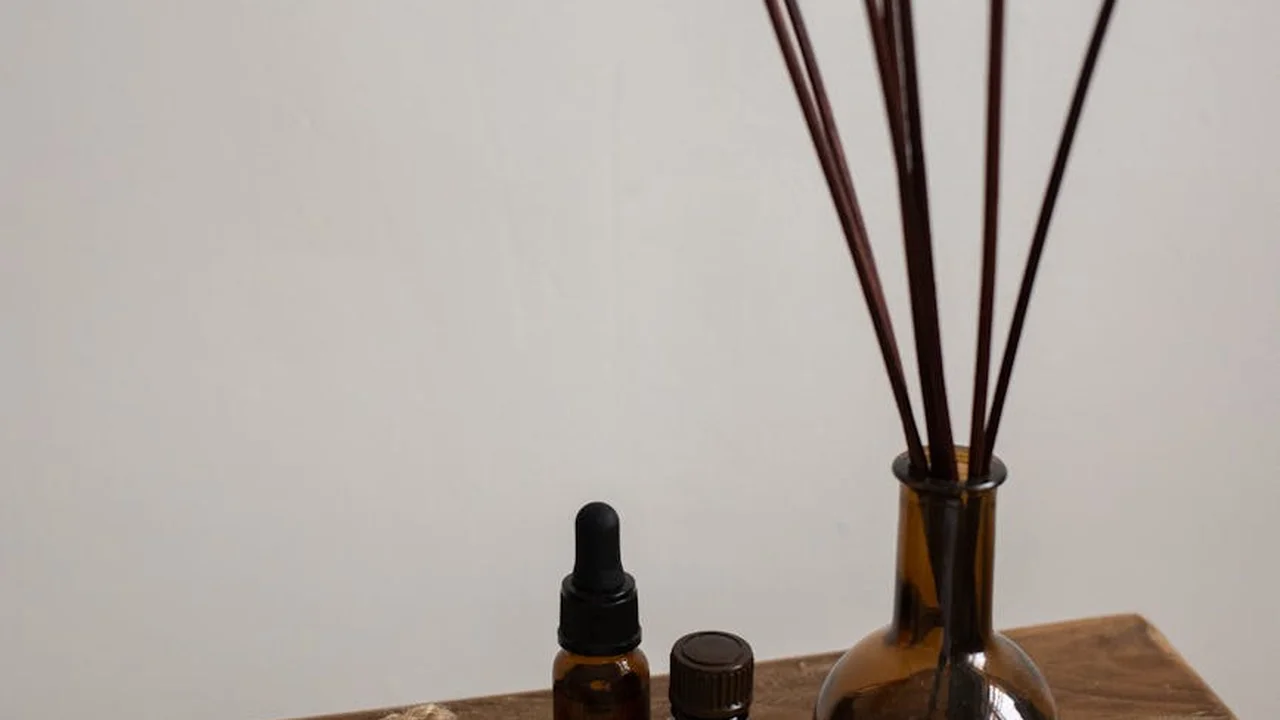
Rosehip seed oil is a potent, skin-renewing treasure. Its scent is earthy and herbal, like dried rose petals and autumn leaves, not a floral perfume.
For internal wellness, you are more likely to find rosehip as a supplement. It is commonly sold in capsule form or as a tea, rich in vitamin C. If you are searching for concentrated wellness oils to take internally, like “where can I buy krill oil,” you will find rosehip in the vitamin aisle, not the cooking oil section.
When your goal is skincare, you need a different bottle. You want 100% pure, cold-pressed rosehip seed oil for your face and body. I look for dark amber or cobalt glass bottles, which protect the delicate oil from light damage. Consider how you can use rosehip oil with other botanical face oils in your daily skincare routine. Pairing rosehip with other botanical oils helps tailor hydration and nourishment to your skin’s needs.
This oil has a shorter shelf life than many others. Once opened, I keep my bottle in the refrigerator to keep it fresh and potent for longer. The cool temperature also feels amazing when you apply it.
Sourcing Rosehip Oil for Dietary Supplements
For cooking or consuming, rosehip oil is rare. Instead, you will find its benefits in other forms. I use dried rosehips to make a tart, vitamin-rich tea in the winter.
When choosing a supplement, I always check the label for organic certification to ensure purity. This is especially important for anything you plan to ingest regularly.
Sourcing Rosehip Oil for Topical Magic
Rosehip is a prized “dry oil,” meaning it absorbs quickly without a heavy, greasy feel. A quality bottle should list only one ingredient: *Rosa canina* (rosehip) seed oil.
Because it is so active and rich, always do a patch test first. Apply a small drop to your inner arm and wait 24 hours to see how your unique skin responds before using it on your face. My skin glows when I use it, but listening to your own skin is the best practice.
Truffle Oil: Navigating Culinary Flavor and Skin Claims
I need to be honest with you. The truffle oil you see on most grocery store shelves is not a true skincare oil. It is a culinary fragrance.
This oil is almost always a neutral base, like olive or grapeseed, infused with a synthetic compound that mimics the smell of truffles. It is designed for your kitchen, not your complexion.
For cooking, you can find small bottles in the specialty foods or oil aisle of nicer grocers. Use just a drop or two. Drizzle it over finished dishes like risotto, pasta, or popcorn to avoid cooking off its delicate, earthy aroma.
For skincare, a true oil infused with real truffles is a rare luxury item. The marketing hype around it can be intense. Treat any skincare claims with healthy skepticism.
Its scent is robust and deeply earthy, similar to a high-quality patchouli essential oil perfume. A little goes a very, very long way.
Buying Truffle Oil for a Gourmet Touch
If you want the best flavor for your food, reading the label is everything.
Look for a short ingredient list that includes actual truffle pieces. The label might say “infused with Tuber melanosporum” (black truffle) or list truffle as an ingredient.
Avoid bottles that only list “truffle aroma” or “truffle flavor,” as these are made with synthetic chemicals. They can taste harsh and artificial compared to the real thing.
I keep one small, quality bottle in my pantry for special dishes. It lasts forever because you use so little.
Considering Truffle Oil for Skin
I advise extreme caution here. Putting a culinary-grade, often synthetically flavored oil on your face is not a good idea.
The fragrance components can easily irritate skin. If you are curious about a genuine truffle-infused skincare oil, talk to a dermatologist first.
For proven anti-aging and skin-nourishing benefits, I consistently reach for more reliable oils from my shelf.
Rosehip seed oil is my go-to for evening skin tone and supporting elasticity. Grape seed oil is a fantastic, lightweight moisturizer packed with antioxidants. Both are far more predictable and gentle for daily use.
Grape Seed Oil: The Neutral Partner for Heat and Hair
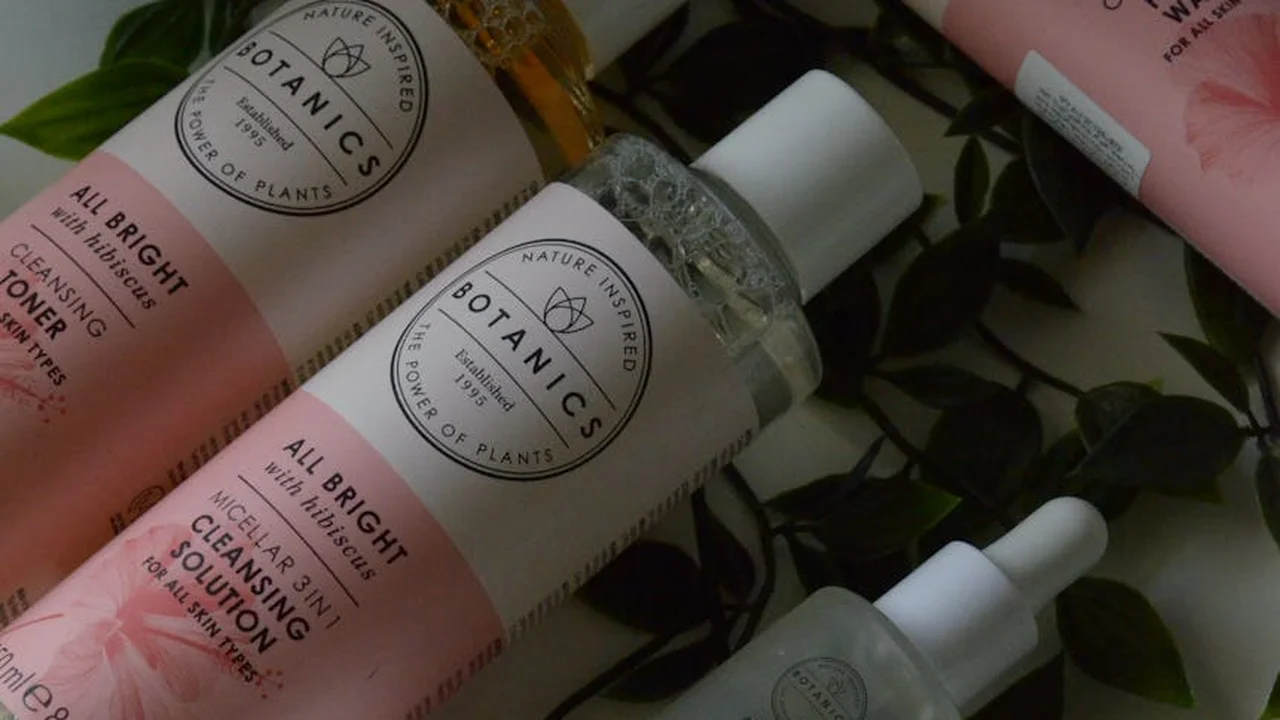
Grape seed oil is the quiet workhorse in my collection. It has almost no scent, so it won’t clash with your food or perfume your skin.
Its high smoke point makes it my go-to for searing meats and stir-frying. This oil handles heat beautifully without burning or turning bitter.
On your body, it feels light as water and absorbs quickly. It never leaves a greasy film, which is why I love it for hair ends and summer skin.
You can find it just about anywhere. I pick up my cooking bottle from the grocery store aisle. My skincare bottle comes from the natural beauty shop.
On my own shelf, I have two spray bottles. One lives by the stove for high-heat cooking. The other is in my bathroom, perfect for taming frizzy hair ends on humid days.
Finding Grape Seed Oil for Cooking
Head to the cooking oil section of any major supermarket. Look for it right next to the canola and vegetable oil.
Its affordability and neutral flavor make it a pantry staple you can use without thinking twice. You don’t need a fancy, expensive bottle for everyday searing and sautéing.
Finding Grape Seed Oil for Skincare
In the world of skincare, grape seed oil is a superb carrier or base oil. It’s ideal for safely diluting potent essential oils for massage or body blends.
I often use it as the main oil in my homemade sugar scrubs. Its light texture is a common feature in products formulated for oily or combination skin types. You’ll find it in serums, moisturizers, and pure form at natural food stores and online beauty retailers.
Sesame Seed Oil: From Aldi’s Aisle to Your Night Routine
The first thing to know is that not all sesame oils are the same. The oil in your grocery store and the one for your skin shelf are two different characters. Understanding the differences between oils is crucial, especially when selecting lightweight oils for oily and combination skin.
Toasted sesame oil has a deep, nutty aroma and a dark golden color. It’s a finishing oil for flavor. Cold-pressed sesame oil is lighter in color and scent, pressed from raw seeds to preserve its nutrients for your skin.
Many people search “does Aldi have sesame oil” or “does Trader Joe’s have sesame oil.” They often do. You’ll usually find the toasted version in the international or Asian foods aisle, perfect for your stir-fry.
For skincare, look to cold-pressed. This is the oil used for centuries in Ayurveda. It’s a classic for abhyanga, a form of self-massage meant to ground and nourish.
Please never use toasted sesame oil from the grocery store on your skin. The high-heat processing makes it unsuitable and can irritate your skin.
Buying Toasted Sesame Oil for Your Wok
Start your hunt in the international foods aisle of any major grocer. That little bottle next to the soy sauce is likely what you need.
Remember, toasted sesame oil is a flavor bomb, not a cooking oil. You stir a teaspoon into your dish at the end, not fry with it. A little bottle lasts me months. Many cooks use it best in Asian cuisine and in simple salad dressings, where a few drops finish a dish. The next steps will explore those uses.
Buying Cold-Pressed Sesame Oil for Your Body
For this, skip the regular grocery aisle. Go to a natural food store or a trusted online retailer that specializes in carrier oils.
I keep a bottle in my bathroom. It has a naturally warming quality that feels wonderful on stiff shoulders. I just warm a few drops in my palms before a gentle massage.
From My Shelf to Yours: A Herbalist’s Buying Checklist
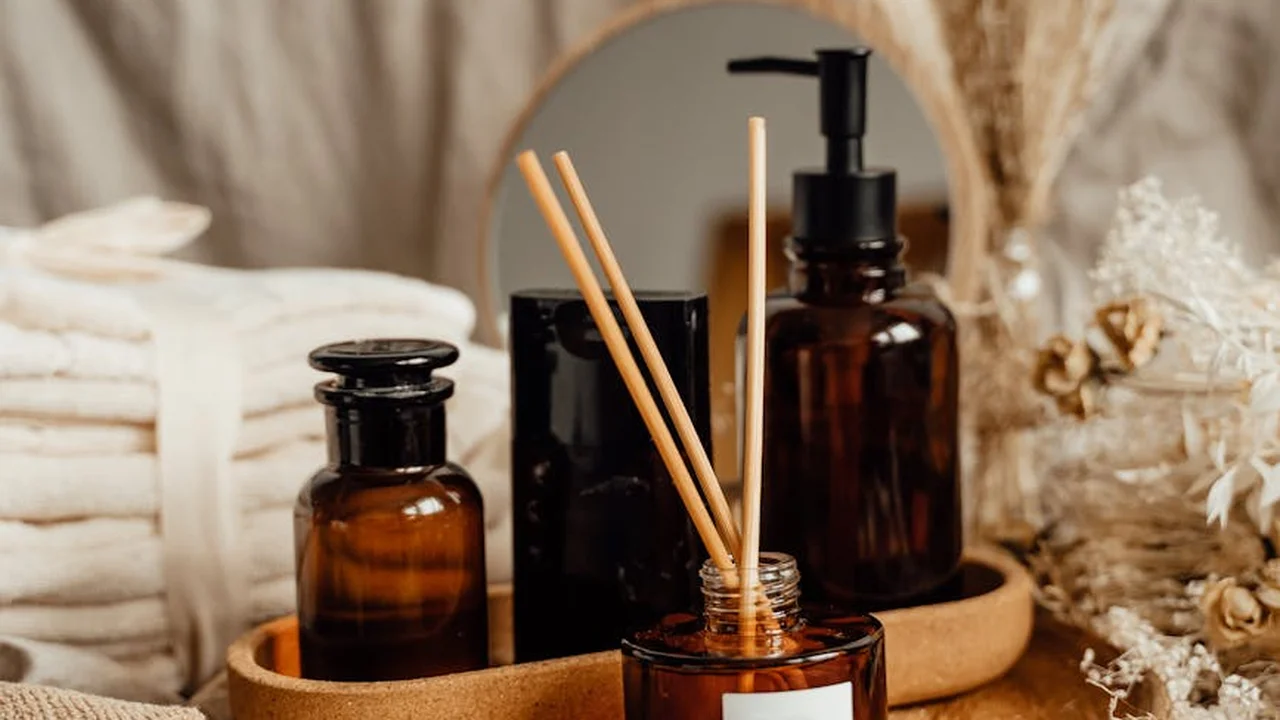
Let’s talk about what really helped me. When I first started, I got excited and bought a big, cheap bottle of “pure” rosehip oil. It smelled faintly of crayons and left my skin feeling tacky.
I learned the hard way that it was likely heavily refined, stripping away the nutrients I wanted. That bottle still sits on my shelf as a reminder to look deeper.
What Helped Me: My Non-Negotiables for Oil Shopping
Over time, I developed a few rules that never fail me.
- I check the bottling or harvest date, not just the expiration. Freshness is everything with delicate oils.
- I research the supplier’s reputation for transparency. Do they share their sourcing or extraction methods? I trust shops that do.
- I always smell it first if the bottle allows. Rancidity has a distinct stale, sour note. A good oil should smell true to its source.
- For skin, I choose oils packaged in dark glass bottles. Light degrades oil quality fast. I avoid clear plastic entirely.
Recommended Products: Categories to Seek Out
Instead of specific brands, I look for these quality markers. They point you toward the good stuff.
Look for a cold-pressed, organic sesame seed oil. This method preserves its distinctive, nutty aroma and sesamol, a natural preservative. Homemade sesame oil is your best bet for purity and freshness. Toasted sesame oil is a separate, powerfully flavored kitchen hero.
Seek a food-grade, cold-pressed apricot kernel oil from a reputable nut oil brand. This ensures it’s safe for both your salad and your face. It should smell subtly of almonds.
A high-quality, cold-pressed grapeseed oil is a kitchen and skincare multitasker. It’s light, virtually odorless, and absorbs quickly. I also keep oils like safflower for similar lightweight blending, and richer ones like patchouli oil for grounding aromatic blends, never for cooking.
Quick Snapshot: Our Five Oils at a Glance
This table breaks down your search. Think of it as your cheat sheet.
| Oil Name | Best For (Cooking) | Best For (Skincare) | Key Buying Tip | Scent Profile |
| Apricot Kernel Oil | Light sautéing, salad dressings, baking | All skin types, a superb carrier oil for face serums | Must be food-grade if using internally; cold-pressed is best | Very mild, slightly nutty and sweet |
| Rosehip Seed Oil | Not for cooking | Dry, mature, or scarred skin; excellent for facial rejuvenation | Look for cold-pressed, organic, and stored in dark glass | Earthy, rich, slightly woody (can vary) |
| Truffle Oil | Finishing oil for pasta, risotto, eggs | Not typically recommended | Ensure it contains real truffle pieces or extract, not just synthetic flavoring | Pungent, deeply earthy, mushroom-like |
| Grapeseed Oil | High-heat frying, sautéing, mayonnaise | Oily or combination skin, as a non-greasy body oil | Cold-pressed retains more nutrients; it has a short shelf life | Very light, clean, almost neutral |
| Sesame Seed Oil | Stir-frying (regular), finishing (toasted) | All skin types, traditional in Ayurvedic massage (abhyanga) | Cold-pressed for skincare/wellness; toasted for culinary flavor | Nutty, warm, and distinctive (toasted is intense) |
Quick Answers from a Plant Friend
Can I use the same bottle of oil for both cooking and skincare?
Only if it’s explicitly labeled as food-grade and stored impeccably. For purity and safety, I recommend separate bottles: one culinary, one cosmetic, to ensure each is processed and handled for its specific purpose.
Which of these oils is the easiest to find in a regular grocery store?
Grapeseed and sesame (toasted) oils are the most common. You’ll find grapeseed with cooking oils, and toasted sesame in the Asian foods aisle, making them perfect pantry staples to start with. For quick substitutions, grapeseed oil is a neutral alternative to other vegetable oils in baking and frying, and it works well in salad dressings.
Is buying these oils online generally safe and reliable?
Absolutely, if you shop from reputable retailers specializing in natural foods or skincare. Always check for detailed descriptions, customer reviews on freshness, and look for those protective dark glass bottles in product photos.
What’s the most important storage tip for keeping these oils effective?
Think cool, dark, and sealed. For the delicate ones like rosehip and apricot kernel oil, the refrigerator is your best friend for preserving their nutrients and preventing rancidity after opening.
If I could only invest in one for dual kitchen and skincare use, which do you recommend?
Cold-pressed, food-grade apricot kernel oil is your most versatile choice. Its mild flavor and gentle, fast-absorbing texture make it a true two-in-one wonder for light dressings and facial serums.
Nurturing Your Botanical Oil Journey
The most important lesson from my own apothecary is this: always seek out pure, cold-pressed oils from transparent sellers. This commitment to quality ensures every oil, whether for your pan or your skin, delivers its full botanical potential.
I share ongoing tips and personal routines right here on the blog to support your exploration. Trust both the guidance you find here and your own instincts as you blend these oils into your daily life for body, hair, and home.
Deep Dive: Further Reading
- 6 Cooking Oils You Can Use on Your Skin – Puristry
- The Best Cooking Oils For Healthy Skin (Plus, The Aging Ones To Avoid) – Beautiful With Brains
- r/SkincareAddiction on Reddit: [product question] is it okay to cooking oils instead of specific cosmetic brands?
- Buy SDS Natural Cold-Pressed Oils for Cooking and Skincare – SDS MASALA
Noemi Kamińska
Noemi is an accomplished wellness researcher, nutrition care guide and body care expert. She has years of experience in formulating various oil combinations for full body wellness including face, hair, body care, essential oils and cooking oils. She works as a bio-formulator working with oil chemistry and analyzing the best formulations when it comes to your needs. Feel free to reach out to get your oil needs sorted.