
How Do You Find the Right Essential Oil Diffuser?
Staring at a wall of diffusers can make anyone’s head spin. From my own apothecary shelf, I know the perfect diffuser simply becomes a quiet, trusted part of your home.
I will walk you through the practical details I use to pick a diffuser, just like helping a friend. We will cover:
- The core types and how they feel in a room
- Matching mist to your room’s size and air
- Features I actually use daily
- Easy cleaning routines from my countertop
Your Quick Guide: Key Takeaways for Choosing a Diffuser
Match the Mist to Your Room’s Size
Think of your room as a cup and the diffuser’s mist as the water you’re pouring in. A tiny diffuser for a large living room won’t fill the space. Check the manufacturer’s recommended room size, usually measured in square feet, before you buy. I keep a compact one for my small home office and a larger model with a bigger water tank for the open living area.
A diffuser that’s too small will make you use more oil to chase the scent. One that’s too powerful for a cozy nook can overwhelm your senses. Getting this match right is the first step to a perfect aromatic atmosphere.
Understand the Different Types of Diffusers
The mechanism inside changes your whole experience. Here’s a quick look at the two main types you’ll see on the shelf.
| Type | How It Works | Best For | My Note |
|---|---|---|---|
| Ultrasonic | Uses water and high-frequency vibrations to create a cool, fragrant mist. | Most homes. It doubles as a small humidifier, which is lovely in dry winter months. | This is my daily driver. It’s gentle, quiet, and safe around kids and pets when used properly. |
| Nebulizing | Uses pressurized air to turn pure oil into a fine vapor without water or heat. | Potent, quick scent diffusion. It doesn’t humidify, but the aroma is intense and pure. | I use mine when I need a quick aromatic reset, like after cooking strong-smelling foods. |
There are also heat and evaporative diffusers. I generally steer clear of heat-based models, as warming the oil can subtly alter its delicate chemical profile.
Prioritize Safety and Convenience Features
An auto-shutoff function is non-negotiable for me. It turns the diffuser off when the water runs low, protecting the motor and preventing a potential fire hazard. This feature is a lifesaver for bedtime diffusion or if you place it near electronics on a desk.
Timer settings (like 1/3/6 hour options) give you control. You can set a short, potent burst of citrus to energize a morning routine without scenting the house all day. It also helps conserve your oils. My bedside diffuser is always set to the one-hour timer for a gentle, sleep-supporting cloud of lavender and cedarwood.
Choose for Your Senses and Style
Your diffuser will live in your space. You should enjoy looking at it. Look for a design that complements your decor, whether that’s sleek ceramic, natural wood grain, or a simple white matte finish.
Customizable mist settings are a wonderful luxury. A continuous mist fills a room fast. An intermittent mist (on for 30 seconds, off for 30) creates a subtle, sustained background scent that makes a bottle of oil last much longer. This control lets your nose, and not just the machine, decide the experience.
What an Essential Oil Diffuser Actually Does for Your Space
The Simple Mechanics of Scent
At its heart, a diffuser is a small machine that disperses essential oil molecules into your air. An ultrasonic model creates a visible, cool mist. A nebulizer creates an invisible, concentrated vapor. Both methods carry the oil’s aroma and therapeutic properties beyond the bottle and into the room you’re in.
It’s different from lighting a scented candle. There’s no smoke or soot. And it’s fundamentally different from applying oils to your skin, which requires careful dilution in a carrier oil. Diffusion is for ambient, atmospheric use.
Wellness and Home Benefits You Can Feel
When you diffuse oils, you’re engaging in aromatic care for your environment. The benefits touch on wellness and home life in a few key ways. Curious whether essential oil diffusers actually work and what their benefits and uses include? The next steps will explore that topic.
- Transforms Mood and Atmosphere: Scents talk directly to your limbic system, the brain’s emotion center. A morning blend of wild orange and peppermint on my kitchen counter creates a bright, focused start. A calm evening blend of frankincense and bergamot signals to my body that the day is winding down.
- Subtly Cleanses the Air: While not a substitute for cleaning, certain fresh, uplifting oils like lemon, pine, or tea tree can help neutralize common household odors from pets, cooking, or trash. It’s a natural alternative to synthetic air fresheners.
- Adds Moisture (Ultrasonic Only): This is a hidden benefit. The water vapor from an ultrasonic diffuser adds gentle humidity to dry air. My skin and sinuses always thank me in the winter when I have mine running with a simple hydrating blend like geranium and sandalwood.
Diffusion in Your Broader Oil Practice
Think of diffusion as one tool in your kit. You would not pour a diffuser blend directly onto your skin, and you would not try to diffuse a body oil meant for massage. Each method has its purpose. Consider diffusion tools like diffusers, diffuser reeds, and diffuser sticks, and tea tree oil as part of alternative methods.
For body and hair care, you dilute oils in a carrier oil for direct application. For home and ambient wellness, you use a diffuser. Keeping this boundary clear is a cornerstone of safe, effective practice with botanical oils. It lets you enjoy the full spectrum of benefits they offer, from the personal to the environmental.
The Different Types of Essential Oil Diffusers Explained
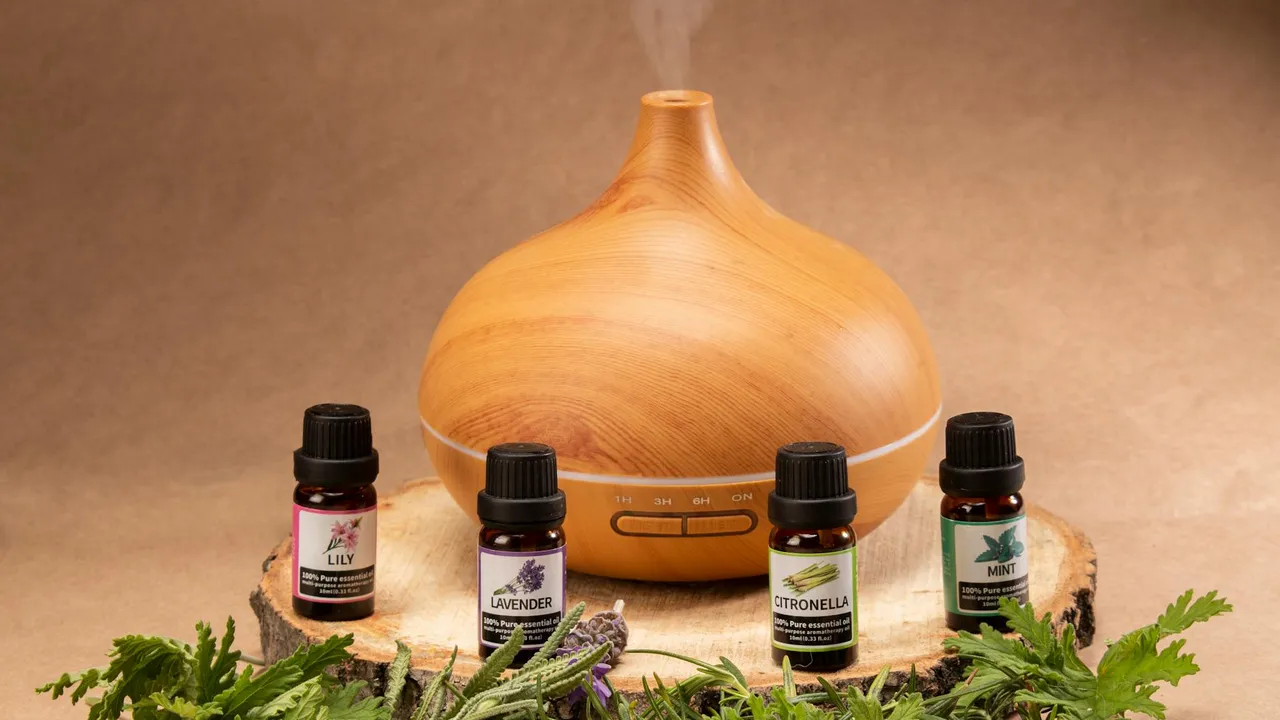
Choosing a diffuser is less about finding the “best” one and more about finding the right one for your specific needs and space. Let’s break down the four main styles you’ll encounter.
| Type | How It Works | Best For | Considerations |
|---|---|---|---|
| Ultrasonic | Uses water and vibration to create a cool, visible mist. | Quiet, ambient diffusion that also humidifies the air. | Regular cleaning needed; scent is diluted by water. |
| Nebulizing | Uses a jet of air to aerosolize pure oil without water or heat. | Potent, therapeutic-strength aroma in a large space. | Uses oil quickly; can be louder; often not for all-night use. |
| Heat | Uses gentle warmth to evaporate the oil into the air. | A simple, often inexpensive, introduction to diffusing. | Heat can alter the oil’s delicate chemical profile. |
| Evaporative | Uses airflow (a fan or porous reeds) to evaporate oil naturally. | Passive, low-tech scent for a very small area like a desk. | Offers the least control; scent throw fades quickly. |
You’ve probably seen those elegant glass bottles with wooden reeds-those are a classic passive, evaporative style. They’re beautifully simple but offer very little control over how strong the scent will be from day to day.
Ultrasonic Diffusers: The Gentle Humidifier
This is the workhorse on my own shelf. I love watching the soft plume of mist float into the room. It has a quiet, almost soothing hum. The gentle mist adds welcome moisture to our dry winter air, which is a fantastic bonus for skin and sinuses.
Think of an ultrasonic diffuser as a two-in-one device: an aroma dispenser and a mini humidifier. This makes it my top pick for bedrooms and living areas. Just remember, because it uses water, you must clean it weekly with a bit of white vinegar. This prevents a filmy buildup and keeps it running fresh.
Nebulizing Diffusers: The Potent Powerhouse
Imagine the powerful scent of peeling an orange-that immediate, vibrant burst. A nebulizing diffuser delivers aroma with that kind of pure intensity. It doesn’t dilute oils in water, so the therapeutic compounds remain fully intact.
I reach for my nebulizer when I need a powerful, focused atmosphere, like clearing the air after a long day. They create a very concentrated aroma, which means you’ll use your oils faster and the experience can be too strong for all-night use in a bedroom. They often have a soft, rushing sound, like a distant air filter.
Heat and Evaporative Diffusers: Simple and Passive
Heat diffusers, like little warmers with a tea light or a plug-in dish, are common and budget-friendly. They get the job done. My caution is that heat changes an oil. It can make a bright citrus scent feel flat or alter the supportive properties you’re after.
Evaporative options, like reed sticks or small fan diffusers, are the simplest. The scent wafts from the reeds or is blown by a tiny fan. These are fine for a first experiment or for scenting a single small corner, like your home office desk. Just know the aroma will be light and fade as the oil evaporates.
How to Choose an Essential Oil Diffuser: Your 5-Step Checklist
Now, let’s get personal. How to pick a diffuser for essential oils starts with your home and your habits. Picture exactly where it will live. Is it on your nightstand? Your kitchen counter? Your meditation corner? Hold that image in your mind. Knowing how to use a diffuser properly will help you make the right choice for any spot.
Step 1: Measure Your Room and Match the Mist Output
First, grab a tape measure. A diffuser made for a cozy 100-square-foot bedroom will vanish in an open-concept living area. Calculate your room’s length times width to get the square footage.
This number is your most important shopping guide. Look on the product box or description for “room coverage” measured in square feet. Match that number to your room’s size. There’s no standard size-it’s all about this specific match.
Step 2: Decide on Run Time and Water Capacity
Run time tells you how long the diffuser can mist before the water tank runs dry. Do you want it to run all night for sleep support? Or just for a few calming hours while you work? A larger water tank means longer run times and less frequent refills.
For my home office, I use a model with a 300ml tank. A 300ml capacity is a great middle ground for most bedrooms or family rooms, offering several hours of beautiful scent. A tiny 100ml tank is perfect for a small bathroom or desk but needs refilling often.
Step 3: Look for Customizable Mist and Light Settings
Control is what makes a diffuser feel like yours. An intermittent mist setting-say, 30 seconds on, 30 seconds off-conserves oil and prevents the aroma from becoming overwhelming. It’s my preferred setting for daytime use.
Many diffusers have LED lights. Some cycle through rainbow colors for a mood effect; others are a simple, solid glow. Ask yourself: Do I want a night light, or do I prefer no light at all? This control over mist and light turns a gadget into a personalized tool for your wellness.
Step 4: Never Compromise on Safety Features
This step is non-negotiable. Your diffuser must have an auto-shutoff feature that kicks in when the water tank is empty. It prevents the motor from burning out and is a basic fire safety must-have.
Timer settings (like 1, 3, or 6 hours) are a close second. They let you set it and forget it, safely. This directly answers the common question about running a diffuser all night-a timer makes it perfectly safe. Always place your diffuser on a stable, level surface away from other electronics and out of direct sunlight.
Step 5: Find a Design That Feels Like Home
Finally, let it fit your style. You’re more likely to use a device you enjoy looking at. Do you love clean, white ceramic? Warm wooden grain? A simple, matte plastic shape?
I have a neutral stoneware diffuser in my living room and a small, discreet wooden one by my bed. A diffuser that complements your decor stops being an appliance and starts being a part of your home. For a bedside or desk, a compact, simple design often works best.
Smart Features and Practical Considerations
Beyond the basic mist, many diffusers offer helpful extras. It’s about what fits your life.
A timer is my favorite feature. I set my bedroom diffuser for two hours before bed, so it shuts off automatically. This saves oil and water, and I don’t wake up to a dry tank.
Color-changing lights can be fun in a living space, but I find them distracting for sleep. Look for a model that lets you turn the light off completely if you plan to use it in a bedroom or nursery.
Listen closely. A good ultrasonic diffuser should make only a soft, peaceful hum or be virtually silent. The one on my writing desk right now is so quiet I forget it’s on, which is perfect for focus.
Think about cleaning day. A wide opening for the water tank makes all the difference. My go-to diffuser has a lid that pops off easily, so I can reach every corner with a cloth.
When a Diffuser Also Works as a Humidifier
This is a major wellness perk. Ultrasonic diffusers break water and oil into a fine mist, adding welcome moisture to your air. It’s one of the best ways to add humidity to any room.
In the dry winter months, I run mine with just a drop of lavender in my bedroom. The gentle humidity helps soothe my sinuses and keeps my skin from feeling parched overnight.
Remember, not all diffusers do this. A nebulizing diffuser, which uses only pure oil, does not add any humidity. Your choice here really depends on your home’s climate and your wellness goals.
Using Your New Diffuser: Tips for Safety and Scent Bliss
First, take a deep breath. Using your diffuser is simple. Follow these steps to get started.
- Place your diffuser on a stable, level surface away from electronics and direct sunlight.
- Fill the tank to the line with cool, filtered water. Don’t overfill.
- Add your essential oils. For a standard 100ml tank, I start with 3 to 5 drops total.
- Secure the lid, plug it in, and select your desired mist and light settings.
More oil is not better. Too many drops can overwhelm the room and even cause headaches. Start with less oil-you can always add another drop next time.
Always diffuse in a room with the door open or good airflow. I run mine for 30-60 minutes at a time, then give the air a chance to clear. This keeps your sense of smell responsive.
Be extra mindful of pets, especially birds and cats. Some oils are not safe for them. When in doubt, diffuse in a room they don’t access and consult your vet.
Crafting Blends and Maintaining Your Device
You don’t need complex recipes to begin. Simple pairs from my shelf work beautifully.
For evening calm, try two drops of lavender with one drop of sweet orange. For a fresh, focused morning, one drop of peppermint with two drops of lemon is wonderfully clarifying.
A clean diffuser is a happy diffuser. Oils can gum up the mechanism. Here’s my weekly routine.
- Unplug the device and empty any leftover water.
- Wipe the inside tank with a soft cloth dipped in white vinegar. This cuts the oil residue.
- Use a cotton swab dipped in vinegar to gently clean the ultrasonic plate (that little metal disc in the center).
- Rinse with a damp cloth and let it air dry completely before next use.
With this care, a quality diffuser can last for many years. The motor in a model used constantly may wear out sooner, but gentle, intermittent use and regular cleaning will give you the most life from your device.
If a Plug-In Diffuser Isn’t Right: Other Aromatic Options
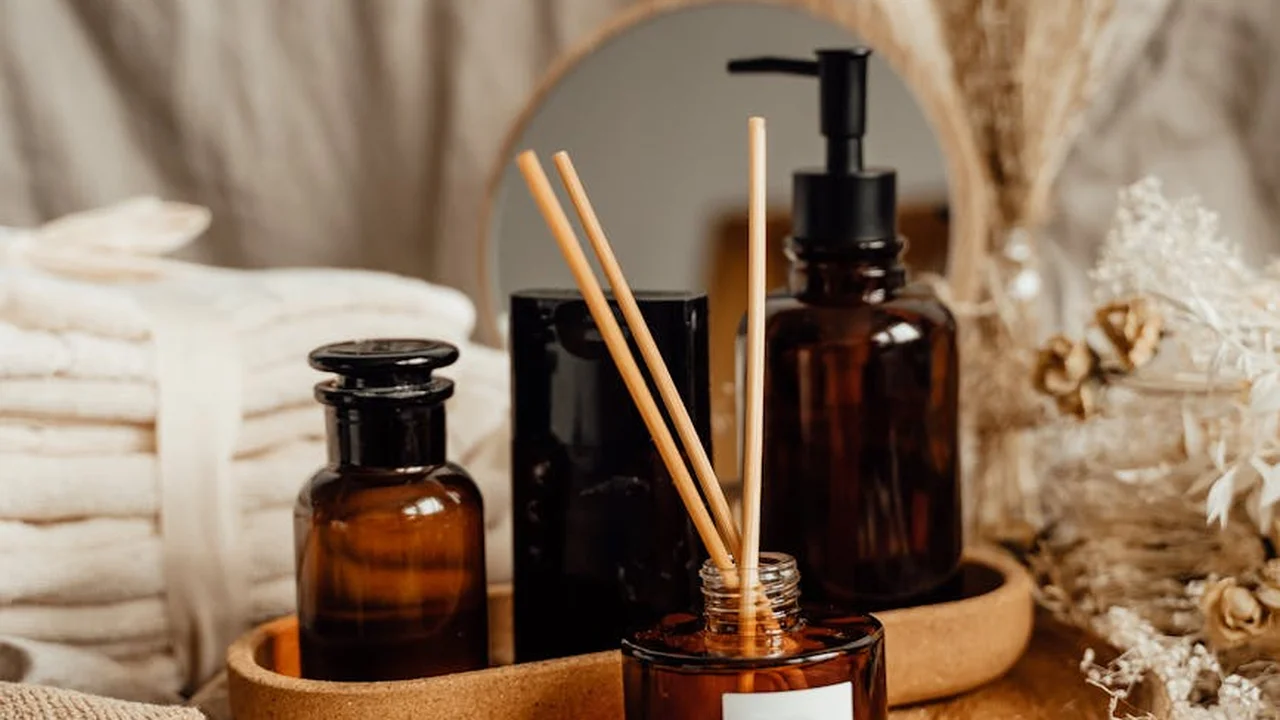
Not every home or lifestyle needs an electric diffuser. Maybe you’re renting and can’t add another appliance, traveling light, or just want the simplest way to enjoy a scent. I have options for you right here on my own shelf.
These alternatives give you beautiful aroma without cords, tanks, or timers.
Personal Inhalers for On-the-Go Support
Think of these as your private scent sanctuary. A personal inhaler is a small plastic tube with a cotton wick inside. You add a few drops of essential oil to that wick, snap it shut, and carry it anywhere.
When you need a moment of calm or focus, you just uncap it and take a few gentle breaths. This is my absolute favorite method for travel or busy days out of the house. I keep one with cooling peppermint in my bag for afternoon slumps and another with grounding cedarwood for crowded places.
They offer no continuous room fragrance, but that’s the point. The scent is powerful and targeted just for you.
Homemade Room & Linen Sprays
For a quick refresh of any space, a simple spray is incredibly effective. You can make one in minutes with water, a splash of high-proof alcohol or witch hazel (to help the oils and water mix), and your chosen essential oils, since water alone isn’t effective for diluting essential oils.
I use a 4-ounce amber glass spray bottle for mine. The ritual of misting my pillows with a soft lavender blend before bed is a small wellness act I cherish.
Remember to shake the bottle well before each use, as the oils and water will separate. Unlike a diffuser, the scent from a spray is immediate and then gently fades, which is perfect for resetting a room’s energy without overwhelming it.
Ceramic Scent Rings for Light Bulbs
This is a wonderfully passive method, ideal for renters. A scent ring is a small, unglazed ceramic disk that sits on top of a warm (not LED) light bulb.
You add a drop or two of essential oil to the ring. As the bulb heats up, it gently warms the oil and releases its aroma into the room. I use one in my desk lamp with a citrus blend to brighten my workspace.
The scent release is very subtle and disappears once the light is off. It’s a low-commitment way to try a new oil or add a light aromatic touch to a small room.
How They Compare to Electric Diffusers
Each of these options swaps certain features for greater simplicity or portability.
- No Humidification: They add scent only, not moisture to your air.
- Less Continuous Scent: The aromatic effect is more momentary or targeted, not a constant background mist.
- Portability & Simplicity: They are inexpensive, require no cleaning, and easily fit in a bag or drawer.
Choose these for quick fixes, personal use, or when you want zero fuss. An electric diffuser is better for all-day ambiance and adding humidity to a dry room.
Common Questions
Can I safely run a diffuser near my computer or other electronics?
Yes, absolutely-just place it on a stable surface at least a foot away from any vents or devices. The cool mist from an ultrasonic diffuser is minimal, and the auto-shutoff feature prevents any overflow risk.
What’s the real benefit of a diffuser with a timer?
A timer conserves your precious oils and lets you tailor the aromatic experience to an activity, like a one-hour wind-down before sleep. It’s also a key safety feature, ensuring the device never runs dry.
I see ‘diffuser sticks’ or reed diffusers-how do they compare to electric ones?
Reed diffusers are beautifully simple, passive evaporative devices best for consistently scenting a very small, enclosed space like a bathroom. For active diffusion that fills a room with therapeutic aroma, an electric ultrasonic or nebulizing model is far more effective. You can also make your own scented products like reed diffusers, room sprays, and diffuser jewelry with essential and fragrance oils.
Should I get a diffuser that also works as a humidifier?
If you live in a dry climate or want that added wellness perk, an ultrasonic diffuser is a perfect two-in-one choice. The gentle moisture it adds can be a welcome relief for your skin and sinuses, especially in winter.
Are there certain features reviews (like Wirecutter or on Amazon) say I should prioritize?
Top reviews consistently emphasize reliability, quiet operation, and easy cleaning above fancy extras. Look for consistent praise about a model’s durability and simple maintenance-it’s a sign of a well-made daily companion.
Your Home, Your Haven: Final Thoughts on Diffusing
The single best diffuser is the one you will use consistently and joyfully. Start by listening to your own daily rhythms and the quiet needs of your space. Everything else-the mist, the lights, the timer-is there to support that simple, fragrant intention, along with the best essential oils for your diffuser.
We share a lot about oils for body, skin, hair, wellness, and home right here on the blog, and I hope you’ll follow along. Trust that as you learn, your own senses will become your most reliable guide for creating a home that feels uniquely yours.
Further Reading & Sources
- The 4 Best Essential Oil Diffusers of 2025 | Reviews by Wirecutter
- r/luxurycandles on Reddit: Oil diffuser recommendations?
- Amazon Best Sellers: Best Aromatherapy Diffusers
Noemi Kamińska
Noemi is an accomplished wellness researcher, nutrition care guide and body care expert. She has years of experience in formulating various oil combinations for full body wellness including face, hair, body care, essential oils and cooking oils. She works as a bio-formulator working with oil chemistry and analyzing the best formulations when it comes to your needs. Feel free to reach out to get your oil needs sorted.