
Where Can You Buy 100% Pure Lavender and Sage Essential Oils?
Finding truly pure lavender or sage oil can feel overwhelming, with so many brands making big promises. Your caution is wise, as the quality of an oil directly affects its safety and benefits for skin and aromatherapy.
My goal is to make buying a trustworthy bottle simpler than you might think.
- How to read a label like a pro
- Key red flags that signal a low-quality oil
- My criteria for evaluating reputable brands
- Trusted places I personally look for these specific oils
Key Takeaways: Your Quick Guide to Lavender and Sage
Before we start, let’s get a few non-negotiable facts straight. These will keep you safe and help you make a good purchase.
- Never apply undiluted essential oils directly to your skin. You must mix them with a carrier oil like jojoba or sweet almond first. This prevents irritation and allows your skin to absorb them properly.
- Always check the plant’s Latin name on the bottle. For true lavender, you want Lavandula angustifolia. For sage, look for Salvia officinalis for common sage or Salvia sclarea for the gentler clary sage. This is your best guarantee you’re getting the right plant.
- A 5ml or 10ml bottle of a pure, well-sourced oil has a price. If a deal seems too good to be true, it usually is. Expect to pay roughly $10 to $20 for a quality 5ml bottle, depending on the brand and sourcing.
- Your best first stops are trusted health food stores and reputable online specialists. These retailers often vet their suppliers for purity and sustainable practices, which is a huge head start for you.
Tools You’ll Need for Aromatherapy and Topical Use
Gathering a few simple tools makes everything easier, safer, and more enjoyable. Think of this as setting up your own little blending station.
I keep mine on a small tray in my pantry.
Essential Items
- A Carrier Oil: This is your base. Jojoba oil is my daily favorite-it feels light, absorbs well, and is very stable. Sweet almond oil is another wonderful, gentle option.
- Glass Dropper Bottles: Always use dark amber or cobalt glass bottles for your finished blends. The dark glass protects the oils from light, which can break them down. I reuse mine after a good wash.
- A Diffuser: For aromatherapy, a simple ultrasonic diffuser is perfect. It uses water to disperse a fine mist of oil into your room’s air.
Helpful Extras
- Label Stickers and a Pen: Trust me, you will forget what you mixed. Label every bottle with the oils used and the date you made it.
- A Small Notebook: Jot down your recipes. Note how a blend made you feel or how your skin responded. This is how you learn what works best for you.
With these basics, you’re ready to use your oils safely and creatively. It’s a simple foundation that makes all the difference.
First, Know Your Lavender and Sage: A Simple Comparison
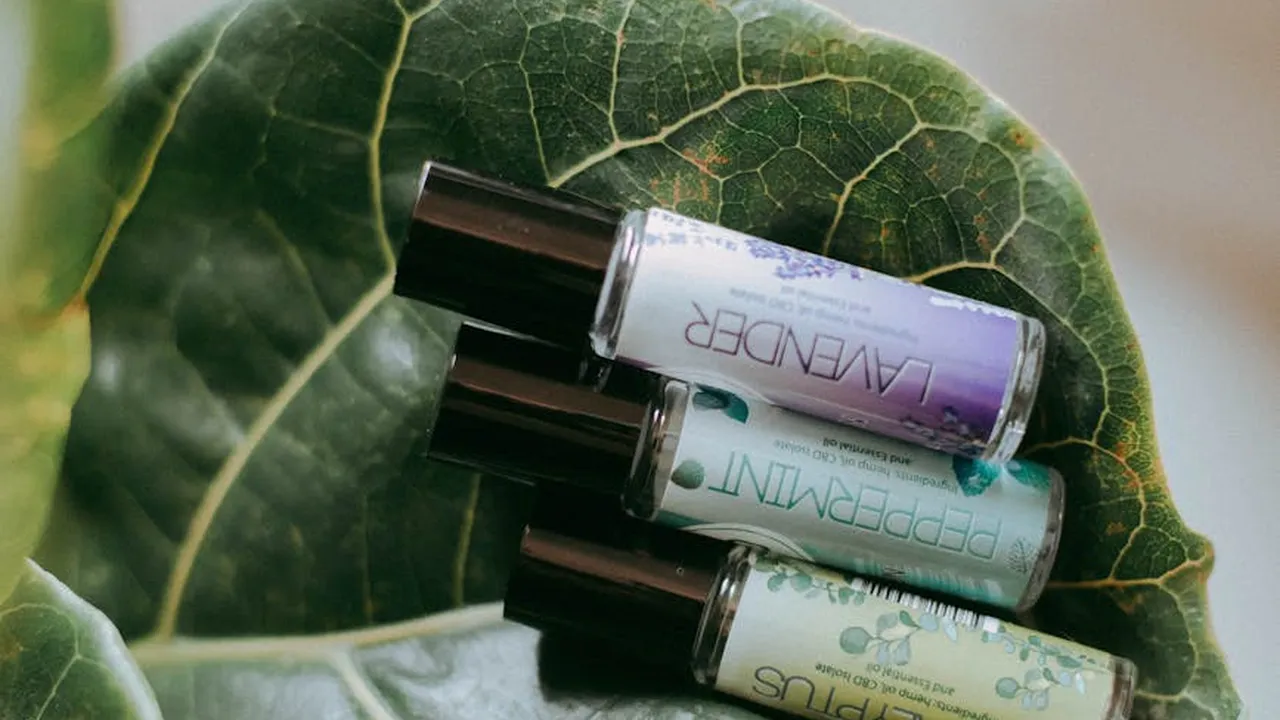
Think of these two oils as distinct personalities. Lavender (Lavandula angustifolia) is your gentle, floral friend who calms a room with her presence. The scent is soft, sweet, and herbaceous. On my shelf, I reach for it first when my skin feels irritated or my mind won’t settle for sleep.
Clary Sage (Salvia sclarea) is its wiser, more grounded cousin with a deeply herbaceous and slightly sweet, earthy aroma. It feels more relaxing to the muscles than soothing to the nerves. I use it in body oils for tension or to blend a sense of clarity into my diffuser on foggy afternoons.
Why the Latin Name is Your Shopping Compass
You might see other names. Spike Lavender has a sharper, camphorous scent. White Sage is often used for smudging, not topical use. When you are looking where to buy pure lavender oil or clary sage oil, the exact Latin name on the bottle is your first sign of a quality brand. It tells you precisely which plant you’re getting.
How to Spot a Truly Pure Oil (Before You Buy)
A label that says “100% pure” should mean the bottle contains only the aromatic compound from that specific plant, with nothing added or taken away. But the label is just the start.
Your Trust Checklist
Here is what I look for every time.
- Clear Botanical Name: It must state Lavandula angustifolia or Salvia sclarea.
- Dark Glass Bottle: Amber or cobalt blue glass protects the oil from light.
- Country of Origin: Great lavender comes from France or Bulgaria. Good clary sage often comes from France or the Balkans. This tells a story of quality.
- GC/MS Report Access: The best brands make a Gas Chromatography/Mass Spectrometry report available. This is the oil’s scientific fingerprint, proving its purity and composition.
Demystifying the Marketing
You might see “therapeutic grade” or “aromatherapy grade.” These are marketing terms, not official standards. A company’s transparency with GC/MS reports is far more meaningful.
The biggest red flag is the phrase “fragrance oil” or “perfume oil”-these are synthetic blends and not for topical wellness use. A price that seems too good to be true usually is. Producing pure oils requires a lot of plant material.
So, how do you get lavender oil that’s trustworthy? You become a label detective. Look for the dark glass, the full Latin name, and a brand that willingly shares its test results. That is how you find an oil worthy of your skin and your home.
Your Buying Guide: Where to Look and What to Expect
Let’s get practical. You’re ready to find a good bottle, and your options are closer than you think.
For that “where can I buy lavender oil near me” search, start local. I find the best gems in small health food stores, co-ops, or dedicated herb shops. The staff often know their products deeply.
Walk in. Pick up a bottle. A trustworthy brand will clearly list the plant’s Latin name, like Lavandula angustifolia. It should state “100% pure” and note the country of origin. If the scent is harsh or chemical, trust your nose and put it back on the shelf.
Navigating the Online Aisle
Online shopping opens a world of choice. Focus on retailers built around education, not just sales.
Look for sites that proudly share batch-specific test results (GC/MS reports) and detail their sourcing partnerships. They talk about distillation methods and sustainable harvesting. This transparency is your best friend.
Be cautious on large general marketplaces. It’s hard to vet the actual seller. I only buy from a brand’s own website or a very curated, reputable online apothecary I’ve researched.
Understanding the Price of Purity
Real essential oil is a botanical concentrate. It takes acres of lavender or pounds of sage leaf to fill one small bottle. That labor and plant material cost real money.
For a quality 5ml bottle of true lavender, expect to pay between $10 and $20. Sage oil, often more costly, might be $15 to $30 for the same size.
Think of it this way. That bottle holds about 100 drops. At a 1% dilution, one drop mixes into a full teaspoon of carrier oil for a lovely skin serum. Your cost per use is less than a fancy cup of coffee, for something that lasts months in your cabinet. If a price seems too good to be true, it usually is.
Can You Buy Lavender and Sage Oil Together?
Searching to “buy lavender sage oil” often leads to pre-blended synergy oils. Some brands do this well, and I make botanical oils like avocado, olive, lavender, and peppermint at home.
From my shelf, I prefer buying them separately. It gives you control. Your skin might love a gentle 3:1 lavender-to-sage ratio for calming, while a diffuser blend for focus might be a bold 1:1. Buying single oils lets you craft blends for your specific skin and moment. It’s more versatile and often more economical in the long run.
Mixing for Your Skin: A Safe Dilution Cheat Sheet
This part is non-negotiable for safety and enjoyment. Pure essential oils are potent. We always dilute them in a carrier oil like jojoba or sweet almond.
The sacred rule in my practice is this: never, ever apply undiluted essential oils directly to your skin. It can cause serious irritation or sensitization. For safe, effective body treatments, I always stress diluting with a carrier oil and creating balanced blends. This approach helps you enjoy the benefits without overwhelming your skin.
Here is a simple chart I use daily. These are general guidelines for healthy adult skin.
| For Use On | Recommended Dilution | Drops of Essential Oil per 1 Tbsp (15ml) Carrier Oil |
|---|---|---|
| Facial Serums, Sensitive Areas | 0.5% – 1% | 3 – 6 drops |
| General Body & Massage | 1% – 2% | 6 – 12 drops |
| Spot Application, Temporary Use | Up to 3% | Up to 18 drops |
Keep it simple to start. For a gentle 1% mix, remember this: for every teaspoon of carrier oil, add just 1 drop of your essential oil. That’s your foundation. We’ll cover proper dilution ratios for hair and skin and how to choose carrier oils in the next step. This will set you up for safe, effective DIY blends.
Always do a patch test. Mix your diluted oil and apply a dab to your inner arm. Wait 24 hours. If there’s no redness or itching, you’re likely good to go.
Start low. You can always add another drop next time. Your skin will thank you for the gentle care.
Simple Ways to Use Your New Oils at Home

Your bottles of lavender and sage are little keys to a more peaceful home and a cared-for body. The best part is you can start using them right away. Here are my favorite simple applications that I use weekly.
A Calm Bedroom Sanctuary
For a restful sleep blend, your diffuser is your best friend. This is the recipe I keep on my nightstand.
- Fill your diffuser’s reservoir with clean water.
- Add 3 drops of lavender oil and 1 drop of sage oil.
- Turn it on about 30 minutes before you go to bed.
The scent is soft, herbaceous, and deeply grounding. It tells your mind the day is done.
This gentle combination helps transition your nervous system from busy to quiet.
A Soothing After-Shower Body Oil
Treat your skin after a warm shower. Your pores are open and ready to drink in the goodness.
- Pour about a tablespoon of a light carrier oil (like sweet almond or fractionated coconut) into a small dish or the palm of your hand.
- Add 2 drops of lavender oil and 1 drop of sage oil to the carrier oil.
- Rub your hands together gently to warm and mix the oils.
- Inhale the aroma first, letting the scent settle you. Then, apply to your arms, legs, or chest with long, smooth strokes.
The lavender soothes your skin while the sage leaves a clean, refreshing feeling.
A Nourishing Scalp Massage
For a relaxing hair treatment, combine your oils with a nourishing base. I use jojoba oil for this because it closely mimics our skin’s natural oils.
In a small glass bottle, mix 2 tablespoons of jojoba oil with 4 drops of lavender and 2 drops of sage. Cap it and gently shake.
Before washing your hair, use your fingertips to massage a small amount of this blend into your scalp for 5 minutes. This massage can feel wonderfully calming, and the lavender may help balance a dry or irritated scalp. Leave it on for 20 minutes, then shampoo as usual.
Quick and Easy Home Uses
Your oils work hard around the house, too.
For laundry that smells of a sunny meadow, add one single drop of lavender oil to a wool dryer ball before tossing it in with your towels or sheets. The heat gently releases the fragrance.
To make a simple cleaning spray, fill a small glass spray bottle with one cup of water and one cup of white vinegar. Add 15 drops of sage oil and 10 drops of lavender. Shake well before each use. This makes a powerful surface spray with a fresh, herbaceous scent that cuts through kitchen odors. I use mine on countertops and sinks.
Caring for Your Oils and Your Wellbeing
Pure oils are precious, and your safety is too. A little care ensures you can enjoy their benefits for a long time. Remember, not all natural oils are safe for ingestion.
Storing Your Botanical Treasures
Think of your oils as you would fine spices or tea. They prefer a cool, dark place away from sunlight and heat. A cupboard or drawer works perfectly.
Always keep the lids tightly sealed. Oxygen and light are the main things that cause oils to lose their potency over time. Storing them properly in amber or cobalt blue bottles can easily extend their shelf life by a year or more. My own bottles live in a wooden box in my pantry. There’s a common myth versus fact about essential oils’ expiration. Understanding proper storage tips helps separate myth from fact.
Essential Safety Notes
These plants are powerful, and using them respectfully is key to a good experience.
- Sage oil is generally not recommended during pregnancy or while breastfeeding. If you have any health concerns, it’s wise to consult with your healthcare provider before using it.
- Always dilute essential oils in a carrier oil before applying them to your skin. This is non-negotiable for safety and comfort.
- Before using any new blend on a large area, do a patch test. Apply a small dab to the inside of your elbow and wait 24 hours to check for any reaction.
- Keep your bottles safely out of reach of children and pets. What is soothing for us can be overwhelming or harmful to them.
- Never ingest essential oils unless under the direct guidance of a qualified clinical aromatherapist or doctor.
Start with just one drop. See how it smells to you, how it feels on your skin in a proper dilution. Your body will tell you what it likes. These plant allies have been used for generations; working with them is a practice of slow, kind attention. Trust that gentle beginning.
Your Questions, Plant-Straight Answers
Should I buy a pre-blended lavender and sage oil, or keep them separate?
I recommend buying them as single oils. This gives you complete control to craft blends for your specific skin needs or moment, whether it’s a calming bedtime mix or a focused afternoon diffuser blend. They also work well when incorporated into DIY serums and masks.
What’s a good starting ratio for blending lavender and sage at home?
For a beautifully balanced blend, start with a 3:1 ratio of lavender to sage. This offers the gentle calm of lavender supported by the grounding, clarifying notes of sage, perfect for both skin and air.
How long will my bottles stay fresh and effective?
Stored in a cool, dark place in their dark glass bottles, your oils can remain potent for years. Sage oil typically lasts 2-3 years, while high-quality lavender can last 4-5 years or longer when stored properly. However, it’s crucial to check the expiration date of botanical oils for body care and culinary use to ensure their effectiveness and safety.
Is the country of origin really that important for quality?
Yes, it’s a key indicator. Optimal growing conditions and traditional expertise matter; renowned lavender comes from regions like France or Bulgaria, and premium clary sage from France or the Balkans, which often reflects in the oil’s composition and aroma.
Cultivating Confidence in Your Oil Choices
Your safest path to pure lavender and sage begins with brands that provide clear details on botanical origin and third-party testing. This diligence ensures every drop supports your body, skin, and home without compromise.
As you explore, trust the guidance from this blog and your own senses as you craft blends for hair, skin, and quiet moments. Your personal experience with these oils will become the most valuable reference on your shelf.
Sources and Additional Information
- Lavender sage | Physalis
- Lavender & Sage Essential Oil | In Search Of Wellness
- Sage & Lavender | Fragrance Oil for Making Candles, Soap | makesy®
- White Sage and Lavender Fragrance Oil – CandleScience
- ClarySage Lavender
Noemi Kamińska
Noemi is an accomplished wellness researcher, nutrition care guide and body care expert. She has years of experience in formulating various oil combinations for full body wellness including face, hair, body care, essential oils and cooking oils. She works as a bio-formulator working with oil chemistry and analyzing the best formulations when it comes to your needs. Feel free to reach out to get your oil needs sorted.