What Is the Origin and History of Olive Oil?
I keep a bottle of fine olive oil on my apothecary shelf, and its rich, peppery scent always makes me ponder its long journey to get there. If you’ve ever felt curious about the golden liquid in your kitchen, you’re right to wonder-its story is woven through thousands of years of human culture and care.
This article will guide you through olive oil’s remarkable evolution from ancient sacred offering to a modern household staple.
- Where and how the olive tree was first cultivated
- Its pivotal role in medicine, ritual, and daily life for ancient civilizations
- The major technological shifts in oil production over centuries
- How today’s methods preserve quality and tradition
Key Takeaways
This liquid gold has a story much deeper than your salad bowl.
- Its use stretches back over 6,000 years, with the earliest evidence found in ancient Crete. I often think about those first presses when I use my own bottle.
- The Romans didn’t just cook with it, they bathed in it. They’d coat their skin before scraping it clean, a practice that foreshadowed modern oil cleansing.
- It moved from a sacred substance in temples and anointing rituals to a staple in Mediterranean beauty and home apothecaries.
Unlike common vegetable oils that are heavily processed, a quality extra virgin olive oil is simply crushed fruit juice, retaining vitamins and antioxidants that benefit skin and hair.
This rich history is why it remains my first recommendation for simple, effective personal care recipes you can trust.
What You Might Want to Have on Hand
You don’t need much to bring a piece of this history into your own routine. Here’s what lives on my shelf for everyday recipes.
- A bottle of extra virgin, cold-pressed olive oil. For using on your skin or hair, the quality matters just as much as it does for food.
- A few small amber or cobalt blue glass bottles with drip tops. These protect any blended oils from light and make application tidy.
- A gentle, cream-based cleanser. This is perfect for following an oil cleanse to remove any last traces without stripping your skin.
- A dedicated wooden spoon or chopstick for mixing homemade salves or scrubs in a glass jar.
I always reach for the same cold-pressed bottle from my kitchen cabinet for my skin. If it’s good enough to eat, it’s the only grade I’ll use topically.
What Helped Me Connect the Dots
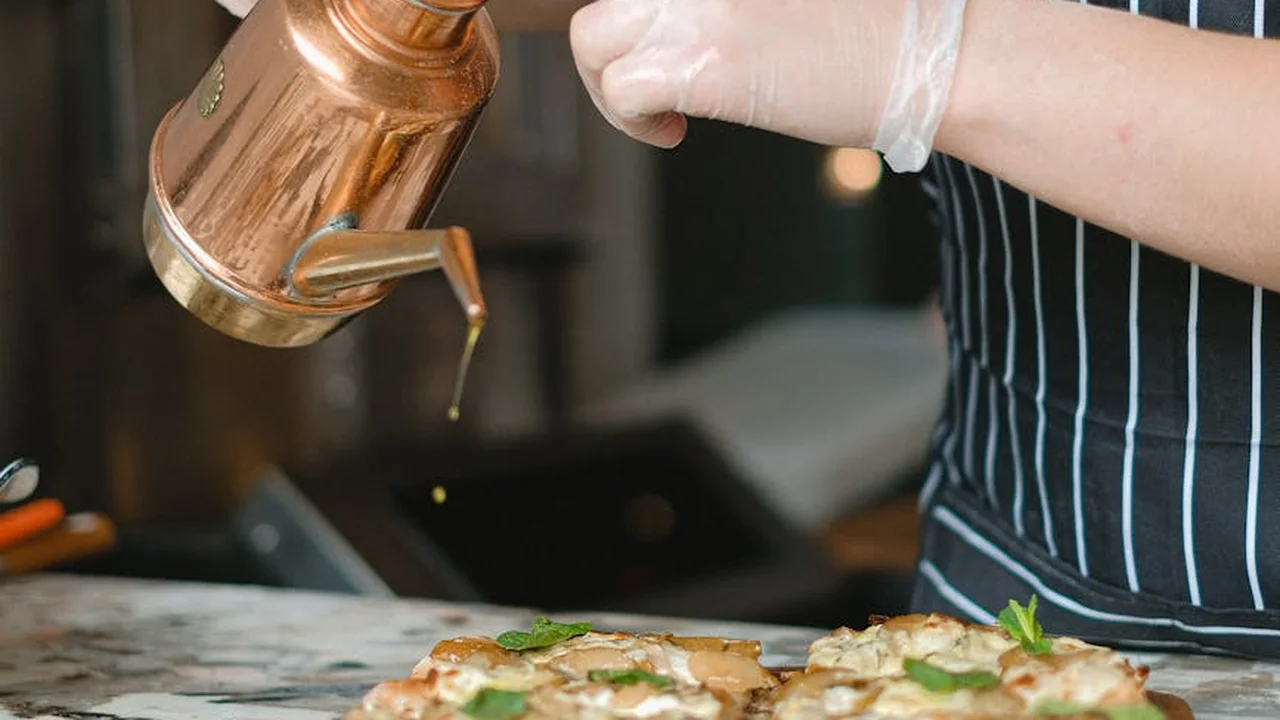
I have a small, hand-thrown ceramic jar on my workbench. I use it to store my favorite olive oil for salves. One evening, I was smoothing some into a DIY cuticle blend while reading about ancient Egyptian beauty rituals. The book described olive oil in alabaster jars. My own jar felt warm and solid in my hand. The line between then and now just vanished.
When you know the story in your bottle, you start to notice the oil’s peppery scent and lush green color with new depth. It stops being just an ingredient. You feel the generations of care behind it.
When and where was olive oil invented?
People were using olive oil long before recorded history. The earliest solid evidence comes from pottery fragments found in Israel and Crete. Residue analysis dates this use to between 6000 and 4500 BCE.
This makes olive oil one of humanity’s oldest crafted plant oils, far older than the concept of “cooking oil” from seeds. It was a cornerstone of life around the Mediterranean Sea.
It helps to clarify terms. In modern language, “vegetable oil” is a broad category. It generally means oils extracted from seeds, beans, or nuts, like soybean or sunflower oil. Olive oil is not a seed oil. It is pressed from the flesh of a fruit. This difference between seed oils and fruit oils is important to understand.
The earliest roots: wild olives to first presses
It all began with the wild olive tree. Its fruit was small and bitter. Foragers likely mashed the olives to separate the precious oil from the bitter juice. Over centuries, this led to deliberate cultivation. Farmers selected trees that yielded more and better fruit.
The first presses were simple yet effective: a flat stone base, a crushing stone, and woven fiber mats to soak up the oil. The process was slow and physical. You can still find similar small-scale presses in use today.
How this ancient oil differs from modern vegetable oils
So, what vegetable does vegetable oil come from? The name is confusing. Most commercial vegetable oils don’t come from vegetables like carrots or peppers. They come from the seeds of plants like corn, canola, or soy, or even sunflower seeds.
Olive oil is fundamentally different because it is a fruit oil, pressed from the pulp surrounding the pit, not from the seed itself. This fruit origin changes everything about its chemistry and how your body uses it.
For your skin and hair blends, this means olive oil is rich in skin-compatible oleic acid and antioxidants. It absorbs slowly, forming a gentle, nourishing barrier. Most refined seed oils lack this complex profile. For shelf life, olive oil’s natural antioxidants help it last, but its unfiltered nature means it’s best used within a year or two, unlike highly processed, stable seed oils. I always smell my olive oil before using it in a recipe. It should smell fresh and grassy, not waxy or sour.
Which ancient cultures bathed in and cherished olive oil?
Picture a Roman bathhouse, steamy and loud. The air is thick with an earthy, green scent. Patrons would rub warm, liquid gold directly onto their skin before scraping it away with a curved tool called a strigil. This ritual, practiced by Greeks and Romans, was their ultimate cleanse and moisturizer in one. The oil lifted dirt and sweat, leaving skin protected and supple. I keep a simple, unfiltered oil on my own bathroom shelf for a similar reason-it feels timeless.
You might wonder how far back this goes. The reverence for olive oil is ancient, woven into the very fabric of Mediterranean life. It was so valuable it fueled lamps, anointed kings, and sealed sacred vows.
Sacred anointing and everyday wellness in antiquity
Beyond the bath, olive oil was the original multi-use botanical. It was a sacred anointing oil for rituals, a steady fuel for household lamps that cast a gentle, smoky light, and a simple salve for soothing minor scrapes. This wasn’t just practical, it was foundational herbal wisdom-the core of alternative therapy in antiquity. People understood its protective and healing properties intuitively, long before modern science explained its antioxidants and fatty acids.
From athlete’s ritual to home remedy
Greek athletes took this a step further. Before competitions, they would massage olive oil over their entire body. It warmed muscles, offered a layer of protection from the sun and dust, and made their skin gleam under the stadium light. This practice is a direct ancestor to the body oils and massage blends we use today for recovery and care. A key difference? They often used it straight, or “neat.” While their skin was accustomed to it, we now know that for sensitive faces or specific treatments, diluting powerful oils in a carrier like olive oil is a gentler, wiser approach.
What does the olive oil history timeline look like?
As empires rose and fell, the olive tree quietly spread. Its story isn’t a list of dates, but a slow, steady migration from a regional staple to a global treasure. The timeline of olive oil is a map of trade, conquest, and shared human need for nourishment and healing.
From Mediterranean heart to global journeys
It began in the ancient Levant. Phoenician traders, masters of the sea, carried olive saplings in their ships’ holds, planting them along coasts from North Africa to Spain. The Romans then systematized its cultivation, building vast estates dedicated to olive groves. After the Roman Empire faded, knowledge was preserved in the quiet walls of monastic gardens. Monks tended the trees, pressing oil for food, light, and sacrament, ensuring the tradition survived through the Middle Ages. This set the stage for its eventual journey to the Americas.
A turning point: the shift to modern pressing
For millennia, the method was slow and physical. Donkeys turned heavy stone mills to crush olives into a paste, which was then pressed by hand or with large levers. The oil that seeped out was collected, murky and robust. The industrial revolution changed everything. The move to steam-powered steel mills and, later, high-speed centrifuge systems, marked the biggest shift in olive oil history production. These machines could extract oil faster and in greater volume, but they also created a new challenge: managing the dry, leftover pulp and pits, known as pomace. This by-product, once minimal, now needed purpose, leading to its own industry for soaps and secondary oil extraction.
How did olive oil cultivation reach America and California?
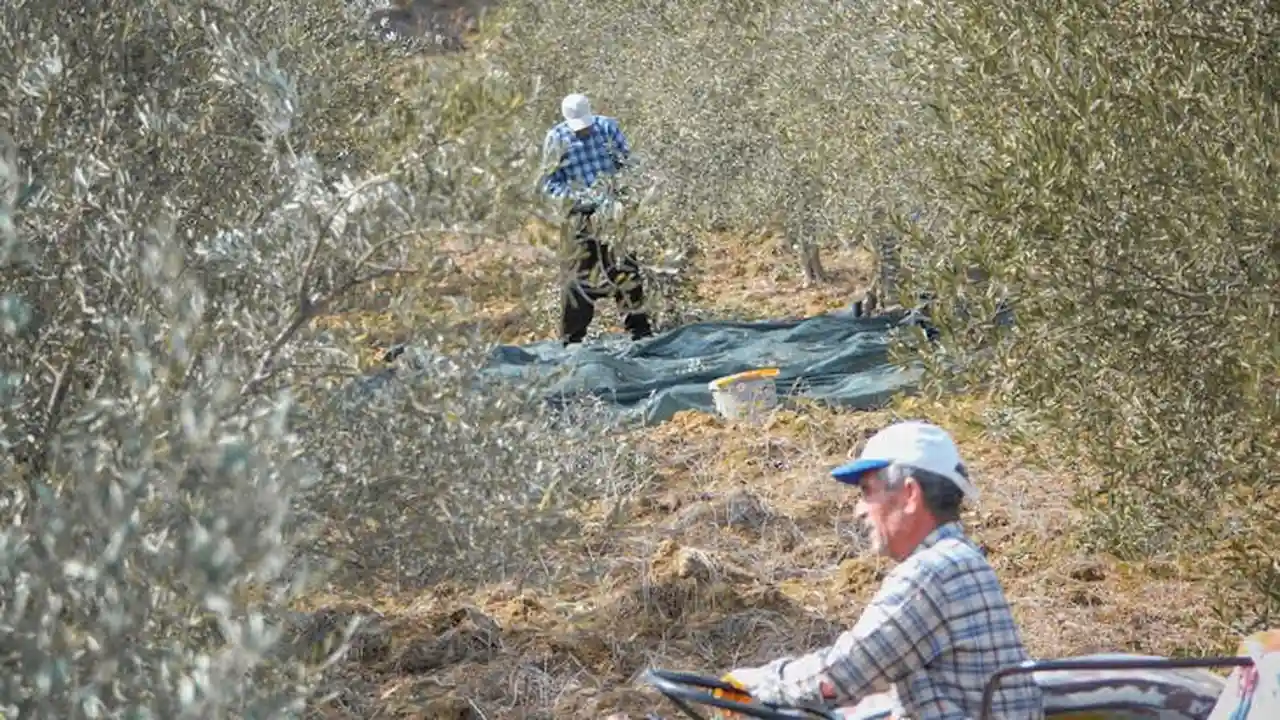
Olive oil’s journey to the New World began with Spanish missionaries in the late 18th century.
They brought olive cuttings from Mexico to establish mission gardens in California, hoping to produce oil for sacraments, cooking, and lamp fuel. This marks the true beginning of olive oil history in America.
Those early groves faced challenges but also saw success, laying the foundation for what we now know as the distinct story of olive oil history in California.
Mission gardens and golden state groves
Growing olives in this new land was an experiment. Some missions thrived, pressing substantial oil, while others struggled with the unfamiliar terrain.
The Californian climate, with its hot, dry summers and cool winters, proved to be a near-perfect mirror of the Mediterranean basin. This similarity is why the trees flourished, but the specific terroir gives California olive oil its own personality-often fruitier and sometimes milder than its European counterparts.
On my shelf, I have a bottle from a small Californian grove; its scent is distinctly grassy and bright, with a lighter, more buttery feel than the robust oils I get from Greece.
From table olives to a wellness staple
For much of the 20th century, California’s focus was on canning table olives. Premium oil was an afterthought.
That changed as global awareness of the Mediterranean diet and olive oil’s health benefits grew. California producers pivoted, investing in high-density groves and modern mills to create world-class, extra virgin oil for health and gourmet use.
This shift perfectly mirrors the global trend where olive oil transitioned from a mere foodstuff to a celebrated staple for wellness and beauty in homes everywhere.
How is olive oil made today, and how does that affect its use?
For your skin, hair, and home, the production method is everything. The gold standard is extra virgin olive oil (EVOO), obtained by cold-pressing.
“Extra virgin” means the oil is unrefined, coming from the first mechanical press of the olives without heat or chemicals, preserving all the antioxidants, vitamins, and polyphenols that nourish your body. This also ties into the difference between virgin and extra virgin olive oil. Knowing that distinction helps you choose quality and flavor for your recipes.
This is starkly different from how many common vegetable oils are made. When you look into what vegetables are used to make vegetable oil (like soy or corn), the process often involves high heat and chemical solvents like hexane to extract every last drop, stripping away nutrients.
For any wellness application, cold-pressed is the only choice.
The cold press process: capturing the goodness
True extra virgin oil is made with care. The process is simple but precise.
- Washing: Olives are cleaned of leaves and twigs.
- Crushing: They are gently crushed into a paste, pits and all.
- Malaxing: The paste is slowly stirred, allowing tiny oil droplets to combine.
- Separating: The oil is finally spun away from the water and solid pulp in a centrifuge.
When done right, the result is a vibrant, grassy-green oil with a peppery finish that tingles at the back of your throat. That peppery sensation is a sign of fresh, potent polyphenols.
Choosing the right oil for your home apothecary
Selecting an oil for your body care recipes requires a sharp eye. Always look for the words “extra virgin” and “cold-pressed” on the label, and buy oil stored in dark glass or tin bottles to protect it from light.
I keep one bottle in my kitchen for dressing and another in my pantry for making balms and hair masks.
Avoid using refined “light” or “pure” olive oil from the grocery aisle for body care. These refined oils have been processed with heat and filters to neutralize flavor and color, which also removes the very compounds that heal and moisturize your skin. They lack the life that makes olive oil so special for your wellness rituals.
How can I use olive oil in modern body, hair, wellness, and home care?
That rich history isn’t just for books. You can bring it into your daily routines with a bottle from your kitchen. I keep a small, dark glass bottle of extra virgin olive oil on my own shelf for these very purposes.
Always do a patch test before using any oil on your skin, and source a high-quality, extra virgin oil for the best results.
Olive oil for skin: a gentle cleanser and moisturizer
Olive oil is a classic for oil cleansing. It feels rich and nourishing on the skin. I find it works best for dry or normal skin types because it’s more occlusive than lighter oils like jojoba or grapeseed.
For a simple cleanse, massage a quarter-sized amount onto dry skin. Follow with a warm, damp cloth held over your face to steam, then gently wipe away.
My personal habit is to massage one single drop onto my still-damp face and neck right after a shower to lock in moisture.
Olive oil for hair: taming frizz and adding shine
Ancient athletes used it to condition their hair, and we can too, just smarter. The key is to apply it only where you need it.
For a pre-wash treatment, focus on the ends of your hair, avoiding the roots to prevent a greasy scalp. Coat the ends lightly, leave it on for 20-30 minutes, then shampoo as normal.
This method helps tame frizz and adds a soft shine, updating that ancient conditioning practice with modern knowledge.
Wellness rituals: from massage oil to oil pulling
Olive oil’s smooth glide makes it a wonderful base for massage. You can easily infuse it with calming essential oils for a relaxing ritual.
Another traditional practice is oil pulling for oral hygiene. Swish a tablespoon of oil in your mouth for 5-10 minutes, then spit it out. Do not swallow it.
A soothing, ancient-inspired massage blend
This simple blend is perfect for easing tight muscles before bed.
- Pour 1 ounce (about 2 tablespoons) of olive oil into a small glass bottle.
- Add 5 drops of lavender essential oil.
- Cap the bottle and roll it gently between your palms to mix.
Always dilute essential oils in a carrier oil like olive oil before applying to the skin to avoid irritation. Proper dilution ratios are important to know.
Olive oil in the home: polishing wood and conditioning leather
Just as it preserved tools long ago, olive oil can care for wood and leather in your home today. It creates a lovely, non-toxic shine.
For a simple furniture polish, mix two parts olive oil with one part white vinegar or lemon juice in a spray bottle. Shake well, spray onto a soft cloth, and buff onto wood.
Always test any polish on a small, hidden area of the furniture first to check for your desired finish.
Common Questions
What happens to the leftover pulp and pits after pressing (pomace)?
This by-product, called pomace, is dried and then often processed with solvents to extract a lower-grade “pomace oil.” More sustainably, the dry, nutrient-rich pomace is also repurposed as organic fertilizer, biomass fuel, or even in natural soaps, ensuring very little of the precious fruit goes to waste.
How did olive oil spread from the Mediterranean to the rest of the world?
Its journey was powered by trade and empire. Phoenician and Greek traders established groves across their networks, and the Romans later systematized cultivation throughout their territories, making it a staple across Europe and North Africa long before its voyage to the Americas.
Can I apply historical uses of olive oil directly to my modern routine?
Absolutely, but with modern knowledge for safety and efficacy. While ancients used it “neat,” we now understand the wisdom of patch testing and often diluting potent essential oils in olive oil as a gentle carrier, blending ancient trust with contemporary best practices.
Were there attempts to produce olive oil in America before California?
Yes, earlier colonies made attempts. Spanish and English settlers brought olive cuttings to places like South Carolina and Georgia in the 16th-17th centuries, but these early groves largely failed due to unsuitable climate, making California’s later success so pivotal.
What’s one key historical fact that highlights olive oil’s unique value?
It was considered sacred currency. Beyond cooking, its primary ancient uses were for anointing in religious rites, fueling sacred lamps, and as a base for healing balms, marking it as a substance of spiritual, practical, and medicinal importance from its earliest history.
The Olive’s Living History
When you select an olive oil for your skin, hair, or home, you are choosing a product shaped by thousands of years of human care and craftsmanship. I encourage you to let that deep history inform your choice, seeking out quality, cold-pressed oils that honor this legacy in every drop. That curiosity extends to the different types of olive oil and which one to choose for cooking, dressing, or dipping.
I share more practical guides and personal stories like this one right here on the blog. Trust this advice as a starting point, then confidently experiment-your own hands and senses are the best guides for your wellness journey.
Further Reading & Sources
- Olive oil – Wikipedia
- Olive Oil Origins
- The history of Olive Oil (I) – Olive Oils from Spain
- Olive Oil: A Brief History | www.OliveOilEmporium.com
- Where Olive Oil Comes From: A Brief History of Olive Oil, Types of Oli – Texana Brands
Noemi Kamińska
Noemi is an accomplished wellness researcher, nutrition care guide and body care expert. She has years of experience in formulating various oil combinations for full body wellness including face, hair, body care, essential oils and cooking oils. She works as a bio-formulator working with oil chemistry and analyzing the best formulations when it comes to your needs. Feel free to reach out to get your oil needs sorted.