
How Can I Make My Fragrance and Perfume Oils Last Longer on Skin and Clothes?
I know the feeling-you spritz on a beautiful scent, and it’s gone before you finish your coffee. From my own shelf of oils, I’ve learned a few reliable methods that truly work.
Lasting fragrance depends more on your skin’s condition and application technique than the oil itself.
- Why dry skin makes scent disappear
- The best places to apply oil on your body
- Simple ways to layer scent on fabric
- How storage affects your oil’s strength
Why Does My Scent Disappear by Lunchtime?
I hear this question all the time in my practice. Your skin is a living, breathing canvas, and its unique chemistry plays the biggest role in how a fragrance behaves.
Dry skin is like thirsty sand, soaking up oils quickly and leaving little trace of scent behind. Oily or hydrated skin provides a better, stickier base. Debunking the “oils are greasy” myth, lightweight oils can nourish oily or combination skin without clogging pores. Your natural skin pH can subtly alter a fragrance, making it smell slightly different on you than in the bottle.
Body heat is a double-edged sword. It helps diffuse the scent beautifully from your pulse points, but it also accelerates evaporation. Think of it like a simmer pot on the stove-the warmth sends the aroma into the air, but eventually, the water (or in this case, the lighter scent molecules) boils off.
This brings us to a key point: does perfume oil last longer than an alcohol spray? Often, yes. Alcohol-based perfumes hit your skin with an intense, immediate burst that evaporates quickly. Perfume oils, blended in a carrier oil, have no alcohol to flash off. They bind to your skin’s natural oils, releasing their aroma slowly and steadily over many hours.
Understanding fragrance notes explains the fading act. Top notes (like citrus or herbs) are the light, bright greeting that fades in 15-30 minutes. Middle notes (like florals or spices) form the heart, appearing as the top notes leave. Base notes (like woods, resins, or vanilla) are the anchors, lingering for hours and creating the lasting memory of your scent.
A common mistake is applying scent only to places you wash. If you dab perfume oil on your wrists and then scrub your hands at noon, of course it’s gone. We need to be smarter about placement to outlast your daily routine.
How Should I Prep and Apply Oils to My Skin?
Think of your skin prep like priming a wall before painting. The right base makes everything stick better and look more vibrant.
The single best time to apply any body oil or perfume is right after a shower. Pat your skin gently so it’s still slightly damp. That thin layer of moisture helps trap and hold the oil, slowing its absorption just enough to let the scent bloom on the surface. Some readers also ask whether body hair oil is best applied before or after a shower for maximum benefits. Generally, applying after a shower while damp locks in moisture and enhances both softness and scent longevity. This technique directly answers how long do body oils last-proper prep can add hours of wear.
Pulse points are classic for a reason. These areas where your blood flows close to the skin (wrists, inner elbows, sides of the neck, behind knees) generate gentle warmth. This heat acts as a natural diffuser, wafting your scent gently throughout the day.
Layering is your secret weapon. Before applying your perfume oil, use an unscented body lotion or a light layer of plain carrier oil on those pulse points. This creates a sticky, occlusive base that your fragrance oil can cling to.
Always remember, pure essential oils are potent. For direct skin application, you must dilute them in a carrier oil to avoid irritation, especially on sensitive areas. Your skin’s safety and comfort always come first.
The Power of a Good Base: Using Unscented Oils
In my own apothecary, I keep a small bottle of plain jojoba oil right next to my perfumes. It’s my go-to anchor.
Jojoba oil is excellent because it closely resembles our skin’s natural sebum. Sweet almond oil is another lightweight, nutrient-rich option. These aren’t greasy; they sink in gracefully and create that perfect, receptive canvas. A simple, unscented carrier oil forms a molecular “velcro” that grabs onto your fragrance notes. In a quick comparison of carrier oils—jojoba, almond, and argan—you’ll notice how each supports different massage and skincare goals. That contrast helps tailor your routine as you explore fragrance applications.
If you’re blending your own scent from essential oils, start with a safe dilution. For an all-over body fragrance, a 1-2% dilution is a gentle standard. That’s about 6-12 drops of essential oil per ounce (30 mL) of your chosen carrier oil. Knowing the proper dilution ratios for hair and skin ensures a safe and effective blend.
Where to Dab: Making the Most of Your Pulse
Beyond the wrists and neck, get creative. The crook of your elbow is a fantastic spot, often protected by clothing. Your ankles and behind your knees release scent as you move, creating a lovely personal aura.
Here’s a crucial tip I give all my clients. After you dab or roll on your perfume oil, do not rub your wrists together. Rubbing creates friction heat that can crush the delicate top notes and break down the scent molecules before they’ve had a chance to develop. Just press gently or let the oil dry on its own.
What’s the Best Way to Wear Scent on Clothes and Hair?
Your fabric choice makes a big difference. Natural fibers like cotton, wool, and linen are more porous and hold scent oils beautifully.
Synthetic fabrics like polyester can sometimes repel oil or trap scent in a less pleasant way.
For a safe application, target hidden spots. I always apply a single drop of my diluted perfume oil to an inside seam, a clothing tag, or the underside of a collar.
This protects the fabric’s visible surface and places the scent close to your body’s warmth.
Your hair is a fantastic, natural scent diffuser.
Hair holds fragrance remarkably well because the oils can cling to each strand, releasing scent subtly as you move.
Be cautious with direct application, as undiluted oils can be harsh on your scalp and hair.
Think of your hair holding scent like a slow, personal diffuser. Where a diffuser might ask how long do essential oil burns last in a room, your hair offers a gentle, all-day personal aura.
A Spritz on Fabric: Avoiding Stains and Sadness
Always do a patch test first. Apply a tiny bit of your diluted oil to an inside seam or hem and wait a few hours.
Check for any discoloration or oil ring before wearing the garment out.
Timing helps, too. Applying your scent to clothes about an hour before you get dressed gives the oil a chance to absorb fully.
This simple step minimizes the risk of transferring oil onto your skin or other surfaces.
Hair as Your Lasting Scent Ribbon
Never apply essential oils directly to your scalp. For a safe and effective method, put a drop or two of your diluted fragrance oil onto your hairbrush bristles. This is especially useful when using essential oils in DIY hair treatments.
Then, brush through your hair, focusing on the mid-lengths to ends.
My favorite trick is adding one drop of a skin-safe floral oil to my palm of leave-in conditioner before applying it.
This lightly scents my hair and adds moisture without any risk of irritation.
How Do I Store Oils to Keep Them Potent for Years?
Think of heat, light, and air as the three enemies of your precious oils. They break down the aromatic compounds.
A cool, dark cabinet, away from windows and heaters, is the perfect home for your collection. I keep mine in a kitchen cupboard.
The container matters just as much. Dark amber or cobalt glass bottles with airtight caps are the gold standard.
They block degrading light and prevent air from sneaking in.
People often ask me how long are essential oils good for once opened. It really depends on the oil.
Citrus oils like sweet orange or lemon are more fragile and are best used within a year.
Heartier oils like sandalwood or vetiver can stay vibrant for several years if stored well.
Carrier oils, like sweet almond or jojoba, also have a shelf life and typically last about one to two years.
Reading the Signs: When It’s Time to Let an Oil Go
Your senses will tell you when an oil is past its prime. A noticeable change in scent is the biggest clue.
It might smell flat, sour, or just “off” compared to when you first opened it.
You might also see the oil become unusually thick and sticky or notice a color change.
Don’t throw an old oil away immediately. An oxidized oil that’s no good for your skin can still be repurposed.
I add a few drops of older citrus oils to my homemade all-purpose cleaning spray for a fresh scent.
From My Apothecary: What Finally Worked for Me
I used to reapply perfume oil constantly. Nothing seemed to stick.
My turning point was a vanilla-infused jojoba oil from my own cabinet. Applying this as a base layer every morning completely changed the game for my skin. The light, slightly sweet oil creates a hydrated canvas that holds scent. Jojoba oil is known for its moisturizing and nourishing properties.
Fragrance just clings to it better. I smell my perfume all day now.
Storage makes a huge difference too. I keep my current favorite in a little ceramic jar tucked in my dresser drawer. Dark, cool storage like this protects oils from breaking down and losing their potency. It keeps the scent profile true and vibrant.
For homemade blends, I lean on natural fixatives. These are base note oils that evaporate slowly.
Vetiver is a powerhouse. Its deep, earthy scent is like a slow-burning log on a fire. Just one drop in a blend dramatically extends how long the entire fragrance lasts. Sandalwood is another favorite for its creamy, soft woodiness.
These are the simple, daily practices that worked for me after plenty of trial and error.
An Alternative Approach: The Scented Linen Mist
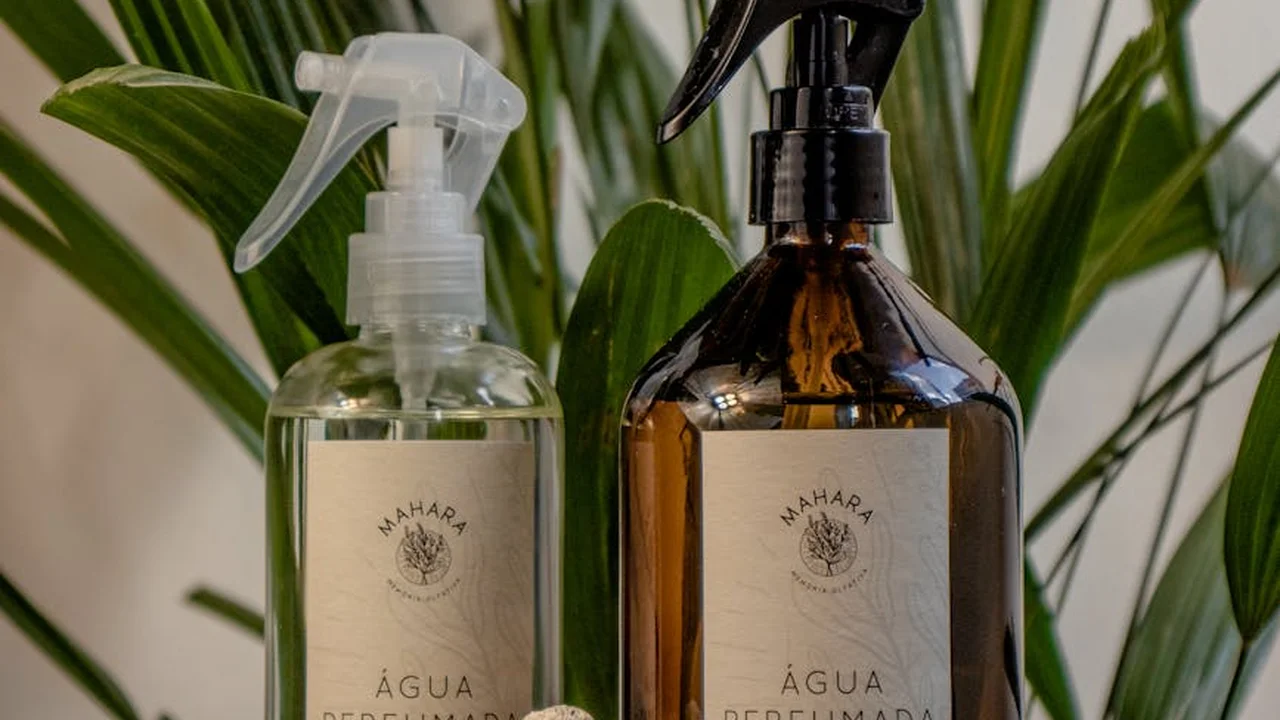
For a lasting scent on clothes and linens, I skip direct skin application. I make a gentle linen mist instead.
It is perfect for spritzing scarves, sweater cuffs, and bed sheets. This method weaves fragrance into your fabrics and your home ambiance.
Start with a 4-ounce glass spray bottle. Fill it nearly to the top with a hydrosol, such as rose or chamomile. Hydrosols are gentle, scented waters that won’t stain or leave an oily residue. Then add your essential oils.
I use a light hand here. For a calming blend, I add 6 drops of lavender and 4 drops of cedarwood. Always shake the bottle vigorously to mix the oils into the water before each use. Mist it lightly onto dry fabrics from a distance. Learning how to mix and blend essential oils is crucial to creating effective scents.
The scent is subtle but persistent, renewing every time the fabric moves.
Your Questions, Answered
Can I use the same perfume oil on my skin and my clothes?
Absolutely, if it’s properly diluted for skin safety. Always perform a patch test on a hidden fabric seam first to check for any staining.
Does hot or humid weather change how I should apply my oils?
Yes, warmth accelerates evaporation. In hot weather, focus on cooler, protected pulse points like the inner elbows and behind the knees for longer-lasting effect.
Are there any carrier oils I should avoid for fragrance blending?
I suggest avoiding very heavy or strongly-scented carriers, like some solid butters or unrefined coconut oil, as they can overpower your delicate perfume notes. Lightweight, neutral oils like jojoba or fractionated coconut oil are ideal. Choosing the right carrier oil is crucial for blending essential oils effectively.
Can I mix my perfume oil directly into my unscented body lotion?
Yes, this is a wonderful layering technique. For the best bond, mix a few drops of your perfume oil into the lotion in your palm right before applying.
Cultivating a Lasting Botanical Scent
The most reliable method for a longer-lasting fragrance is to always apply your oils to well-moisturized skin. This prepared base allows the aromatic molecules to adhere properly, giving your personal scent a durable canvas from which to bloom.
I welcome you to follow along on the blog for more trusted guidance as you experiment. Your own intuition, paired with a little knowledge, is the perfect blend for caring for your body, skin, hair, and home with these beautiful oils.
References & External Links
- r/fragrance on Reddit: Spraying not on skin but on clothes for more longevity with less projection
- Maximize Your Scent’s Longevity: Tips by Proust Fragrances
- r/fragrance on Reddit: Longevity: How Long *Should* a Scent Last, and Other Questions.
- How Long Does Perfume Last On Clothes | Secrets Revealed – alburakperfumes
- How Long Does Perfume Last on Clothes? – Momtastic Mommy Blog
Noemi Kamińska
Noemi is an accomplished wellness researcher, nutrition care guide and body care expert. She has years of experience in formulating various oil combinations for full body wellness including face, hair, body care, essential oils and cooking oils. She works as a bio-formulator working with oil chemistry and analyzing the best formulations when it comes to your needs. Feel free to reach out to get your oil needs sorted.