
How Do You Make Mayonnaise with Olive Oil at Home Without It Turning Bitter?
If your homemade olive oil mayonnaise has ever tasted harsh or broken, I understand that frustration. From my shelf of kitchen oils, I can tell you that a creamy, balanced mayo is absolutely within your reach.
The most important thing you will learn is how to control the oil’s flavor and the emulsion’s stability. This article covers:
- The real reason olive oil can turn mayonnaise bitter
- How to select the perfect oil from your pantry
- My personal, step-by-step method for a stable emulsion
- Simple fixes if your mixture separates or seizes
The Simple Reason Your Olive Oil Mayo Turns Bitter
That bitter taste comes from the very things that make a great extra virgin olive oil so healthy and complex. The bitterness is caused by natural polyphenols, powerful antioxidants abundant in robust, high-quality EVOO.
Think of it like brewing tea. A quick steep with a mild green tea is light. A long steep with a strong herbal blend is intense. Your olive oil works the same way.
Whisking or blending it vigorously into mayo is like over-steeping. This intensity isn’t a defect in your oil, it’s just a strong flavor personality that can overpower a delicate emulsion. On my shelf, I have a wonderfully peppery EVOO I love for dressings, but I’d never use it solo for mayo.
It’s All About the Oil’s Personality
A grassy, peppery, early-harvest oil is feisty and bold. A mild, buttery, late-harvest oil is calm and soft. They’re both wonderful, just for different things.
Rapid agitation during emulsification pulls those bitter notes right to the surface. The faster you blend, the more pronounced the bitterness can become. This is the core reason a standalone EVOO mayo often disappoints.
Your Foolproof, Non-Bitter Olive Oil Mayonnaise Recipe
This method is my kitchen staple. It gives you all the rich flavor of olive oil without any harshness. The secret is blending your robust olive oil with a neutral-tasting oil to soften its edges.
Here are the exact measurements for a perfect, stable batch every time.
Gathering Your Ingredients
- 1 large egg, at room temperature
- 1 tablespoon fresh lemon juice or white wine vinegar
- 1 teaspoon Dijon mustard (this really helps the emulsion hold)
- 1 cup total oil: Use a 50/50 blend. I use 1/2 cup mild extra virgin olive oil and 1/2 cup a flavorless oil like avocado or light olive oil.
- 1/4 teaspoon fine sea salt, plus more to taste
Letting your egg sit out for 30 minutes is a small step that makes a big difference. A cold egg can slow the emulsification.
The Step-by-Step Method (Two Ways)
You can make this by hand for total control, or in one minute with a tool. Both work beautifully.
Whisking by Hand for Control
- In a medium bowl, combine the room temperature egg, lemon juice, Dijon mustard, and salt. Whisk until frothy and completely blended.
- Pour your mixed oils into a container with a spout for easy drizzling.
- Now, whisk constantly. Start adding the oil, drop by single drop, until you see the mixture begin to thicken and look creamy. This slow start is the non-negotiable foundation of your emulsion.
- Once it’s thickened, you can drizzle in the remaining oil in a very thin, steady stream, whisking all the while. It will become lush and glossy.
- Taste and adjust with a pinch more salt or a splash of lemon juice if needed.
The 60-Second Immersion Blender Miracle
This is the most reliable method I know. It answers the search for “homemade olive oil mayo immersion blender” perfectly.
- Get a jar or cup that fits the head of your immersion blender snugly.
- Add the egg, lemon juice, mustard, and salt to the jar. Pour all of your pre-mixed oil blend on top. Let it settle for a moment-the ingredients will separate into layers.
- Place the head of your immersion blender all the way at the bottom of the jar, right over the egg yolk mixture. Turn it on to high speed and hold it still. Do not move it yet.
- In seconds, you’ll see a creamy white mayo form at the bottom. As the vortex pulls in the oil, slowly tilt and lift the blender head up through the oil. This takes about 30 seconds total.
- Your mayonnaise is done. It’s that simple.
Choosing Your Oils: The Blending Secret to Perfect Mayo
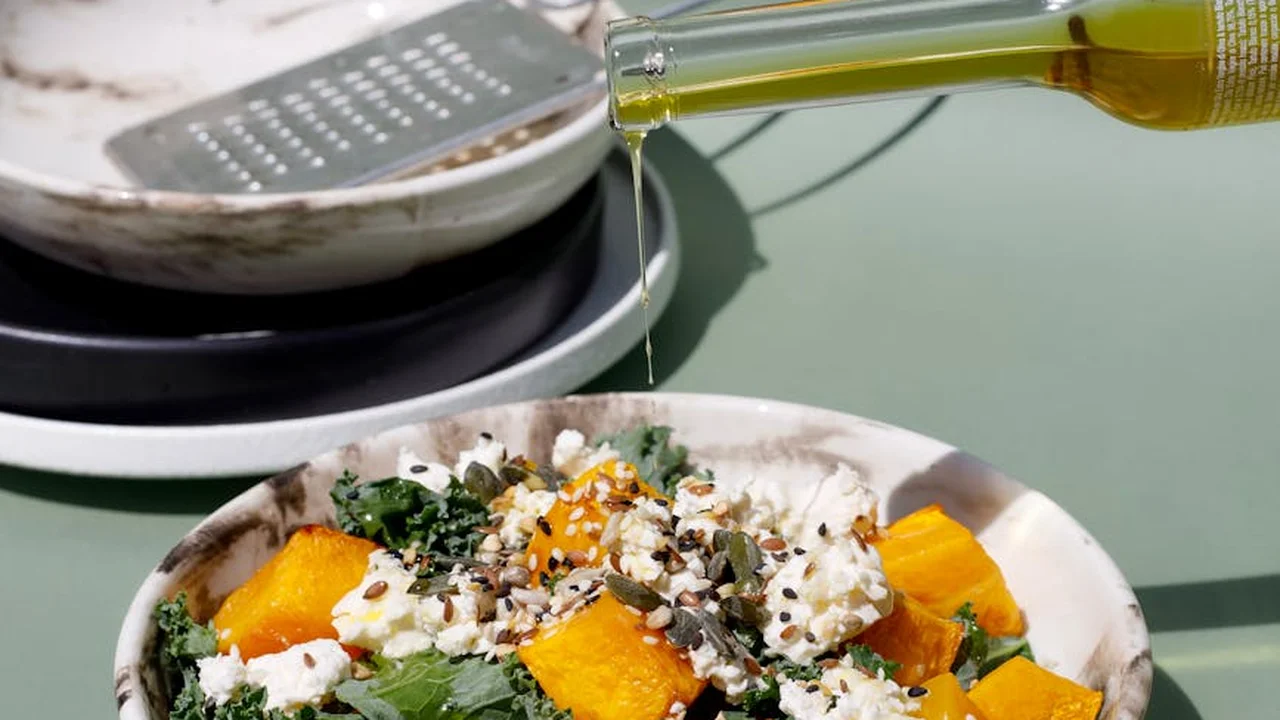
To get that beautiful olive oil flavor without the sharp bite, you need a partner. I keep a bottle of a neutral oil right next to my favorite extra virgin olive oil on my kitchen shelf for this exact reason.
Blending a flavorful olive oil with a neutral-tasting oil gives you a balanced, rich taste that won’t overwhelm your mayonnaise. A good oil blend is also the building block of smooth emulsions, which power mayo and vinaigrettes. The role emulsions play in making perfect mayonnaise and vinaigrettes becomes clear as you balance oils.
A fifty-fifty blend is my perfect starting point. It gives you the health benefits and character of olive oil while ensuring a smooth, creamy result every single time.
What is the Best Olive Oil for Mayonnaise?
Look for a mild, buttery extra virgin olive oil. The words “mild” or “buttery” on the label are a great clue.
You can also use a bottle labeled specifically as “light-tasting” olive oil. This doesn’t mean light in calories, but light in flavor. Remember that olive oil is calorie-dense, so being mindful of serving sizes is important. A brief guide to its nutritional content and typical measurements can help you portion it accurately.
Before you pour, taste a tiny drop from the back of a spoon. If it feels pleasantly grassy or fruity, it’s a good choice. If it’s very peppery or makes you cough slightly, it’s too strong for a solo mayo performance.
Regular Olive Oil vs Extra Virgin Olive Oil for Mayo
This choice is all about flavor depth. ‘Regular’ or ‘light-tasting’ olive oil is often refined. This process removes much of the strong flavor, leaving a clean, neutral oil that’s very forgiving. Different types of olive oil also differ in polyphenol content, which can affect flavor and aroma. Extra virgin and virgin oils typically retain more polyphenols than refined oils.
Extra virgin olive oil is simply crushed olives, with no refining. It retains all its complex flavors, antioxidants, and personality. Unlike the virgin kind, it comes from the first pressing.
Extra virgin olive oil offers more nuanced flavor and nutrients, but it requires you to choose a milder, fruitier bottle. For a guaranteed neutral base, the ‘light-tasting’ variety is your safest bet. It’s also ideal for baking and cooking, letting other ingredients shine.
Can You Make Mayo with Other Oils? Absolutely.
You have wonderful options beyond olive oil. This is where you can really tailor your mayonnaise to your wellness or flavor goals. Consider choosing oils that are not only flavorful but also suitable for cooking at higher temperatures, especially if you’re using the mayonnaise in dishes that require heat.
Yes, you can make mayo with avocado oil. It’s rich, very neutral, and full of good fats, making a luxuriously smooth spread.
You can also make mayo with coconut oil, but choose a refined version. Refined coconut oil has no coconut scent or taste. Unrefined (extra virgin) coconut oil will make your mayo taste like a tropical dessert.
Sunflower oil is a classic, light choice that lets other added flavors, like herbs or garlic, shine through brightly. It also stands out due to its unique properties compared to other vegetable oils.
My general rule from the apothecary applies here too: avoid powerfully flavored, unrefined oils for this delicate emulsion. They can easily dominate or create off-notes.
Mastering Variations and Fixing Common Problems
Once you’ve mastered the basic blend, the real fun begins. Think of this as your creative play and problem-solving guide.
Popular Recipe Twists to Try
For a classic homemade mayonnaise with olive oil and vinegar, simply swap the lemon juice in your base recipe for a mild white wine vinegar or champagne vinegar. It gives a different kind of bright, clean tang.
If you’re out of mustard, you can make a homemade mayo with olive oil no mustard. The egg yolk alone will emulsify it. Just know it might be a touch less stable, so add your oil even slower and keep everything at room temperature.
For a simple aioli, crush a small garlic clove into a paste with a pinch of salt and whisk it in with your egg yolk at the very start. To make a vibrant green herb mayo, blend a handful of soft herbs like parsley, chives, or tarragon with your finished mayonnaise until smooth.
Why Did My Mayonnaise Break or Separate?
Your emulsion broke. The oil and watery ingredients decided to part ways. Don’t worry, this happens to everyone and it’s completely fixable.
The surefire rescue method is to start fresh with a new emulsifier. Put one new egg yolk (or a teaspoon of prepared mustard) in a clean bowl. Then, whisking constantly, very slowly drizzle in your broken, separated mixture as if it were fresh oil. It will come right back together.
Common causes are adding the oil too quickly, using very cold ingredients straight from the fridge, or not having a strong enough base of egg or mustard to hold it all together.
My Mayo is Too Thick (or Too Thin)
If your mayonnaise is too thick, like a dense paste, just whisk in a teaspoon of warm water. This will loosen it up beautifully without affecting the flavor.
If it’s too thin and runny, it likely never fully emulsified. Your best bet is to use the rescue method described above with a new egg yolk. Thin mayo usually needs to be re-emulsified, not just thickened.
Storing and Using Your Homemade Olive Oil Mayo
This mayonnaise contains a raw egg yolk, which means food safety is your top priority. Treat it with the same care you would any fresh, homemade ingredient.
Should Mayonnaise with Olive Oil Be Refrigerated?
Yes, put it in the fridge right away. I slide my jar onto the shelf the moment the whisk stops moving.
Store it in a clean, airtight glass jar. A good seal keeps flavors in and other fridge odors out. Your homemade mayo will typically stay fresh and safe to eat for 3 to 5 days.
Always give it a quick look and a sniff before you use it. If anything seems off, trust your senses and make a fresh batch.
How to Use Your Botanical-Infused Mayo
Sure, it’s fantastic on a sandwich. But think of this mayo as a creamy, herbal canvas.
It can be the start of something wonderful. Here is what I do with mine.
- Use it as a base for dressings. Thin a spoonful with a little lemon juice or vinegar for an instant herbed salad dressing.
- Bind potato or chicken salad. It coats every ingredient evenly, carrying the flavor of your good oils throughout.
- Spread a thin layer on fish or chicken before baking. It keeps everything incredibly moist and adds a subtle, savory crust.
- Stir in a bit of garlic powder and smoked paprika for a quick, flavorful dip.
Making it yourself transforms a simple condiment. You control the quality of every oil, herb, and egg, which turns a kitchen staple into a deliberate part of your home wellness practice. It just feels cleaner.
Your Top Questions on Olive Oil Mayo, Answered
These are the questions I hear most often from friends starting their homemade mayo journey.
How do you make homemade mayonnaise not taste like olive oil?
The simplest fix is to blend your oils. Use a higher ratio of a neutral-tasting oil, like avocado or high-oleic sunflower oil, to your robust extra virgin olive oil.
I often use a 3:1 ratio of neutral to olive oil. This gives you the nutritional benefits and a hint of fruitiness without an overpowering flavor.
What oil is best for mayonnaise overall?
For the most reliable, classic mayo taste, a neutral oil is best. My go-tos are light (refined) olive oil or avocado oil. They have a mild flavor and a smooth texture that emulsifies beautifully. Neutral oils are great for cooking and dressings when you want other flavors to shine.
Blending a neutral oil with a small amount of a flavorful extra virgin olive oil is the secret for a gourmet, layered taste. It is the same principle as creating a complex blend for cooking or for the skin.
Can I use olive oil to make mayonnaise from the UK?
Absolutely. The method is the same whether you are in the UK, the US, or anywhere else. The key is your choice of oil.
Look for a bottle labeled “mild” or “fruity” extra virgin olive oil. Some robust, peppery oils common in cooking can make the mayo taste bitter. A gentler oil will give you a wonderful result.
Quick Questions, Gentle Answers
Can I use a food processor instead of an immersion blender?
You can, but it’s less reliable for a small batch. The wide blade can incorporate the oil too aggressively, which might overwhelm the emulsion or emphasize bitter notes from a robust olive oil.
Does ingredient temperature really affect the bitterness?
Yes, absolutely. Cold ingredients emulsify poorly, which can lead to a broken mayo where the olive oil’s harsher flavors become isolated. Using room-temperature eggs and lemon juice ensures a smooth, stable, and balanced blend.
If I love a strong olive oil taste, how can I safely add more?
After your base mayo is perfectly emulsified, gently fold in an extra teaspoon of your favorite robust EVOO by hand. This preserves its character without subjecting it to the high-speed agitation that causes bitterness.
Is there a way to make this mayo without an egg?
For an egg-free version, substitute the egg yolk with a tablespoon of aquafaba (chickpea brine) or a teaspoon of soy lecithin. Both are powerful plant-based emulsifiers that will happily bind with your blended oils.
Savoring Your Homemade Olive Oil Mayonnaise
The most important step is choosing a mild, fruity extra virgin olive oil and streaming it in slowly while you whisk. This gentle method preserves the oil’s character, preventing the bitterness that can come from harsh handling or lower-quality oils.
I hope you’ll continue to explore with us on the blog, finding new ways to bring botanical oils into your routines for wellness, skin, and home. Trust your own senses as much as my guidance from the shelf-your kitchen intuition is a powerful tool.
Expert Resources and Citations
- “I Can’t Believe It’s Not Bitter!” A Better Olive Oil for Mayo
- The Easy Way To Take The Bitterness Out Of Olive Oil In Mayonnaise – Chowhound
- Easy Homemade Mayonnaise Recipe (with olive oil) – Feasting At Home
Noemi Kamińska
Noemi is an accomplished wellness researcher, nutrition care guide and body care expert. She has years of experience in formulating various oil combinations for full body wellness including face, hair, body care, essential oils and cooking oils. She works as a bio-formulator working with oil chemistry and analyzing the best formulations when it comes to your needs. Feel free to reach out to get your oil needs sorted.