
What Essential Oils Are Safe for Babies and Infants?
Choosing oils for your baby can feel daunting, with so much conflicting advice out there. I want to reassure you that, from my years as an aromatherapist, a small number of gentle oils can be used safely when you follow a few key rules.
My most important advice is to always prioritize extreme dilution and know which oils to avoid entirely until your child is older.
- Specific oils considered gentle for young skin
- Exact dilution ratios for babies and infants
- Clear age restrictions and safety timelines
- Calming application methods like diffusion and massage
Key Takeaways for Parents & Caregivers
When using essential oils around your little one, one rule stands above all. The golden rule is simple: less is more, and proper dilution is an absolute must, not a suggestion.
Your entire approach rests on three safety pillars. You must respect age restrictions, master dilution, and select only the gentlest oils.
This guide walks you through a specific list of safe oils, a must-avoid list, and simple how-tos for common needs like calm sleep or a stuffy nose.
First Things First: Age Restrictions and Safety Foundations
Let’s talk age. Most experts I trust advise against putting any essential oils directly on a newborn’s skin before they are 3 months old. Their skin barrier is still developing and is incredibly delicate. If you’re considering essential oils for body care in general, it helps to know how to mix them with a carrier oil for safety and effectiveness. Proper dilution with a suitable carrier oil supports safe, gentle body treatments.
Is It Safe to Diffuse Oils Around a Newborn?
You can use a diffuser with extreme care, even for a newborn. Think of it as creating a whisper of scent in the room, not a fog.
Place the diffuser far from the crib, run it for only 15-20 minutes at a time, and always keep a door or window cracked for fresh air. I keep my ultrasonic diffuser on a high shelf across the nursery.
The Essential First Step: The Patch Test
Even a “safe” oil can cause a reaction. Before you use any new diluted oil on your baby’s skin, do a sensitivity test.
- Mix one drop of essential oil in one tablespoon of a plain carrier oil like fractionated coconut oil.
- Dab a tiny bit of this mixture on the inside of your baby’s forearm.
- Wait 24 hours. If you see any redness or irritation, wash the area and do not use that oil.
This small patch of skin can tell you a lot and helps prevent a bigger reaction later.
When to Talk to Your Pediatrician
Always check with your child’s doctor before using essential oils if your baby has any health concerns. This is especially important for little ones with sensitive skin conditions like eczema, or respiratory issues like asthma. Your pediatrician knows your child’s unique history, including whether it is safe to use coconut oil on a newborn’s skin and scalp.
Your Dilution Cheat Sheet
Dilution means mixing a tiny amount of essential oil into a larger amount of a neutral “carrier” oil, like sweet almond or jojoba oil. Here is a simple guide I use in my own practice.
| Baby’s Age | Safe Dilution Ratio | What It Looks Like |
|---|---|---|
| 3 to 24 months | 0.1% to 0.2% | 1 drop essential oil per 1-2 tablespoons carrier oil |
| 2 to 6 years | 0.25% to 1% | 1-3 drops essential oil per 1 tablespoon carrier oil |
For babies, I always start at the lowest possible dilution, the 0.1% ratio. You can find small glass bottles in my kit specifically for making these gentle blends.
The Safe List: Gentle Oils for Your Little One
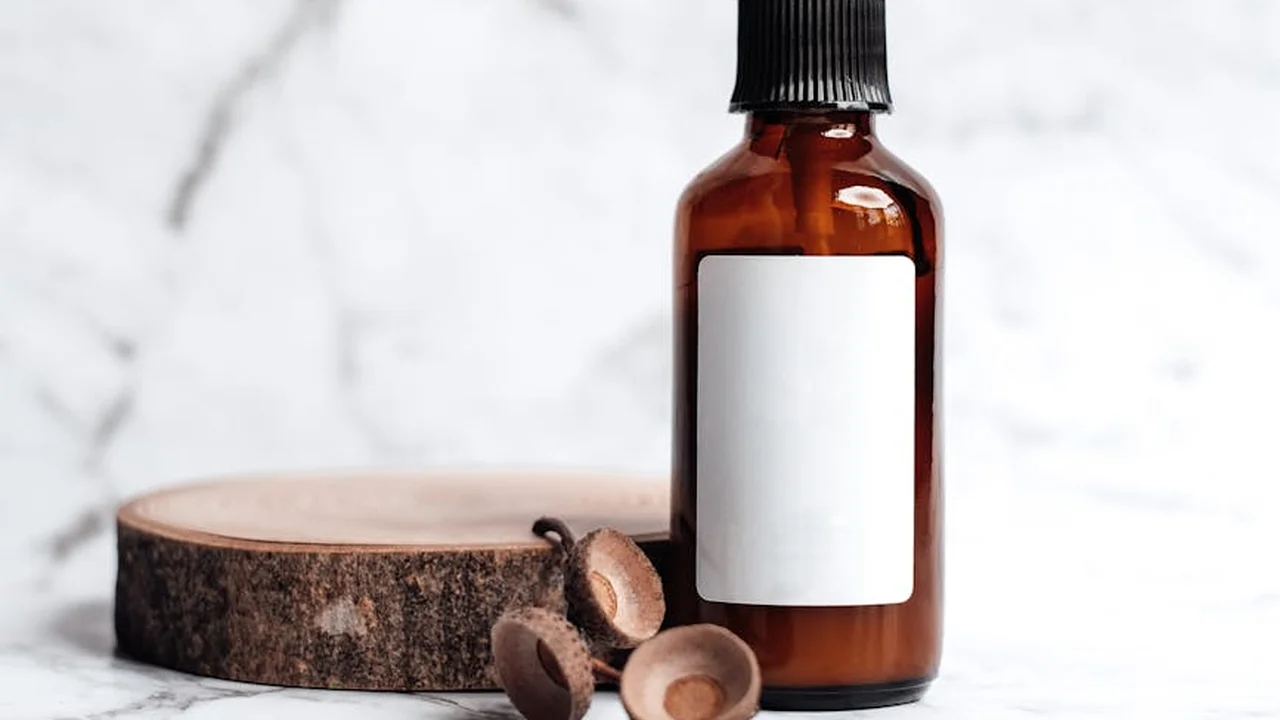
When you’re ready to introduce scents, start with this short, simple list. These are generally considered gentle options for babies over three months old. Think of it as your starter kit.
- Roman Chamomile: This oil smells like sweet, mellow apples. I keep it on my shelf for fussy evenings, as it’s renowned for its calming touch.
- Lavender (Lavandula angustifolia): The classic gentle floral scent. I use it to create a soft, sleepy atmosphere during our wind-down routine.
- Dill: A warm, grassy scent that can soothe a restless tummy. It’s a less common one, but its gentle nature is perfect for little ones.
This list answers the common search for a “baby safe essential oils list,” but it’s just a beginning. Every baby is unique. Their skin and senses are learning. Always do a patch test with your diluted mix and watch their reaction closely for a full day. Also, consider safe and gentle oils for baby skin care and follow recommended dilution guidelines.
Quality matters just as much as the oil type. You must use pure, unadulterated oils from a trusted source. If a bottle just says “fragrance oil,” put it back on the shelf.
The “Do Not Use” List: Oils to Avoid Completely
This list is non-negotiable. Some oils contain compounds that are simply too strong for a baby’s immature respiratory system and delicate skin. When choosing products for infants, many parents ask: are ingredients in baby oil safe for sensitive skin? Understanding which ingredients are gentle helps you make safer choices.
Which oils should you never put on babies? Keep these far from your nursery:
- Peppermint
- Eucalyptus
- Rosemary
- Wintergreen
- Birch
- Camphor
Oils like peppermint and eucalyptus can cause serious breathing difficulties in infants and young children. Others, like wintergreen, are toxic if absorbed through the skin. Their little bodies cannot process these powerful components the way an adult’s can.
You must be a label detective. This rule applies to pre-made blends, too. A “cooling chest rub” or “invigorating blend” likely contains mint or eucalyptus. Check every ingredient list against this “do not use” list before it comes near your child.
How to Dilide Essential Oils for Baby’s Delicate Skin
Diluting oils is a non-negotiable act of care for an infant. Their skin is permeable and their systems are still developing. Use carrier oils that are gentle on the skin for diluting essential oils.
Think of a carrier oil as a gentle vehicle. Oils like fractionated coconut oil or golden jojoba safely “carry” the powerful essence onto the skin without overwhelming it. I keep a bottle of each in my nursery cabinet.
This chart gives you a safe framework to follow. Percentages might look tiny, but they are mighty effective for little ones.
| Age | Safe Dilution | Practical Measure* |
|---|---|---|
| 3-24 months | 0.1% – 0.2% | 1 drop essential oil to 2-4 tablespoons carrier oil |
| 2-6 years | 0.25% – 0.5% | 1 drop to 1-2 tablespoons carrier oil |
| 6+ years | 1% | 1 drop to 1 teaspoon carrier oil |
*Based on approx. 50 drops per tablespoon of carrier oil.
Visualize it this way: for a calming baby massage oil, add just 1 drop of lavender to a full 1/4 cup of jojoba oil. That gentle ratio is perfect.
As your child grows, you can gradually increase the dilution, but always, always start at the lowest end of the range for their age. Their skin will tell you what it likes.
Simple Application Methods: From Air to Skin
Using a Diffuser or Humidifier Safely
You can use a diffuser around infants, but with strict protocols. The goal is a whisper of scent, not a cloud.
Place the diffuser in a large, well ventilated room, high up and completely out of reach. Run it for only 20-30 minutes at a time, and always make sure your baby has the option to leave the scented space.
This short duration allows you to introduce the aroma gently and observe how your little one responds.
For a serene naptime atmosphere, try this gentle blend in your water based diffuser:
- 1 drop Roman Chamomile
- 1 drop Lavender (a gentle variety like Lavandula angustifolia)
The same rules apply for using oils in a cool mist humidifier. Only pure water and the essential oils go in the tank carrier oils can gunk up the mechanism.
Gentle Topical Uses: Massage, Bath, and More
A nightly massage with a diluted oil is a beautiful ritual. It soothes tiny muscles and is a wonderful bonding moment. Make sure to use proper carrier and essential oils specifically designed for massage therapy.
Make a small bottle of massage oil using the dilution chart. Warm a few drops between your palms and use soft, slow strokes on their legs, back, or the soles of their feet.
This simple practice can become a cherished signal that the day is winding down.
For baths, never add essential oils directly to the water. They will float on top and can concentrate against sensitive skin.
Instead, mix your single drop of diluted oil into a tablespoon of plain, full fat milk or a unscented bath gel first. This helps disperse the oil safely before it touches the running water.
For a light, natural scent on crib sheets and sleepwear, consider wool dryer balls. Add just 1 or 2 drops of a calming oil like lavender directly onto a dry wool ball before starting the dryer cycle.
Simple Blends for Common Needs
For a Calm Atmosphere and Sleep
I keep a small amber bottle on my nightstand just for evenings. It holds a simple blend I make with my gentlest oils.
For your diffuser, try this. Add one drop of Lavender and one drop of Sweet Orange to the water. The lavender is soft and herbaceous, while the orange adds a whisper of sunny sweetness.
For a bedtime massage oil, dilute one drop of Roman Chamomile in two tablespoons of organic jojoba oil. The chamomile smells like warm apple and works wonders when paired with a slow, gentle rub on little feet.
Remember, these scents are a gentle support. A dark room, a quiet voice, and a predictable rhythm matter most for sleep.
For Stuffy Noses (Congestion Support)
When looking for baby safe essential oils for congestion, skip anything sharp or minty. Oils high in menthol or cineole, like Eucalyptus or Peppermint, are too strong for little lungs.
I rely on the mildest helpers instead. Gentle Lavender or Roman Chamomile can provide a subtle comfort.
You can try a very mild steam tent. Fill a bowl with hot water and add just one drop of Lavender. Place this bowl several feet away from where your baby is resting, never right under their nose. The goal is to lightly scent the air in the room, not create a direct steam for them to inhale.
Your first tools should always be a cool-mist humidifier with plain water and plenty of fluids to keep your baby hydrated. The oil is a quiet extra in the background.
For a Natural Bug Spray Base
For newborns and very young babies, the safest strategy is physical. I use lightweight long sleeves, pants, and a mosquito net over the stroller.
For an older, mobile infant or toddler, you can make a highly diluted spray. In a one-ounce spray bottle, combine one drop of gentle Lavender with one ounce of witch hazel or a light carrier oil like fractionated coconut oil.
Shake the bottle well before each use. Mist it lightly on clothes and exposed skin, avoiding the hands entirely so it doesn’t get near the eyes or mouth.
This is for occasional, light use during bug season, not for daily application. Always do a patch test on a small area of skin first to check for any reaction.
Your Questions, Answered
Can I use essential oils on wool dryer balls for my baby’s laundry?
Absolutely! Add just 1-2 drops of a gentle oil like lavender directly to a dry wool ball before tossing it in the dryer. This gives a light, natural scent to fabrics without any direct contact with your baby’s skin.
I’m in the UK. Are there any specific safety guidelines I should know?
The safety principles are universal, but always seek out a reputable UK-based aromatherapist or brand for sourcing. They can provide guidance aligned with trusted resources like the Tisserand Institute, which is a fantastic evidence-based reference.
I see Young Living has “baby-safe” blends. What should I look for on the label?
First, check the full ingredient list against the “do not use” oils like peppermint or eucalyptus. Even with a friendly name, a pre-diluted blend is only safe if every single oil inside it is on the approved gentle list for your child’s age.
What’s the safest way to make a bug spray for my toddler?
For mobile infants, a highly diluted spray with one drop of lavender in one ounce of witch hazel is a good base. Always mist it lightly on clothing first, avoid hands and face, and perform a patch test 24 hours before wider use. If you plan to use oils on sensitive skin, consider using safe carrier oils for blending.
My baby is over a year old. Can I start to introduce oils beyond the core safe list?
Proceed slowly and with great care. I recommend consulting a certified aromatherapist before introducing any new oil, and always, always prioritize a patch test with your new, properly diluted blend to watch for any reaction.
Nurturing with Nature’s Scents
Always dilute essential oils properly in a mild carrier oil before any use with your infant. For a quick look at proper dilution ratios, whether to apply to hair or skin, and how to mix with carrier oils, this information will guide safe usage. This fundamental step is your best tool for creating safe, soothing experiences that honor their developing systems.
Let this guide support you as you begin to experiment with these oils in your own routines. Trust your growing knowledge and your own instincts as you care for your family’s body, skin, hair, and home wellness.
Industry References
- Essential Oils for Babies: Safe Options and Their Uses
- Essential Oils For Babies’ Sleep: How To Use Them Safely – In Essence
- Essential oils for babies: how to use them, and which to avoid
- Top 12 Safe Essential Oils For Babies And How To Use Them
Noemi Kamińska
Noemi is an accomplished wellness researcher, nutrition care guide and body care expert. She has years of experience in formulating various oil combinations for full body wellness including face, hair, body care, essential oils and cooking oils. She works as a bio-formulator working with oil chemistry and analyzing the best formulations when it comes to your needs. Feel free to reach out to get your oil needs sorted.