
Does Coconut Oil Help Eyelash Growth and Is It Safe for Lash Extensions?
You’re curious if that kitchen staple can work for your lashes, and I’ve been there too. From my own apothecary shelf, I can tell you coconut oil is a gentle friend for natural care, but using it right makes all the difference.
Here, I’ll share my hands-on experience to give you clear, safe guidance you can use tonight.
- How coconut oil actually affects your lash hair
- The critical rules for using it with lash extensions
- My simple, two-ingredient application routine
- Signs your lashes or skin might need a break
- A gentle alternative I prefer from my own kit
| Aspect | Verdict | Key Reason |
|---|---|---|
| For Natural Lashes | Generally Safe & Beneficial | Conditions the hair shaft, protects from brittleness |
| With Lash Extensions | Not Recommended | Can dissolve the cyanoacrylate-based adhesive bond |
| Best Type of Oil | Fractionated Coconut Oil | Lightweight, non-comedogenic, less likely to cause irritation |
How Coconut Oil Works on Natural Lashes
Coconut oil doesn’t magically sprout new lashes from the follicle.
Its main job is to act as a brilliant conditioner and protector for the lashes you already have. Think of it like a tiny, invisible raincoat for each hair.
The Role of Lauric Acid
What makes coconut oil special is its high lauric acid content. On my shelf, I keep a small bottle of virgin coconut oil just for these kinds of personal care experiments.
Lauric acid is a medium-chain fatty acid with a real affinity for hair protein.
This allows the oil to penetrate the hair shaft more easily than some other oils, delivering moisture right where it’s needed. It fills in gaps in the cuticle, smoothing each lash.
Realistic Benefits for Lash Health
By strengthening and conditioning, coconut oil leads to visible improvements. Your lashes simply have a better chance of reaching their full, natural length. This naturally leads to the topic of which natural oils are best for eyelash growth and care.
It prevents the common breakage that happens when dry, brittle hairs snap off halfway through their growth cycle.
Healthier lashes look thicker and fuller because more of them survive their full life span, which is about 90 days. The oil also creates a gentle, nourishing environment for the delicate lash line skin.
Why It’s a Problem for Lash Extensions
This is where we need to be very clear. The very thing that makes coconut oil a great conditioner makes it a threat to extensions.
Professional lash adhesives are typically cyanoacrylate-based. They create a strong, waterproof bond.
Oil is a known solvent for this type of adhesive-it slowly breaks down the glue’s structure. Even a tiny amount, applied carefully, can weaken the bond over time.
What Happens with Regular Use
You might notice your extensions falling off sooner than expected. They can start to slide off the natural lash.
This leads to patchiness and a need for more frequent fills. From a lash artist’s perspective, oil residue also makes proper application of new extensions very difficult.
For the longevity of your investment, most artists will insist you avoid all oil-based products near the eyes, coconut oil included, even though it is often used as a facial moisturizer and cleanser. Stick to the lash-safe cleanser they recommend.
How to Apply It Safely (If You Have Natural Lashes)

Less is profoundly more here. The goal is not to drench your lashes.
Choosing Your Oil
I strongly prefer fractionated coconut oil for this delicate area. It’s the liquid form that stays clear and doesn’t solidify.
Fractionated coconut oil is less likely to clog the tiny pores around your lash line because some of the heavier fatty acids have been removed. It feels lighter, almost like a dry oil.
If you use virgin coconut oil, make sure it’s pure and scoop a tiny amount. It will melt quickly on your skin.
A Simple, Safe Application Method
- Ensure your face and eye area are clean and makeup-free.
- Place a minuscule drop of fractionated coconut oil, or a grain-of-rice-sized amount of virgin oil, on your clean fingertip.
- Gently press your finger and thumb together to spread the oil.
- Carefully swipe your thumb and fingertip along the length of your top and bottom lashes, as if you were gently pinching them.
- You should not see visible oil. If you do, you used too much.
- Leave it on overnight and rinse gently with water in the morning.
Always do a patch test first by applying a dab to your temple or behind your ear for a few nights to check for any reaction. The skin around your eyes is the most sensitive on your body.
Start with just 2-3 nights a week to see how your skin and lashes respond.
The Truth About Coconut Oil and Your Lashes
Can coconut oil help eyelash grow? It’s a popular question. The answer is nuanced. Coconut oil is not a magic serum that creates new follicles. Instead, it works by supporting the lashes you already have.
Its power comes from lauric acid, a fatty acid that moisturizes deeply. This moisturizing action can prevent the brittle, dry breakage that makes lashes look short and sparse. By conditioning each lash hair and the delicate skin at the base, coconut oil creates a healthier environment for your natural lashes to thrive.
I need to be clear here. You won’t find large clinical trials proving it grows lashes longer. In my own practice, I frame it as a trusted conditioning treatment, not a miracle grower.
Think of your lash care like your hair care. You use conditioner not to grow hair faster, but to make it stronger, shinier, and less prone to snapping. That’s precisely what a light oil like this can do for your fringe — kind of like but not quite castor oil for eyelash growth.
How Coconut Oil Works on the Lash Line
At room temperature, virgin coconut oil has a solid, balm-like texture that melts on contact with skin. This melted oil lightly coats each lash hair, acting as a protective shield.
It may also offer mild antimicrobial benefits for the lash line skin, thanks to those same fatty acids. This can help keep the area clean and balanced.
For any hair on your body, including eyelashes, the health of the follicle and the surrounding skin is everything. Keeping that area nourished and moisturized is the foundational step for healthy-looking hair.
Setting Realistic Expectations: How Long Does It Take?
You might notice your lashes looking shinier and feeling softer within a few weeks of consistent use. They may appear fuller simply because they’re breaking less.
To understand real growth, you need to know the lash cycle. Each lash grows (anagen), transitions (catagen), and rests (telogen) before falling out. This whole cycle takes months.
Commit to a consistent trial of 8 to 12 weeks to properly assess if coconut oil is improving your lash condition. This covers a full growth cycle for many of your lashes.
How to Apply Coconut Oil to Your Eyelashes Safely
Safety is non-negotiable when applying anything near your eyes. Always patch test on your inner arm first to check for reactions. The goal is to treat the lashes, not the eye itself.
Choosing Your Coconut Oil
Not all coconut oils are equal for this delicate task. Let’s compare the main types.
- Virgin Coconut Oil: Unrefined, aromatic, and solid at room temp. It’s nourishing but can be heavy and may cloud vision if it melts.
- Refined Coconut Oil: Odorless and solid. It’s processed, which removes some beneficial compounds, making it a less ideal choice.
- Fractionated Coconut Oil: This is my top recommendation. It stays liquid, is very light, and is less likely to clog pores (non-comedogenic). It’s the clarity and lightness you want near your eyes.
No matter which you choose, ensure it is 100% pure, with no additives, and labeled as food-grade or cosmetic-grade. I keep a small bottle of fractionated coconut oil with a rollerball just for my lash and brow routine.
A Simple, Safe Application Routine
You only need a tiny amount. Gather a clean tool: a washed mascara wand (spoolie), a fresh cotton swab, or a meticulously clean fingertip.
- Start with a clean, makeup-free face and dry lashes.
- Dip your clean tool into a minuscule drop of oil. Wipe off any excess.
- Looking down into a mirror, gently brush the oil onto your upper lash line and lashes, moving from the base to the tips. Repeat on lower lashes if desired.
- Avoid getting the oil directly in your eye. If you do, rinse with cool water.
You can leave it on for 20-30 minutes as a treatment, or apply a whisper-thin layer overnight. In the morning, gently rinse your eye area with water or a mild cleanser.
Using too much is the most common mistake. It will blur your vision and can cause irritation. A little truly goes the longest way.
Navigating Coconut Oil with Lash Extensions
Is coconut oil safe for lash extensions? The short, clear answer is no.
Here is why. Most lash extension glues are cyanoacrylate-based. This is a super-strong adhesive, but it has a known enemy. Oils actively break down and dissolve that bond, causing your extensions to fall off long before their time.
Why Oils and Extensions Don’t Mix
So, does coconut oil affect the lash bond? Absolutely yes. It dissolves it.
Can coconut oil remove eyelash extensions? It certainly can, and it will. Imagine the glue holding your extension getting soft and gummy. The bond weakens from the root out.
Instead of lasting through your natural lash’s growth cycle, the extension lets go early. You will see more gaps and experience much faster shedding.
If You Must Use Oil: A Compromise Strategy
How can you use coconut oil and still maintain lash extensions? This is a very careful dance, and I do not recommend it for daily care.
If your natural lashes feel desperately dry, here is my last-resort suggestion. Take a tiny amount of fractionated coconut oil (it is lighter) on a clean spoolie. Apply it only to the very tips of the extensions, carefully avoiding the base where the glue sits.
Think of it as conditioning just the ends of your hair. Do this maybe once a week at most. Always, always ask your lash technician first. They know your adhesive and might have a better, oil-free solution.
Safe Alternatives for Extension Aftercare
Your best bet is to use products made for extensions. Look for oil-free, glycol-free lash cleansers. They are usually foaming and very gentle.
For conditioning, seek out lightweight, water-based lash serums. Gentle, consistent cleansing is the single most important thing you can do for extension health and longevity. It keeps oils from your skin and makeup from building up and compromising the bond naturally.
Beyond Coconut: Other Botanical Options for Lash Care
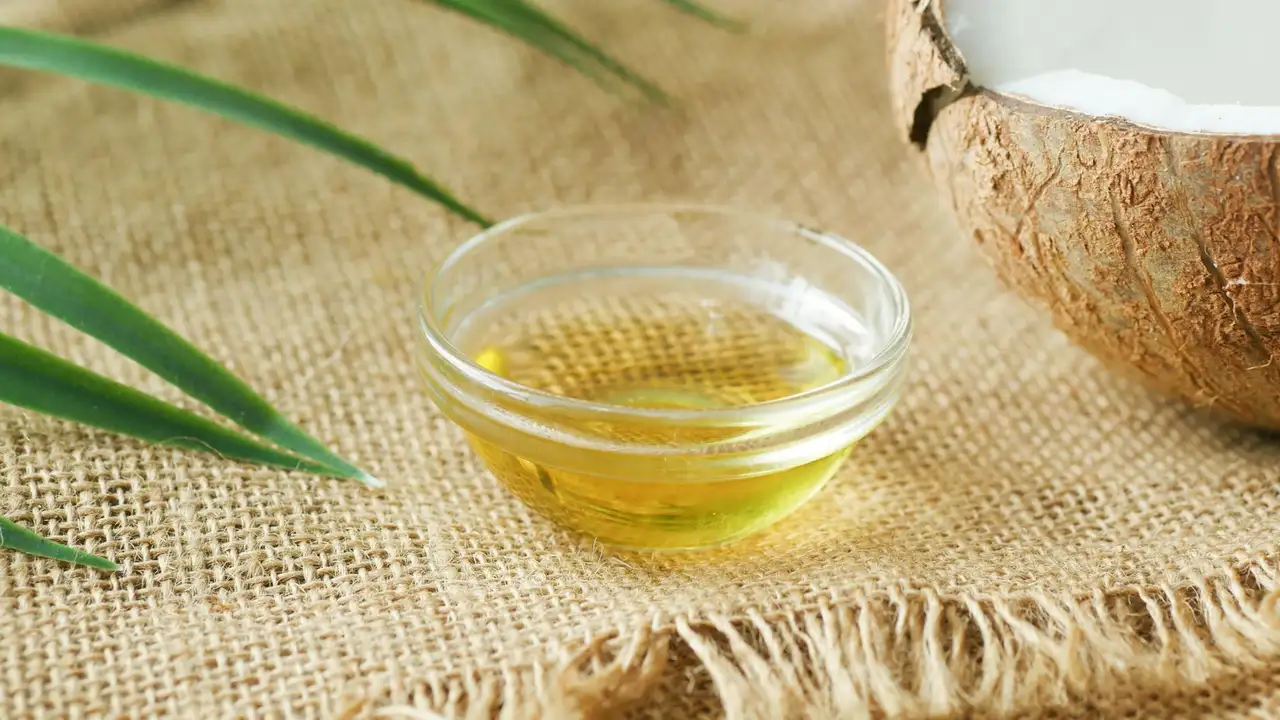
If you do not have extensions, other plant oils are popular for lash care. Castor oil is the classic. It is very thick and viscous, almost like a syrup. Many people believe it helps with thickness. But does it really work for eyelash growth? We’ll look at the evidence for growth benefits and typical application results.
Jojoba oil is my personal favorite for the eye area. It is light, absorbs well, and closely mimics our skin’s own sebum. From my shelf, I find it less likely to cause milia than heavier oils. Its comedogenic potential varies by skin type, so understanding how it interacts with different pores matters. We’ll next explore how it performs for oily, dry, and sensitive skin and its pore-clogging potential.
Some folks add a single drop of essential oil, like lavender or rosemary, to their carrier oil for potential benefits. You must dilute any essential oil to a 1% or less concentration and use extreme caution near the eyes. A tiny bit gets very close to a very sensitive area. Proper dilution is especially crucial when using essential oils for hair and skin.
Remember, for lash extensions, this all changes. All oil-based products, whether coconut, castor, or jojoba, carry the same risk of dissolving the adhesive bond. Stick to the water-based routine while your extensions are on.
Common Mistakes and How to Avoid Them
I love using oils for natural beauty, but a little knowledge goes a long way for safety and results. Here are a few common slip-ups I see and how to steer clear of them.
Mistake: Using Too Much Oil
More is not better. A heavy, greasy application can irritate your lash line and eyelids. It might also migrate into your eyes while you sleep, causing blurry vision and discomfort.
Do this instead: treat your lashes like a delicate pastry brush, not a slice of toast. Warm a tiny amount, about half the size of a grain of rice, between your fingertips. You only want to lightly coat the lashes, not drench the skin.
Mistake: Applying with Dirty Tools
That old mascara wand or cotton swab might harbor bacteria. Introducing that to your delicate eye area is asking for trouble, like styes or infections.
Do this instead: keep a dedicated, clean tool just for oil application. I have a few clean spoolie brushes in my apothecary. Wash your tool with gentle soap and hot water after each use and let it air dry completely.
Mistake: Getting Oil Directly in the Eye
Even a pure, food-grade oil does not belong in your eye. It can create a filmy barrier and cause significant irritation, redness, and a stinging sensation.
Do this instead: apply the oil carefully along the lash shaft, avoiding the root line where it can seep in. If you do get some in your eye, rinse immediately with lukewarm water. It happens to the best of us.
Mistake: Using It Daily with Lash Extensions
This is the quickest way to say goodbye to your extensions. The oil breaks down the specialized adhesive, causing extensions to slip off prematurely.
Do this instead: only use coconut oil as a treatment after your extensions have been professionally removed. It’s a perfect way to nourish your natural lashes in the break between appointments. While you have extensions, stick to the oil-free lash cleanser your technician recommends.
With these simple tweaks, coconut oil can be a lovely, supportive part of your natural lash care routine. It’s all about mindful application and respecting the delicate nature of the eye area.
Common Questions
How will I know if coconut oil is actually helping my lashes?
Look for improved condition, not sudden growth. Healthier lashes will appear shinier, feel softer, and experience less breakage over 8-12 weeks.
Can I mix coconut oil with another oil, like castor or jojoba?
Absolutely, and I often do! Blending a drop of lightweight jojoba oil with your coconut oil can create a lovely, non-greasy conditioning treatment perfect for delicate lashes.
What does a negative reaction to a patch test look like?
Watch for redness, itching, or small bumps (milia) at the test site. If any of these occur, discontinue use-your skin is telling you this isn’t the right oil for you.
I have extensions but used coconut oil once. What should I do?
Gently cleanse the eye area with an oil-free lash cleanser to remove any residue. Monitor for increased shedding and inform your lash artist at your next fill so they can assess the bond.
Can I use coconut oil if I apply a lash growth serum?
It’s best to use them at separate times. Apply your serum as directed, then wait at least 30 minutes before using a tiny amount of oil to condition and lock in moisture. If you’re unsure whether to apply facial oil before or after moisturizer to maximize benefits, a quick step-by-step guide can help you decide the best order for your routine. The right order may vary with your skin type and the other products you use.
Final Thoughts from the Apothecary Shelf
For your natural lashes, a little pure coconut oil can be a gentle, nurturing treat. If you’re curious about other natural options, argan olive oil may promote healthier, longer lashes. When you have lash extensions, skipping oil near them is the wisest way to protect your investment and keep your lash line healthy.
I hope this guidance helps you care for your lashes with confidence. Trust your instincts as you explore what works for your own body and beauty routine.
Deep Dive: Further Reading
- r/MakeupAddiction on Reddit: Using coconut oil to lengthen/strengthen lashes?
- Coconut Oil for Eyelashes: Benefits and Precautions
- Coconut Oil for Lashes and Brows: Top Benefits Backed by Science
- Coconut Oil for Eyelashes: Is it good? Does it help the eyelashes grow? – Lilac St.
- Amazon.com: Coconut Oil For Eyelashes
- Coconut oil vs. Castor oil for eyelashes and eyebrows: Which works best for growth | – The Times of India
Noemi Kamińska
Noemi is an accomplished wellness researcher, nutrition care guide and body care expert. She has years of experience in formulating various oil combinations for full body wellness including face, hair, body care, essential oils and cooking oils. She works as a bio-formulator working with oil chemistry and analyzing the best formulations when it comes to your needs. Feel free to reach out to get your oil needs sorted.