
Should You Refrigerate Cooking Oils? A Simple Guide for Olive, Avocado, and Nut Oils
That moment of hesitation with your fancy bottle of oil is completely normal. I keep several oils in my own kitchen and apothecary, and I’ve learned that where you store them directly affects their flavor and how long they last.
This guide gives you my straightforward advice for keeping each type of oil at its best.
- Olive oil: pantry or fridge?
- Avocado oil’s specific needs
- The careful handling of nut oils
- Quick tips for every kitchen
Key Takeaways: Your Quick-Reference Storage Wisdom
Here is the simple wisdom I keep on my kitchen shelf.
- Refrigeration protects delicate, polyunsaturated oils like walnut or grapeseed oil. The cold dramatically slows spoilage.
- Cool, dark cabinets are best for daily-use olive and avocado oils. The fridge can solidify them, which is harmless but inconvenient.
- Always use a container with a tight, secure seal. Limiting air exposure is the single easiest way to extend an oil’s life.
- Dark glass bottles are superior to clear or plastic ones. They act like sunglasses for your oil, filtering out harmful light.
This care keeps your culinary oils tasting fresh and your infused body oils potent for skincare. Good storage honors the oil’s purpose.
The Real Reason Oils Go Bad: It’s All About the Enemies
Rancidity is what we call it when oil spoils. Heat, light, and air are the three forces that cause it.
A fresh oil has a clear, bright scent. Think of peppery olive oil or buttery macadamia nut oil. A rancid oil smells stale and waxy, like old crayons. The vitality is gone.
Proper storage is a form of respect for the plant’s essence, whether for food or body care. You are stewarding the energy it took to create that oil.
Meet the Usual Suspects: Heat, Light, and Oxygen
Let’s look at how each one damages your oils.
Heat makes oil molecules move too fast and break apart. It’s like leaving a delicate tea in a hot sun. I never keep my good oils on the counter next to the oven.
Light is powerful energy. It can break chemical bonds directly, fading color and scent. Sunlight is the strongest, but even cupboard bulbs add up over time.
Oxygen from the air slowly reacts with oil. This oxidation process creates off smells and flavors. Every open bottle is a invitation.
How Your Storage Choice Fights Back
Your storage habits directly counter each enemy.
Dark bottles are your first defense against light. The amber bottle your argan oil comes in is not just for looks. It’s functional armor.
Cool temperatures quiet everything down. A fridge is ideal for long-term storage. For oils I use often, a lower cabinet away from appliances works well.
Tight seals create a barrier against air. I always listen for the click on my avocado oil bottle. It tells me the seal is secure.
The Refrigerator Debate: A Clear-Cut Guide
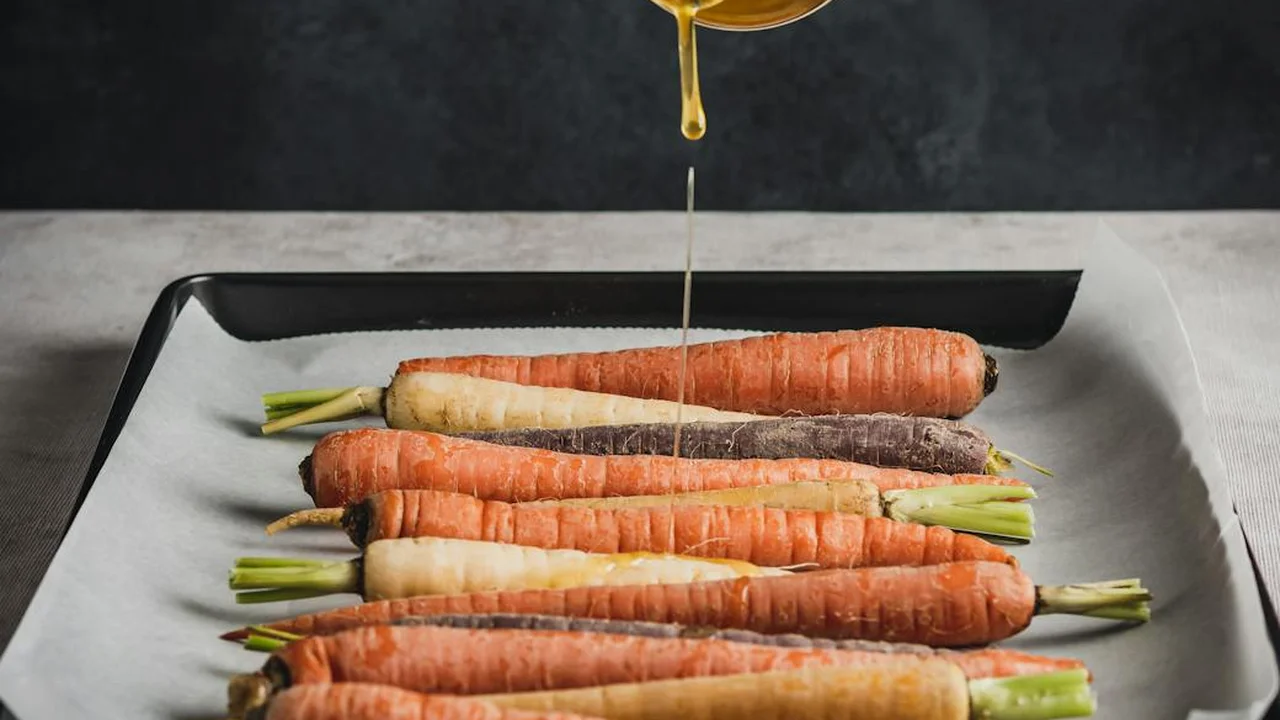
Should you refrigerate cooking oils? It depends on the oil and your kitchen habits.
Here’s a simple rule. Oils high in polyunsaturated fats go rancid faster and often need the fridge. Oils you use every day can usually stay in the cupboard. Refrigerating oil is a choice between keeping it fresh longer and keeping it ready to use.
When Chilling is a Brilliant Idea
I chill oils that are delicate and expensive. These oils benefit most from the cold.
- Nut oils like walnut and hazelnut
- Flaxseed oil
- Some unrefined avocado oils
- Any oil you use very slowly
This is why you might choose to refrigerate olive oil if you buy in bulk or only for special dressings.
When to Keep the Fridge Door Shut: Limitations and Drawbacks
Refrigeration has downsides. Taking a bottle in and out causes condensation inside. The oil gets cloudy and thickens into a soft solid.
For your everyday kitchen oil, this hassle usually isn’t worth the extra shelf life. A proper pantry spot works better.
The Texture Test: What Happens to Cold Oil
Do not worry if your oil looks cloudy or feels thick from the fridge. This is a normal physical change, not spoilage. It will become clear and liquid again at room temperature.
Olive Oil Storage: Countertop Champion or Fridge Friend?
Can olive oil be refrigerated? Yes. Can you store olive oil in the refrigerator as a rule? Only sometimes.
My main bottle of extra virgin olive oil lives in a dark cupboard. I use it nearly every day. For frequent use, the countertop is king. A backup tin might go in the fridge if I know I won’t open it for months.
Ideal Conditions for Everyday Glory
Find a cool, dark cupboard away from your stove or oven. Heat and light are what turn good oil bad.
Always store it in a dark glass bottle or a metal tin. Clear glass bottles offer no protection from light.
When Fridge Storage Makes Sense for Olive Oil
Put olive oil in the fridge if you have a large can, use it only for special recipes, or your kitchen is very warm year-round.
To use chilled oil, let it sit on the counter for 20 minutes. You can also warm the bottle gently in a bowl of lukewarm water. Never use direct heat.
How to Tell If Your Olive Oil Has Turned
Trust your senses. Rancid olive oil loses its fresh, grassy scent and smells like crayons or stale peanuts. The flavor tastes flat and oily, with none of the pleasant peppery kick on your throat. It’s important to know how to identify rancid olive oil to avoid any potential health risks.
Avocado Oil and Nut Oils: Handling Delicate Darlings
Avocado, walnut, and almond oils are the delicate darlings of the culinary oil world. They are rich in unsaturated fats, which are wonderful for your health but also sensitive to light, heat, and air. Think of them like a precious bottle of neroli or chamomile essential oil on my shelf. If you leave it in a sunny window, its beautiful, subtle scent fades far too quickly.
For these oils, my default advice is to refrigerate them after opening, especially if you won’t use them up within a month or two. The cold dramatically slows down the oxidation that makes them go rancid.
Avocado Oil: Unrefined vs. Refined Storage Needs
Not all avocado oils are created equal. A cold-pressed, unrefined avocado oil retains more of its natural color, flavor, and nutrients. It’s also more perishable.
My bottle of unrefined avocado oil lives in the fridge door. The refined version, which is processed to withstand high-heat cooking, is a bit more resilient. You can often keep an unopened, refined bottle in a cool, dark cupboard. Once opened, I still move it to the fridge for maximum freshness.
Nut Oils (Walnut, Almond, etc.): Non-Negotiable Chill Time
Nut oils spoil the fastest of all. Their delicate, toasty flavors are incredibly vulnerable.
I treat opened nut oils as perishable items that almost always require refrigeration. I buy them in the smallest, darkest glass bottles I can find. This way, I use them up quickly on salads or to finish dishes, and the cold keeps their flavor true.
Spotting Spoilage in Avocado and Nut Oils
Your nose is your best tool. A fresh nut oil smells subtly sweet and nutty. A rancid one loses that pleasant scent. You might get a whiff of something bitter, waxy, or like old paint. Sometimes, it just smells “off” or stale. If in doubt, trust that instinct. A spoiled oil won’t harm you, but its flavor will ruin your food.
Specialty and Infused Oils: The Must-Refrigerate Club

This category answers questions like “do sun dried tomatoes in oil need to be refrigerated” and “do you need to refrigerate chili oil.” The answer is a firm yes, and it’s about safety, not just quality.
When you add garlic, fresh herbs, chilies, or vegetables to oil, you introduce moisture. This creates an environment where harmful bacteria, like the one that causes botulism, can potentially grow if left at room temperature. There are safe, tested ways to make garlic-infused olive oil at home to prevent botulism. We’ll cover them in the next steps.
My non-negotiable rule is that any homemade infused oil must be refrigerated and used within two weeks. I make small batches for this reason.
Chili Oil, Herb Oils, and Garlic Confits
The risk is very low if you handle things properly, but it’s a simple step to stay safe. I always heat my aromatics in the oil (like simmering garlic for a confit) to help reduce moisture, then let it cool and store it immediately in a clean jar in the fridge.
For a quick herb oil, I use it within a week. This keeps your delicious creations both safe and vibrant tasting.
Store-Bought Infused Oils: Read the Label
Commercially prepared infused oils are often acidified or processed to be shelf-stable. Never assume. You must check the manufacturer’s label for specific storage instructions. Shelf life and storage recommendations can vary. If it says “refrigerate after opening,” do it. Their process is designed for that storage condition to keep you safe.
Your Body and Home Oil Cabinet: Storage Rules Change Here
When we move from the kitchen to the bathroom or the apothecary shelf, the rules for oil storage shift. The oils we use for body, skin, hair, and wellness are not made for high heat like their cooking cousins. They are delicate botanical extracts that ask for a gentler touch.
Think of a bottle of bright lemon essential oil and a bottle of rich, nutty walnut carrier oil sitting side-by-side. The lemon oil, if stored well, will keep its zesty sparkle for years. The walnut oil, however, might start to smell a bit off in just a few months. This difference is key. Carrier oils, pressed from seeds and nuts, can go rancid. Essential oils, being highly concentrated plant essences, can oxidize and lose their therapeutic power.
Your goal for these precious oils is simple: protect them from their three main enemies-heat, light, and air.
Carrier Oils for Skin and Hair: Cool and Dark is Key
For most everyday carrier oils like jojoba or sweet almond, a cool, dark cupboard is perfect. I keep mine in a dedicated box in my pantry, away from the stove and any sunny windows.
Some oils are more delicate and spoil faster. Oils rich in omega-3s, like rosehip seed or flaxseed oil, are champions for your skin but turn rancid quickly.
I always refrigerate my rosehip and seabuckthorn oils the moment I open them; the cold dramatically slows oxidation and can add months to their usable life. If the oil gets thick or cloudy in the fridge, just hold the bottle in your hands for a minute to warm it before use.
Coconut oil is a special case. In its solid state at room temperature, it’s stable. But if you buy a liquid fractionated coconut oil, or if your home is very warm, tucking it in a cooler spot will help it stay fresh.
Essential Oils and Blends: Protect the Scent
Here is one firm rule: never put your pure essential oils in the refrigerator. The constant temperature changes cause condensation inside the bottle. Even a tiny drop of water can ruin the oil, creating a cloudy mess and promoting bacterial growth.
Essential oils are powerful. They can degrade plastic and make some rubber dropper tops swell and crack. That’s why they always belong in dark glass bottles-amber or cobalt-with tight-fitting caps.
The best home for them is a dedicated box, kept in a consistently cool, dark place like a closet or drawer. This simple habit preserves their vibrant scent and healing properties. For blends you’ve already diluted in a carrier oil, follow the same “cool and dark” rule as you would for that carrier oil used for safe and effective body treatments.
Tools for a Well-Stocked Oil Apothecary
Setting up a proper storage system is easy. You don’t need much. On my shelf, I have:
- Amber or cobalt glass bottles and rollerballs for making blends.
- A label maker or simple paper labels and a pen (labeling with the date is a game-changer).
- A sturdy box or a cabinet with a door to block light.
- A small, dedicated fridge space for my most fragile carrier oils.
Gathering these few items means every drop of your oil stays potent and ready to use.
Common Questions
Do all cooking oils need to be refrigerated after opening?
No, only delicate oils high in polyunsaturated fats, like walnut or flaxseed oil, truly benefit from refrigeration. For daily-use oils such as olive or avocado, a cool, dark pantry preserves flavor and keeps them ready for cooking.
Why does oil become cloudy in the fridge, and does it affect the oil?
Cloudiness is a harmless physical change as oils naturally solidify in the cold; it doesn’t indicate spoilage or loss of nutrition. The oil will clear and liquefy again once brought back to room temperature.
How should I store homemade infused oils for safety?
Always refrigerate homemade infused oils with garlic, herbs, or chilies and use them within two weeks. This crucial step prevents potential bacterial growth by controlling moisture introduced from fresh ingredients.
What’s the best way to store carrier oils for skincare?
Store most carrier oils like jojoba in a cool, dark cupboard, but refrigerate delicate, omega-rich oils such as rosehip to slow oxidation. This care maintains their skin-loving properties and extends their usable life. For coconut oil and olive oil, similar storage rules help preserve freshness, though specifics can vary by oil type. Knowing these nuances helps you keep all your oils at peak quality.
Caring for Your Liquid Botanicals
Treat your cooking oils with the same mindful care you would a precious skincare blend, by shielding them from heat and light. Your best storage tool is a cool, dark cupboard for oils you use often, saving the fridge for more delicate nut and seed oils that can spoil quickly.
I share these practices from my own kitchen and wellness routine, and I welcome you to explore more on Botanical Oils. Trust this guidance and your own senses as you experiment-your hands-on experience is the truest measure of what works for your home and health.
Related Guides and Information
- What Happens If You Refrigerate Cooking Oil? – Tasting Table
- How to Properly Store Cooking Oil, According to Experts
- 5 Cooking Oils You Should Refrigerate (and 2 you shouldn’t) – Clean Eating
Noemi Kamińska
Noemi is an accomplished wellness researcher, nutrition care guide and body care expert. She has years of experience in formulating various oil combinations for full body wellness including face, hair, body care, essential oils and cooking oils. She works as a bio-formulator working with oil chemistry and analyzing the best formulations when it comes to your needs. Feel free to reach out to get your oil needs sorted.