
How Long Do Coconut Oil and Walnut Oil Last Before Going Rancid?
That odd, sharp scent from an old bottle of oil is a familiar worry in my home apothecary. I can tell you from experience that both coconut and walnut oil have distinct shelf lives, and knowing how to read the signs saves you from wasted products and disappointment.
This guide cuts through the confusion with clear, practical advice I use myself to keep oils fresh.
- The key difference in shelf life between coconut and walnut oil
- How to spot rancidity using sight, smell, and taste
- My best storage practices to extend oil life
- When it’s truly time to replace an oil
Key Takeaways: Your Quick-Reference Guide
Let’s cut straight to what you need to know.
- Refined coconut oil lasts about 18 months. Virgin coconut oil lasts about 24 months. Walnut oil lasts 3 to 6 months once opened. These are typical ranges, but your storage habits make all the difference.
- For coconut oil, the most important rule is keep it solid in a cool, dark place. For walnut oil, the rule is store it in the refrigerator, always.
- The top three signs an oil has turned are a sharp, bitter smell like crayons or old nuts, a pungent, sour taste, and a cloudy, murky look or a thicker, sticky texture.
- My personal rule, and one I stick to in my own kitchen and apothecary, is simple: if you’re unsure about its freshness, it’s best to discard it. Using rancid oil on your skin or in your food offers no benefit.
Why Oils Go Rancid: It’s All About the Fat
Rancidity isn’t magic. It’s a simple chemical reaction. When the fatty acids in your oil meet air, light, and heat, they break down. Think of a sliced apple left on the counter. It turns brown, right? That’s oxidation. The same quiet process is happening inside an uncapped or warm bottle of oil. It’s oxidation in action.
The type of fat in the oil dictates its speed. Coconut oil is packed with saturated fats, which have a sturdy, stable structure that resists breaking down. That’s why it can sit in your pantry for years. On my shelf, a jar of virgin coconut oil stays pristine for making body butter.
Walnut oil is the opposite. It’s rich in delicate polyunsaturated fats, which have fragile bonds that react quickly with oxygen. This makes it wonderfully nourishing for dry hair when used fresh, but also means it needs extra care. Its shelf life is a short, beautiful season, not a long winter.
The Big Three Enemies of Your Oils
To protect your oils, you need to know what you’re fighting. Here are the three main culprits.
- Oxygen. This is the primary trigger for oxidation. Every time you open the bottle, you let it in. Always screw the cap on tightly immediately after use. For walnut oil, I sometimes use a wine preserver spray (argon gas) in the bottle before refrigerating to displace air.
- Heat. Warmth speeds up every chemical reaction, including rancidity. Never store oils near the stove, oven, or a sunny window. A cool, dark cupboard or the refrigerator is your best defense.
- Light. Sunlight and even bright indoor light contain energy that degrades oils. Choose oils sold in dark amber or cobalt blue glass bottles. If you get one in a clear bottle, tape it with dark paper or keep it inside a cabinet.
Coconut Oil Shelf Life: The Long-Distance Runner
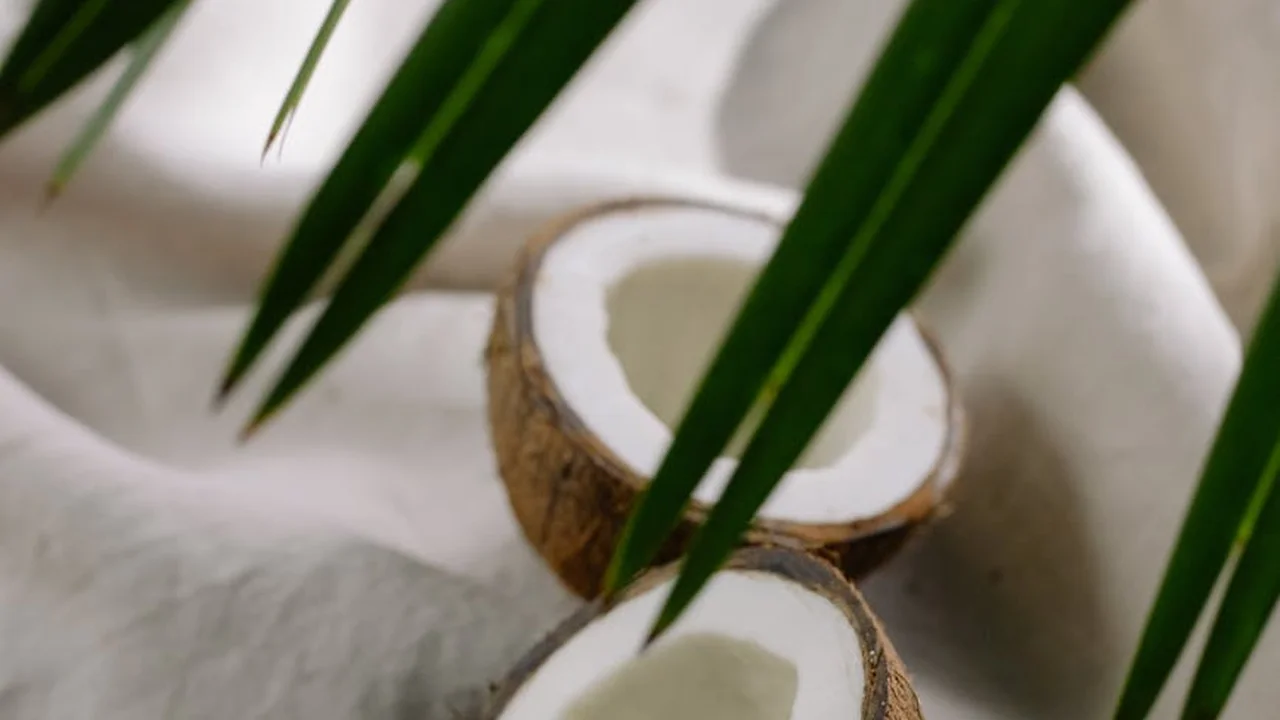
A properly stored jar of coconut oil can last for two years or more. I have a jar of refined coconut oil in my pantry that’s been there for ages, and it’s still perfectly good. Shelf life varies by oil type and storage conditions. For vegetable, olive, and nut oils, proper storage guidelines can help you maximize shelf life.
Coconut oil does expire, and yes, it can go bad-this happens when it turns rancid. The good news is its high saturated fat content makes it one of the most stable plant oils you can own.
Refined vs. Unrefined: Which Lasts Longer?
Refined coconut oil almost always has a longer shelf life compared to virgin coconut oil. The refining process removes tiny food particles and neutralizes the scent, which slows down oxidation.
You get a clear, odorless oil that’s a blank canvas for DIY projects. Unrefined (often called virgin) coconut oil retains more of its natural compounds. I love its gentle tropical aroma for body balms, unlike fractionated coconut oil which is odorless.
That rich, nutty scent in unrefined oil is a sign of those good nutrients, but those same compounds can cause the scent to shift and sour faster over time.
Storing Your Coconut Oil: Pantry or Fridge?
You do not need to refrigerate coconut oil. A cool, dark kitchen cabinet is perfect. Heat and light are its main enemies. Especially if you’re aiming to prevent rancidity and extend its shelf life.
If your kitchen is very warm year-round, the fridge can help. Just know it will turn rock solid. I keep a small scoop in a tin on my shelf for daily use and the big jar in the pantry.
Always use a clean, dry spoon to scoop it out. Introducing water into the jar invites mold, which is a different kind of spoilage than rancidity.
Walnut Oil Shelf Life: The Delicate Sprinter
Walnut oil has a much shorter lifespan. Once opened, plan to use it within 6 to 12 months.
This short shelf life is because walnut oil is packed with polyunsaturated fats, which are wonderful for your skin but very prone to reacting with air and turning rancid. It’s a sprinter, not a marathoner.
Refined vs. Unrefined Walnut Oil: A Shelf Life Necessity
For walnut oil, the choice between refined and unrefined is often about practicality. Refinement is used to create a more stable oil for cosmetic use.
The gorgeous, unrefined gourmet walnut oil you find for salads has an intense, nutty flavor. It’s a treat for your taste buds.
I recommend reserving expensive, unrefined walnut oil for finishing dishes you’ll eat right away, not for making a body oil you hope to use for months. For skincare formulations, a cosmetic-grade refined walnut oil is the wiser choice.
Storing Your Walnut Oil: The Fridge is Your Friend
Walnut oil absolutely needs to be refrigerated after opening. This is non-negotiable if you want to preserve its benefits.
The cold dramatically slows the oxidation process. It keeps the oil’s color a clear gold and its scent fresh and nutty, not paint-like.
Look for oil sold in small, dark glass bottles. This limits light exposure and encourages you to use it up while it’s fresh. I buy a small bottle just for making a seasonal facial serum.
How to Tell If Your Oil Has Gone Bad: Your Senses Know
Forget complicated tests. The most reliable tools are already in your kitchen. Your nose, eyes, and sometimes your taste buds will give you the honest truth about your oil’s condition.
You can identify rancid coconut or walnut oil by a significant change in its normal smell, look, and taste.
The Sniff Test: What Rancidity Smells Like
This is your first and best line of defense. Your sense of smell is remarkably good at detecting oxidation.
Fresh, high-quality coconut oil has a mild, sweet, nutty aroma. Some refined versions are nearly odorless. When it turns, that pleasant scent vanishes. Rancid coconut oil often smells stale, waxy, or oddly like a box of crayons. I’ve opened jars that had a faint, sour note, like old milk. Trust that initial reaction-if it doesn’t smell right, it probably isn’t.
Walnut oil is more delicate. Its fresh scent is lightly nutty, rich, and almost buttery. Rancidity hits it hard and fast. Rancid walnut oil develops a sharp, acrid smell that can remind you of oil paint, varnish, or fish. The lovely nutty note becomes bitter and unpleasant. If the bottle on my shelf loses its warm, inviting aroma and makes me wrinkle my nose, it’s time to let it go.
The Look & Taste Test
Your eyes can confirm what your nose suspects. Look for changes that aren’t part of the oil’s natural behavior.
Coconut oil may develop unusual, spotty cloudiness that doesn’t melt away evenly. Both oils can darken noticeably. While some color variation is normal, a deep, murky yellow or brown is a warning sign. Mold is very rare in pure oils, but if you see any fuzz, discard it immediately.
For oils you cook with, a tiny taste is the final confirmation. Dab a drop on your finger. Fresh walnut oil tastes smooth and nutty. When rancid, it becomes harshly bitter or metallic. Rancid coconut oil loses its subtle sweetness and gains a stale, off flavor.
Is It Safe to Use Rancid Oil?
Let’s be very clear. Do not consume rancid oil. Ingesting rancid fats introduces free radicals into your body, which is harmful over time.
Using it on your body isn’t a safe alternative. Applying rancid oil to your skin or hair can cause irritation, clog pores, and may worsen conditions like eczema. The beneficial properties are long gone, replaced by compounds that can cause inflammation. I would never use a rancid oil in a salve or moisturizer for myself or my family.
If your oil has spoiled, don’t just pour it down the drain. You can dispose of small amounts in the trash, sealed in a container. A rancid oil can find a final purpose as a wood conditioner for rough, outdoor projects like a garden bench or tool handles. It won’t smell great during application, but it will nourish the wood.
Checklist: Keep Your Oils Fresh and Effective

A little care extends the life of your oils dramatically. Here is my simple routine.
- Write the date you opened it right on the bottle with a permanent marker. Memory is fuzzy; ink is not.
- Store them in dark glass bottles with tight-fitting lids. Light and air are the enemies of freshness.
- Give each oil its proper home. I keep my jar of coconut oil in a cool, dark pantry. My walnut oil always lives in the refrigerator door.
- Always use a clean, completely dry spoon to scoop coconut oil. Water in the jar invites spoilage. For walnut oil, wipe the bottle’s mouth after pouring.
- Get in the habit. Give your stored oils a quick sniff check every two or three months to catch any problems early.
Coconut Oil vs. Walnut Oil: A Shelf Life Showdown
Think of your oils like trusted friends in your wellness toolkit. Each has its own personality and best role. Knowing their shelf life lets you pick the perfect one for your project. We’ll bust myths about whether natural oils expire or lose potency. You’ll learn the real facts on shelf life.
Stability: The Fatty Acid Story
Coconut oil is your steadfast companion. It’s packed with saturated fats that resist breaking down. This chemical structure gives coconut oil a long shelf life, often 2 years or more when stored well. On my shelf, a jar of virgin coconut oil stays creamy and sweet-smelling for ages.
Walnut oil is more delicate, like a beautiful summer bloom. It’s rich in polyunsaturated fats, which are wonderful for your skin but sensitive to light and heat. Walnut oil can turn rancid much faster, typically within 6 to 12 months, and often sooner if not handled carefully. Its nutty aroma is your first clue to freshness.
Best Storage for Lasting Freshness
How you store them makes all the difference. I keep both away from the stove and sunny windowsills.
- Coconut Oil: A cool, dark cupboard is perfect. It might solidify, which is normal. Just scoop out what you need.
- Walnut Oil: This one gets special treatment. I always store it in the refrigerator in its original dark glass bottle. The cold significantly slows down spoilage.
Ideal Uses: Choosing Your Tool
Match the oil’s nature to your task. This is where your confidence grows.
For Long-Term Projects: Coconut Oil
Use coconut oil when you need something to last. Its stability is a gift.
- Body & Hair: It’s superb for thick body butters, overnight hair masks, or sugar scrubs you’ll use over weeks.
- Home & Wellness: I use it as a base for homemade cleaning balms or in recipes for solid perfume bases.
For Fresh, Short-Term Pampering: Walnut Oil
Use walnut oil for immediate, luxurious treatments. Buy small bottles and use them up.
- Skin & Hair: Blend it into a facial serum you’ll use within a month or add a spoonful to a bath for one-time silky softness.
- Wellness: Its light texture is perfect for a calming massage oil mixed for a single session. Always do a patch test first, as with any new oil.
Your nose knows. If either oil smells sharp, bitter, or just “off,” it’s time to let it go. This knowledge frees you to create for body, skin, hair, wellness, and home without worry. Reach for coconut oil when you need a durable workhorse. Choose walnut oil for a fleeting, nourishing treat. That’s the heart of smart oil use.
Your Curious Questions, Answered
Does unopened oil last forever?
No, even sealed oil has a finite shelf life. While unopened coconut oil can last 2-5 years, unopened walnut oil is best used within 6-12 months of its bottling date, as the clock starts ticking once it’s processed. Shelf life and storage tips for oils can help ensure they stay fresh.
Can I use the fridge for both oils?
Absolutely, but for different reasons. Refrigeration is a necessity for walnut oil to extend its brief fresh life, while for coconut oil, it’s simply a helpful option if your kitchen is very warm.
What’s the biggest mistake people make with walnut oil?
Treating it like a pantry staple. Its delicate fats demand immediate refrigeration after opening and a commitment to use it within a single season for both culinary and skin benefits.
Can I mask a rancid oil’s smell with essential oils?
Please don’t. Adding fragrance does not fix the oxidative damage or remove the irritants. Using rancid oil, even if it smells better, offers no wellness benefit and can cause skin irritation.
Why choose walnut oil if it spoils so quickly?
For its unique, luxurious profile of nourishing fats. Its short shelf life is the trade-off for its lightweight texture and rich omega content, making it a perfect, fresh treat for specific skin and hair rituals.
Tending to Your Home Apothecary Oils
From my own shelf, I always emphasize that consistent, cool storage is the best way to protect coconut and walnut oil from turning rancid. This simple habit keeps your oils vibrant and effective for all your body, skin, and hair care creations. Proper storage can make all the difference when it comes to preserving the freshness of your oils.
I share more practical wisdom like this right here on the blog, and I truly hope you feel empowered to trust your own senses as you experiment. Your hands-on journey with these oils for wellness and home is the most valuable guide you have.
Sources and Additional Information
- When Does Walnut Oil Go Bad? – The Coconut Mama
- How Long Does Unopened Walnut Oil Last?
- The True Shelf-Life of Cooking Oils – YouTube
Noemi Kamińska
Noemi is an accomplished wellness researcher, nutrition care guide and body care expert. She has years of experience in formulating various oil combinations for full body wellness including face, hair, body care, essential oils and cooking oils. She works as a bio-formulator working with oil chemistry and analyzing the best formulations when it comes to your needs. Feel free to reach out to get your oil needs sorted.