
How Can I Remove Excess Oil from My Hair Without Washing It?
That slick, heavy feeling on your scalp can hit at the worst times. From my own shelf, I use simple absorbents and a good brush to lift grease and add volume in just a few minutes.
I will walk you through my most reliable methods for fresh, non-greasy hair on no-wash days.
- Why dry shampoo works and how to choose the best one
- Using kitchen staples like oat flour or arrowroot powder
- The right way to blot and brush your hair to move oil
- Simple routines to help your scalp produce less oil over time
Quick Fixes for Oily Hair in a Pinch
Your hair feels heavy and your scalp is shiny. You don’t have time for a full wash. I get it. These tricks can buy you a fresh-looking day.
The Blotting Paper Trick
Gently press a single-ply tissue or blotting paper against your roots and part. Think of it like blotting oil from your face. This method soaks up surface oil without disturbing your style or adding product buildup. I keep a small pack in my bag for exactly this reason.
Brush with Purpose
A clean, pure boar bristle brush is a secret weapon. The natural bristles gently pull oil from your scalp down the length of your hair shaft. This distributes your scalp’s natural moisturizer to drier ends. Brush from roots to tips in smooth sections. Your hair will look less greasy at the roots and more glossy overall. Just clean the brush weekly with a mild soap.
Strategic Styling
When oil is concentrated at your roots, work with it. A sleek low ponytail or a half-up style hides the oil zone. For texture and lift, try twisting small sections at the crown and securing them with mini clips. A little dry shampoo at the roots before styling gives extra hold.
Does Rinsing with Water Remove Oil?
Water alone has a limited effect. Oil and water famously do not mix. A quick rinse might temporarily flatten hair and remove some dust, but it won’t dissolve the sebum. Without a cleansing agent to break it up, the oil will remain on your hair and scalp once the water evaporates. It can even make unwashed hair look more stringy. Even essential oils are ineffective when diluted only with water.
Why Your Hair Gets Oily Between Washes
That oil on your scalp has a name: sebum. It’s not the enemy.
Your Scalp’s Natural Moisturizer
Picture a tiny botanical gland under your skin. This sebaceous gland produces sebum, a blend of fats and waxes. I think of sebum as your body’s own nourishing hair oil, designed to protect your scalp and keep your hair from drying out. It’s a natural, living process. Some scalps simply produce it more actively than others. Just like any other oils, sebum can be washed away with proper care.
The Overwashing Cycle
Washing your hair strips away all the sebum. Your scalp senses this sudden deficit. It can respond by working overtime to replace the lost moisture. Frequent, harsh washing can sometimes train your scalp to produce oil faster. This is why extending time between washes often helps regulate production. It gives your scalp’s feedback loop a chance to recalibrate. Some people find that a light scalp oiling routine can support balance between washes when used thoughtfully. Our guide on daily treatment frequency explains how often to oil your scalp and the best practices.
Other Gentle Influences
Hormonal fluctuations, like those during your cycle or times of stress, can increase sebum production. Your diet plays a role, too. Foods high in refined sugars and dairy might encourage more oil for some people. Some people explore evening primrose oil for skin, hair, and hormonal balance. These uses may relate to how the body signals changes in oil production. Notice patterns. If your hair is suddenly oilier, consider what else has changed—it’s your body’s way of communicating.
Your Dry Shampoo Guide: Powders, Pastes, and Sprays
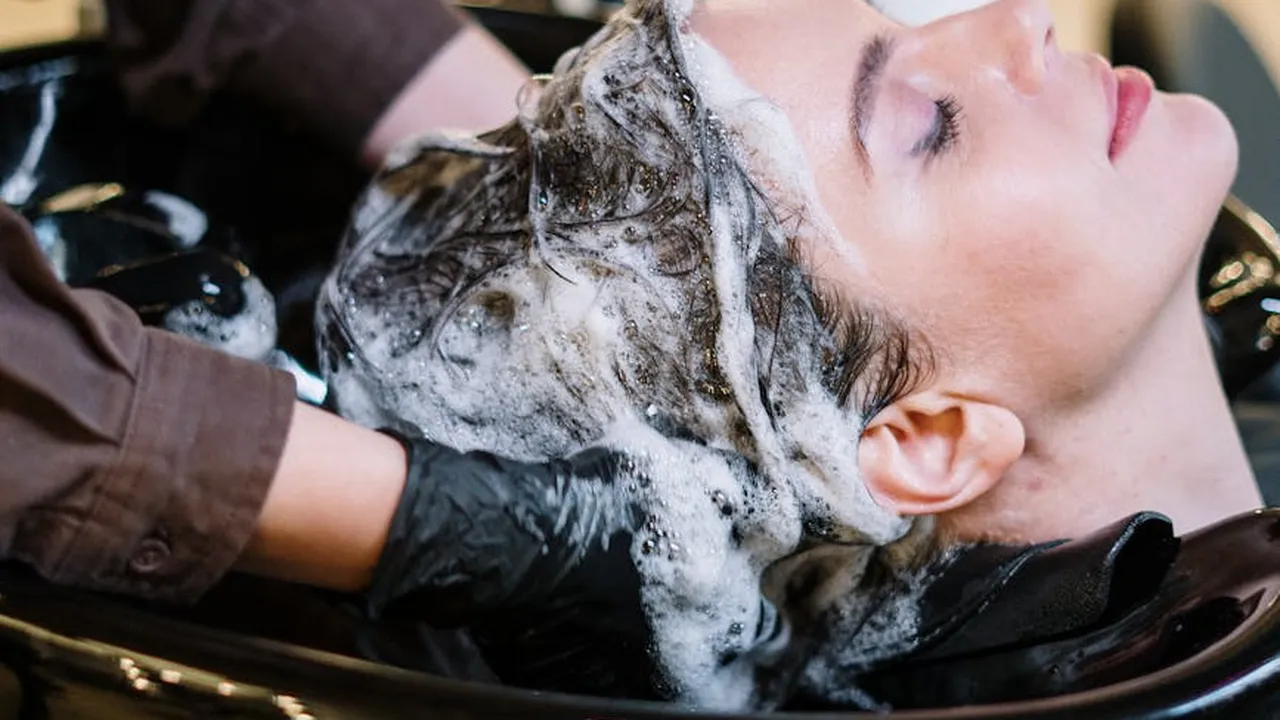
Dry shampoo is a lifesaver for oily roots. It works by using absorbent powders to soak up sebum, the oil your scalp produces, and add texture back to your hair. Some people wonder whether applying oil makes hair attract more dust and dirt; with proper use and regular cleansing, buildup can be minimized. Quick prevention tips can help keep oil and dust at bay.
Think of it like a tiny sponge for your strands. The result is hair that looks and feels freshly washed, without any water.
Choosing the Right Dry Shampoo for Your Hair
You have three main formats to pick from, and each has its own feel. Aerosol sprays, like the popular Batiste, are super convenient. They come out as a fine mist that feels cool on your scalp. Powder formulas, either in loose form or in a mini shaker bottle, give you more control over where the powder goes. Paste dry shampoos are a newer option; they feel like a waxy balm you rub between your fingers before applying.
On my own shelf, I keep both an aerosol for quick mornings and a jar of loose powder for more precise touch-ups.
Store-bought options from places like Sephora or the drugstore are formulated to brush out easily and often include scent. Homemade versions, which we’ll get to, let you control every single ingredient, which is great for sensitive skin.
Aerosols tend to have a stronger, perfumed scent and a drier finish. Pure powders are often unscented or lightly scented with essential oils and have a more noticeable texture until you work them in.
Step-by-Step: How to Apply Dry Shampoo for Best Results
Getting great results is all about technique. Here is my go-to method.
- Section your hair. Use a comb or your fingers to lift up top layers and expose the oily roots underneath.
- Hold the can or bottle about 6-8 inches away from your head. For powders, sprinkle a small amount directly onto the roots.
- Let it sit for two full minutes. This waiting period is non-negotiable for the powders to absorb the oil.
- Massage it in thoroughly. Use your fingertips to vigorously rub the product into your scalp and roots.
- Brush or shake it out. Finally, brush your hair to distribute any remaining product and add volume.
That “massage and wait” step transforms the powder from visible to invisible, giving you a natural look.
Quick Dry Shampoo FAQs
For blonde hair, look for formulas labeled “translucent” or “for light hair” to avoid a white cast. Brunettes and darker hair can use tinted dry shampoos.
My simplest homemade dry shampoo recipe is two tablespoons arrowroot powder mixed with one teaspoon cocoa powder for dark hair. For travel, remember that aerosol cans often cannot go in checked luggage due to pressure risks; opt for a solid paste or a small powder container instead.
Natural Oil Absorbers from Your Pantry
Your kitchen holds some of the most gentle, effective oil blotters. Arrowroot powder is my favorite. It’s incredibly light and silky. Cornstarch works in a pinch, and oat flour is a wonderful, soothing choice for sensitive scalps.
To use them, put a small amount into an empty spice shaker or a makeup brush container. Lightly dust the powder onto your roots, let it sit, then massage and brush.
Pure arrowroot powder feels like a whisper against your scalp, very different from the heavier, scented feel of an aerosol spray.
For dark hair, you must tint these white powders. Mix in a bit of unsweetened cocoa powder for brown hair or a pinch of cinnamon for auburn shades. Always do a patch test first to ensure the tint doesn’t stain.
Clay and Other Botanical Blotters
For a more intense spot treatment, turn to clay. Rhassoul or white kaolin clay are fantastic botanical blotters. I keep a small jar of rhassoul mixed with a drop of rosemary oil for super oily days.
Use a tiny amount on completely dry hair. Dab it directly onto the oiliest part of your roots, let it sit for a minute, then brush it out completely.
The texture of clay is different from lighter powders; it has a more substantive, earthy feel that grips oil powerfully. Because it’s stronger, use it sparingly to avoid any residue.
Daily Habits to Prevent Greasy Buildup
Think of your scalp like the soil in a garden. You want it to be healthy and balanced, not smothered. Your daily routines set the stage for how much oil you’ll need to manage later, especially when dealing with natural oils that balance scalp production.
Mind Your Products
Heavy conditioners, silicone serums, and thick styling creams can sit on your hair and scalp. They mix with your natural sebum and create a sticky, greasy film. I look for lighter, water based products for my roots and save richer oils and butters for the ends of my hair where they’re needed most. A simple aloe vera gel or a spray with rosewater can provide moisture without the weight.
Your Pillowcase is a Silent Partner
You spend hours with your face and hair pressed against it. A dirty pillowcase collects oil, dirt, and product residue, then redeposits it all night long. I switch mine every three to four days.
Material matters, too. Cotton can be absorbent, but it also creates friction that roughens the hair cuticle. The silk pillowcase on my own shelf is a game changer. Silk creates less friction, which means less tangling and, for many, less transfer of oils along the hair shaft from root to tip. It feels cooler and gentler on skin and hair.
Massage, Don’t Scratch
When your scalp itches, it’s tempting to dig in with your nails. This aggressive scratching can irritate your scalp, triggering it to produce even more oil in response.
Instead, use the pads of your fingertips. Apply light, circular pressure. A gentle scalp massage with your fingertips stimulates blood flow in a calming way, which can support healthier oil regulation over time. I sometimes do this for a minute before bed-it feels wonderful and doesn’t aggravate my scalp. Especially when used with the right oils for scalp health.
Common Mistakes and How to Avoid Them
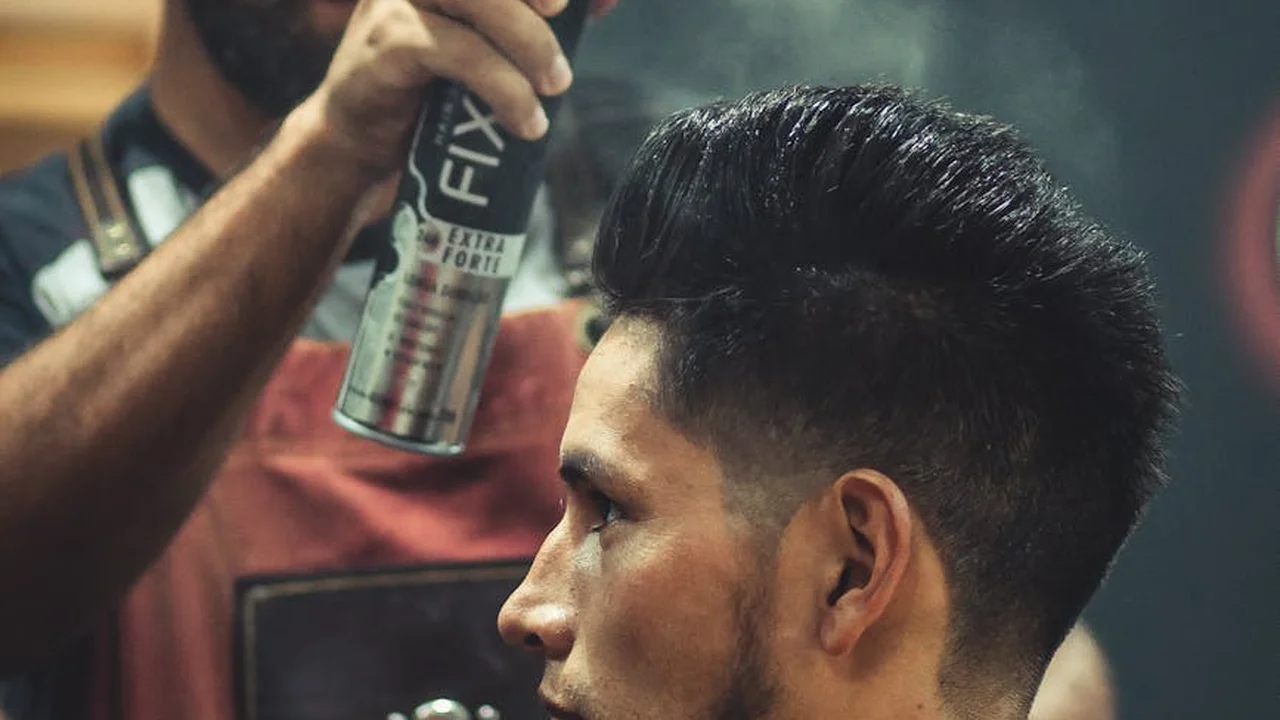
Sometimes, the things we do to fix oily hair accidentally make it worse. Steering clear of these common pitfalls keeps your hair fresher longer.
Mistake: Using Dry Shampoo on Heavy Oil
Dry shampoo is designed to absorb fresh oil. If you wait until your hair is visibly stringy and heavily greased, the powder or spray cannot soak it all up. It will clump, look dull, and feel gritty.
The best time to apply dry shampoo is proactively, on clean, dry hair the morning after you wash it, or even the same night. This gives it a base to work from, absorbing oil as it emerges throughout the day. Proper timing also matters when applying hair oils to ensure they nourish rather than weigh down your hair.
Mistake: Applying Too Much Product
More is not better. A huge cloud of dry shampoo will leave a white, chalky cast and make your hair feel stiff and dirty in a new way. Start with a very small amount.
Hold the can about ten inches away, spray briefly at the roots, and then wait a minute. Let the product sit for a full minute before you massage it in; this gives the absorbent powders time to start working so you need less overall. You can always add a tiny bit more if needed.
Mistake: Forgetting Your Hair Tools
Your brush or comb collects everything that’s on your hair-oil, dead skin cells, old dry shampoo. Every time you use a dirty tool, you are painting that mixture back onto your clean strands.
I make a habit of cleaning my brushes and combs once a week. I remove the hair, soak the bristles in warm water with a drop of mild liquid soap, rinse thoroughly, and let them air dry. It takes five minutes and makes a noticeable difference.
Mistake: Constant Touching
Your fingers have natural oils, too. Twirling your hair, fussing with your part, or scratching your scalp throughout the day transfers those oils directly from your hands to your hair.
It becomes a cycle. You touch it because it feels oily, and then it gets oilier because you touched it. Being mindful of this habit and keeping your hands away from your hair is one of the simplest and most effective free fixes you can try.
Other Gentle Options to Try
Sometimes, the best solutions are the simplest ones that work with your body’s rhythms.
These next few ideas are staples in my own routine for refreshing hair between washes.
A Quick Scalp Steam
Think of the oil on your scalp like honey.
Warmth makes it more fluid and easier to move. A brief steam can help loosen that excess sebum so your blotting cloth or powder can work more effectively.
This method is wonderfully calming and feels like a mini treatment.
- Run a clean hand towel under very warm (not scalding) water, then wring it out completely.
- Fold it and place it over your head, focusing the warmth on your scalp.
- Let it sit for 3-5 minutes while you breathe deeply.
- Remove the towel and proceed with gentle blotting or a light dusting of dry shampoo at the roots.
The towel from my own apothecary shelf gets used for this more often than I’d admit.
A Dilute Apple Cider Vinegar Rinse
This isn’t a full wash, but a quick scalp reset.
Diluted apple cider vinegar helps dissolve oil and product buildup without harsh detergents.
It brings balance by gently clarifying, leaving your scalp feeling refreshed and your hair with incredible shine.
You only need about a tablespoon of raw, unfiltered apple cider vinegar in a large cup of cool water.
After mixing, lean over your sink or tub and slowly pour the solution directly onto your scalp, avoiding the ends of your hair as much as possible.
Let it sit for just a minute, then rinse thoroughly with cool water. Your hair will not smell like vinegar once dry.
I use this clarifying trick once every couple of weeks, not daily, to maintain my scalp’s natural balance.
Lightweight Oils for Your Ends
This one sounds counterintuitive, but it works.
When the ends of your hair are dry and thirsty, they can make your entire head feel unbalanced and dirty.
Applying a tiny amount of a fast-absorbing oil just to your ends provides targeted hydration and can make your scalp feel less oily in comparison. However, knowing whether to apply hair oils on wet or dry hair is crucial for maximum absorption.
Look for light oils like fractionated coconut oil, argan oil, or jojoba oil.
Place one drop, literally just one, on your palms, rub them together, and then lightly smooth your hands over the very ends of your hair.
Avoid the top two-thirds of your hair length entirely.
This trick creates a healthier overall appearance and satisfies your hair’s need for moisture without adding weight where you don’t want it.
Your Dry Shampoo Questions, Answered
What’s the best dry shampoo for blonde hair to avoid a white cast?
Look for formulas specifically labeled “translucent” or “for blonde/light hair,” which use ultra-fine, transparent powders. These blend seamlessly without the ashy residue that standard white powders can leave behind.
Why is arrowroot powder a go-to in homemade dry shampoo recipes?
Arrowroot powder is exceptionally lightweight and silky, making it less likely to cause buildup compared to heavier starches. It absorbs moisture effectively while feeling virtually weightless on the scalp and hair.
Can I take my dry shampoo spray in my checked luggage on a plane?
It’s not recommended due to cabin pressure changes, which can cause aerosol cans to leak or even burst. For air travel, opt for a solid paste or a secure container of loose powder in your checked bag instead.
How does a dry shampoo paste differ from a spray or powder?
A paste offers targeted, touchable control, ideal for very thick hair or spot-treating oily areas without adding overall volume. It provides a texturizing, wax-like hold that absorbs oil while you style, unlike sprays that focus purely on absorption.
Embracing Your Hair’s Natural Rhythm
Remember, the simplest fix is often a sprinkle of a plant-based powder like arrowroot on your roots. It lifts away grease while letting your scalp’s healthy oils do their job.
I encourage you to experiment with these ideas from my own shelf. Trust yourself as you learn, and for more on oils for skin, wellness, and home, especially how to use specific oils for skin and hair, I hope you’ll continue reading here.
Research and Related Sources
- r/beauty on Reddit: How do you oil your hair without washing it after?
- “Resetting” My Hair By Not Washing it
- How To Wash Hair After Hair Oiling | TO112
- How to get oil out of hair without washing: Quick and natural solutions
- Can we use hair oil daily without washing our hair? – Quora
Noemi Kamińska
Noemi is an accomplished wellness researcher, nutrition care guide and body care expert. She has years of experience in formulating various oil combinations for full body wellness including face, hair, body care, essential oils and cooking oils. She works as a bio-formulator working with oil chemistry and analyzing the best formulations when it comes to your needs. Feel free to reach out to get your oil needs sorted.