
Are Biore and Bioderma Products Non-Comedogenic for Oily or Acne-Prone Skin?
If you have oily or acne-prone skin, picking the right skincare can feel like a gamble. Drawing from my years blending botanical oils for skin balance, I want to help you find a clear answer.
This article gives you a straightforward, ingredient-based analysis to guide your choice.
- Decoding the “non-comedogenic” claim on labels
- Examining specific Biore and Bioderma product lines
- Sharing my hands-on texture and wear tests
- Practical advice for incorporating them safely
What Does “Non-Comedogenic” Really Mean for Your Skin?
Think of it like choosing an oil for your face.
You wouldn’t use a thick, buttery coconut oil if you’re prone to clogging. You’d reach for something light and fast-absorbing, like grapeseed or jojoba oil. A “non-comedogenic” product aims to be that light grapeseed oil, formulated to minimize the chance of clogging your pores. This taps into the question of which oils are the best non-comedogenic oils for skincare and cosmetics that won’t clog pores. Choosing the right ones can hydrate without causing breakouts.
Here’s the thing you should know. That term is a claim, not a certified guarantee.
The FDA doesn’t regulate it, so companies can use it based on their own testing. Your skin’s reaction is the ultimate test.
Skin is as unique as a fingerprint. A product can be fine for thousands and still be the one thing that causes issues for you.
When you’re shopping, look for other helpful words on the label. “Oil-free” and “won’t clog pores” are good supporting clues. They show the brand is thinking about your pore’s needs. Especially for natural products, it’s crucial to choose non-comedogenic oils.
Breaking Down Biore: Pore Strips, Cleansers, and Oil Control
So, are Biore skincare products non-comedogenic? Many are designed with that goal.
Biore built its name on targeting oily skin and visible pores. That focus suggests a non-comedogenic intent in their formulas. They want to clear out gunk, not add to it.
I remember trying their famous pore strips years ago. That feeling of pulling them off and seeing the debris is… visceral. Their deep cleansers often give that squeaky-clean, everything’s-gone sensation.
That ultra-clean feeling is a double-edged sword, and it leads us to the safety questions.
Is Biore Safe for Oily Skin?
Are Biore skincare products safe for oily skin? They can be a useful tool, with a caveat.
Their formulas actively target sebum, your skin’s natural oil. For someone with a consistently shiny t-zone, that can feel like a relief. Using a product that cuts through grease can help makeup sit better and skin feel fresher.
My caution comes from the ingredient list. Some Biore products contain denatured alcohol or strong astringents. These can over-strip your skin.
When you strip your skin too harshly, it can panic and produce even more oil to compensate. This is rebound oiliness. A Biore cleanser might fit into your routine every other day, but following it with a light, balancing moisturizer is non-negotiable. Think of it as managing oil, not declaring war on it.
Is Biore Safe for Acne-Prone Skin?
Are Biore skincare products safe for acne-prone skin? This depends entirely on the specific product and how you use it. You may also be wondering whether Rhode skincare products are non-comedogenic and safe for acne-prone skin. Checking ingredient lists and doing a patch test can help you determine if a product is suitable.
Some contain superstar ingredients for acne. Salicylic acid is a beta-hydroxy acid (BHA). It’s oil-soluble, so it can exfoliate inside the pore lining, helping to clear blockages. This is a genuine benefit.
The risk lies in overdoing it. Products with physical scrubs (tiny beads) or very high levels of alcohol can aggravate red, inflamed pimples. They can cause micro-tears and irritation, making things worse.
My advice is to choose gently and use sparingly. A Biore salicylic acid cleanser can be a helpful weekly treatment. Use it two or three nights a week, not twice daily. Listen to your skin. If it feels tight or looks angry, scale back. Your acne-prone skin needs calm, consistent help, not an aggressive shock to the system.
Understanding Bioderma: Micellar Water, Sensitive Skin, and Rich Balms
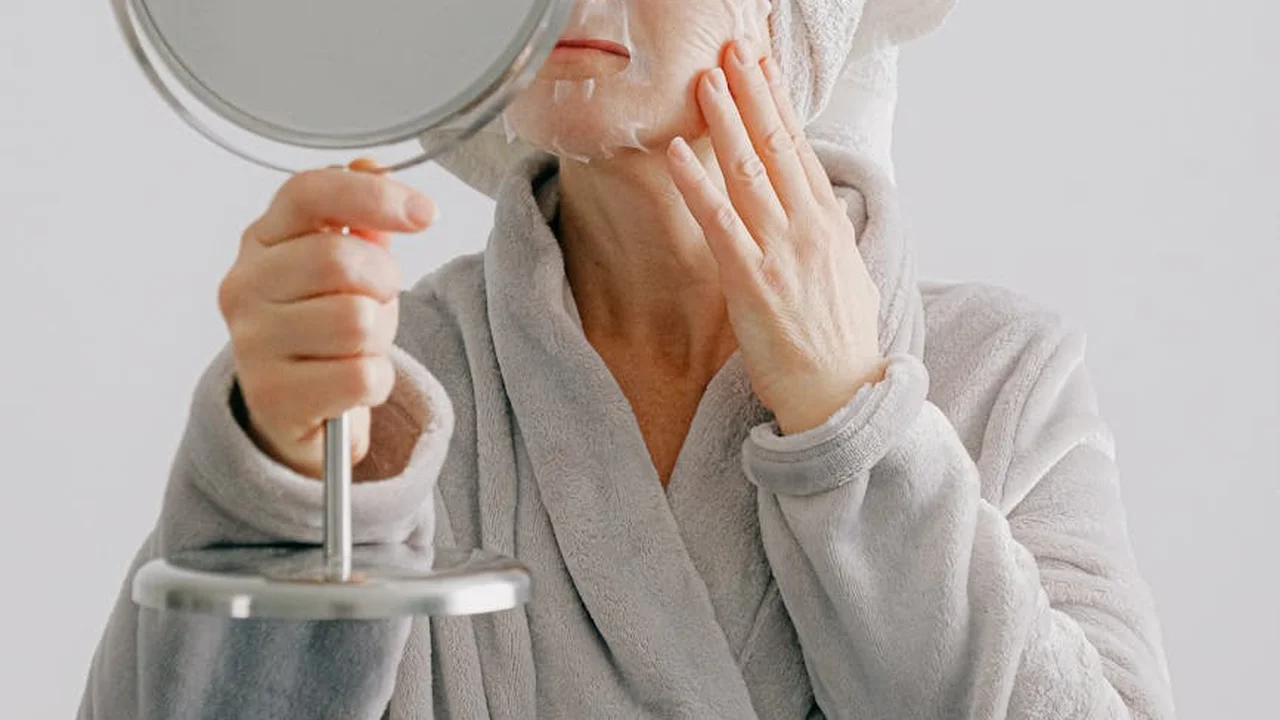
So, are Bioderma skincare products non-comedogenic? This is where their philosophy really shines. Bioderma is built on dermatological science with a deep focus on skin tolerance and respecting the skin’s barrier. To understand this better, it’s helpful to consider comedogenic ratings and cosmetic oil ingredients and how they can influence skincare outcomes.
This means many of their products are formulated to be non-pore-clogging, but you must always check the specific line. The truth about comedogenic oils—which ones clog pores and why—can vary by skin type and formulation. Knowing this helps you pick products more wisely. It’s like choosing an oil for your face. You wouldn’t use thick castor oil the same way you’d use light grapeseed oil.
Their Sébium line is targeted for oily concerns, while Atoderm is a rich, reparative line for very dry, compromised skin. They serve different purposes entirely.
Is Bioderma Safe for Oily Skin?
Are Bioderma skincare products safe for oily skin? Absolutely, if you pick your formulas wisely. For years, I’ve recommended their Sébium line to friends looking for that clean-but-not-stripped feeling.
The Sébium line is their answer to oily, shiny, blemish-prone skin, and it’s expertly crafted for that balance. It provides care without feeling heavy or greasy.
Their micellar waters are a staple on my shelf for a reason. They lift away makeup and grime with zero harsh rubbing, which can irritate oily skin and make it produce more oil. The Bioderma Sébium micellar water is a particularly safe bet for this skin type.
Now, a direct word on textures: that gentle Bioderma Sensibio micellar water is fantastic for most. But the rich Bioderma Atoderm cream or the intensive baume? Those are intensely nourishing balms. They are healing miracles for dry body skin, but they would likely feel like a heavy blanket on an oily face.
Is Bioderma Safe for Acne-Prone Skin?
Are Bioderma skincare products safe for acne-prone skin? The Sébium line is your starting point here, too. It goes beyond just cleaning oil. It includes smart ingredients like a copper-zinc complex to regulate sebum and some products with salicylic acid to help clear pores. Pairing these cleansers with a non comedogenic moisturizer helps hydrate without clogging pores. This approach aligns with choosing the best non comedogenic moisturizers for acne-prone skin to keep skin balanced.
Even acne-prone skin needs non-comedogenic moisturizing to stay balanced and healthy, and this line understands that. Dehydrated skin often overcompensates with more oil.
I want to specifically talk about their cleansing oil, the Sensibio H2O Make-up Remover Oil. It’s a beautiful, effective formula for melting sunscreen and mascara. For acne-prone skin, using an oil-based cleanser first is a smart double-cleanse method. You must, and I mean must, follow it with a water-based cleanser like their Sébium Purifying Cleansing Foam. This two-step process ensures no oily residue remains in your pores.
Ingredient Insights: What to Look For and What to Pause On
Reading a skincare label is a skill, just like reading a plant’s constituent profile or checking a carrier oil’s comedogenic rating. You’re looking for clues about how it will behave on your skin.
Think of it as getting to know an ingredient’s personality before you invite it into your routine. Here’s a quick guide from a formulator’s perspective.
Common Non-Comedogenic Champions
These ingredients are typically friendly faces for pores. They hydrate, soothe, or clarify without heaviness.
- Hyaluronic Acid: A moisture magnet that plumps without clogging.
- Niacinamide: A superstar for calming redness and regulating oil production.
- Zinc: Often found in formulas for blemish-prone skin, it has soothing properties.
- Salicylic Acid (in wash-off forms): A natural exfoliant that can help clear pore debris.
- Lightweight Botanical Extracts: Look for green tea, willow bark, or licorice root for soothing, antioxidant benefits.
Ingredients That Might Need a Second Glance
These aren’t universally “bad.” They just require a bit more awareness, especially if your skin is very congestion-prone.
Fatty alcohols like cetyl or stearyl alcohol are emollients. They help creams spread. For many, they’re fine. For some, they can lead to little clogged pores. It’s very individual.
Natural oils are my world. Just like with facial oils, the comedogenic rating matters. Jojoba and squalane (often derived from sugarcane) are typically low and well-tolerated. Heavier oils like coconut oil have a higher rating and are more likely to clog pores for some people.
Silicones like dimethicone. They create a smooth, velvety feel and aren’t directly pore-clogging for most. The catch? They can form a barrier. If you don’t cleanse thoroughly, they might trap other products or sebum underneath. A good double cleanse handles this.
So, is Bioderma comedogenic? It’s never a brand-wide yes or no. The answer lives in the specific formula of the product you hold in your hand. Always check the line and the ingredient list for your specific skin’s needs.
Building a Simple, Clog-Free Routine

Think of your skincare routine like a good carrier oil blend. You want it balanced, effective, and not so heavy it clogs things up.
A simple framework makes consistency easy. That gentle, daily habit is what truly manages oil and clarity.
My rule is simple: morning is for light protection, evening is for thorough cleansing. Here is where you can slot in your chosen products.
Always cleanse your face twice in the evening if you wear sunscreen or makeup, especially if your first step is a Bioderma cleansing oil. The first cleanse breaks everything down. The second cleanse addresses your actual skin.
If You Lean Toward Biore
I treat a potent Biore charcoal or salicylic acid cleanser like a clarifying treatment oil. A little goes a long way, and you do not need it constantly.
Use a strong Biore cleanser in the evening only, and always follow it with a light, soothing moisturizer. This prevents your skin from panicking and producing more oil.
I keep a simple gel moisturizer on my shelf for exactly this purpose. Please, do not combine multiple active Biore products at once. Using a stripping wash, a scrub, and an astringent toner together is a sure path to irritation.
Your skin barrier is precious. Treat it with respect.
If You Lean Toward Bioderma
Bioderma’s Sébium line is formulated for oily, blemish-prone skin. Their approach often feels more like soothing maintenance than an aggressive attack.
A gentle routine could look like this: Start with Bioderma Sébium Micellar Water on a cotton pad if you wore light makeup. Follow with their Sébium Gel Cleanser with a little water. Pat dry and apply a Bioderma moisturizer from the same Sébium line.
This kind of consistent, targeted routine can help balance oil production without stripping your skin’s natural defenses.
A note on their rich creams: The Atoderm Intensive Baume is a hero for very dry body skin. I use it on my elbows and knees. For an oily face, save it only for extremely dry patches, never your whole T-zone.
Your Personal Patch Test Checklist
This step is non-negotiable. I would not use a new essential oil without diluting and testing it first. The same careful logic applies to any new skincare product.
A patch test is your only way to know if a product is truly safe and non-comedogenic for your unique skin. It answers the question for you, personally.
- Choose a small, discreet area. Behind your ear or along your jawline works perfectly.
- Apply a pea-sized amount twice daily, just as you would in a real routine. Do this for 5 to 7 days.
- Watch closely. Look for any redness, persistent itching, or a cluster of new, tiny bumps. Those bumps can be a sign of clogged pores.
- If that area is clear, move the test to a small spot on your cheek or forehead for a few more days.
- Only after both tests are clear should you welcome the product into your full routine. This patience saves you so much trouble.
Your Questions, Plant-Based Answers
Are Biore and Bioderma products generally non-comedogenic?
Both brands formulate with non-comedogenic goals, but their approaches differ. Biore often targets oil and pore clarity directly, while Bioderma’s Sébium line focuses on balancing oily skin without compromising its barrier.
Which Bioderma line is safest for my oily, acne-prone skin?
For oily or acne-prone skin, the Bioderma Sébium line is your clearest starting point. Its formulas are specifically engineered to respect the skin’s balance while addressing shine and blemishes.
Can I use a Biore cleanser every day if my skin is oily?
I advise against daily use of stronger Biore cleansers, as they can over-strip your skin. Treat them as a clarifying tool, using them a few times a week followed by a light moisturizer to maintain balance.
What’s the single most important step when trying these products?
Always conduct a personal patch test. Your skin’s unique reaction is the ultimate measure of whether a product is non-comedogenic and safe for you, regardless of its claims.
Finding Your Clear Path Forward
When choosing products for oily or acne-prone skin, look for the non-comedogenic label and gentle, targeted formulations from brands like Biore and Bioderma. Your best routine works with your skin’s natural balance, not against it, much like a well-chosen botanical oil.
I trust you to listen to your skin and pair these modern formulas with the holistic care you find here. Your journey to calm, clear skin is a personal one, and this blog is here to help you blend the best of both worlds.
References & External Links
- 6 Best Non Comedogenic Biore Sunscreens In 2025 | SkinSort
- Non-Comedogenic/Won’t Clog Pores BIODERMA | Walgreens
- Bioré Non-Comedogenic Sunscreen Products for sale | eBay
- Amazon.com: Biore UV Aqua Rich Daily Hydrating Facial Moisturizer with SPF 50 | Oil Free Sunscreen & Primer for Makeup with Hyaluronic Acid, No White Cast, Non-Comedogenic, For Sensitive Skin, PA++++, 1.7 Oz : Beauty & Personal Care
- Review: The best non comedogenic moisturizer for sensitive skin [Updated] – A younger skin
- Best Fungal Acne Safe Non Comedogenic Biore Sunscreens
Noemi Kamińska
Noemi is an accomplished wellness researcher, nutrition care guide and body care expert. She has years of experience in formulating various oil combinations for full body wellness including face, hair, body care, essential oils and cooking oils. She works as a bio-formulator working with oil chemistry and analyzing the best formulations when it comes to your needs. Feel free to reach out to get your oil needs sorted.