What Are the Best Oils for Camping and Backpacking?
Packing for a trip means every ounce counts, but you still want tools that work hard. Choosing the right botanical oils lets you replace several heavy bottles with one lightweight, stable, and multi-use solution.
I will walk you through selecting oils that protect your skin, soothe muscles, freshen gear, and even handle minor first-aid, all from a tiny kit in your pack.
- Lightweight carrier and essential oils perfect for your pack
- Why oil stability matters in sun and temperature swings
- My favorite multi-use blends for skin, bugs, and soreness
- Simple, safe application tips for the trail
Why Even Bring Oils on the Trail?
Picture your pack. Now picture swapping a bulky tube of anti-itch cream and a separate sleep aid for one tiny, dark glass vial of lavender essential oil. That’s the trade-off.
I keep a 5ml rollerball of lavender and jojoba blend in my kit year-round. It soothes a fiery bug bite in seconds and, when dabbed on my wrists, brings a calm, familiar scent to a noisy forest at night.
The real magic of trail oils is their ability to replace three or four heavier items in your pack. A single oil can often tackle skin care, minor first-aid, and even gear maintenance. That saves precious grams and space for more food or a warmer layer.
Beyond that, a drop of a comforting scent on your tent’s sleeping pad can work wonders. It shifts the space from just shelter to your cozy backcountry home.
What Makes an Oil Truly Trail-Worthy?
Not all oils are created equal for life in a backpack. The best ones share three key traits: they’re lightweight, stable, and multi-use.
Lightweight: It’s Not Just the Bottle
‘Lightweight’ means the oil itself is thin and non-greasy. You want it to absorb quickly, not sit on your skin attracting dirt.
Think about the difference between regular coconut oil, which is solid in cool weather, and fractionated coconut oil. The fractionated version stays a thin, slippery liquid no matter what. It’s a champion for the trail because it pours easily and feels light.
Oils like fractionated coconut oil, jojoba, and grapeseed have a lower viscosity, so a little goes a long way without weighing you down. When choosing oils, it’s important to understand oil viscosity and grade numbers for botanical and carrier oils.
Stability: Resisting Heat and Time
Your pack will get hot sitting in the sun. You need oils that won’t turn rancid or lose their potency quickly under stress.
Oils high in polyunsaturated fats, like flaxseed or walnut oil, go bad fast. They’re a poor choice for camping.
Look for oils high in saturated or monounsaturated fats-they’re far more stable. Jojoba is actually a liquid wax that barely oxidizes. Fractionated coconut oil and sunflower oil (high-oleic version) are also excellent, shelf-stable picks that can handle a week in your pack.
The Multi-Use Champion
This is where you win. The ultimate trail oil serves multiple, distinct purposes.
Let’s take food-grade, virgin coconut oil (if your climate is warm). In one small jar, you have: a cooking fat for your camp meal, a rich moisturizer for wind-whipped skin, a dab of frizz-tamer for hair, and a conditioner for leather boot laces or a dry tent zipper.
A truly multi-use oil bridges the gap between your cook kit, your first-aid kit, and your personal care kit. It’s the definition of efficient packing. My personal rule? If an oil can’t do at least two jobs convincingly, it probably doesn’t earn its spot in my backpack.
How Can One Oil Do Many Jobs?
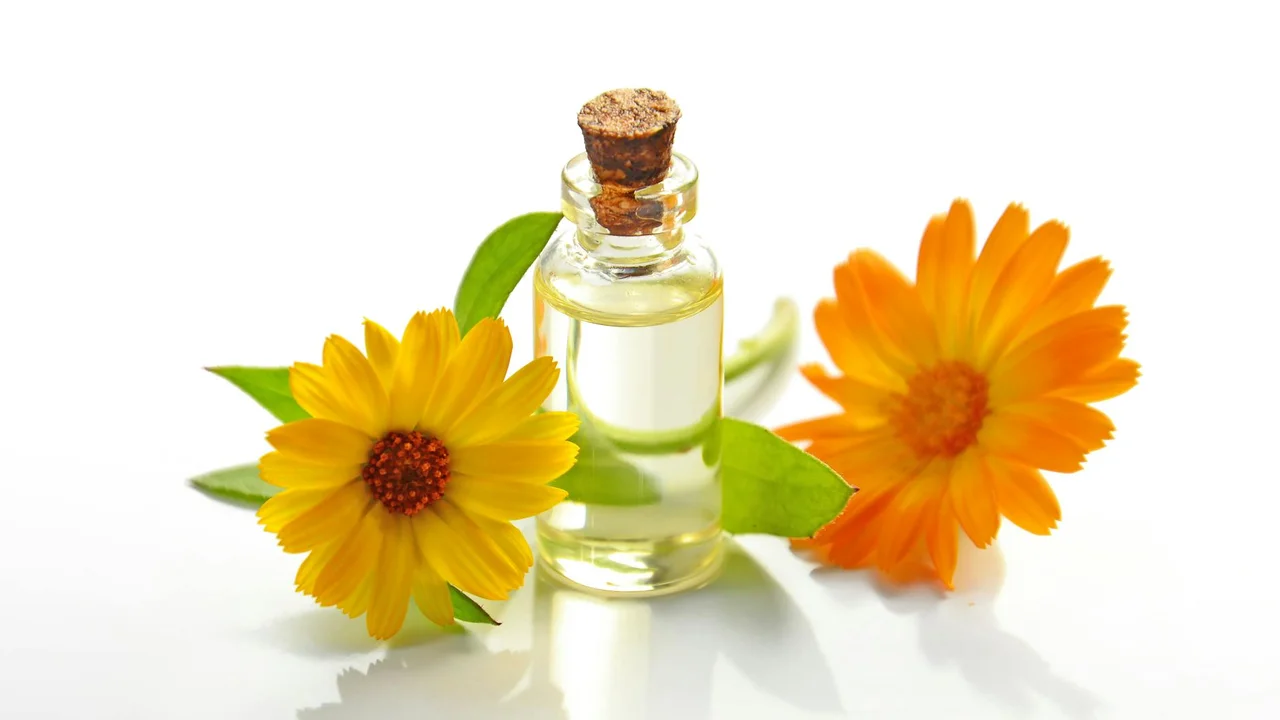
The secret is choosing oils that are stable and mild. I keep my pack light by picking oils that work hard without fuss.
Here are my top three multi-taskers.
Fractionated Coconut Oil
This is just the liquid part of coconut oil, so it never gets solid in your pack. It feels slick and absorbs slowly, which is perfect for many outdoor jobs.
- Skin Saver: Soothes wind-chapped cheeks and dry cuticles.
- Gear TLC: Conditions leather boot uppers and prevents tent zippers from sticking.
- First-Aid Base: A perfect carrier for diluting essential oils for bug bites or muscle rubs.
- Camp Clean-Up: A few drops on a bandana helps remove stubborn, sticky sap from your hands.
Jojoba Oil
Jojoba is actually a liquid wax. It’s incredibly stable and mimics our skin’s own oils. I always have a small bottle of jojoba oil.
- All-Over Moisturizer: Great for face, body, and even hair ends to combat dry air.
- Wood Polish: Brings a nice sheen to a wooden spoon or knife handle.
- Rust Preventer: A thin coat on carbon steel knife blades or tools keeps rust away.
- After-Sun Care: Its gentle, soothing nature helps calm skin after a long day outside.
High-Oleic Sunflower Oil
This is a special, refined cooking oil with a very long shelf life. It has almost no flavor, which I like.
- Cooking Fat: A high smoke point (around 450°F) makes it safe for campfire frying.
- Emergency Fire Starter: Coat a cotton ball in it-it burns slowly and steadily.
- Simple Seasoning: Use a dab to re-season a cast iron skillet right over the fire.
A crucial safety note: Carrier oils like these are safe to use directly on skin. Essential oils are highly concentrated plant extracts and must be diluted in a carrier oil first to prevent severe skin irritation. Never use essential oils “neat” (undiluted) on your skin, especially in the wilderness. For safe, effective body treatments, you can mix essential oils with carrier oils properly.
What Are Your Best Backpacking Oil Options?
Choosing the right oils means balancing purpose, weight, and stability. This table breaks down my absolute trail essentials.
| Oil Name | Type | Best For | Scent/Feel | Pack Size Tip |
|---|---|---|---|---|
| Lavender | Essential | First-aid for small cuts & burns, promoting calm sleep, taking the itch out of bug bites. | Floral, herbaceous, and soft. A true calming classic. | 5ml glass bottle. It’s so versatile, you’ll use it daily. |
| Peppermint | Essential | A mental pick-me-up on long hikes, soothing an upset stomach, cooling sore feet. | Bright, sharp, and invigorating. It feels cool on the skin. | 2ml bottle. A little goes a very long way. |
| Tea Tree | Essential | A natural antiseptic for cleaning small scrapes, fighting foot fungus, and freshening musty gear. | Medicinal, clean, and pungent. It smells like health. | 5ml bottle. Your first-aid kit staple. |
| Jojoba | Carrier | Diluting all the essential oils above, moisturizing skin, protecting wood and leather gear. | Very light, slightly nutty, and leaves no greasy feel. | 1 oz (30ml) dropper bottle. This is your base for everything. |
Oils for the Camp Kitchen
For cooking, you want an oil that won’t smoke over a flame and won’t go rancid quickly.
My shelf holds a bottle of high-oleic sunflower oil for most trips because it’s so neutral. For a richer flavor in cooler weather, a light olive oil works. Avocado oil has a very high smoke point (over 500°F) and is excellent for high-heat cooking, but it’s often pricier and thicker to pour. I repurpose a small, clean plastic travel shampoo bottle to carry just what I need-it’s lightweight and won’t break.
A Quick Trailside Bug-Off Blend
You can make a simple, effective repellent. I prefer lemon eucalyptus oil for this; it’s a proven botanical alternative.
In a 1 oz (30ml) glass dropper bottle:
- Fill the bottle ¾ full with your carrier oil (jojoba or fractionated coconut are perfect).
- Add 30 drops of Lemon Eucalyptus essential oil.
- Add 15 drops of Lavender essential oil for extra soothing power.
- Cap the bottle and roll it gently between your palms to mix.
Apply a few drops to your wrists, ankles, and neck every few hours. Always do a patch test on your inner arm before your trip to check for sensitivity. Keep it away from your eyes and mouth.
How Do You Pack Oils Without a Mess?
Keeping oils contained is the first rule of trail apothecary. A small leak can scent your entire pack, and that’s a generous way to put it.
Choose Your Vessels Wisely
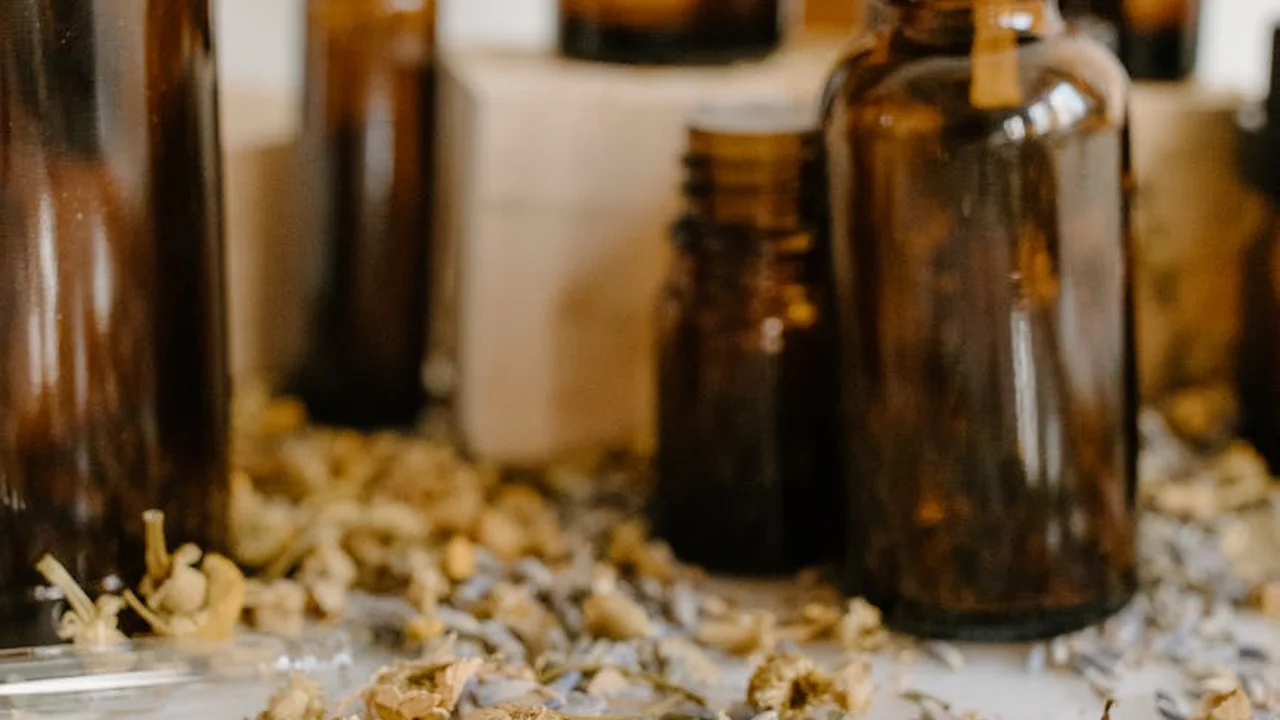
For essential oils, I always use amber or cobalt blue glass dropper bottles. The dark glass protects the oil’s potency from light, and the dropper gives you perfect control. For carrier oils, I switch to small, food-grade silicone bottles. You can squeeze out every last drop, and they are much lighter and more forgiving than glass if your pack takes a tumble—especially when traveling with essential oils.
The right container is your best defense against a greasy, fragrant disaster in your backpack.
The Non-Negotiable Double Bag
No container is 100% infallible. Pressure changes and temperature swings can cause even the best lids to seep. My absolute rule is to place every oil bottle, even the sealed ones, inside a small ziplock bag. Then, I put all those individual bags into one larger, durable zip-top bag. This double layer of protection has saved my gear more than once.
Label and Pre-Mix at Home
You will not remember which bottle is which. Trust me. A small piece of painter’s tape and a permanent marker make perfect, peelable labels. Even better, do your blending at your kitchen table. Pre-mix your insect repellent or muscle rub in a single bottle. This saves you from carrying multiple oils and messy droppers on the trail. It’s safer, simpler, and keeps your campsite routine calm.
Pre-mixing your blends at home turns a complex ritual into a simple, one-bottle solution when you’re tired at the end of a long hike. The little kit in my own pack has pre-diluted blends ready to go.
Which Oils Should Stay Home?
Part of smart packing is knowing what to leave behind. Some oils create more risk than reward when you’re miles from the nearest tap or clinic.
Beware of Photosensitivity and Irritation
Some oils, particularly citrus oils like bergamot, lime, and bitter orange, are phototoxic. This means they can cause severe chemical burns or blistering when applied to skin and then exposed to sunlight. The bright sun on the trail amplifies this risk dramatically. I also leave strong potential irritants like cinnamon bark, clove bud, and oregano at home. A rash from a poorly diluted oil is miserable anywhere, but it’s a genuine problem in the backcountry.
Consider the Local Wildlife
We might love the scent of jasmine or ylang ylang, but strong floral aromas can be a beacon for curious insects or even larger animals. I avoid packing intensely sweet floral essential oils when camping in bear country or places with lots of bees. The goal is to blend in, not attract extra attention.
Your scent signature matters outdoors; choose oils that support low-impact principles.
Skip the Unstable Carriers
Your carrier oil needs to be as hardy as you are. Light, stable oils are key. I never pack heavy, polyunsaturated oils like flaxseed or walnut oil. They can go rancid in a matter of days, especially in a warm pack. That nutty smell is a sign it’s spoiled. Instead, I rely on fractionated coconut oil. It’s odorless, stays liquid in any temperature, and has a virtually indefinite shelf life. It’s the perfect, worry-free base for any trail blend.
When Is an Oil Not the Right Tool?
I always pack a few oil blends in my kit, but I’m very clear about what they can and cannot do. Oils are not a substitute for critical safety items like bear spray, a full first-aid kit, or a reliable, EPA-registered insect repellent in high-risk areas. A calming scent can ease your mind, but it won’t deter a bear.
Think of oils like a helpful friend, not a bodyguard. In my own pack, the small bottle of peppermint oil for headaches sits in a different pouch than my actual first-aid supplies and proven bug spray.
Heat is the enemy of many oil-based preparations. An oil-based salve that is perfectly solid on your shelf at home can melt into a runny mess inside a warm backpack or a hot car. I learned this after a tin of my favorite calendula salve leaked everywhere during a summer trip.
Now, for warm-weather hikes, I either make a firmer balm with more beeswax or simply keep any salve in a sealed plastic bag. It saves your gear from a greasy surprise.
Always, always read the labels on your carrier oils. If you have a nut allergy, common carriers like almond or argan oil could pose a real risk. When you compare carrier oils—jojoba, almond, and coconut for diluting essential oils, you’ll notice differences in absorption and skin feel. These comparisons help you tailor blends safely. I keep a bottle of simple jojoba oil on my shelf for most blends because it’s generally well-tolerated.
Checking the source is a quick habit that makes using oils much safer. Sunflower or fractionated coconut oil are two other gentle options I turn to often.
Your Trail Oil Questions, Answered
Can I mix all my essential oils into one trail blend?
You can combine a few for synergy, but a simple blend of 2-3 oils is most effective. For example, mixing lavender, peppermint, and tea tree creates a versatile first-aid and refreshment blend without overwhelming your senses or your skin.
What’s the safest way to dilute essential oils for skin application?
A 2% dilution is a safe and effective standard for most adults, which is about 12 drops of essential oil per ounce (30ml) of carrier oil. Choosing a skin-friendly carrier matters, as some oils are gentler on the skin and commonly regarded as the best options for dilution. Always dilute in a stable carrier like jojoba or fractionated coconut oil to protect your skin and ensure even application.
How long will my oils stay fresh in my pack?
When stored in dark glass bottles and kept reasonably cool, your pre-mixed blends should stay potent for the duration of a typical trip. For maximum freshness, I recommend making new small batches each season, especially for oils used infrequently.
What should I do if I get an oil in my eye on the trail?
Immediately flush the eye with copious amounts of clean, cool water for at least 10-15 minutes-do not rub it. If significant irritation persists after rinsing, seek proper medical attention as soon as possible.
Final Thoughts on Your Trailside Apothecary
The smartest move you can make is to pack a tiny selection of stable, multi-purpose oils. This minimalist approach ensures you have solutions for skin, wellness, and camp chores without any wasted weight or space. Different oils—olive, coconut, and essential oils—have different storage needs.
I share more from my own kit and experiences right here on the Botanical Oils blog. If you’re curious about proper essential oil dilution ratios and whether to mix them with carrier oils, I’ll cover that next. You’ll find practical guidance for safe blends that support hair and skin, too. Trust these guidelines, then let your personal routine guide how you blend and use these oils for your body, hair, and home under the open sky.
Further Reading & Sources
- Backpacking and Camping with Spices and Oil: 8 Spill-Proof Hacks
- Adventure awaits! The best essential oils for camping trips | Young Living Blog – US EN The Best Essential Oils for Camping and the Outdoors | Young Living Blog
- 5 Best Essential Oils for Camping and Outdoor Activities – Cliganic
- Amazon.com: Camping Cooking Oil
- The many uses of olive oil when backpacking | Outdoor Herbivore Blog
Noemi Kamińska
Noemi is an accomplished wellness researcher, nutrition care guide and body care expert. She has years of experience in formulating various oil combinations for full body wellness including face, hair, body care, essential oils and cooking oils. She works as a bio-formulator working with oil chemistry and analyzing the best formulations when it comes to your needs. Feel free to reach out to get your oil needs sorted.