
Can You Mix Tanning Oil with Sunscreen? How to Layer Them Safely
Worried that combining tanning oil with sunscreen will leave your skin vulnerable? I’ve blended oils for skin care for years, and I can assure you that with proper layering, you can aim for a glow while staying protected.
The safest approach is to apply sunscreen as your base layer, then add tanning oil carefully on top.
- The science behind SPF and oil mixtures
- Choosing products that work well together
- My step-by-step method for safe application
- Common layering errors that weaken sun protection
Key Takeaways for Safe Sun and Glow
Before we get into the details, let’s set some ground rules. This is the foundation for everything that follows.
- Never, ever mix a tanning oil and a sunscreen together in your palm or a bottle. This dilutes the sunscreen’s protective film and creates an unreliable, patchy shield.
- Always apply them in layers, with sunscreen as your absolute first base layer. Think of it as your skin’s non-negotiable underwear.
- Sunscreen is the only product here that provides real protection. A tanning oil with a low SPF is not adequate sunblock for extended exposure.
- Using a traditional tanning oil (with no SPF) actively works against sunscreen by helping UV rays penetrate deeper. It accelerates the damage process for the sake of color.
- Some modern products are formulated to combine moisturizing oils with robust sun protection. We’ll look at how to spot a good one later.
What’s in Your Bottle? Understanding the Basics
To layer smartly, you need to know what each product is designed to do. Their jobs are fundamentally different.
Tanning Oil: The Glow Accelerator
I keep a few classic tanning oils on my shelf for reference. Their primary job is cosmetic. They moisturize the skin to create a uniform, reflective surface and often contain ingredients that can amplify UV exposure, unlike natural tanning oils that focus on skin health.
They feel slick and are usually scented with coconut or tropical notes. Common botanical oils in them include coconut oil (a moderate natural sunblock but not enough alone), and sometimes raspberry seed or carrot seed oil, which have some protective properties but are inconsistent.
In essence, a pure tanning oil is like putting your skin under a magnifying glass with lotion-it aims to deepen color quickly, which is inherently damaging.
Sunscreen: The Protector
This is your defensive squad. Its only job is to absorb or reflect harmful UVA (aging) and UVB (burning) rays. SPF, or Sun Protection Factor, refers mainly to UVB protection. “Broad-spectrum” means it defends against both UVA and UVB.
Filters come in two main types:
- Mineral (Physical): Uses zinc oxide or titanium dioxide. It sits on top of your skin like a shield, reflecting rays away. It can feel a bit heavier and sometimes leaves a white cast.
- Chemical: Uses ingredients like avobenzone or octinoxate. It absorbs into the skin and converts UV rays into heat, which is then released. It tends to feel lighter and sink in more.
For layering with oils, mineral sunscreens are often more compatible because they form a stable physical barrier on the skin’s surface.
The Core Difference
Here’s the simplest way I explain it to friends: Sunscreen is your skin’s security guard, blocking trouble at the door. Tanning oil is the stage lighting, designed to make everything under it more visible and intense. You wouldn’t ask the stage lights to provide security, and you shouldn’t rely on a tanning oil for protection.
The Straight Answer: Can You Use Sunscreen and Tanning Oil Together?

Let’s clear this up right away. You can use sunscreen and tanning oil together, but only in a specific way. You must layer them separately on your skin, never mix them together in your hands or a bottle.
Mixing the two products is a common mistake that undermines your safety. Tanning oil can dilute the active ingredients in sunscreen and break its protective film. This makes the SPF protection unreliable, so you could burn even if you think you’re covered.
I always follow the guidance from skin health experts on this. Dermatologists advise against blending sunscreen with any other product for this exact reason. It’s like adding water to a carefully measured herbal tincture-it changes the potency and you can’t trust the result.
Your Safe Layering Routine: A Step-by-Step Guide
This simple routine prioritizes your skin’s health while helping you achieve a gradual glow. Here’s what you’ll need from your wellness cabinet and beach bag.
- Broad-spectrum sunscreen (SPF 30 or higher): This is your foundation. Choose a formula you like, so you’ll use it generously.
- Your chosen tanning oil: I often reach for one with coconut or raspberry seed oil for a lightweight feel.
- A timer: Use your phone. Consistent timing is key for safe reapplication.
- Protective clothing: A hat and a light linen shirt offer a physical barrier when needed.
- Water: Staying hydrated supports your skin and overall wellness in the sun.
Step 1: Apply Your Sunscreen Foundation
Begin with clean, dry skin. Apply your sunscreen first, using a generous amount. A good rule is to use about one ounce (think a shot glass full) to cover your entire body. Don’t forget easy-to-miss spots like your ears, the back of your knees, and the tops of your feet.
Rub it in completely and then let it absorb. Wait a full 15 minutes before going into the sun or applying anything else. This allows the sunscreen to bind to your skin properly. I treat this step with the same non-negotiable respect as wearing gloves when handling certain essential oils-it’s a basic health precaution.
Step 2: How to Layer Sunscreen and Tanning Oil
So, can you put tanning oil over sunscreen? Yes, but timing is everything. Only after your sunscreen is completely dry and absorbed should you add a thin layer of tanning oil.
Pour a small amount of oil into your palm, warm it slightly, and smooth it over your skin in gentle, even strokes. You want a light, glossy film, not a thick coat. This layered approach lets the tanning oil enhance your skin’s appearance while the sunscreen underneath remains intact to do its job. Please understand, this is for seeking a tan with a base of protection, not for extending safe sun exposure time. To weave this into your daily skincare routine, consider pairing it with rosehip oil or other botanical face oils. These lightweight botanicals can support hydration and radiance between applications.
Step 3: Timing and Reapplication Rules
Your sunscreen’s protection wears off with time and activity. You must reapply your sunscreen every two hours, and immediately after swimming, sweating heavily, or towel drying. This is not a suggestion; it’s the standard for maintaining coverage.
Reapplication means starting the process over. First, apply a new layer of sunscreen, wait 15 minutes for it to set, and then, if you wish, add a touch more tanning oil. This is where your timer is crucial. I set mine just like I do when steeping herbs for a home infusion-it keeps me on track for a safe, predictable result.
Common Mistakes and How to Avoid Them
I see this mix-up all the time. It usually starts with good intentions, but the order of things really matters here.
Mistake: Using Tanning Oil *Instead* of Sunscreen
This is the biggest one. A pure tanning oil, even a luxurious coconut or sesame blend, is not a shield.
Tanning oils are designed to moisturize and sometimes intensify UV rays, while sunscreen is formulated to block or absorb them. Using oil alone is like wearing a sheer scarf instead of a wide-brimmed hat. Your skin gets the damaging rays without the proper defense, even when using natural oils that claim to provide SPF.
Mistake: Applying Tanning Oil First, Then Sunscreen on Top
Layering is good, but the sequence is everything. If you smooth on a slick oil first, you create a barrier on your skin.
That oily film can prevent your sunscreen from absorbing properly and creating the uniform protective layer it needs. Imagine trying to stick a bandage to a greasy plate. The sunscreen might slide off, bead up, or apply unevenly, leaving you with weak spots in your coverage.
Mistake: Thinking a “Tanning Oil with SPF” Allows for Unlimited Sun Time
This label can be confusing. I keep one on my shelf to check the ingredients.
A “tanning oil with SPF” is essentially a sunscreen with an oily, emollient base-it is not a free pass to bake all day. You must treat it exactly like any other sunscreen. That means applying a thick, generous coat (about a shot glass for your whole body) and reapplying it every two hours, or immediately after swimming or sweating. The SPF number is your guide, not the word “oil” on the bottle.
Botanical and Safer Alternatives to Consider
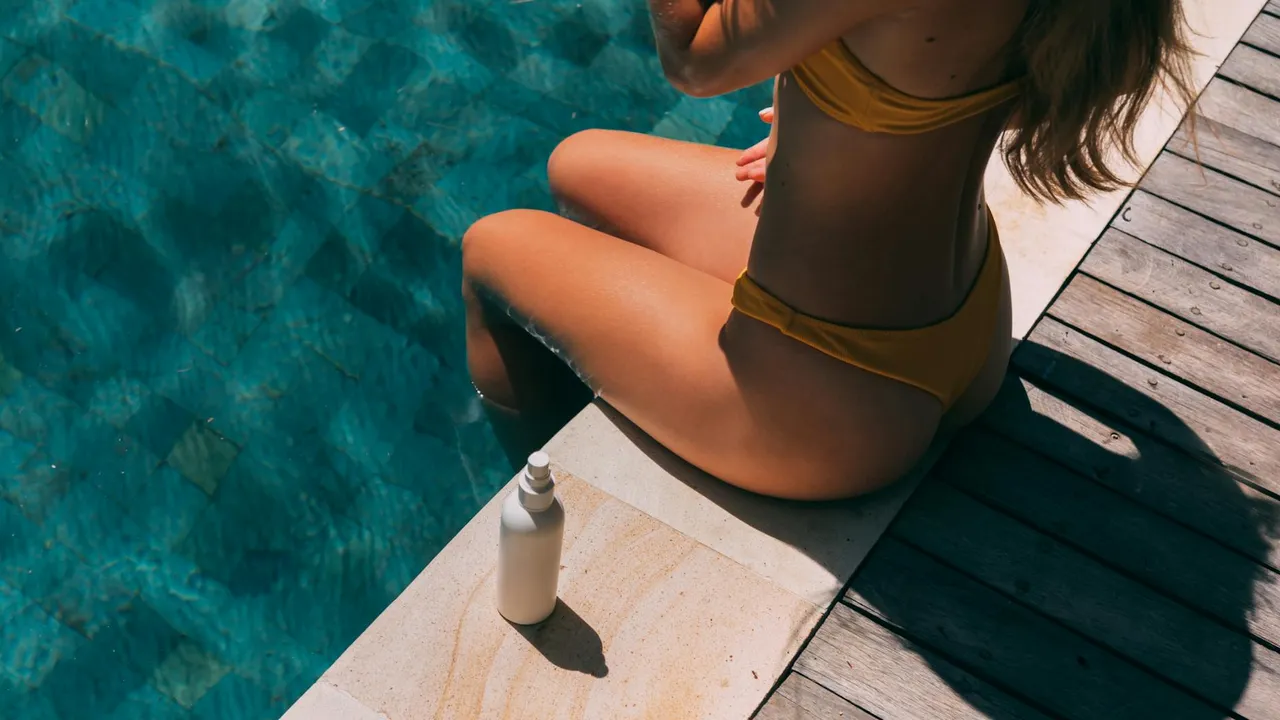
If you love the feel of an oil but need protection, you have some lovely options that work with your skin, not against it.
Modern Sunscreen Oils: Your Best Hybrid
This is my preferred category for a dewy, protected glow. Sunscreen oils are formulated first and foremost as sun protection.
They use lightweight oils like meadowfoam or jojoba as carriers for mineral or chemical UV filters. The result is a product that applies like a dry oil and protects like a sunscreen. Look for broad-spectrum SPF 30 or higher in a formula that feels nourishing, not just greasy—such as dry body oils that are designed to benefit different skin types.
Sunscreen Oil vs. Tanning Oil: Intent is Key
Let’s be clear. A true tanning oil aims to promote a tan, often by moisturizing to prevent peeling or containing ingredients that may increase UV sensitivity, unlike coconut oil for sunburned skin.
A sunscreen oil has one job: to protect your skin from UVA and UVB rays. The core difference is intent-one seeks a color change, the other prevents skin damage. For health, always choose the product designed for protection first.
Sunless Tanning with a Botanical Boost
For a golden glow without any UV exposure, modern sunless tanners are fantastic. I look for lotions or mousses that pair the active tanning ingredient (like DHA or erythrulose) with hydrating botanical oils.
Ingredients like cacay oil, marula oil, or even aloe vera gel help the color develop evenly and keep skin supple. You get the aesthetic result of a tanning oil with zero risk of sun damage, unlike coconut oil, which is not safe for sun exposure, plus a dose of skin nourishment.
Antioxidant Oils as a Supportive Base Layer
Some plant oils, like red raspberry seed or carrot seed oil, have natural antioxidant properties that may offer a tiny bit of sun protection, but it’s unreliable and not enough on its own. Many people wonder whether the best natural alternatives among common seed oils exist for both cooking and skincare. In the next steps, we’ll look at which oils truly shine for skin care while also being practical in the kitchen.
I use them differently. Think of a few drops of antioxidant-rich oil applied to damp skin as a supportive primer, followed by your regular sunscreen as the main defense. The oils can help neutralize free radicals generated by sun exposure, supporting your skin’s health from underneath your primary shield.
Choosing Your Products: A Botanical-Minded Guide
Picking the right products is your first and most important step. It sets the foundation for everything that follows. Think of it like choosing ingredients from your apothecary shelf-you want to know exactly what you’re working with.
Decoding Your Sunscreen Label
Your sunscreen is your primary shield. I always check the back of the bottle first, before I even look at the front.
Look for the words “broad spectrum” every single time. This means it protects against both UVA rays, which age skin, and UVB rays, which cause burning.
Choose an SPF of 30 or higher. SPF 30 blocks about 97% of UVB rays, which is the benchmark for good daily protection.
On my own shelf, I keep a few trusted mineral-based sunscreens that blend well with oils. Their key ingredient, zinc oxide, sits protectively on top of my skin.
Selecting a Tanning Oil with Care
Not all oils are created equal, especially when the sun is involved. A tanning oil’s job is to moisturize and give a slight glow, not to fry your skin.
I gravitate toward plant-based oils over mineral oil. Mineral oil can feel greasy and just sits on the surface. Oils like coconut, raspberry seed, or carrot seed actually nourish your skin while you’re out in the elements.
This is my biggest safety tip: scan the ingredient list for photosensitizing essential oils. Certain oils, especially citrus oils like bergamot, lime, or bitter orange, can make your skin far more sensitive to sunlight.
They can cause a painful burn or dark staining, even under sunscreen. If you see them listed, save that oil for an evening application instead.
The Simple, Smart Alternative
If this all sounds like a lot to manage, there’s a much easier path. Many companies now sell a tanning oil with sunscreen.
When you find one, treat it exactly as you would a regular sunscreen. Check that it’s broad spectrum and SPF 30+. Apply it generously and reapply it often.
Think of this product as a protective, moisturizing sunscreen, not a tool for tanning. I keep one in my beach bag for quick, no-fuss application by the pool. It simplifies your routine beautifully.
Your Questions, Answered
If I reapply sunscreen, do I need to reapply the tanning oil on top?
Yes, but only after your fresh layer of sunscreen has fully dried and set. Reapply your tanning oil as the final step to maintain that hydrating glow over your renewed protection.
Can a “tanning oil with SPF” replace my regular sunscreen?
Yes, but only if you use it exactly as a sunscreen. Apply it generously as your first and only protective layer, and reapply it every two hours-the “tanning oil” label refers to its texture, not a license for extended sun exposure.
Are any plant oils a safe substitute for sunscreen?
No single plant oil provides reliable, standalone sun protection. Think of antioxidant-rich oils like raspberry seed as a supportive base layer to nourish skin, never as a replacement for your broad-spectrum sunscreen.
What should I look for in a sunscreen if I want an oily finish?
Seek out formulas labeled as “sunscreen oils” or “dry oils” that contain protective filters. These are designed to deliver a dewy, botanical feel while prioritizing sun safety, unlike traditional tanning oils.
Final Thoughts on Sun-Safe Blending
Your safest, most effective ritual is to apply your broad-spectrum sunscreen first, let it form its protective shield, and then layer your botanical tanning oil over it. This method honors your skin’s need for defense while still letting you enjoy that warm, golden glow.
I hope this guide helps you feel confident crafting your own summer skin routine. For more trusted advice on using oils for your body, skin, and wellness, I invite you to explore the other guides here on Botanical Oils.
Relevant Resources for Further Exploration
- Can I Wear Tanning Oil Spray and Sunblock at The Same Time | TikTok
- The Best Tanning Oils for Bronze, Radiant, Protected Skin in 2025
- Tanning Oil vs Sunscreen: What to Apply First for Protection
- How to Layer Tanning Oil and Sunscreen | 2025 real user experience on Lemon8
- r/SkincareAddiction on Reddit: [Sun Care] Should I apply sunscreen first, and then tanning oil 15 minutes later to prevent damage but still get a nice tan?
- Should I Use Tanning Oil or Sunscreen First | TikTok
Noemi Kamińska
Noemi is an accomplished wellness researcher, nutrition care guide and body care expert. She has years of experience in formulating various oil combinations for full body wellness including face, hair, body care, essential oils and cooking oils. She works as a bio-formulator working with oil chemistry and analyzing the best formulations when it comes to your needs. Feel free to reach out to get your oil needs sorted.