
How Can You Identify High-Quality Botanical Oils and Spot Issues Like Mold or Cloudiness?
That moment of doubt when you see haze or flecks in a once-clear oil is all too familiar on my own shelf. With a few simple checks, you can move from uncertainty to knowing exactly what you’re holding.
This guide will show you how to use your eyes, nose, and common sense to evaluate any botanical oil for purity and safety.
- What clear, high-quality oil should look and smell like.
- How to tell if cloudiness or particles are normal or a problem.
- Key signs of mold, rancidity, and other spoilage.
- Smart practices for choosing and storing your oils.
Key Takeaways: Your Quick-Reference Guide
Before we get into the details, here are the core principles I use every day in my own practice.
- Your nose is your most reliable tool; a clean, true-to-plant scent signals purity, while a rancid, crayon-like, or metallic smell means it’s time to let that oil go.
- Store every oil in a dark glass bottle (amber or cobalt) away from heat and light to dramatically slow spoilage and preserve its potency.
- Some cloudiness when cold is normal for oils like olive or avocado, but a persistent haze at room temperature is a warning sign of moisture or impurity.
- The feel of an oil should match its known character-unexpected graininess, stickiness, or a filmy surface calls for closer inspection.
- When in doubt, perform a small patch test on your inner arm. If the oil’s smell, feel, or appearance seems even slightly wrong, trust your instinct and do not use it.
How to Read an Oil Like a Pro: Your Sensory Checklist
Forget complicated lab reports for a moment. The best way to start assessing quality is with your own senses. I do this quick check with every new bottle that comes into my home. Think of it as a respectful hello between you and the plant’s essence.
What Your Eyes Can Tell You: Clarity and Color
What does the color of a botanical oil indicate about its quality? It tells a story of the plant and its processing. Color varies wildly, and that’s okay.
A vibrant, extra virgin olive oil should be a grassy green-gold. A bottle of rosehip seed oil on my shelf is a deep, rusty orange. High-quality jojoba is a pale, champagne yellow. The key is that the color should be clear and vivid for its type, not murky or muddy.
Now, let’s talk cloudiness. Does olive oil get cloudy when cold? Absolutely. So does avocado oil. This is just the natural waxes solidifying, like butter in the fridge. It’s harmless and clears up at room temperature.
You need to watch for a different kind of cloudiness. A hazy, milky, or separated look in a bottle that’s been at room temperature for a while can signal water contamination, impurity, or the start of spoilage. This is your visual red flag.
What Your Nose Knows: The Scent of Purity
How does the scent help in assessing botanical oil quality? More than any other sense, your nose can detect oxidation, which is the beginning of rancidity. Understanding the chemistry of oil oxidation explains why oils go rancid. Stopping it means limiting heat, light, and metal exposure and using antioxidants.
First, smell for the true character of the plant. Sweet almond oil has a gentle, nutty, almost marzipan-like warmth. Virgin olive oil should smell green and grassy, like fresh olives. Unrefined coconut oil carries the soft, sweet scent of the tropics.
A high-quality oil smells clean, pleasant, and recognizably like itself.
Now, the warning signs. Rancidity doesn’t always scream “rotten.” It often whispers. It can smell flat, like stale nuts. It can have a sharp, metallic tang. Sometimes it smells like old crayons or wet cardboard. If you get a whiff of paint or putty, that bottle has turned.
I once opened a old bottle of grapeseed oil that had been left in a sunny spot. It smelled like a box of used crayons. Straight into the compost it went.
What Your Fingers Feel: Texture and Weight
Pour a few drops onto your palm. Rub them between your fingers. This tells you about viscosity and purity.
Every oil has a typical weight. Jojoba is liquid wax, and it feels silky and light, absorbing quickly. Castor oil is famously thick, with a slow, syrupy drip. Sweet almond oil is a classic medium-weight, a perfect glide for massage.
The texture should be smooth and consistent from start to finish of the bottle.
Feel for anything unexpected. A gritty or grainy texture is a bad sign. If you feel little solid particles, it could be sediment from poor filtering or worse. A slimy, filmy residue left on your skin after rubbing can indicate the oil is breaking down.
Trust what your skin tells you. That silky jojoba should feel just as smooth in the last drop as it did in the first.
When Good Oils Go Bad: Spotting Mold, Cloudiness, and Oxidation
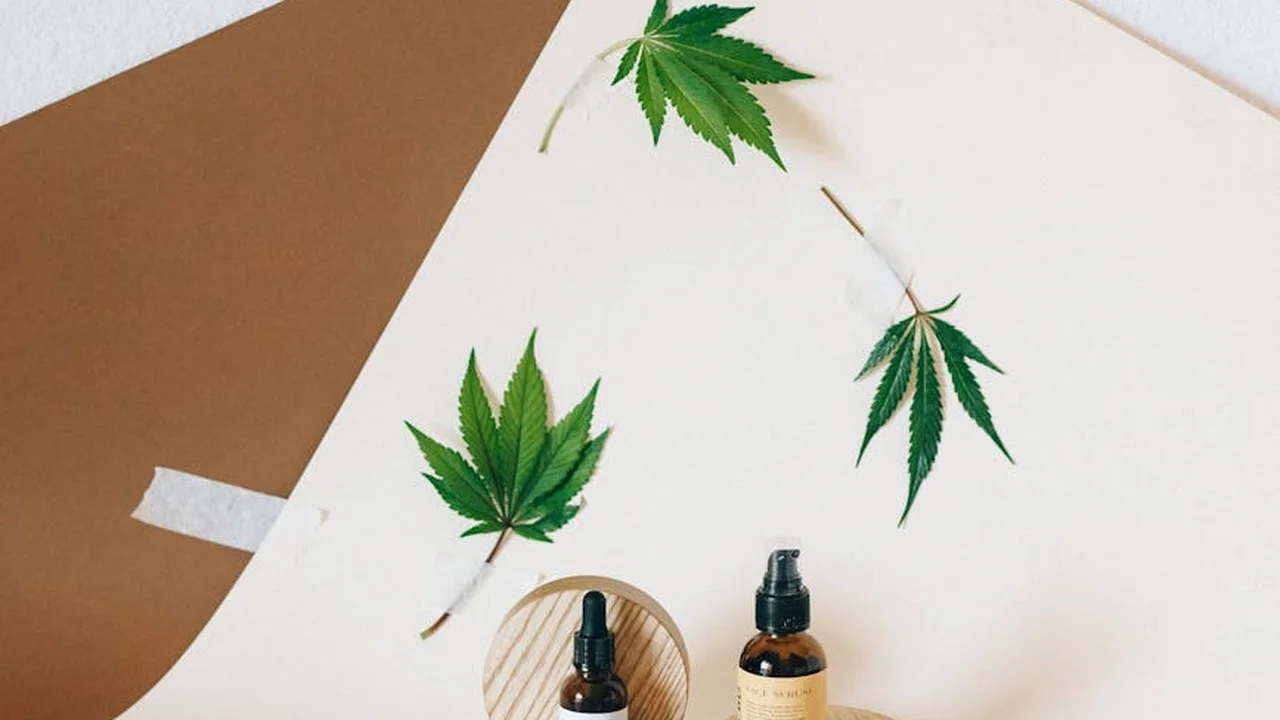
Even the best oils can change over time. Let’s look at how to spot mold and cloudiness with a calm eye.
Can Oil Really Grow Mold? How to Spot It
You might ask, can coconut oil mold or can olive oil mold? Pure, refined oils resist mold well. The risk comes when water or plant bits are introduced, like in homemade infused oils or creams. Mold needs moisture to grow.
Look for any fuzzy specks, white or green dots, or stringy filaments suspended in the oil. In my kitchen, I once found a speck of mold in a herb-infused olive oil I’d made. It looked like a tiny, solitary white dot floating near the rosemary.
Trust your eyes. Any unusual growth means it’s time to let that oil go.
What Causes Cloudiness? It’s Not Always Bad
What causes cloudiness in botanical oils? Often, it’s just temperature. Many oils naturally solidify or turn cloudy when cold, like coconut or avocado oil. This is a normal, reversible state.
Concerning cloudiness comes from moisture or spoilage. It might look milky or have suspended particles that don’t belong. A good check is to warm the bottle gently in your hands for a minute. If the cloudiness clears, it was just the cold. If it stays murky, something else is going on.
The Silent Spoiler: Signs of Oxidation
What are the signs of oxidation in botanical oils? Your nose and fingers know best. A fresh oil turns rancid, smelling bitter, sharp, or like old crayons. The color often darkens and loses its clarity.
The texture changes, too. It can feel tacky or thicker than it should. I never use an oxidized oil on skin. It can cause irritation and has lost its beneficial properties.
Common Contaminants to Watch For
What are common contaminants found in botanical oils? A few culprits can sneak in. Water is a big one, inviting mold. Residual solvents from cheap extraction methods might linger. Sometimes, pricier oils are cut with cheaper filler oils.
Dust or tiny particles can settle in from poor storage. These contaminants are often the hidden starters for mold, cloudiness, and fast oxidation. They remind me why I keep my oils in dark, cool cabinets.
Simple Kitchen Tests for Oil Authenticity and Freshness
You don’t need a lab to get clues about your oil. These DIY checks put the power in your hands.
The Paper Test for Purity
How can you test the authenticity of botanical oils? Try the paper test. Place one drop of oil on a plain white paper napkin. A pure plant oil will leave a translucent, greasy stain that doesn’t vanish. It spreads slowly.
If the stain disappears quickly, leaving almost no mark, the oil might contain volatile additives that evaporate. Remember, this is just a simple hint, not a guaranteed analysis, so be sure to treat any suspected oil stains on fabric promptly.
The Refrigerator Test for Stability
Your fridge is a useful tool. Pour a teaspoon of oil into a small glass dish and chill it for an hour. Many pure oils will thicken uniformly or become evenly cloudy. This is where you see if avocado oil gets cloudy, which is perfectly normal.
Watch for separation or weird, waxy clumps that form apart from the main oil. That can signal added fats or impurities. Let it return to room temperature and see if it blends back smoothly.
Smart Storage and What to Do With Doubtful Oils
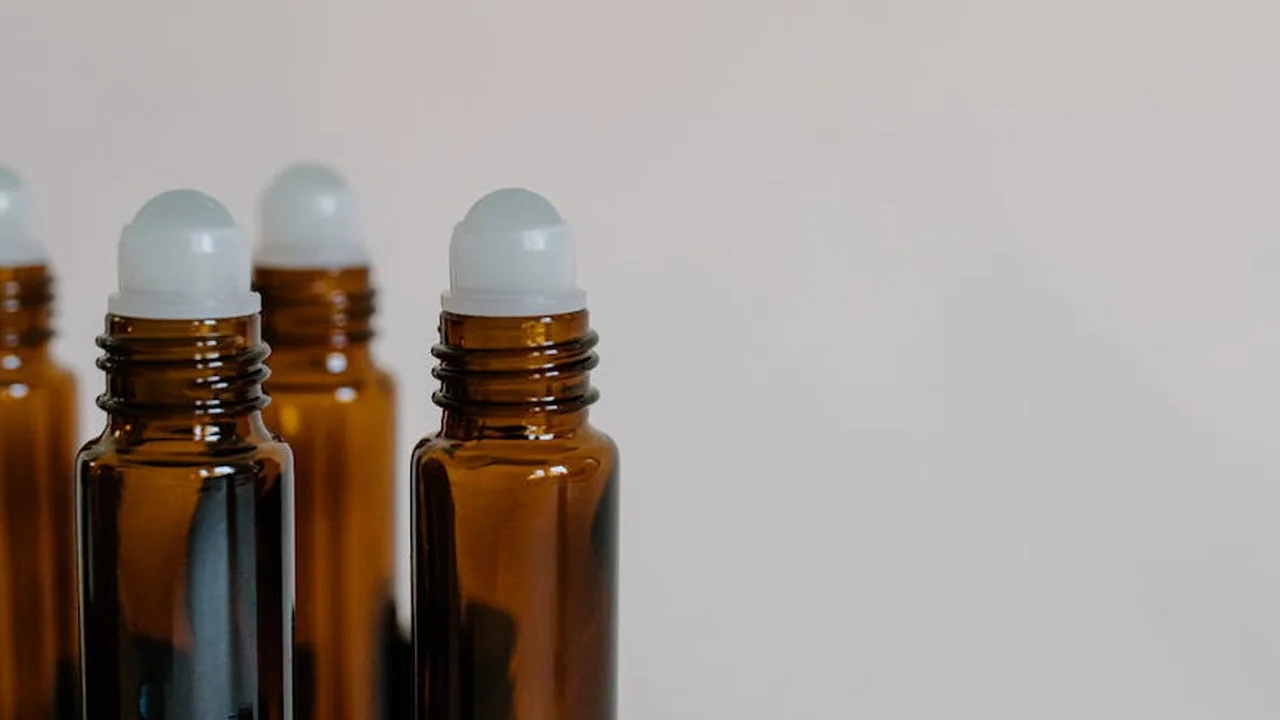
You found a beautiful oil and checked it carefully. Now, how do you keep it that way? The answer lies in smart storage methods for different oils. And if an oil ever doesn’t pass your smell or look test, you have safe options beyond just tossing it.
The Golden Rules of Oil Storage
Think of your oils as quiet, sensitive friends. They dislike drama, especially from light and heat. Protecting them is simple.
I keep all my bottles in a dedicated kitchen cupboard, far from the stove and oven. This little habit extends their life by months.
- Find a cool, dark place. A pantry or a cabinet works perfectly.
- Always close lids tightly. Air speeds up oxidation, which makes oils go rancid.
- Use glass bottles. Glass doesn’t leach chemicals into the oil. Yes, even thick castor oil belongs in glass, not plastic.
- Choose dark glass for light-sensitive oils. Avocado oil, rich in chlorophyll, absolutely needs an amber or cobalt blue bottle to stay fresh.
Light and heat are the true enemies of oil quality, breaking down the fatty acids and creating that unpleasant rancid smell. A cool, dark home is the best gift you can give your botanical collection—especially when it comes to understanding how light, heat, and air affect botanical oils.
Alternative Paths: When an Oil Isn’t Right for Skin
Sometimes an oil smells a bit “off” or seems slightly cloudy, but isn’t clearly moldy. Your skin is a precious barrier. When in doubt, keep it off your body.
If you question an oil’s purity or freshness, you can often give it a dignified second life around your home. This feels much better than wasting it.
I’ve used older, slightly nutty-smelling almond oil to polish my wooden cutting boards. It works wonders.
- Polish wood furniture. Apply a small amount to a cloth and buff into dry wood.
- Make homemade fire starters. Soak cotton balls or dryer lint in the oil and store them in a tin.
- Condition leather. Do a patch test on a hidden area first, then gently rub a tiny amount onto bags or boots.
You must discard any oil with visible mold, fuzz, or a powerfully sour, rotten smell. Do not use it for anything. Compromise is not safe here. When you say goodbye to a spoiled oil, you protect your home and your wellness. Additionally, dispose of used cooking oil, linseed oil, and fats properly at home to prevent clogs and environmental harm. This small habit protects your plumbing and the planet.
Common Questions
What are the key indicators of botanical oil purity?
A pure oil has a clean, true-to-plant scent and a clear, vivid appearance appropriate to its type. Your nose and eyes are the most reliable first tools for assessing quality, even compared to branded oils that guarantee purity.
What does the color of a botanical oil indicate about its quality?
Color naturally varies by plant, from the green-gold of olive oil to the orange of rosehip. The key is that the color should be clear and vibrant, not dull or murky.
How can you test the authenticity of botanical oils?
Try the simple paper test: a drop of pure oil leaves a slow-spreading, translucent stain. If you’re dealing with oil stains on wood surfaces like tables, floors, or furniture, you’ll want to know how to remove oil stains from wood. This is a helpful hint, but for absolute certainty, purchase from reputable, transparent suppliers.
How should botanical oils be stored to maintain quality?
Always store oils in dark glass bottles (amber or cobalt) in a cool, dark cupboard away from heat. This protects the delicate compounds from light and heat, which cause spoilage.
What are common contaminants found in botanical oils?
Watch for water (which invites mold), residual solvents from extraction, or cheaper filler oils. These contaminants often lead to cloudiness, odd textures, and faster rancidity.
Trusting Your Senses in Your Botanical Apothecary
When you bring a new oil into your home, let your eyes, nose, and hands be your first guides. A quality oil, cared for well, will reward your attention and serve you faithfully in your routines for body, skin, hair, and home.
I hope this guidance helps you curate a collection you feel confident using. I welcome you to return here to explore more, and I encourage you to trust your own growing observations as you work with these beautiful botanicals.
Research and Related Sources
- Essential Oils for Mold Remediation | Miracle Botanicals
- Tea tree essential oil and its impact on blue mold, volatile compounds, and postharvest quality of ‘Fuji’ apples: A study of laboratory-extracted and commercial essential oils – ScienceDirect
- Essential Oils That Kill Mold (And How to Use Them Safely) – My Chemical-Free House
- Moldicidal properties of seven essential oils | US Forest Service Research and Development
Noemi Kamińska
Noemi is an accomplished wellness researcher, nutrition care guide and body care expert. She has years of experience in formulating various oil combinations for full body wellness including face, hair, body care, essential oils and cooking oils. She works as a bio-formulator working with oil chemistry and analyzing the best formulations when it comes to your needs. Feel free to reach out to get your oil needs sorted.