
Is Olive Oil Good for Your Gut? The Real Scoop on Digestion
If you’re dealing with occasional bloating or digestive discomfort, you might be curious about that bottle of olive oil in your kitchen. This golden-green oil has been a digestive ally for thousands of years, and modern science is now catching up to that ancient wisdom.
This article explains how a simple daily ritual with olive oil can support your entire digestive system, from soothing your stomach to encouraging regularity.
- How olive oil benefits digestion and gut health
- Potential side effects and who should be cautious
- My favorite way to use it for daily wellness
- How to choose the best type for your needs
Your Quick Guide: Olive Oil Digestive Health Key Takeaways
Olive oil can be a friend to your gut, but it can also cause a fuss. Its effect depends completely on you, the type you choose, and how much you take.
Three Main Digestive Benefits
First, it acts as a gentle, natural stimulant for your bowels. A small amount can help things move along smoothly.
The high-quality polyphenols in real extra virgin olive oil are powerful anti-inflammatory agents for your entire digestive tract.
Some research suggests these compounds may also support the balance of good bacteria in your gut, which is foundational for overall wellness.
Three Common Cautions
Taking too much, especially on an empty stomach, can lead to loose stools or diarrhea. Your body will let you know its limit.
For some people, the fat content can relax the valve at the top of the stomach, leading to heartburn or acid reflux.
Introducing olive oil regularly, or increasing your amount, can cause temporary gas or bloating as your system adjusts.
The Non-Negotiable Type
You must use extra virgin olive oil (EVOO) to get these benefits. The refined “light” or “pure” oils on the shelf have been stripped of the very polyphenols that make olive oil special. I keep a bottle of robust, peppery EVOO from a small producer just for my wellness routines.
How Your Body Digests Olive Oil: The Simple Science
Think of digesting fat like washing a greasy pan. Water alone doesn’t work. You need soap to break the grease into tiny droplets.
Your body uses bile, made by your liver and stored in your gallbladder, as its natural “soap” for fat digestion.
When you consume olive oil, your gallbladder contracts and releases bile into your small intestine. The bile emulsifies the oil, breaking it into small globules so enzymes can break it down into fatty acids for your body to use.
Olive Oil Digestion Time
If you’re wondering about olive oil digestion time, here’s a general picture. Fat digestion begins in the small intestine, about 30 to 60 minutes after you eat. The entire process of digesting and absorbing a meal with healthy fats like olive oil typically takes between 6 to 8 hours.
The Gallbladder’s Role
A healthy, responsive gallbladder is key for digesting any oil smoothly. If your gallbladder has been removed or isn’t functioning well, you may have trouble tolerating large amounts of fat at once, including olive oil.
Why It Can Feel Urgent
That “laxative” effect from a spoonful on an empty stomach happens because the fat triggers a strong gallbladder contraction and intestinal movement. It’s like your digestive system gets a direct, urgent signal to start working. This isn’t harmful for most, but it explains the sudden need to go.
The Real Benefits of Extra Virgin Olive Oil for Your Gut
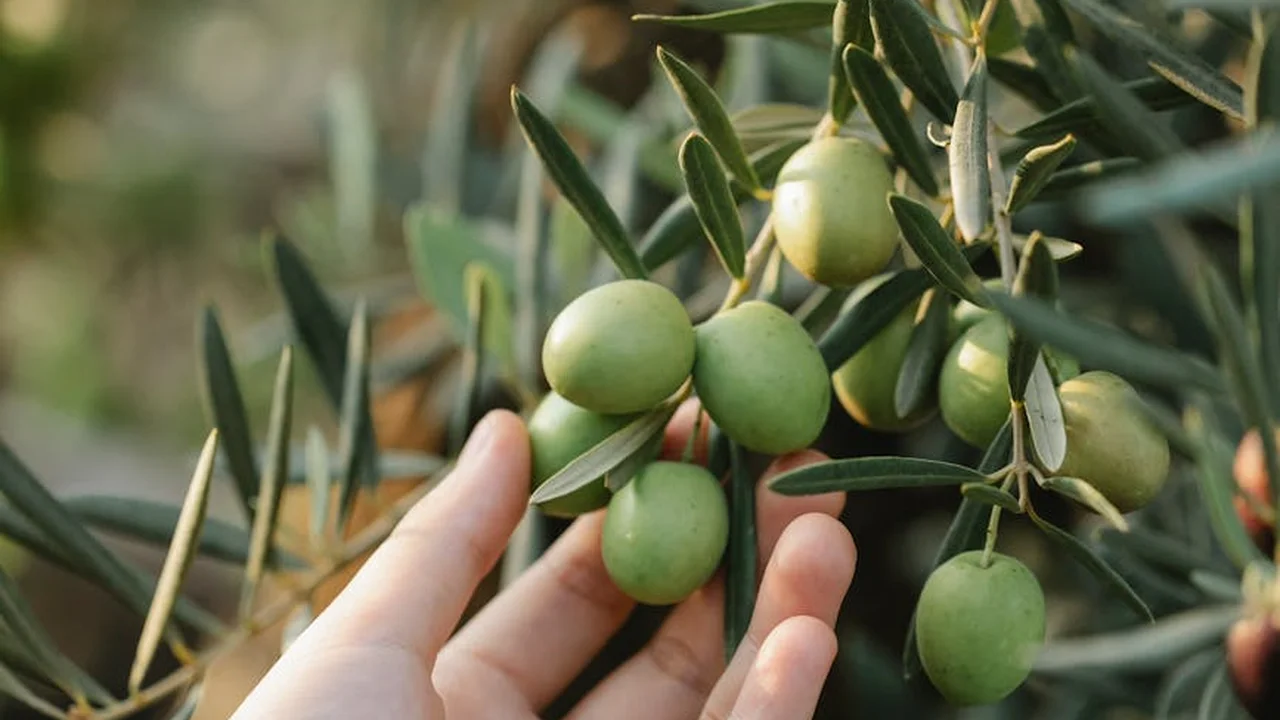
For Gentle Constipation Relief
Extra virgin olive oil gently coats the inside of your intestines. This lubrication helps soften stool, making it easier to pass.
Think of it like butter softening a piece of dry toast, making it less scratchy and more manageable for your system.
On my own shelf, I keep a small bottle for this purpose. I always tell friends to start with just half a teaspoon stirred into food. Your body needs time to adjust to the extra fat.
Soothing Internal Inflammation
The real magic for your gut lining comes from polyphenols, especially one called oleocanthal. This compound has a noticeable anti-inflammatory action.
Oleocanthal works in a way that’s similar to ibuprofen, calming irritation at a cellular level to help create a happier environment for digestion.
In my routine, I consider a quality EVOO as important as other anti-inflammatory foods like turmeric or leafy greens.
Feeding Your Gut Garden (Prebiotic Effect)
Your beneficial gut bacteria need to eat, too. Certain compounds in extra virgin olive oil act as a prebiotic, which is just food for those good bugs.
When you feed them well, they thrive and help maintain a balanced digestive ecosystem.
Using olive oil regularly is like adding rich compost to the soil of your inner garden, helping the good plants grow strong. However, unlike some other botanical oils, it’s important to know when and where to use it.
Supporting Gallbladder Function
Your gallbladder stores bile, a fluid that helps break down fats. A small amount of fat, like olive oil, signals the gallbladder to release that bile.
This keeps everything flowing smoothly and can prevent the bile from becoming too stagnant.
It’s a gentle, daily nudge for a crucial digestive organ, helping it do its job efficiently.
Practical, Tasty Ways to Use Olive Oil for Digestion
Your Daily Dose
A good, sustainable target is one to two tablespoons total per day. This is plenty to gain benefits without overdoing it.
If you’re new to using oil this way, always start with a smaller amount, like one teaspoon, and see how you feel.
Spread your intake across meals instead of taking it all at once.
Never Drink It Straight
Please skip the “shot” of olive oil. Drinking it straight is harsh on your throat and stomach.
This method maximizes the chance of side effects like nausea or reflux, and frankly, it’s not a pleasant experience.
Your digestive system will thank you for a gentler approach.
The Best Method: Combine with Food
Mixing olive oil with food is the wisest path. Some cooks blend olive oil with other cooking oils when frying to improve texture and flavor. This mix can deliver better results while still leveraging olive oil’s health benefits. The food helps slow down digestion and allows your body to process the oil comfortably.
It also helps the fat-soluble vitamins in your veggies absorb better. It’s a double win.
Drizzle it over a salad, swirl it into soup, or use it as a finishing oil on cooked grains or roasted vegetables.
My Kitchen Shelf Tip
My absolute favorite pairing is a hearty drizzle of peppery extra virgin olive oil over a bowl of warm lentil soup. The oil melds with the broth and makes the meal incredibly soothing.
It also tastes fantastic on simply roasted asparagus or broccoli right when it comes out of the oven.
A Quick Word on Heat
Save your best extra virgin olive oil for low-heat cooking or finishing dishes. High heat damages the delicate polyphenols that provide the anti-inflammatory benefits. Avoid using it for deep frying.
For sautéing, use a moderate heat. For roasting, it’s fine as the oven’s heat is less direct. Your goal is to preserve those precious compounds.
Possible Side Effects and How to Avoid Them

Olive oil is gentle, but your body needs time to adjust. I always tell my clients to start slow.
Can Olive Oil Cause Diarrhea or Loose Stools?
Yes, it can. This happens most often with large amounts or if your stomach is sensitive.
For most people, “too much” means starting with more than one tablespoon at a time. Your digestive system sees a big pour of fat as a signal to speed things up. I learned this myself after being too enthusiastic with a new, peppery EVOO.
Can Olive Oil Cause Gas or Bloating?
It might, but usually just at first. A sudden increase in any dietary fat can be hard to process.
Think of it like your gut is surprised. Extra virgin olive oil also has compounds that act as prebiotics, feeding your good bacteria. This can cause temporary gas as your gut flora adjusts, which often settles down in a week or so.
Does Extra Virgin Olive Oil Cause Acid Reflux?
For some people, any fat can relax the valve at the top of your stomach. This might let acid creep up.
To avoid this, never take your oil right before lying down. Always pair it with a meal. The food acts like a cushion, helping everything move along smoothly. This simple trick is on a sticky note in my kitchen.
Listen closely to your body. If you feel any upset, simply use a little less. Scaling back is not a failure, it’s smart tuning.
Answering Your Specific Digestive Concerns
Let’s get clear on some common questions I hear in my consultations.
Can olive oil help with gastritis?
The anti-inflammatory compounds in high-quality olive oil may offer some soothing support for an irritated stomach lining.
Please see this as a gentle companion, not a cure. If you have gastritis, your first step is a conversation with your doctor. I keep a bottle of mild, buttery oil for times when my own stomach feels tender.
Does olive oil help with gas?
This is a common mix-up. Olive oil is more likely to be a cause of temporary gas than a remedy for it.
For relieving gas, I look to other oils like peppermint or ginger in very small, diluted amounts. Olive oil’s job is different; it’s a foundational food, not a targeted carminative.
What about taking it on an empty stomach?
Some traditional practices involve this, but it significantly raises the risk of those side effects we just discussed.
I strongly advise the food-combining method instead: drizzle your oil over veggies, mix it into yogurt, or blend it into a smoothie. This slower introduction gives your system the best chance to welcome the goodness.
What if I’m searching “olive oil digestion problems”?
That search usually leads back to the side effects. To recap: start with small amounts, always take it with food, and expect a brief adjustment period for gas or bloating. Your body’s feedback is your best guide.
Olive Oil vs. Other Oils for Digestive Wellness
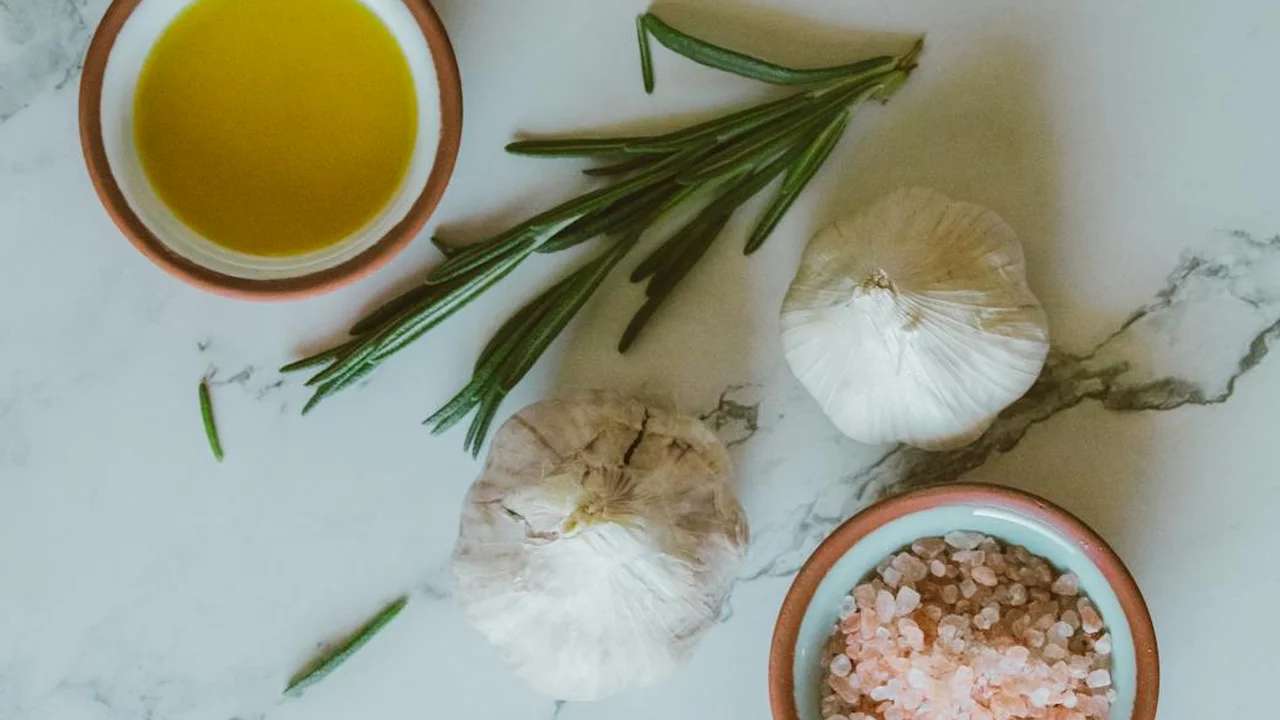
Extra virgin olive oil is a staple on my kitchen shelf, but it’s not the only oil I reach for. Seeing them as tools for different jobs makes the most sense, especially when you understand the difference between virgin and extra virgin olive oil.
Here’s a simple look at how some popular wellness oils compare for gut health.
| Oil | Primary Digestive Note | Best Used For | A Note of Caution |
| Extra Virgin Olive Oil | Gentle stimulation, anti-inflammatory support. | Daily dressing, low/medium heat, soothing an upset stomach. | High heat can damage its beneficial compounds. |
| Coconut Oil (Unrefined) | Quick energy from MCTs; antimicrobial properties. | Baking, medium-heat cooking, occasional use for its antimicrobial action. | Can be constipating for some if overused. |
| Flaxseed Oil | High in Omega-3s to cool inflammation. | Stirred into cool foods like smoothies or oatmeal after cooking. | Never heat it. Goes rancid quickly; store in the fridge. |
| Avocado Oil | Neutral, easily digestible fat. | High-heat cooking, when you want no competing flavor. | A refined option for heat; unrefined has more flavor and nutrients. |
| MCT Oil | Rapid, direct energy source. | Blended into drinks for a quick energy lift. | Can cause cramps or diarrhea, especially on an empty stomach. Start slow. |
EVOO vs. Coconut Oil for Your Gut
I use both, but for different reasons. Think of olive oil as your daily gentle friend. Its monounsaturated fats and polyphenols work quietly to reduce gut irritation.
Coconut oil, with its medium-chain triglycerides (MCTs), is like a swift messenger providing quick energy, but it can be a bit intense for a sensitive system if taken straight.
For everyday digestive harmony, my money is on EVOO. I save coconut oil for specific cooking or an occasional antimicrobial boost.
Where Olive Oil Fits In
Olive oil occupies a beautiful middle ground. Flaxseed oil is fantastic for its high Omega-3 content to cool inflammation, but you can’t cook with it. I keep a small, dark bottle in the fridge for my morning yogurt, whereas olive oil is great for cooking and dressings.
Avocado oil is my go-to for searing or roasting at high heat because it’s so neutral and stable. It also shines for high-heat cooking—its high smoke point and neutral flavor work well for frying, searing, and roasting. Its healthy fats are part of its broad health benefits, making avocado oil a versatile staple in the kitchen. MCT oil can be harsh on an empty gut, so I always blend a teaspoon into my morning coffee with a bit of grass-fed butter to slow its absorption.
Each has its place. But for a single oil that you can cook with, drizzle, and use for direct digestive soothing, extra virgin olive oil is remarkably versatile. It shines in baking and everyday cooking, adding depth to dishes. It’s a staple for both savory and sweet recipes.
The All-Around Champion for Daily Support
When I look at the whole picture-safety, research, flavor, and daily practicality-extra virgin olive oil stands out. It’s a food, not a supplement. Polyphenol content varies by type, with extra virgin typically higher than virgin and refined. That nuance influences flavor and potential health benefits, and it helps explain why different olive oil grades merit separate consideration.
Making it a regular part of your meals is the simplest, most sustainable way to gain its digestive benefits.
Your gut doesn’t need a complicated routine. It often thrives on the consistent, gentle nourishment of good fats like those in a quality EVOO.
Your Questions, Answered
I’ve heard olive oil is a natural laxative. Is it safe to use it for that every day?
Using a small amount (like one teaspoon) with food for gentle regularity is generally safe for most people. However, relying on larger, straight doses daily can disrupt your body’s natural rhythms and lead to dependence.
If olive oil can cause acid reflux for some, how could it possibly soothe my gut?
The key is in the polyphenols, not the fat. While the fat might relax a valve and trigger reflux in some, the anti-inflammatory compounds in EVOO work at a cellular level to calm irritation in the intestinal lining itself.
Can I mix olive oil with other remedies, like apple cider vinegar or lemon juice, for digestion?
Absolutely! Combining a tablespoon of EVOO with a splash of apple cider vinegar or lemon juice in a dressing is a wonderful idea. The acidity can help stimulate stomach acid for better digestion, while the oil helps absorb fat-soluble vitamins.
How is using olive oil for gut health different from taking an MCT oil supplement?
MCT oil provides rapid energy but offers no anti-inflammatory polyphenols and is more likely to cause digestive distress. EVOO works as a nourishing food to support long-term gut lining health and bacterial balance, not just quick fuel.
I don’t have a gallbladder. Can I still use olive oil for digestive benefits?
Yes, but you must be more gradual. Start with a very small amount (½ teaspoon) with a meal to allow your liver’s bile a gentle signal. This helps your system adapt without overloading it, letting you still gain the anti-inflammatory perks.
Final Thoughts from the Herb Shelf
For your digestive well-being, think of a quality extra virgin olive oil as a gentle, daily companion rather than a quick fix. I always keep a small bottle of a fruity, fresh-pressed oil on my kitchen counter for this exact reason.
I share more from my own blending journals right here on the blog. Your hands and your senses are the most trusted tools you have for bringing oils into your life.
Industry References
- Effects of Olive Oil and Its Components on Intestinal Inflammation and Inflammatory Bowel Disease – PMC
- Olive Oil for Gut Health – Encino dentist Dr. Isaac Comfortes, D.D.S.
- Extra-virgin olive oil and the gut-brain axis: influence on gut microbiota, mucosal immunity, and cardiometabolic and cognitive health | Nutrition Reviews | Oxford Academic
- Here’s Why I Start My Morning with Extra Virgin Olive Oil! …
Noemi Kamińska
Noemi is an accomplished wellness researcher, nutrition care guide and body care expert. She has years of experience in formulating various oil combinations for full body wellness including face, hair, body care, essential oils and cooking oils. She works as a bio-formulator working with oil chemistry and analyzing the best formulations when it comes to your needs. Feel free to reach out to get your oil needs sorted.